Recyclable gift wrap is an innovative and eco-friendly alternative to traditional wrapping materials, designed to reduce environmental impact while still providing an aesthetically pleasing presentation. As businesses increasingly prioritize sustainability, understanding the specifications and sourcing options for recyclable gift wrap becomes essential for purchasing managers, distributors, and product managers. This article will guide you through finding trusted sources, key specifications, cost factors, installation guidance, and common problems, helping you make informed purchasing decisions.
When sourcing recyclable gift wrap, it's crucial to partner with manufacturers who prioritize environmental responsibility and product quality. Start by researching suppliers that specialize in eco-friendly packaging materials, such as Shunho Creative, which offers a range of sustainable products, including their signature plastic-free TransMet paper. Look for suppliers with a solid reputation in the industry, supported by customer testimonials, case studies, and transparency around their manufacturing processes.
Ensure the supplier adheres to relevant environmental regulations and certifications, such as ISO 14001 for environmental management. This demonstrates a commitment to sustainability and quality control. Additionally, inquire about their recycling processes to confirm that the materials used in their gift wrapping boxes can be effectively recycled after use.
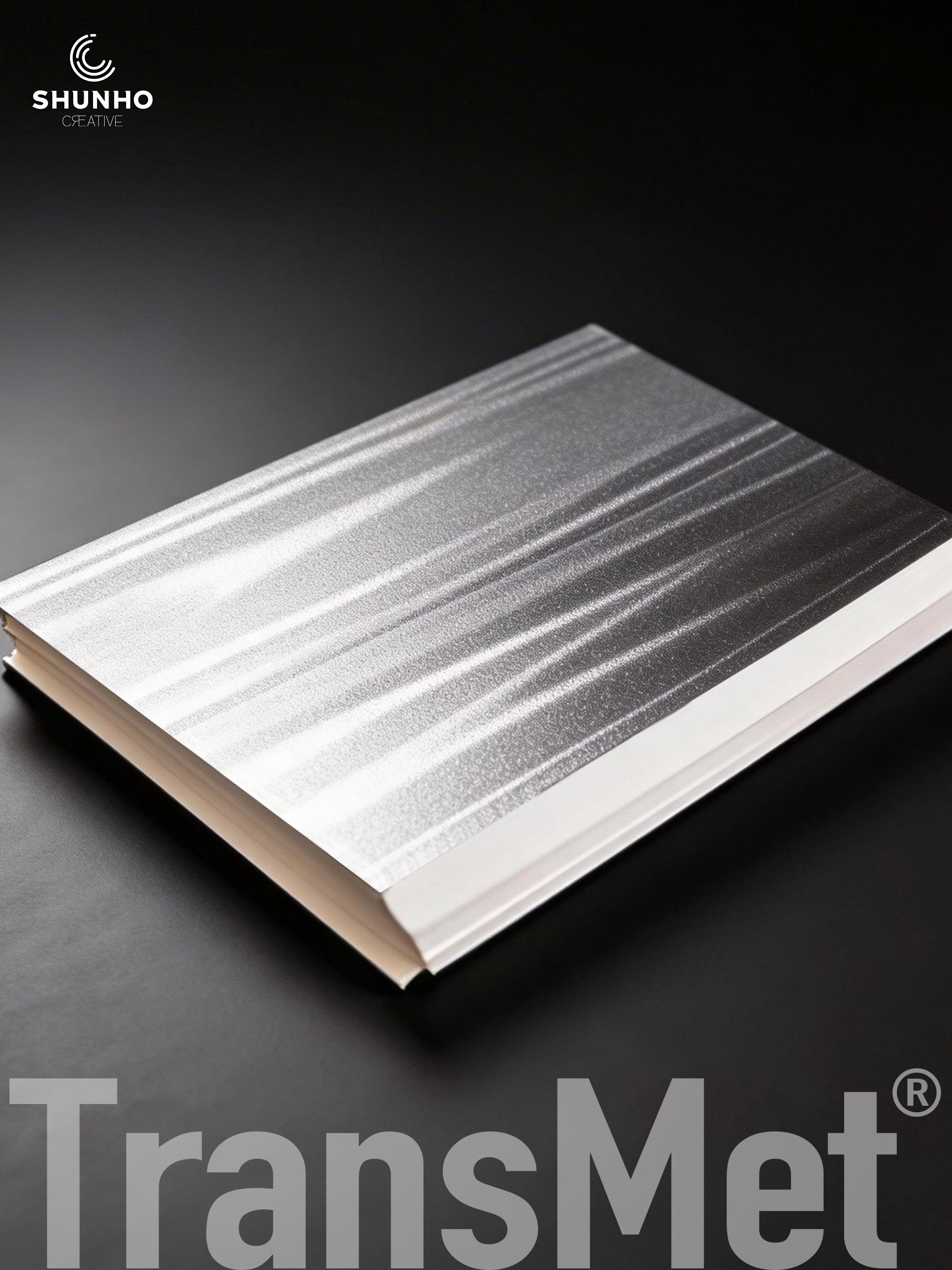
When considering recyclable gift wrap, several key specifications should be evaluated:
Material Composition: The primary material used in recyclable gift wrap affects its environmental impact and performance. Shunho Creative's TransMet paper, featuring a 30nm aluminum layer, ensures durability while remaining fully recyclable and degradable.
Thickness and Weight: The thickness of the gift wrap can impact its strength and usability. Buyers should specify their requirements based on intended use whether for retail packaging, gift wrapping, or promotional materials.
Dimensions: Custom sizes may be necessary depending on the products being wrapped. Ensure the supplier can accommodate your size specifications to minimize waste.
Print Quality: If your gift wrap requires branding or design, inquire about the printing capabilities and ink types used. Eco-friendly inks and processes are essential for maintaining the sustainability of the product.
Moisture Resistance: Depending on the application, moisture resistance may be necessary to protect the contents of the package. Verify with the manufacturer the level of moisture protection provided by the material.
Understanding these specifications will help bulk buyers ensure the product meets their functional and environmental requirements.
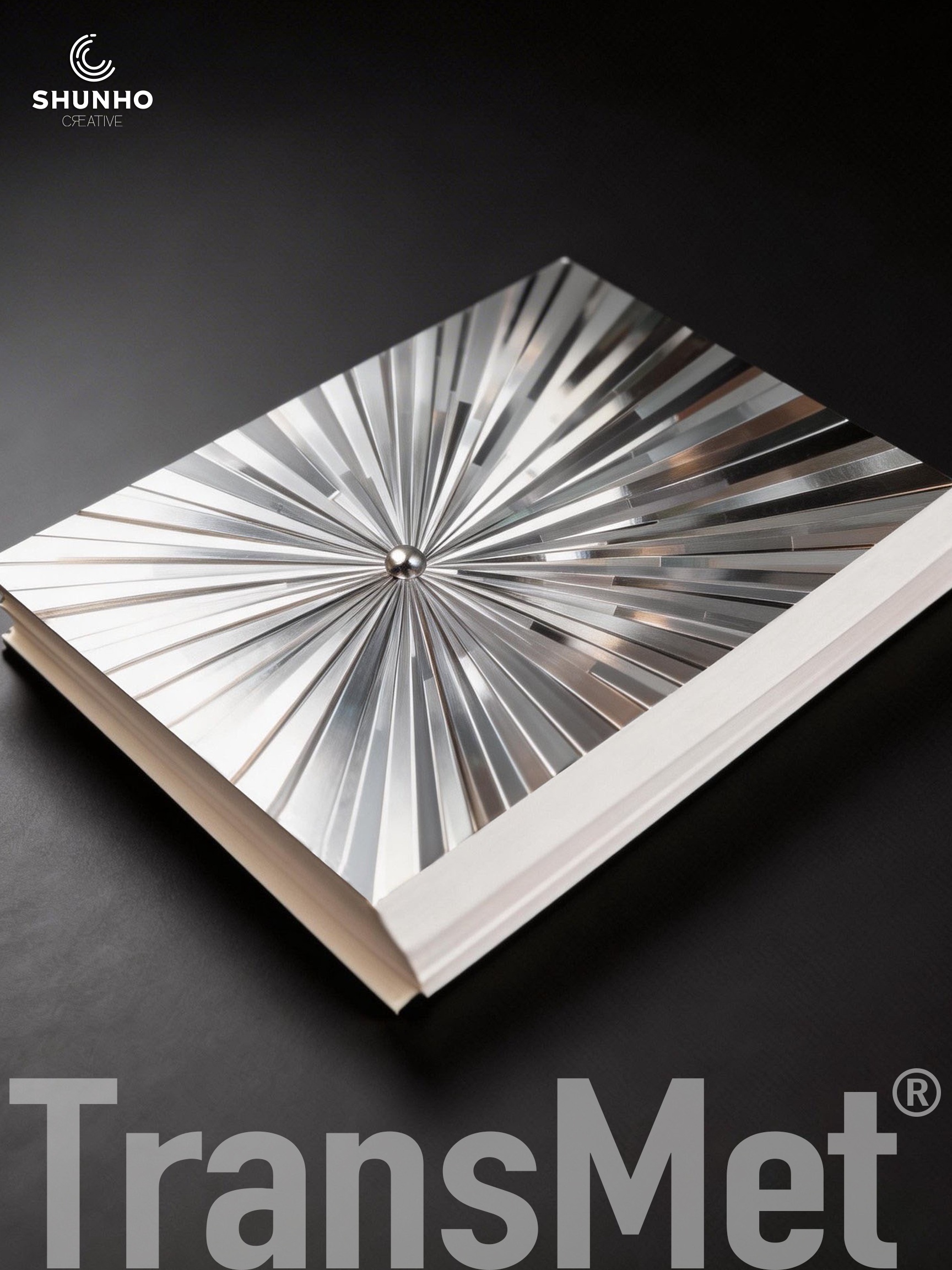
The cost of recyclable gift wrap can vary significantly based on several factors:
Material Quality: Higher-quality materials often come at a premium. However, investing in durable, eco-friendly materials can reduce long-term costs by decreasing the likelihood of returns or damaged products.
Customization: Custom sizes, colors, and designs typically increase costs. Buyers should balance their branding needs with budget constraints.
Order Quantity: Bulk purchases often qualify for discounts, making it essential to determine the minimum order quantity (MOQ) and potential savings available for larger orders.
Shipping and Handling: Consider the logistics of transporting recyclable wrapping paper box. Costs may vary depending on shipping distances, weight, and packaging requirements.
Supplier Location: Proximity to the supplier can impact shipping costs and lead times, making it a relevant factor in the purchasing decision.
By evaluating these cost factors, buyers can make more informed decisions that align with their budgets and sustainability goals.
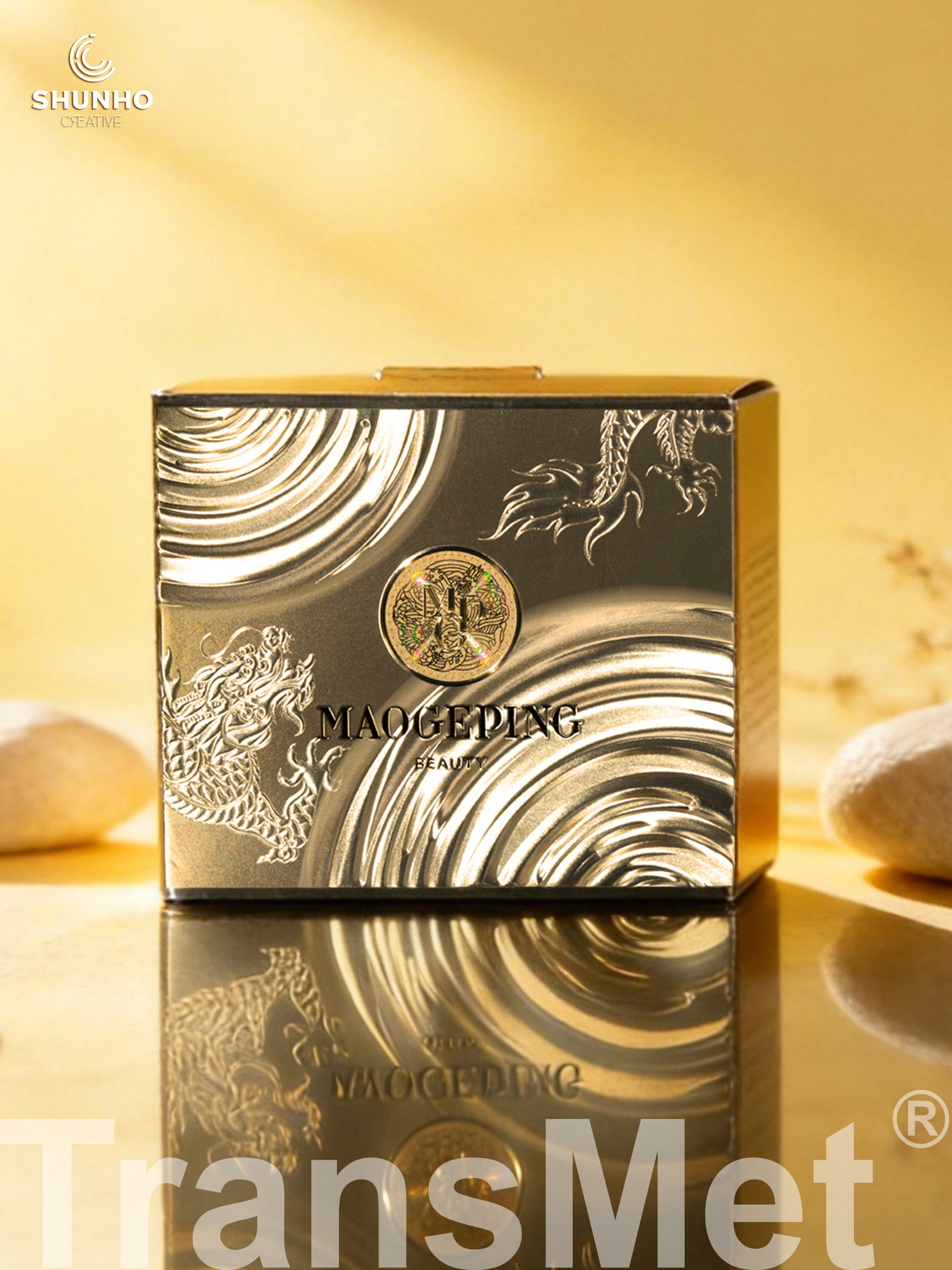
Using recyclable gift wrap effectively requires attention to detail during the wrapping process. Here are some practical tips:
Preparation: Ensure that the surface where the wrapping will take place is clean and dry. This helps the adhesive properties of the wrap, if applicable, to function effectively.
Cutting Properly: Measure and cut the recyclable gift wrap to the appropriate size. Avoid cutting too much material, as this can lead to waste.
Folding Techniques: Use consistent folding techniques to create clean lines and a professional appearance. Practice basic origami folds for more complex shapes, if necessary.
Sealing: If using tape, choose eco-friendly options that are also recyclable. Avoid using plastic tape, as it can hinder the recycling process.
Finishing Touches: Consider adding natural embellishments, such as twine or dried flowers, to enhance the presentation without compromising sustainability.
By following these guidelines, businesses can ensure their use of recyclable gift wrap is both effective and environmentally responsible.
Experiential experience in international trade for over 20 years.The annual production capacity of laser paper could up to 200 tons.
Rainbow wrapping paper majority of customers are from the world's most prestigious 500
English, Spanish, Sticker paper holographic, Korean and other languages are supported. Support total solutions from the raw materials to the final product.
With Sticker paper holographic, REACH, FDA 21 CFR 176.170, (EU) No 10/2011, TUV OK COMPOST HOME, RECYCLABLE, ISO 9001/14001/45001, CNAS, PATENTS and other environmental protection certificates
While recyclable gift wrap offers many benefits, potential challenges include:
Durability Issues: Some recyclable materials may not withstand heavy handling or moist conditions. To address this, ensure that the gift wrap meets specific durability requirements and consider additional protective layers for sensitive items.
Print Quality Concerns: If the print quality does not meet expectations, it is essential to work with a supplier experienced in eco-friendly inks and processes. Request samples to evaluate print quality before placing bulk orders.
Recycling Confusion: Educate consumers about the recyclable nature of your gift box wrapping paper. Providing clear instructions on how to recycle or re-purpose the wrap can enhance customer satisfaction and reinforce your commitment to sustainability.
Cost Perception: Some buyers may perceive recyclable gift wrap as more expensive. Educate stakeholders on the long-term benefits of sustainability, including brand loyalty and reduced environmental impact.
By being aware of these common challenges and implementing solutions, businesses can enhance their sustainable packaging efforts while minimizing potential issues.
 EN
 AR
 HR
 CS
 DA
 NL
 FI
 FR
 DE
 EL
 HI
 IT
 JA
 KO
 NO
 PT
 RU
 ES
 TL
 ID
 VI
 HU
 TH
 TR
 MS
 GA
 CY
 MK
 HY
 PL