Food wrapping paper is an essential packaging solution that ensures the freshness and safety of food products while also appealing to environmentally conscious consumers. As a B2B buyer, you want to ensure that your food wrapping materials meet the highest standards of quality and sustainability. We will explore key considerations for selecting food wrapping paper, how to evaluate its quality, technical specifications of eco-friendly options, common issues, and how to find reliable suppliers.
When selecting food wrapping paper for wholesale orders, consider the following key factors:
Material Composition: The material must be food-safe and suitable for the intended application. Eco-friendly options, such as our signature plastic-free TransMet paper, are increasingly popular as they align with sustainability goals while providing effective protection.
Barrier Properties: Assess the barrier properties of the rainbow wrapping paper, such as moisture and oxygen resistance. These properties are crucial for extending the shelf life of food products. For instance, TransMet paper features a 30nm aluminum layer that enhances its barrier capabilities without sacrificing recycle ability.
Customization Options: Consider whether you need custom sizes, prints, or branding. Many manufacturers offer options to tailor the wrapping paper to your specific product needs, enhancing your brand’s visibility and appeal.
Compliance and Certifications: Ensure that the wrapping paper meets industry regulations and certifications for food safety. This can include FDA compliance for food contact materials or certifications for biodegradable and recyclable packaging.
Cost and MOQ: Determine your budget and the minimum order quantity (MOQ). Understanding these aspects will help you negotiate better pricing and ensure that the supplier can meet your volume needs.

Evaluating the quality of food wrapping paper is critical to ensuring it meets your business needs and customer expectations. Here are some practical steps:
Sample Testing: Before placing a large order, request samples to evaluate the paper’s performance in real-world conditions. Pay attention to its durability, appearance, and how well it holds up against moisture and grease.
Supplier Reputation: Research the supplier’s reputation and history in the industry. Look for reviews and feedback from other businesses that have used their products. A reliable supplier should have a track record of delivering quality materials consistently.
Technical Specifications: Review the technical specifications, including thickness, tensile strength, and print quality. These specifications will directly impact the wrapping paper's performance and suitability for your products.
Quality Assurance Processes: Inquire about the supplier’s quality control processes. A robust quality assurance system helps ensure that every batch of wrapping paper meets the established standards and specifications.
Environmental Impact: Consider the environmental impact of the gold silver wrapping paper. Choosing products made from recycled materials or those that are fully recyclable or biodegradable can enhance your brand’s sustainability credentials.
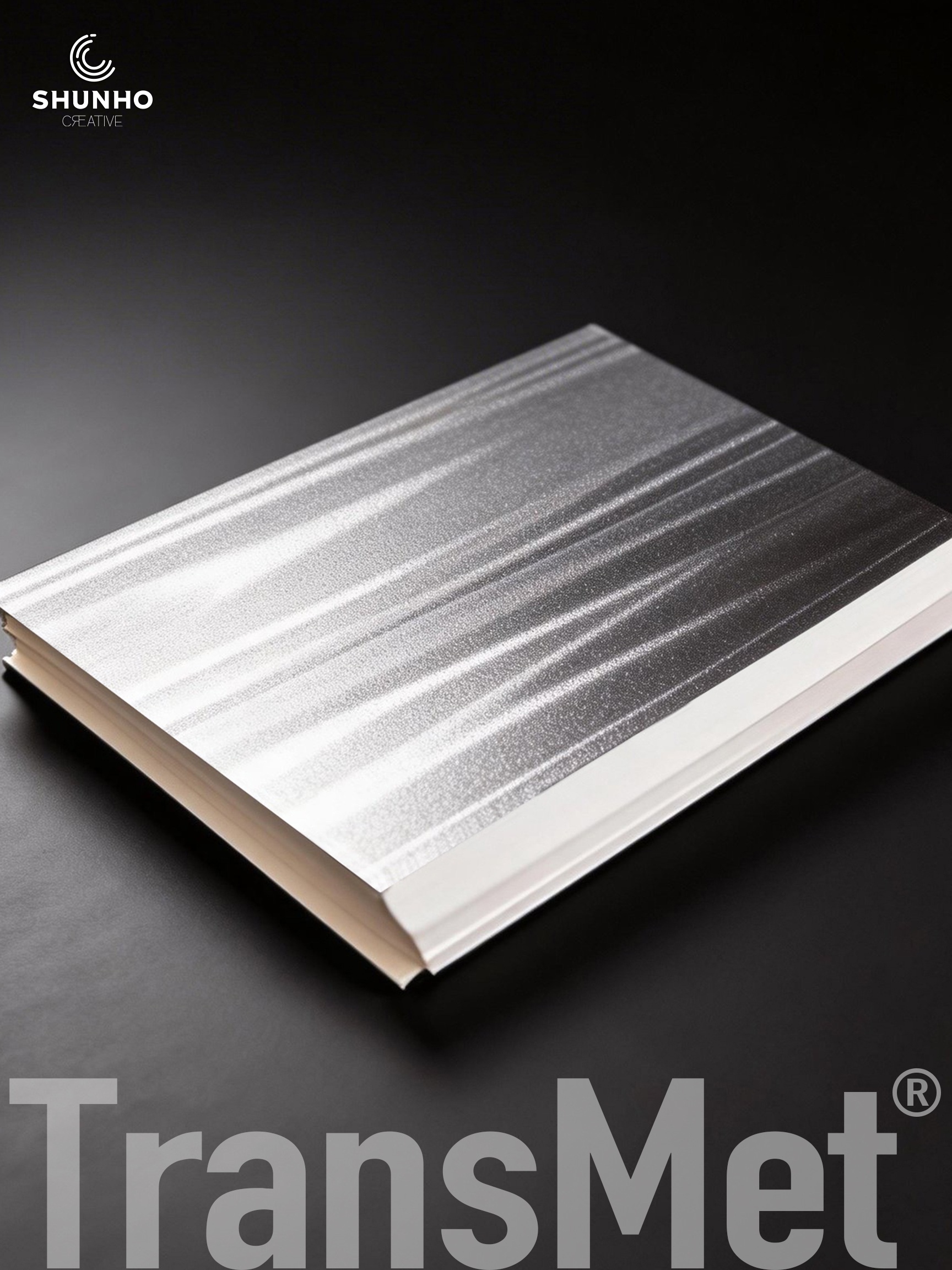
Our eco-friendly food wrapping paper, including the innovative TransMet paper, is designed to meet the needs of businesses seeking sustainable packaging solutions. Key technical specifications include:
Material: TransMet paper is made using advanced vacuum transfer metal technology, allowing for a lightweight yet strong paper that is fully recyclable and degradable.
Barrier Layer: The 30nm aluminum layer provides superior moisture and oxygen barriers, making it ideal for preserving the freshness of food products while being environmentally friendly.
Thickness: Available in various thicknesses to suit different applications, our paper can be customized based on specific customer requirements and food types.
Weight: Standard weights range from 40 to 80 gsm, suitable for various food items, from delicate pastries to heavier cooked meals.
Print Compatibility: Our paper is compatible with various printing techniques, allowing for high-quality branding and messaging without compromising the material's integrity.
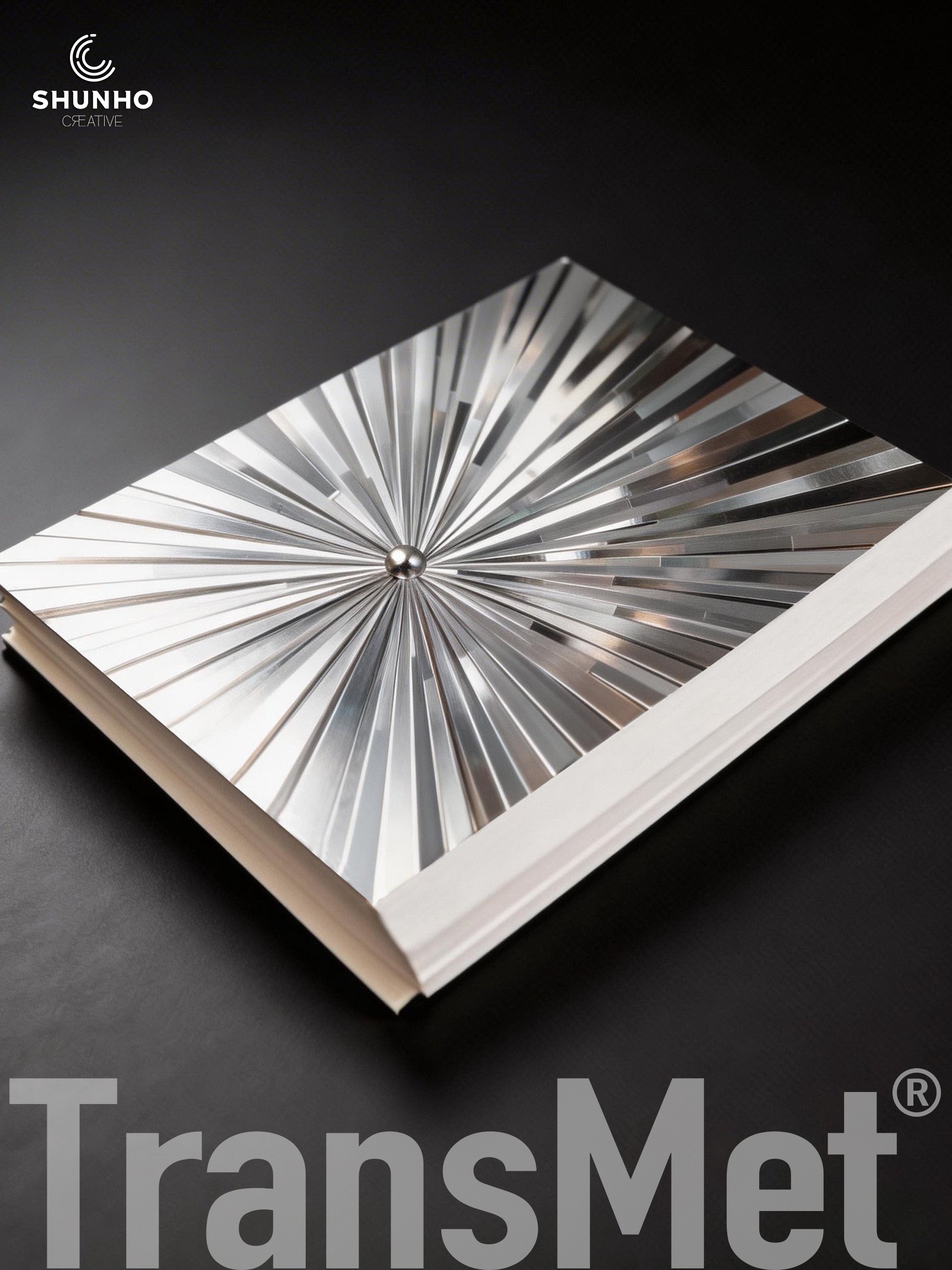
While food wrapping paper is essential for preserving food quality, several common problems can arise. Here are some issues and their solutions:
Moisture Penetration: If moisture breaches the packaging, it can lead to spoilage. To mitigate this, choose wrapping paper with enhanced barrier properties, such as our TransMet paper, which effectively prevents moisture ingress.
Tearing During Use: Low-quality wrapping paper can tear easily, leading to product exposure. Ensure that the paper has adequate tensile strength and thickness to withstand handling and sealing processes.
Incompatibility with Printing: Some gold silver wrapping paper may not accept ink well, leading to smudging or fading. Request samples to check print quality and ensure that the paper is suitable for your branding needs.
Environmental Concerns: Increasing consumer demand for eco-friendly packaging can pose challenges. Opting for sustainable options, such as fully recyclable or biodegradable wrapping paper, can address these concerns while appealing to environmentally conscious consumers.
Cost Fluctuations: Price volatility in raw materials can impact your budget. Establishing a long-term relationship with a reliable supplier can provide stability in pricing and ensure availability.
With Sticker paper holographic, REACH, FDA 21 CFR 176.170, (EU) No 10/2011, TUV OK COMPOST HOME, RECYCLABLE, ISO 9001/14001/45001, CNAS, PATENTS and other environmental protection certificates
Over Holographic stickers paper years of foreign trade experience.The annual production capacity of laser paper could reach 200,000 tons.
Rainbow wrapping paper majority of customers are from the world's most prestigious 500
Holographic sticker paper for English, Spanish and Japanese is available.
Finding a trustworthy supplier for food wrapping paper involves several steps:
Industry Networks: Leverage industry connections and trade associations to find reputable suppliers. Networking with other businesses can provide insights into reliable manufacturers.
Online Research: Conduct thorough online research to identify potential suppliers. Look for companies that specialize in eco-friendly packaging materials, as they are more likely to understand your sustainability needs.
Trade Shows and Expos: Attend industry trade shows or expos to meet suppliers in person. This allows you to see their products firsthand and discuss your specific requirements.
Request Quotes: Once you have identified potential suppliers, request quotes to compare pricing, MOQ, and customization options. Be clear about your specifications and expectations to receive accurate estimates.
Evaluate Customer Service: Assess the supplier's customer service and responsiveness. A reliable supplier should be willing to address your questions and concerns promptly, ensuring a smooth purchasing process.
By following these guidelines, you can ensure that your selection of food wrapping paper meets both your business needs and customer expectations, while also contributing to a more sustainable future.
 EN
 AR
 HR
 CS
 DA
 NL
 FI
 FR
 DE
 EL
 HI
 IT
 JA
 KO
 NO
 PT
 RU
 ES
 TL
 ID
 VI
 HU
 TH
 TR
 MS
 GA
 CY
 MK
 HY
 PL