Holographic wrapping paper is a unique packaging solution that captures attention with its shimmering, reflective surfaces. This innovative product is widely used across various industries, including electronics, cosmetics, and fast-moving consumer goods (FMCG). As a buyer, understanding the nuances of holographic wrapping paper is essential for making informed purchasing decisions. This article will help you navigate the selection process by addressing key considerations, technical specifications, quality evaluation, applications, and cost factors associated with sourcing this captivating packaging material.
Selecting the right holographic wrapping paper involves assessing several key factors to ensure it meets your specific requirements. First, consider the thickness of the paper, as this impacts durability and the type of products it can protect during shipping and handling. Thicker holographic paper may provide better protection but can also be heavier and more expensive.
Next, evaluate the surface finish. Holographic wrapping paper can vary in its visual effects, from subtle iridescence to bold, vibrant designs. Consider your branding and product visibility when selecting a finish. Additionally, think about the paper's compatibility with your printing processes if custom branding is required.
Finally, review the environmental impact of the materials used. Shunho Creative specializes in eco-friendly packaging materials, ensuring that their 3d holographic paper is produced sustainably with a focus on recyclability and degradability. Choosing a supplier that prioritizes sustainability can align with your corporate responsibility goals and appeal to environmentally conscious consumers.
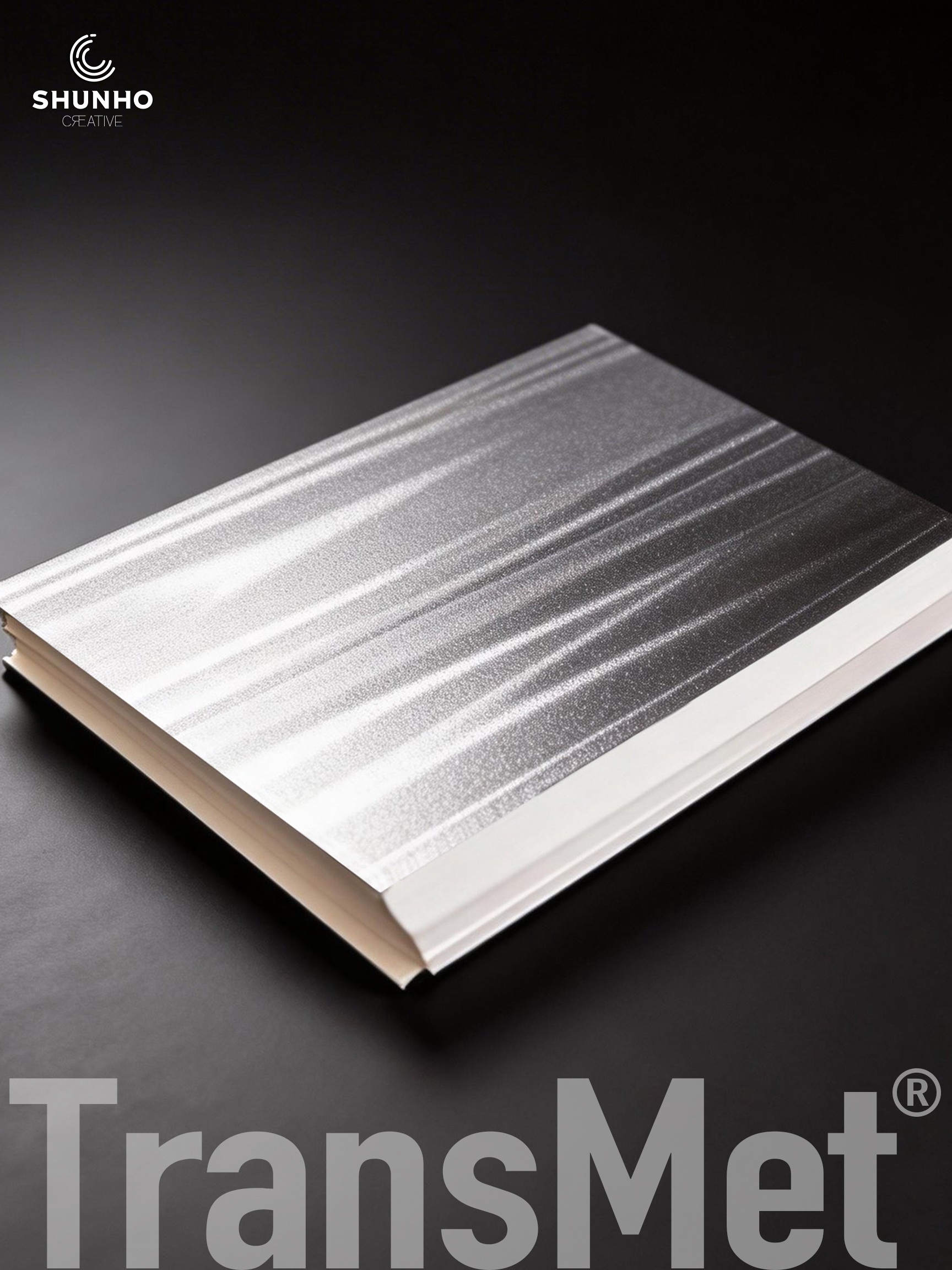
Understanding the technical specifications of holographic wrapping paper is critical for ensuring it fits your application. Key specifications to consider include:
Material Composition: Most holographic wrapping papers are made from a base paper that is coated with a holographic film. This film can vary in thickness, typically measured in micrometers, which affects the durability and flexibility of the metallic holographic paper.
Weight: The weight of the paper, often expressed in grams per square meter (GSM), indicates its thickness and sturdiness. For instance, a paper with a GSM of 90-120 is generally suitable for lightweight products, while heavier options may be needed for more substantial items.
Adhesive Properties: If the wrapping paper is intended for use in packaging applications, consider the adhesive strengths if it comes with a self-adhesive backing. This will determine how well it holds during shipping and display.
Finish and Coating: The type of coating can influence printability and visual appeal. A gloss finish enhances shine but may require specific inks for printing, while a matte finish can provide elegance and reduce glare.
These specifications not only impact the aesthetic appeal of the packaging but also its performance in various conditions.
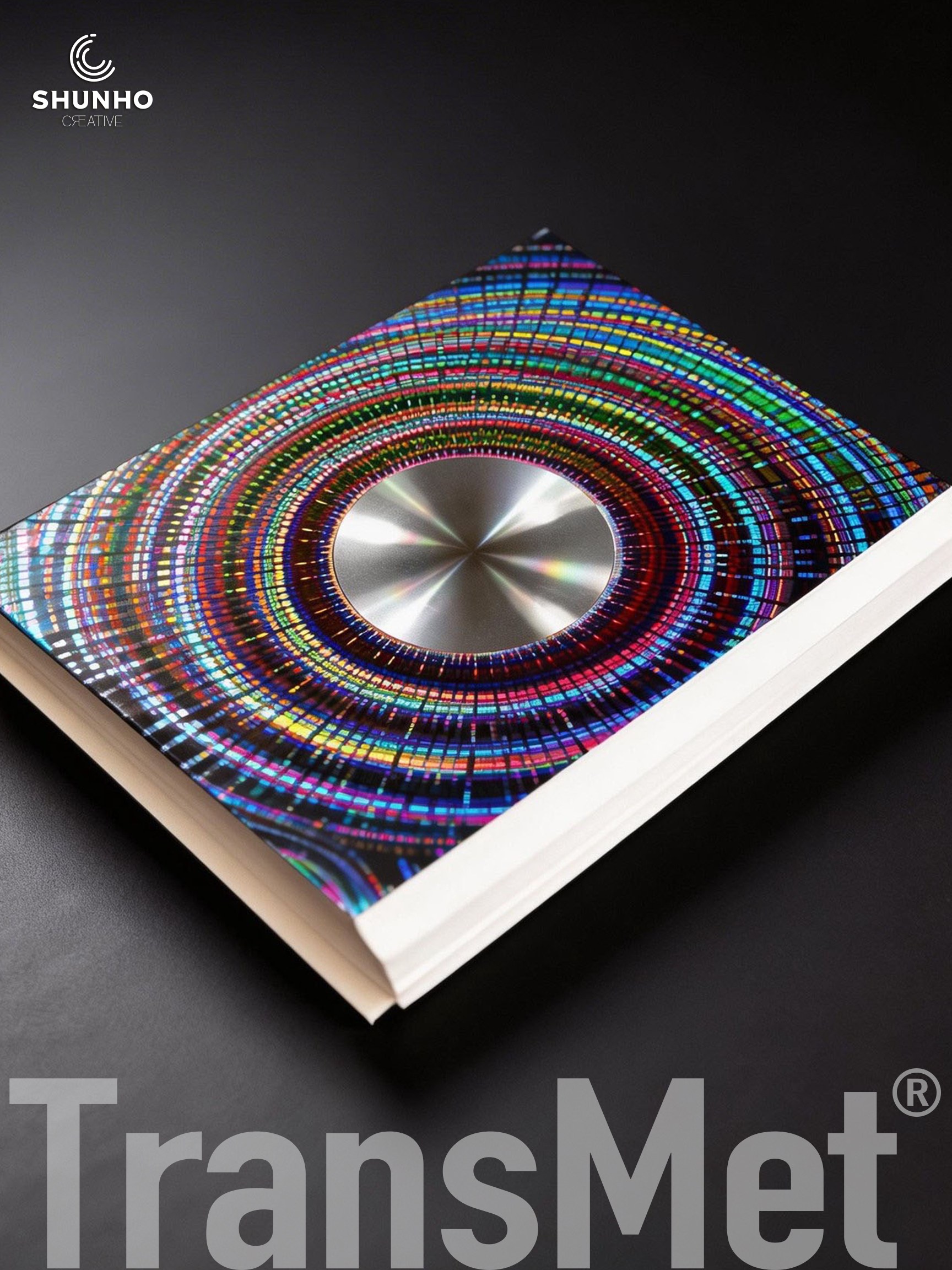
When evaluating the quality of holographic wrapping paper for bulk orders, it is essential to implement a thorough quality assurance process. Start by requesting samples to assess the visual quality and tactile feel of the paper. Check for uniformity in the holographic patterns, as inconsistencies can affect the overall perception of your brand.
Examine the paper's durability by testing it under conditions similar to its intended use. For example, consider factors like abrasion resistance, moisture exposure, and temperature fluctuations. A reliable supplier should provide data on these performance metrics.
Additionally, engage in discussions about quality control processes employed by the manufacturer. Understanding their testing protocols, such as tensile strength and tear resistance tests, can provide insights into the longevity and reliability of the wrapping paper. Look for certifications or third-party testing results that validate the product's quality.
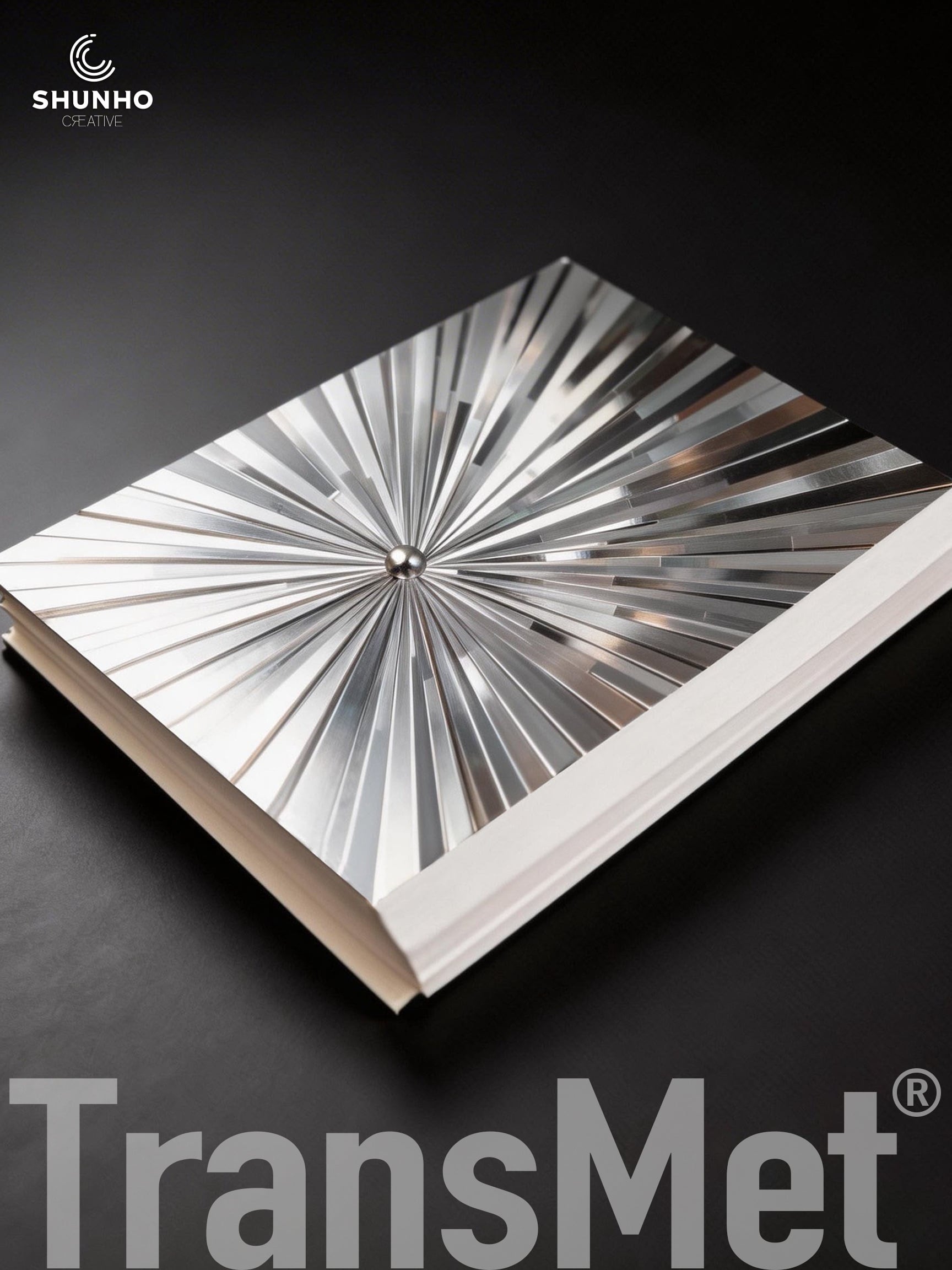
Holographic wrapping paper serves a wide range of applications across multiple industries:
Electronics: In the electronics sector, holographic wrapping paper provides an attractive packaging solution that enhances brand visibility while protecting delicate components from static and physical damage.
Cosmetics: The beauty industry often utilizes holographic wrapping paper to create eye-catching packaging that reflects luxury. It appeals to consumers looking for high-end products, making it a popular choice for cosmetics and skincare brands.
FMCG: Fast-moving consumer goods, such as food and beverages, can benefit from holographic wrapping paper to enhance shelf appeal. The vibrant visuals can draw customers' attention, promoting impulse purchases.
Understanding these applications can help you align your packaging choices with industry standards and consumer expectations.
With Holographic paper sticker, REACH, FDA 21 CFR 176.170, (EU) No 10/2011, TUV OK COMPOST HOME, RECYCLABLE, ISO 9001/14001/45001, CNAS, PATENTS and other environmental protection certificates
Most Silver holographic paper the customers come from the world's best 500 companies
Holographic silver paper, Spanish, Japanese, Korean and other languages are supported. Support the complete solution from the raw materials to the final product.
Silver holographic paper experience in international trade for more than 20 years.Laser paper has a production capacity that can go the 200,000 ton mark each year.
Several cost factors will influence your sourcing strategy for holographic wrapping paper. First, assess the material costs, as the choice of base paper and holographic film will significantly affect pricing. Eco-friendly options may carry a premium, but they can also enhance your brand's image.
Next, consider the manufacturing process and lead times. Suppliers with advanced technologies, such as vacuum transfer metalizing, can produce high-quality holographic wrapping paper efficiently, potentially lowering costs for bulk orders. Be sure to inquire about minimum order quantities (MOQs) and any potential discounts for larger purchases.
Additionally, factor in shipping and handling costs, especially if you are sourcing from international suppliers. Evaluate the logistics to ensure timely delivery without incurring unexpected expenses. A comprehensive understanding of these cost factors will enable you to make a well-informed purchasing decision that aligns with your budget and quality expectations.
 EN
 AR
 HR
 CS
 DA
 NL
 FI
 FR
 DE
 EL
 HI
 IT
 JA
 KO
 NO
 PT
 RU
 ES
 TL
 ID
 VI
 HU
 TH
 TR
 MS
 GA
 CY
 MK
 HY
 PL