Holographic wrapping paper is an innovative packaging solution that adds a distinctive shine and visual appeal to products across various industries. With eco-friendliness becoming increasingly important, businesses are looking for sustainable options that still offer aesthetic appeal. This article will explore essential specifications of wrapping holographic paper, sourcing suppliers, common challenges, installation tips, and the benefits of opting for eco-friendly options. By understanding these aspects, purchasing managers and product managers can make informed decisions that align with their packaging objectives while meeting environmental standards.
When considering wrapping paper holographic for bulk orders, several specifications are crucial for ensuring product suitability. Key specifications include thickness, material composition, and surface finish.
Thickness: The thickness of the holographic wrapping paper directly influences its durability and usability. A thicker paper generally offers better tear resistance and a more premium feel, making it suitable for high-end holographic printing paper products. Common thicknesses range from 70 to 150 gsm (grams per square meter), with thicker options providing enhanced protection.
Material Composition: The choice of material affects the paper's recyclability and environmental impact. At Shunho Creative, our signature TransMet paper features a plastic-free composition, ensuring that it is fully recyclable and degradable. This is particularly appealing for companies committed to sustainability.
Surface Finish: The surface finish can impact visual appeal and functionality. Glossy finishes enhance the holographic effect, while matte options may be suitable for more subdued aesthetics. Consideration should be given to the intended product display and branding when selecting the finish.
Custom Variations: Custom designs, including printed logos or unique holographic patterns, can differentiate products. Discuss customization capabilities with suppliers to ensure they can meet specific branding requirements.
By carefully evaluating these specifications, buyers can select the ideal holographic wrapping paper that aligns with their product and brand vision.
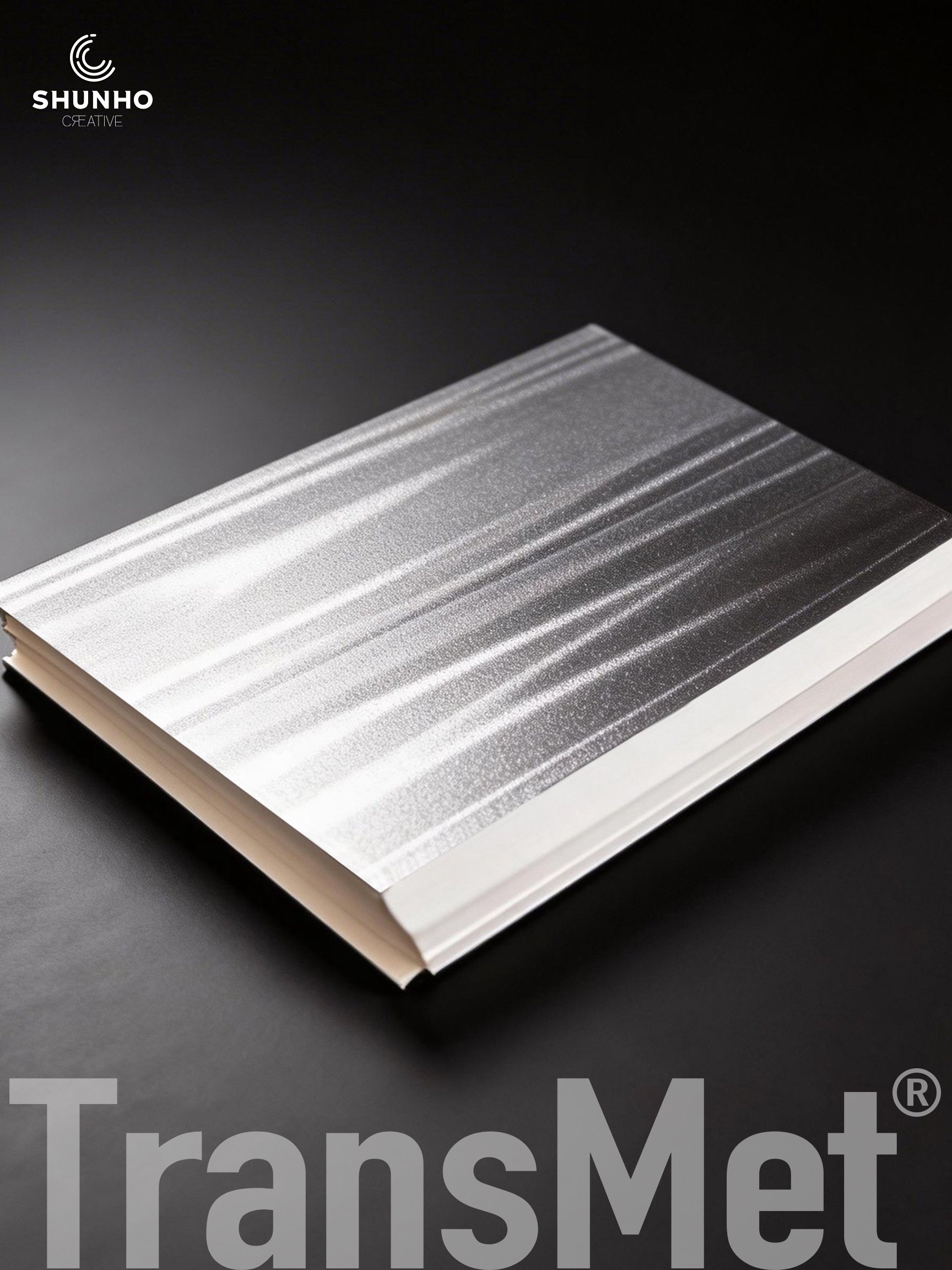
Identifying reliable suppliers of wrapping paper holographic is vital for ensuring consistent quality and timely delivery. Here are some strategies for sourcing reputable suppliers:
Industry Directories: Utilize industry directories and platforms such as ThomasNet or Alibaba to find manufacturers specializing in packaging materials. Look for suppliers with positive reviews and established reputations.
Trade Shows: Attending trade shows related to packaging, such as Pack Expo, offers opportunities to meet suppliers face-to-face, examine product samples, and discuss customization options directly.
Request Samples: Before placing bulk orders, request samples from potential suppliers. This allows for firsthand evaluation of paper quality, print quality, and the actual holographic effect.
Certifications: Verify that suppliers hold relevant certifications indicating compliance with environmental standards, such as ISO 14001 for environmental management. This helps ensure that the materials used are sustainable.
Local vs. International Sourcing: Consider the implications of local versus international sourcing. Local suppliers can offer faster shipping times and reduced costs for smaller orders, while international suppliers may provide lower prices for large quantities.
By employing these sourcing strategies, purchasing managers can identify trustworthy suppliers that meet their specific needs for holographic wrapping paper.
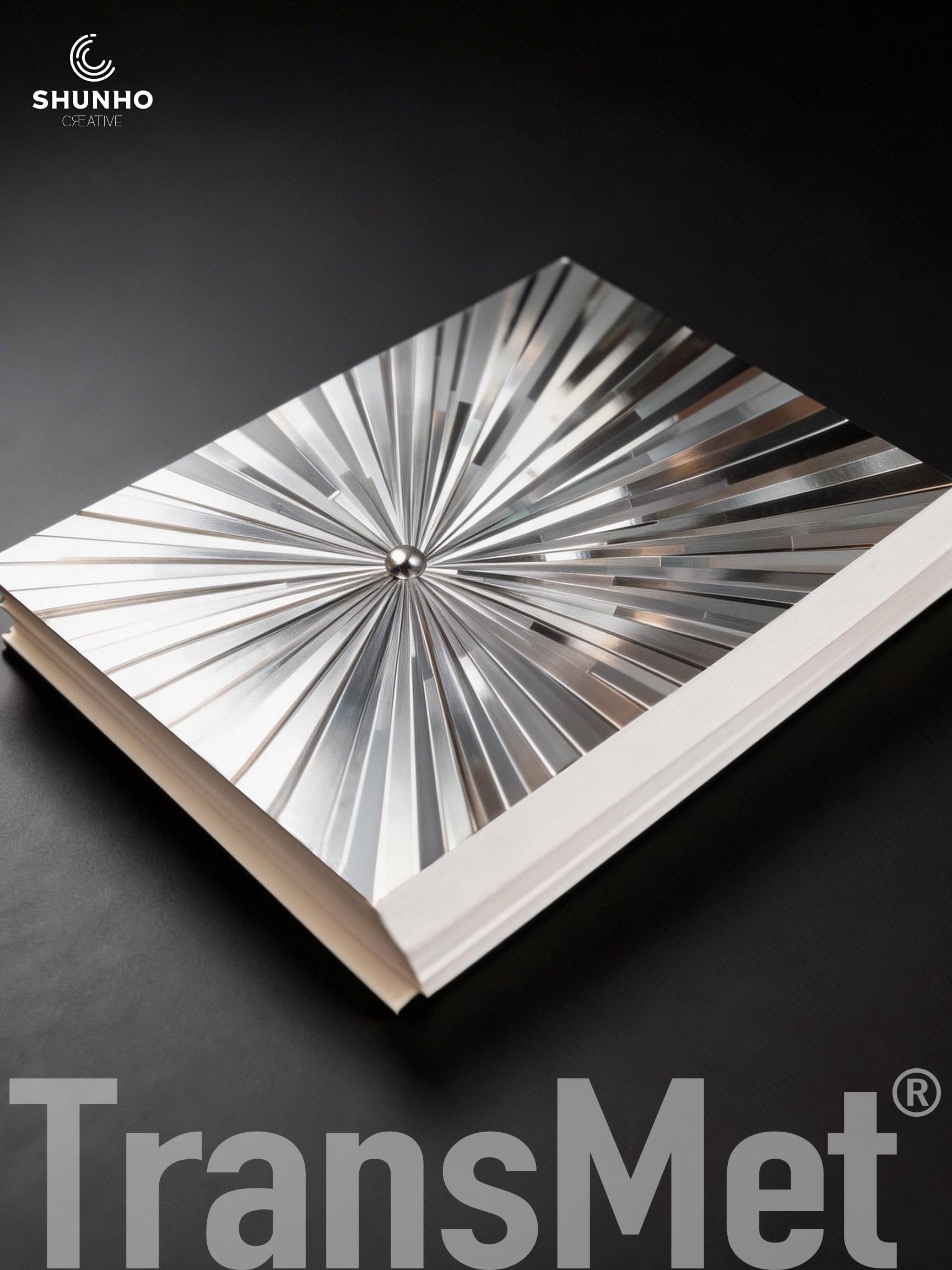
While wrapping paper holographic offers various benefits, buyers may encounter specific challenges during production and application. Here are common problems and their solutions:
Quality Control Issues: Variability in print quality or the holographic effect can occur between batches. Implementing a robust quality control process is essential. Require suppliers to provide quality assurance documentation and conduct regular checks on samples to ensure consistency.
Adhesive Compatibility: Some adhesives may not bond well with holographic finishes, leading to peeling or lifting during application. Testing adhesives on samples before full production is advisable. Consider using adhesives specifically designed for shiny surfaces to improve adhesion.
Moisture Sensitivity: Holographic paper can be sensitive to moisture, which may cause warping or degradation. Ensure proper storage conditions and consider moisture-resistant coatings if the packaging will be exposed to humid environments.
Limited Customization: Not all suppliers may offer extensive customization options. When sourcing, discuss specific needs upfront to ensure the supplier can accommodate unique designs or sizes.
By anticipating these challenges and implementing the suggested solutions, buyers can optimize their use of holographic wrapping paper, ensuring a successful application.
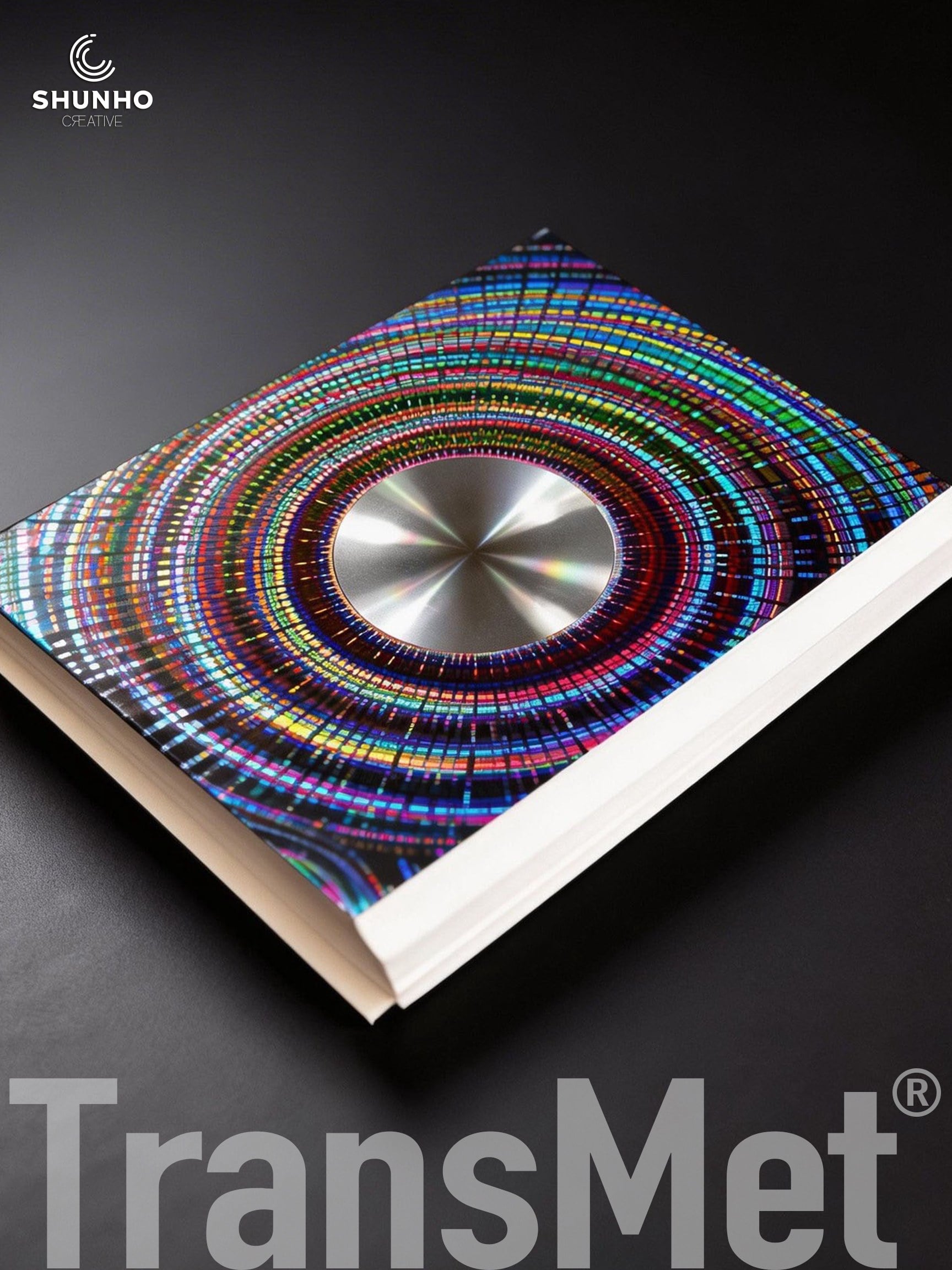
Proper installation of wrapping paper holographic is crucial for achieving the desired aesthetic and functional outcomes. Here are some practical tips for effective installation:
Pre-Installation Preparation: Ensure that the surfaces to be wrapped are clean and dry. Any dust or moisture can interfere with adhesion and appearance.
Cutting and Sizing: Measure and cut the wrapping paper to the required dimensions before application. It's advisable to cut slightly larger than needed to allow for adjustments during the wrapping process.
Use of Tools: Employ tools such as a bone folder or a smoothing tool to ensure that the paper adheres smoothly to the product. This helps eliminate air bubbles and wrinkles for a professional finish.
Temperature Considerations: Installation should be carried out in a suitable temperature range. Extreme heat or cold can affect the paper's flexibility and adhesive properties, leading to poor application results.
Sealing Edges: To enhance durability, consider sealing the edges of the wrapped product with tape or an adhesive that is compatible with the holographic finish. This prevents peeling and ensures longevity.
By following these installation tips, companies can ensure that their holographic wrapping paper is applied efficiently, enhancing the visual appeal of their products.
With Holographic paper sticker, REACH, FDA 21 CFR 176.170, (EU) No 10/2011, TUV OK COMPOST HOME, RECYCLABLE, ISO 9001/14001/45001, CNAS, PATENTS and other environmental protection certificates
Holographic check paper majority of customers are from the world's most prestigious 500
Holographic silver paper experience in international trade for more than 20 years.Laser paper has a production capacity that can go the 200,000 ton mark each year.
Holographic paper for English, Spanish and Japanese is available.
Choosing eco-friendly wrapping paper holographic presents numerous advantages, aligning with sustainability goals while offering appealing aesthetics. Here are key reasons to consider eco-friendly options:
Sustainability: Eco-friendly holographic wrapping paper, such as that made from Shunho's TransMet paper, is produced without plastic and is fully recyclable. This aligns with the growing consumer demand for sustainable packaging solutions and reduces environmental impact.
Brand Image: Utilizing eco-friendly materials can enhance a company's brand image and appeal to environmentally conscious consumers. By promoting sustainable practices, businesses can differentiate themselves in a competitive market.
Compliance with Regulations: Increasingly, regulations are favoring environmentally friendly packaging options. Choosing eco-friendly wrapping paper helps companies stay ahead of regulatory requirements and avoid potential fines.
Consumer Preference: Research indicates that consumers are willing to pay a premium for products that use sustainable packaging. By adopting eco-friendly holographic wrapping paper, companies can tap into this growing market segment.
Innovation and Creativity: Eco-friendly materials can still provide impressive visual effects, allowing for creative packaging solutions that attract customers while adhering to sustainability principles.
By selecting eco-friendly wrapping paper holographic, companies can achieve their packaging goals while contributing positively to the environment.
Understanding the specifications, sourcing options, potential challenges, and installation techniques of wrapping paper holographic empowers B2B buyers to make informed purchasing decisions. Embracing eco-friendly options not only meets consumer demands but also enhances brand reputation in today's environmentally conscious marketplace.
 EN
 AR
 HR
 CS
 DA
 NL
 FI
 FR
 DE
 EL
 HI
 IT
 JA
 KO
 NO
 PT
 RU
 ES
 TL
 ID
 VI
 HU
 TH
 TR
 MS
 GA
 CY
 MK
 HY
 PL