Choosing the right wrapping paper for boxes can significantly impact the presentation and protection of products during shipping and storage. As B2B buyers, your main concerns often revolve around quality, sustainability, and cost-effectiveness. This article will provide insights into selecting the right wrapping paper for boxes, focusing on eco-friendly options, material specifications, quality evaluation, and supplier reliability.
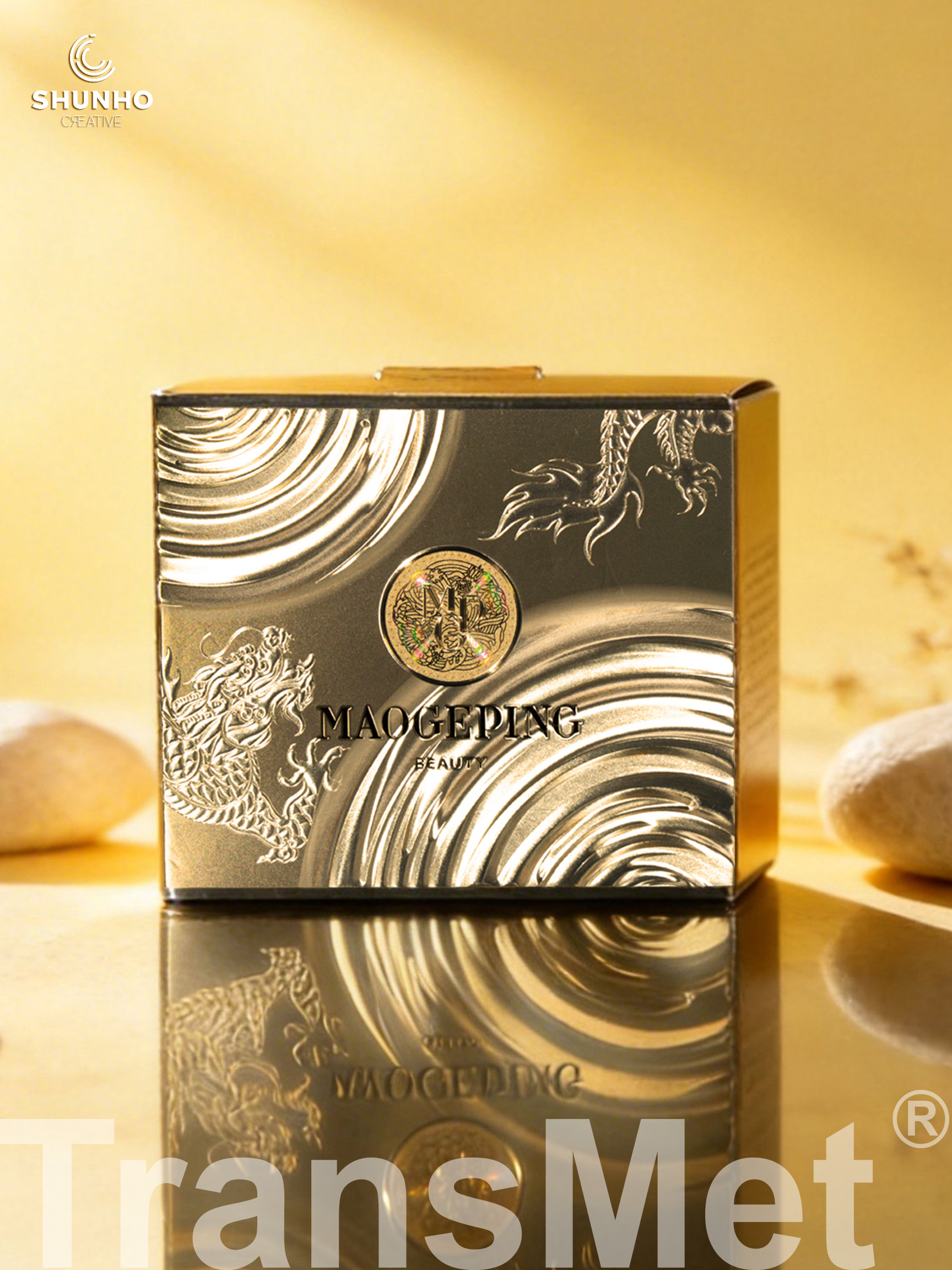
When selecting wrapping paper box in bulk, several factors come into play. First, consider the type of products being packaged. Electronics, cosmetics, and FMCG items may require different levels of protection and aesthetic appeal. For instance, Shunho Creative's signature TransMet paper, known for its plastic-free composition and advanced aluminum layer, excels in protecting sensitive electronics while also appealing to eco-conscious consumers.
Next, evaluate the level of customization required. Bulk orders often allow for tailored solutions, such as specific dimensions, colors, or printing options, to align with your branding. Additionally, consider the minimum order quantities (MOQ) and lead times suggested by potential suppliers to ensure that your inventory management aligns with production schedules.
Lastly, sustainability is crucial. As consumers increasingly demand eco-friendly products, opting for recyclable and degradable wrapping materials can enhance your brand's reputation and meet market expectations.
When choosing eco-friendly wrapping paper for boxes, key specifications should be considered:
Material Composition: Look for papers made from renewable resources. Shunho Creative's TransMet paper is a prime example, being fully recyclable and produced without plastics. This not only reduces environmental impact but also appeals to a growing market segment focused on sustainability.
Thickness and Weight: The paper's thickness affects its durability and ability to protect contents during transit. A balance must be struck between sturdiness and flexibility. Thicker papers may provide better protection but can increase shipping costs due to weight.
Barrier Properties: Depending on the application, you may need wrapping paper with specific barrier properties to protect against moisture, dust, or UV light. For instance, products in the cosmetics industry may require additional protection to maintain integrity and presentation.
Surface Finish: The paper’s surface finish can affect both aesthetics and functionality. A smooth finish may be ideal for printing logos or designs, while a textured finish can enhance grip and tactile appeal.
Evaluating the quality of wrapping paper is vital to ensure it meets your product protection and branding needs. Here are some practical steps:
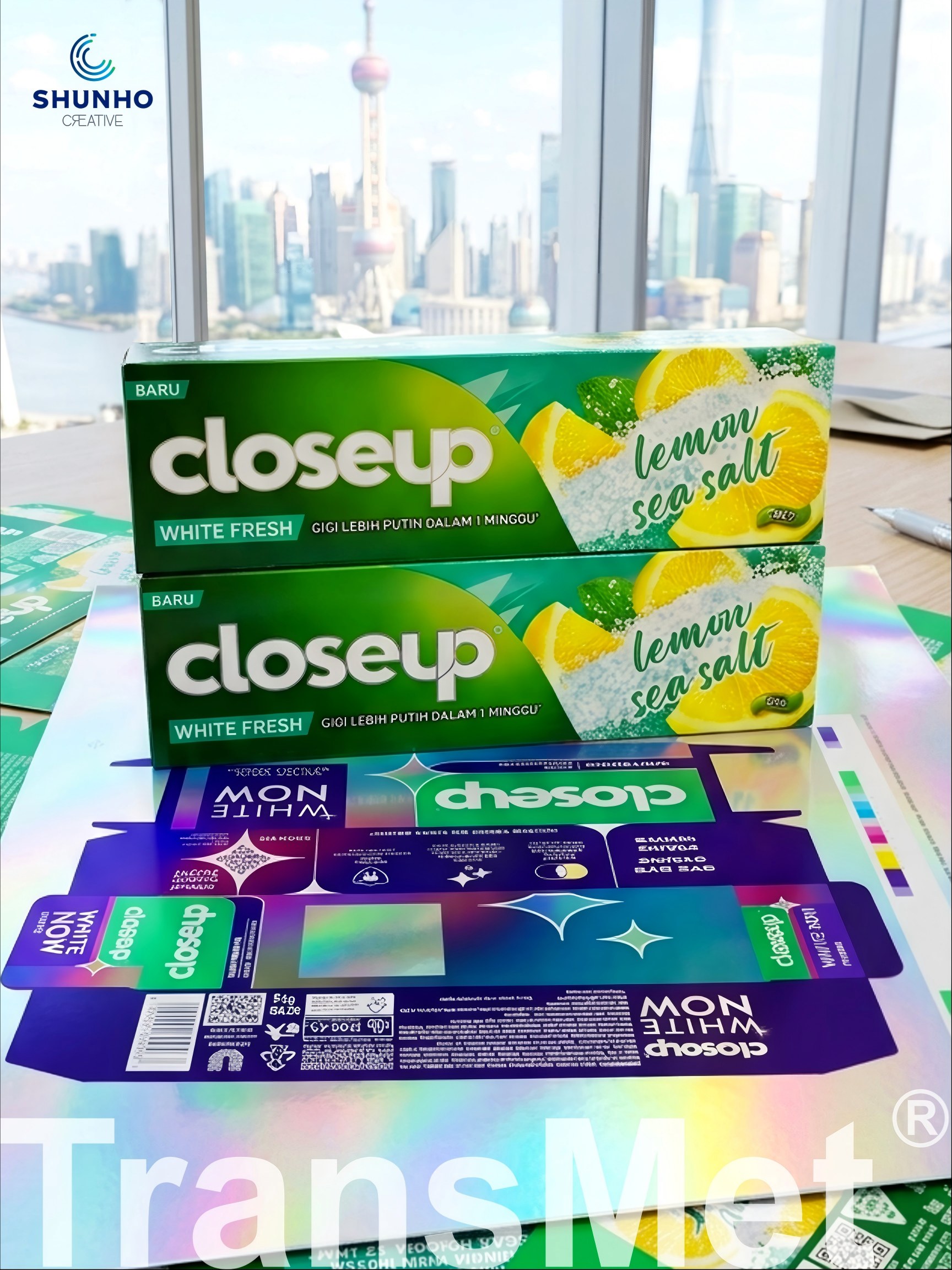
Sample Testing: Before committing to a bulk order, request samples. This allows you to assess the paper's texture, thickness, and print quality. In particular, check how it performs under real-world conditions, such as whether it tears easily or maintains its appearance after handling.
Certifications: Verify if the rainbow wrapping paper has relevant environmental certifications such as FSC (Forest Stewardship Council) or equivalent. These certifications indicate sustainable sourcing practices, which can be crucial for your brand image.
Supplier Reputation: Research potential suppliers to ensure they have a track record of quality and reliability. Look for reviews or testimonials from other B2B buyers within your industry. Consider suppliers who specialize in eco-friendly products, as they are likely to have a deeper understanding of your needs.
Quality Assurance Processes: Inquire about the supplier's quality control measures. Reliable manufacturers will have rigorous testing protocols to ensure product consistency and performance across different production batches.
Finding a dependable supplier for wrapping paper is essential in maintaining supply chain integrity. Start by evaluating suppliers based on the following criteria:
Industry Experience: Suppliers with extensive experience in packaging materials, particularly in your target sectors like electronics or cosmetics, are often better equipped to meet specific needs.
Production Capacity: Assess if the supplier has the capacity to handle your order volume. Shunho Creative, for instance, boasts an annual production capacity of 200,000 tons, ensuring they can meet large-scale demands.
Customization Options: Look for suppliers who offer customization capabilities, whether in dimensions, printing, or material types. This flexibility can help differentiate your products in the market.
Customer Support: A responsive customer service team can be invaluable. Ensure the supplier is willing to collaborate closely with you to address any concerns or modifications needed throughout the ordering process.
Holographic paper experience in international trade for more than 20 years.Laser paper has a production capacity that can go the 200,000 ton mark each year.
With Holographic paper sticker, REACH, FDA 21 CFR 176.170, (EU) No 10/2011, TUV OK COMPOST HOME, RECYCLABLE, ISO 9001/14001/45001, CNAS, PATENTS and other environmental protection certificates
Holographic sticker paper for English, Spanish and Japanese is available.
Rainbow wrapping paper majority of customers are from the world's most prestigious 500
Wrapping paper for boxes is versatile and finds applications across multiple industries:
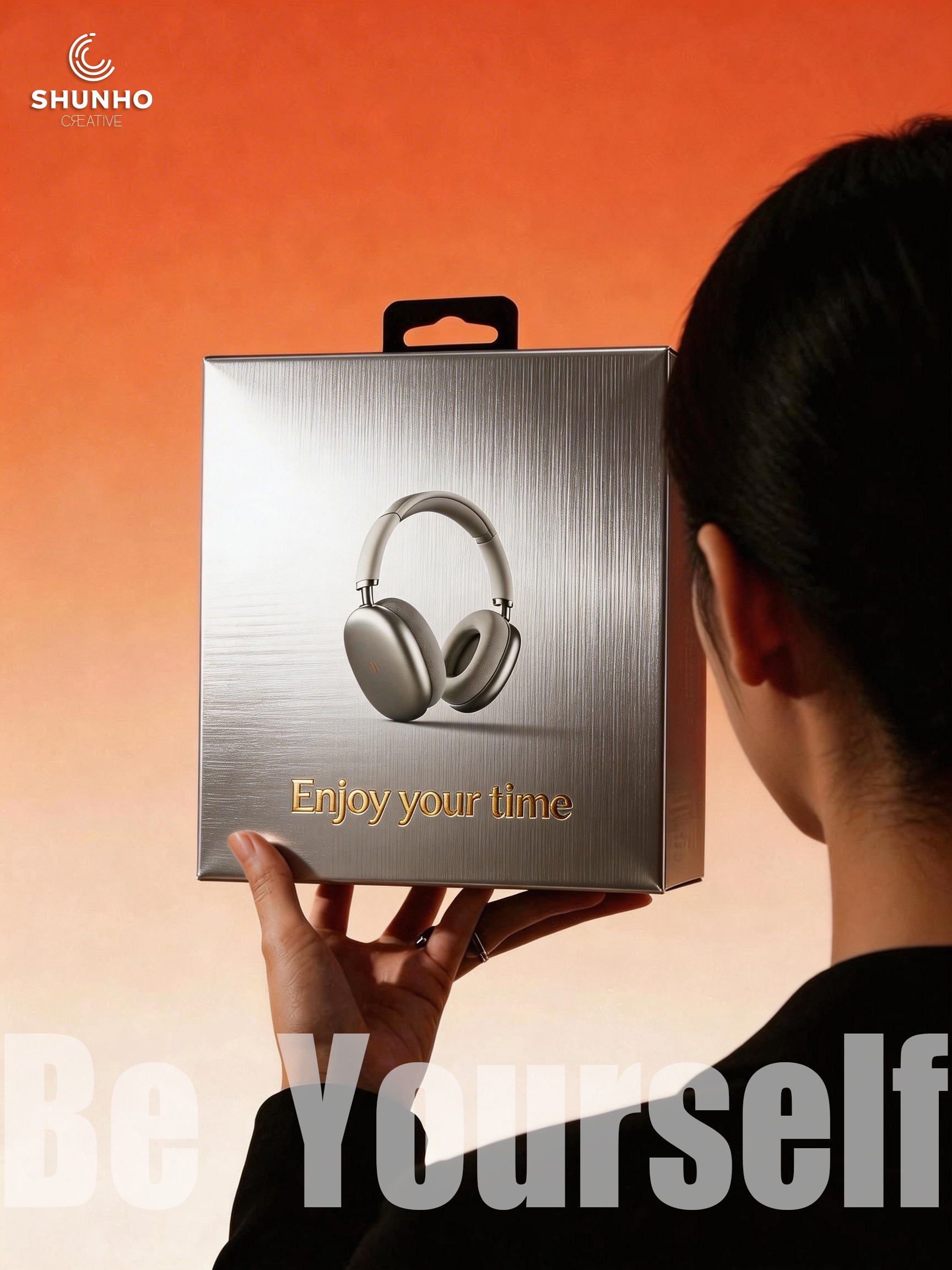
Electronics: In the electronics industry, wrapping paper must provide adequate protection against static, moisture, and physical damage. Materials like Shunho's TransMet paper, with its aluminum layer, can help mitigate these risks while offering an attractive presentation.
Cosmetics: Products in the cosmetics sector benefit from wrapping papers that enhance visual appeal while providing protection. Eco-friendly options resonate well with consumers who prioritize sustainable products.
FMCG (Fast-Moving Consumer Goods): For FMCG products, wrapping paper is often required to be lightweight yet durable, ensuring that products remain intact during transit and storage. Custom branding on wrapping paper can also play a significant role in attracting consumer attention on retail shelves.
Gifts and Retail: In retail, holographic wrapping paper for boxes can enhance customer experience. High-quality, aesthetically pleasing wrapping can increase perceived value and customer satisfaction.
By understanding the specific needs of different applications, B2B buyers can select the most appropriate wrapping paper solutions that align with their product requirements and market trends.
Selecting the right wrapping paper for boxes involves careful consideration of material specifications, quality evaluation, and supplier reliability. By focusing on eco-friendly options, you can meet the needs of your business while contributing to sustainability efforts in the packaging industry.
 EN
 AR
 HR
 CS
 DA
 NL
 FI
 FR
 DE
 EL
 HI
 IT
 JA
 KO
 NO
 PT
 RU
 ES
 TL
 ID
 VI
 HU
 TH
 TR
 MS
 GA
 CY
 MK
 HY
 PL