Eco-friendly packaging materials, such as wrapper boxes, play a crucial role in meeting the rising demand for sustainable solutions in various industries. This article will delve into essential considerations when selecting eco-friendly packaging materials, specifically focusing on the unique offerings of Shunho Creative, including their whiteboard, laminated paper, and signature plastic-free TransMet paper. B2B buyers, especially purchasing managers and product managers, often face challenges around material selection, quality evaluation, and supplier partnerships. The guidance provided here will equip you with the insights necessary to make informed decisions.
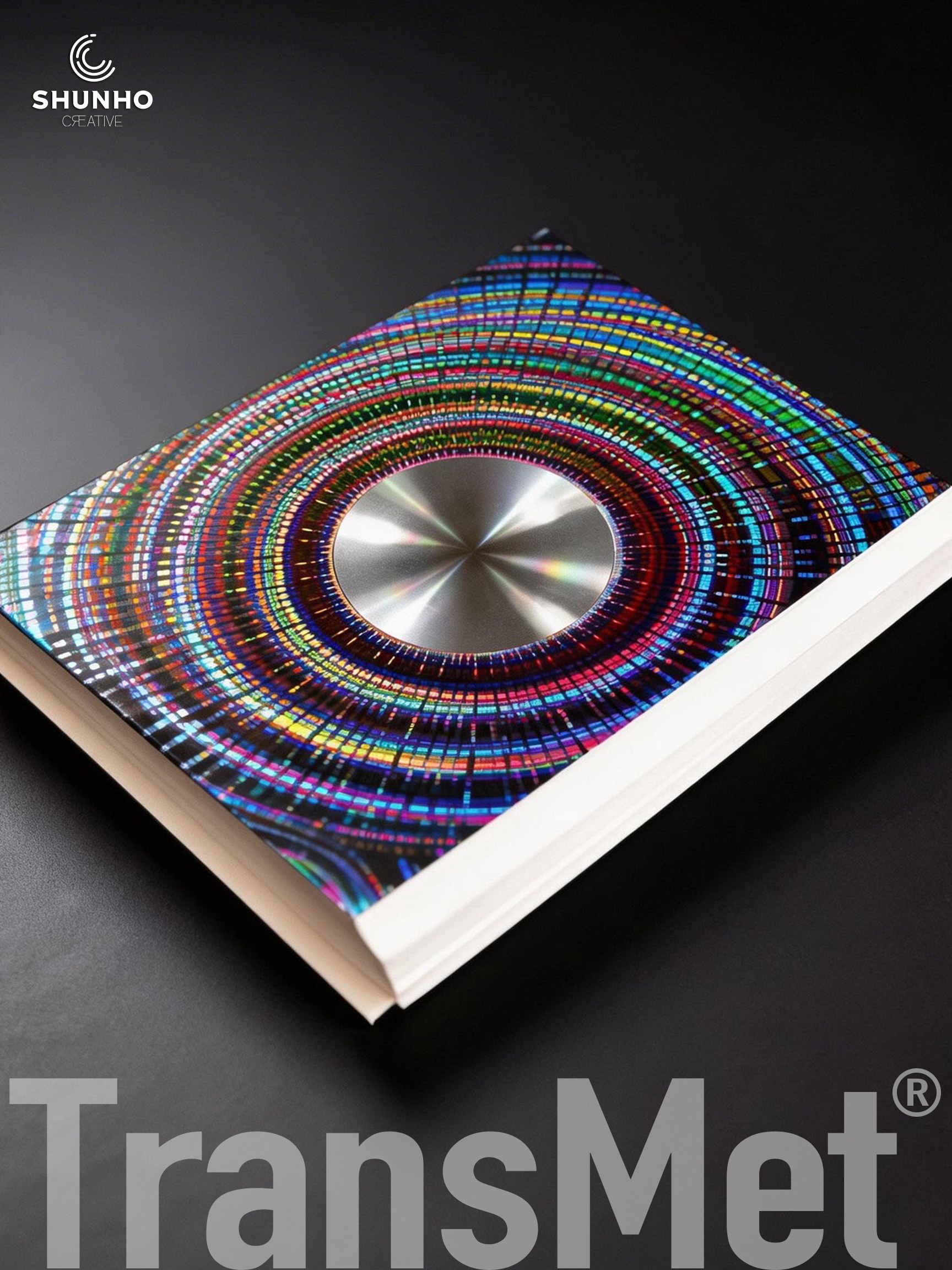
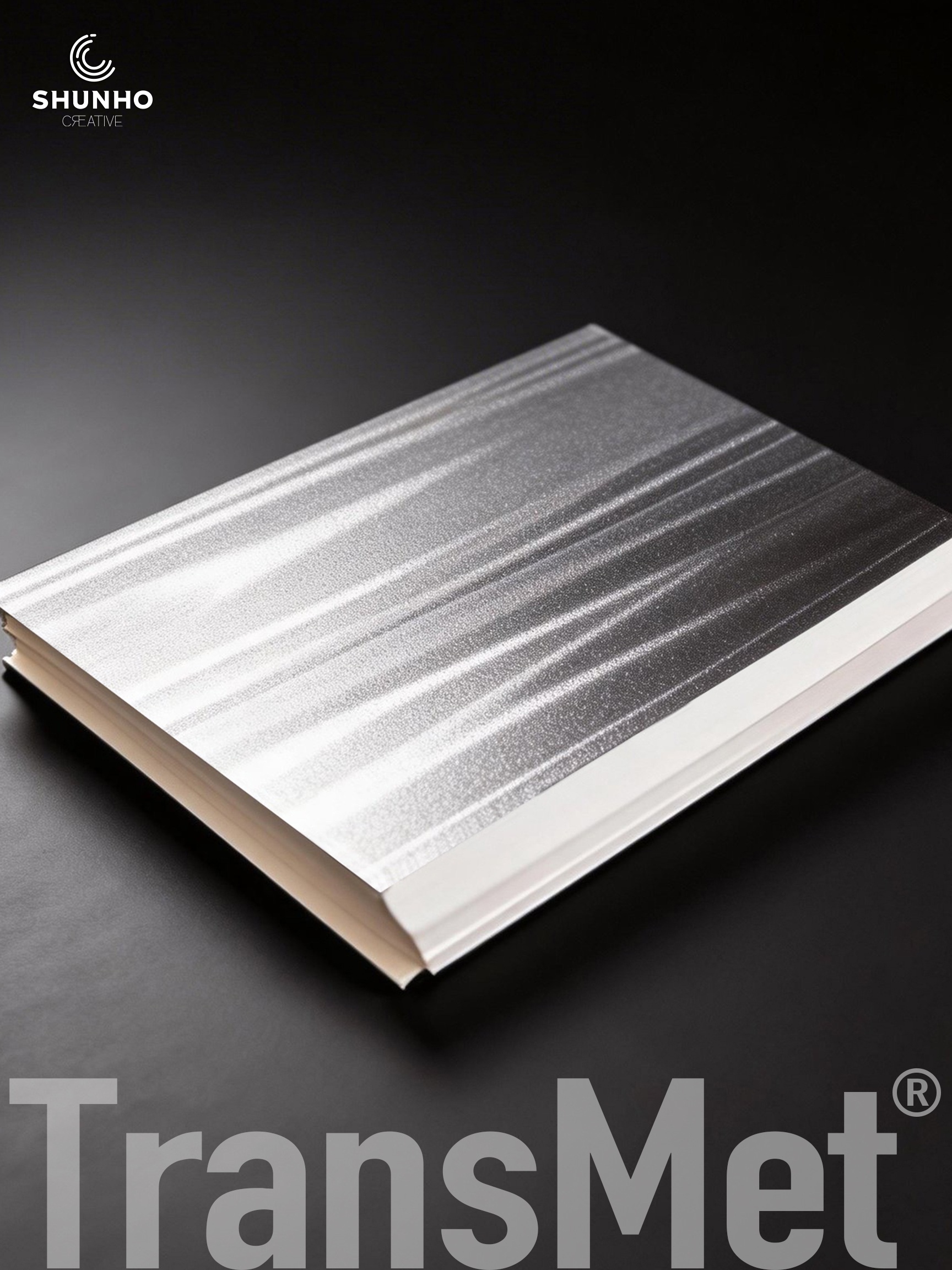
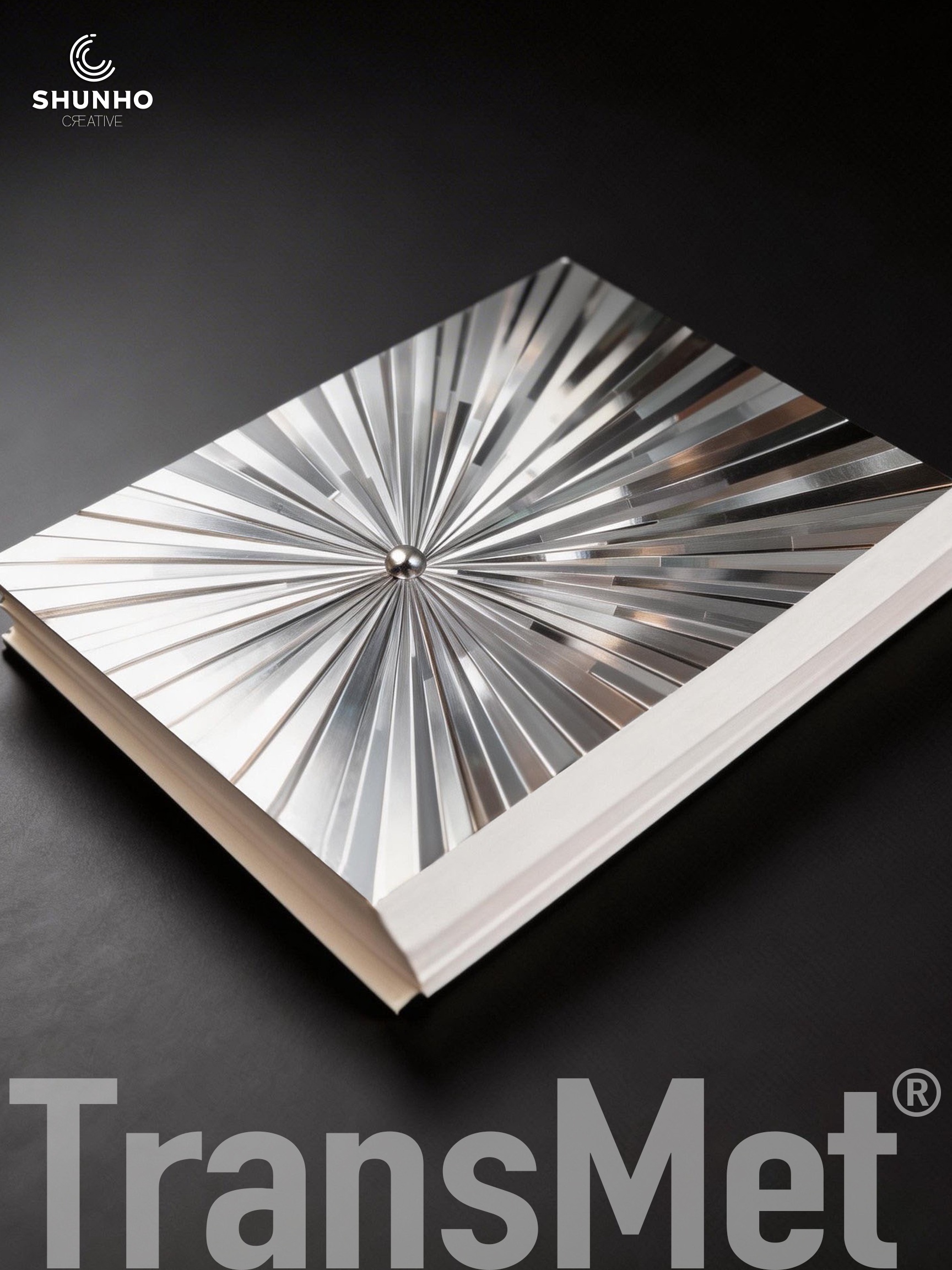
When selecting eco-friendly packaging materials, it is vital to consider the specific application and environmental impact. Key factors include the material's barrier properties, structural integrity, and end-of-life options. For instance, Shunho Creative's TransMet paper, featuring a 30nm aluminum layer, offers excellent moisture and oxygen barriers, making it suitable for products in the electronics and cosmetics industries.
Additionally, consider the production process and sustainability aspects. Materials should ideally be sourced from renewable resources and be fully recyclable or biodegradable. Shunho Creative’s commitment to plastic-free wrapping paper box solutions aligns with the growing demand for sustainable packaging, allowing businesses to enhance their environmental profile while maintaining product integrity.
Quality assessment of packaging materials is critical for ensuring product safety and longevity. Buyers should evaluate several key specifications:
Material Thickness: This affects both the durability and the barrier properties of the packaging. A thicker material may provide better protection but could lead to increased costs.
Sealing Integrity: The packaging must maintain a secure seal to prevent contamination or spoilage. Testing should include checking for leaks and ensuring the materials can withstand the intended distribution conditions.
Visual Appearance: The aesthetic quality of the packaging can influence consumer perception. Samples should be reviewed for color consistency, print quality, and surface finish.
Compliance: Ensure that the materials meet industry regulations and standards relevant to your specific market, especially in sectors like food and cosmetics.
By rigorously assessing these aspects, buyers can avoid costly production issues and ensure a high-quality final product.
Establishing successful partnerships with suppliers of eco-friendly packaging requires clear communication and mutual understanding. Consider the following factors:
Customization Capabilities: Determine if the supplier can meet specific design and functionality requirements. Shunho Creative specializes in customized solutions, allowing for tailored packaging that meets unique brand needs.
Production Capacity: Understanding a supplier's production capabilities is essential for meeting delivery timelines. With an annual productivity of 200,000 tons, Shunho Creative is well-equipped to handle large orders without compromising quality.
Quality Assurance Processes: Inquire about the supplier’s quality control measures to ensure consistent product performance. Look for gift wrapping boxes suppliers who conduct thorough testing during and after production.
Sustainability Practices: Evaluate the supplier's commitment to sustainability not just in their products, but also in their manufacturing processes and supply chain practices.
By aligning expectations and ensuring open lines of communication, businesses can foster strong partnerships that support mutual growth.
Finding reliable sources for sustainable packaging materials can be challenging. Here are some strategies:
Industry Trade Shows: Attend relevant trade shows and exhibitions to meet potential suppliers, examine materials firsthand, and discuss specific requirements.
Online Directories: Utilize B2B marketplaces and industry-specific directories to find manufacturers specializing in eco-friendly solutions. Look for suppliers with comprehensive product lines and positive reviews.
Networking: Engage with industry peers and associations focused on sustainability. They can provide recommendations and insights into reputable suppliers like Shunho Creative.
Supplier Audits: Conduct audits of potential suppliers to verify their production capabilities, quality control processes, and sustainability practices.
By leveraging these resources, businesses can identify suppliers that align with their sustainability goals and product requirements.
With FSC, REACH, FDA 21 CFR 176.170, (EU) No 10/2011, TUV OK COMPOST HOME, Holographic stickers paper, ISO 9001/14001/45001, CNAS, PATENTS and other environmental protection certificates
The Holographic sticker paper of customers come from the top 500 companies in world.
Holographic silver paper experience in international trade for more than 20 years.Laser paper has a production capacity that can go the 200,000 ton mark each year.
Holographic sticker paper for English, Spanish and Japanese is available.
While the focus is often on the procurement of eco-friendly packaging materials, installation and application issues can arise. Here are common problems and their solutions:
Misalignment during Application: Ensure that packaging equipment is calibrated correctly to avoid misalignment of materials during the sealing process. Regular maintenance and operator training can mitigate this issue.
Inadequate Sealing: If seals are not holding, check the temperature and pressure settings on the sealing equipment. Adjust these parameters based on the material specifications provided by the supplier.
Material Compatibility: Confirm that the chosen packaging materials are compatible with the gift box wrapping paper products they will contain. For instance, certain chemicals in cosmetics may react with materials that are not designed to contain them.
Environmental Conditions: Be aware of how environmental factors such as humidity and temperature can affect the packaging's performance. Testing under varied conditions can help identify potential failures before mass production.
By anticipating these challenges and implementing proactive measures, businesses can ensure smoother installation and reduce the risk of product loss.
In summary, understanding how to choose the right eco-friendly packaging materials, evaluating their quality, establishing strong supplier partnerships, sourcing effectively, and addressing installation issues are all critical steps in the procurement process. By following these guidelines, B2B buyers can enhance their purchasing decisions and support their sustainability initiatives.
 EN
 AR
 HR
 CS
 DA
 NL
 FI
 FR
 DE
 EL
 HI
 IT
 JA
 KO
 NO
 PT
 RU
 ES
 TL
 ID
 VI
 HU
 TH
 TR
 MS
 GA
 CY
 MK
 HY
 PL
