Recyclable food packaging is an essential component of sustainable business practices in today's environmentally conscious marketplace. As companies seek to minimize their ecological footprint, the demand for eco-friendly packaging solutions is growing, particularly among purchasing managers, distributors, and product managers. This article will provide insights into the specifications, wholesale options, cost factors, common challenges, and applications of recyclable food packaging, helping buyers make informed decisions for their companies.
When evaluating recyclable food packaging, several key specifications are crucial to ensure the product meets the intended use and performance requirements:
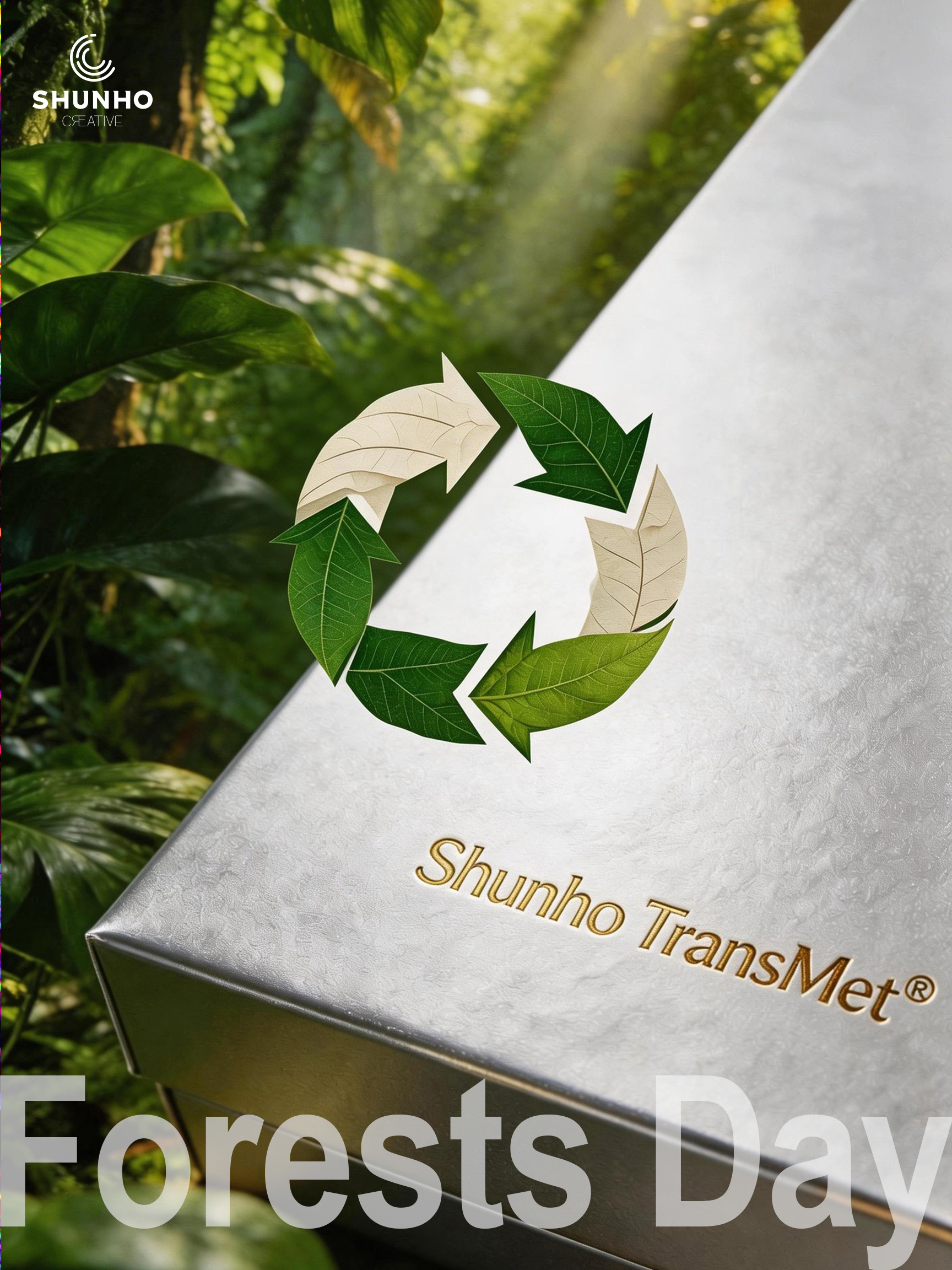
Material Composition: The choice of materials significantly affects the packaging's barrier properties, durability, and recyclability. For instance, Shunho Creative's TransMet paper features a plastic-free design with a 30nm aluminum layer that enhances barrier protection while remaining fully recyclable and degradable. Additionally, options like TransMet® Lens offer innovative solutions that cater to various packaging needs.
Thickness and Weight: The thickness of the packaging material impacts its strength and rigidity. A thicker material may offer better protection during transit but could also increase costs. Buyers should balance these factors based on their product's weight and fragility.
Sealing and Closure Methods: Proper sealing is vital for maintaining product integrity. Different sealing methods, such as heat sealing or adhesive-based closures, should be chosen based on the packaging's intended use and any specific regulatory requirements for food safety.
Dimensions and Customization: Custom sizing is often necessary to fit different products. Buyers should communicate exact dimensions to ensure packaging aligns with their product specifications and minimizes material waste.
Compliance and Certifications: Ensuring that the packaging meets industry standards for food safety and recyclability is essential. Buyers should confirm any relevant certifications with their suppliers.
By understanding these specifications, buyers can select packaging that not only meets their functional needs but also aligns with sustainability goals.

When considering bulk orders of recyclable food packaging, buyers should explore various wholesale options to ensure cost-effectiveness and reliability. Suppliers like Shunho Creative, with an annual production capacity of 200,000 tons, can accommodate large orders while maintaining quality standards.
Minimum Order Quantity (MOQ): Different manufacturers may have varying MOQs, which can affect pricing and availability. It's essential to clarify these details when negotiating with suppliers.
Volume Discounts: Many suppliers offer tiered pricing structures where larger orders yield lower per-unit costs. Buyers should analyze their purchasing needs and explore potential savings through bulk ordering.
Lead Times: Understanding lead times for production and delivery is crucial for avoiding stockouts. Buyers should communicate their timelines clearly to suppliers to ensure timely fulfillment.
Shipping and Packaging: Consider the shipping methods and packaging used for bulk orders, as these factors can also impact overall costs and sustainability. Using solutions like TransMet® Holographic can enhance packaging visibility while remaining eco-friendly.
Customization Options: Suppliers may offer customization for bulk orders, including printed branding or specific sizes. Discussing these options upfront can help tailor the packaging to the buyer's needs.
By evaluating these wholesale options, purchasing managers can optimize their procurement strategy and secure the best terms for recyclable food packaging.

Understanding the various cost factors involved in purchasing recyclable food packaging is vital for buyers looking to manage budgets effectively. Key considerations include:
Material Costs: The type of material used in packaging directly influences costs. Eco-friendly materials can often be more expensive than traditional options, but they may provide long-term savings through enhanced brand loyalty and reduced waste management costs.
Production and Labor Costs: Manufacturing methods and labor costs vary by supplier. Buyers should inquire about the production process, as more complex methods may increase costs.
Shipping and Handling Fees: Transportation costs can significantly affect the final price. Factors such as distance, shipping method, and order volume should be analyzed when budgeting for packaging purchases.
Quality Control and Testing: Ensuring product quality through rigorous testing may incur additional costs. However, investing in quality control can prevent costly issues during production and distribution.
Sustainability Premiums: Some suppliers may charge a premium for sustainable practices. Buyers should weigh these costs against the potential benefits of enhanced brand reputation and compliance with regulations.
By carefully assessing these cost factors, buyers can make informed decisions and optimize their spending on recyclable food packaging.
While recyclable food packaging offers many benefits, buyers should be aware of common challenges and their potential solutions:
Compatibility Issues: Not all recyclable materials perform well with every product. For example, if the packaging lacks appropriate barrier properties, it may not protect food products adequately. Buyers should work closely with manufacturers to ensure compatibility.
Miscommunication on Specifications: Misunderstandings regarding dimensions or material specifications can lead to costly errors. Buyers should confirm all specifications through detailed discussions and written agreements.
Quality Variability: Fluctuations in quality can occur, particularly when switching suppliers. Implementing a robust quality control process, including sample approval and regular inspections, can mitigate these risks.
Limited Recycling Infrastructure: The ability to recycle packaging often depends on local infrastructure. Buyers should research recycling capabilities in their target markets and consider using materials that are widely accepted.
Consumer Education: If consumers are unaware of how to properly recycle packaging, it can lead to contamination of recycling streams. Providing clear recycling instructions on packaging can help educate consumers and improve recycling rates.
By proactively addressing these common challenges, buyers can enhance their packaging strategies and ensure successful implementation of recyclable food packaging.
Rainbow wrapping paper majority of customers are from the world's most prestigious 500
Support for English, Spanish Silver holographic paper Japanese is available.
With FSC, REACH, FDA 21 CFR 176.170, ( Holographic check paper) No 10/2011, TUV OK COMPOST HOME, RECYCLABLE, ISO 9001/14001/45001, CNAS, PATENTS and other environmental protection certificates
Experiential experience in international trade for over 20 years.The annual production capacity of laser paper could up to 200 tons.
Recyclable food packaging is versatile and finds applications across multiple industries, including:
Food and Beverage: The food industry is increasingly adopting recyclable packaging to meet consumer demand for sustainability. Products like snacks, meals, and beverages can benefit from materials that provide adequate protection while being environmentally friendly.
Cosmetics: The cosmetics industry is also moving towards eco-friendly packaging solutions. Recyclable options can enhance brand image and appeal to a growing demographic of eco-conscious consumers.
Electronics: Packaging for electronics requires careful consideration of protective properties, especially for vulnerable components. Recyclable materials that offer sufficient barrier protection while being lightweight can be ideal for this sector.
FMCG (Fast-Moving Consumer Goods): In the FMCG sector, there is a significant push for sustainable packaging solutions as brands strive to differentiate themselves. Recyclable food packaging can help companies align with sustainability goals while appealing to eco-aware consumers.
E-commerce: As online shopping continues to grow, recyclable packaging is essential for shipping products safely and sustainably. Ensuring that packaging can withstand logistics while being recyclable is crucial for e-commerce businesses.
By understanding these applications, purchasing managers can identify opportunities to implement recyclable food packaging in their operations, enhancing both sustainability and market competitiveness.
 EN
 AR
 HR
 CS
 DA
 NL
 FI
 FR
 DE
 EL
 HI
 IT
 JA
 KO
 NO
 PT
 RU
 ES
 TL
 ID
 VI
 HU
 TH
 TR
 MS
 GA
 CY
 MK
 HY
 PL