Biodegradable food packaging is gaining traction as businesses and consumers alike prioritize sustainability. This type of packaging is designed to break down naturally, reducing environmental impact and landfill waste. However, with numerous options available, B2B buyers—such as purchasing managers and product managers—often face challenges in selecting the right biodegradable food packaging that meets their operational and regulatory needs. This article will guide you through key considerations, sourcing suppliers, specifications, cost factors, and applications relevant to Shunho biodegradable paper packaging.
When selecting biodegradable food packaging, consider several critical factors. Firstly, evaluate the material composition. Biodegradable options can be made from various sources, including plant-based materials, paper, or composites. The choice of material directly impacts the packaging's performance, including its barrier properties against moisture and oxygen, which is crucial for food preservation.
Another consideration is the intended use. For instance, packaging for dry goods may require different specifications compared to that for liquids or perishable items. Additionally, think about the packaging's compatibility with your production processes. For manufacturers, it’s essential that the packaging aligns with filling and sealing machinery to avoid operational disruptions.
Lastly, regulatory compliance is paramount. Ensure that the biodegradable packaging meets local and international food safety standards and environmental regulations. This not only protects your business but also enhances your brand's reputation.
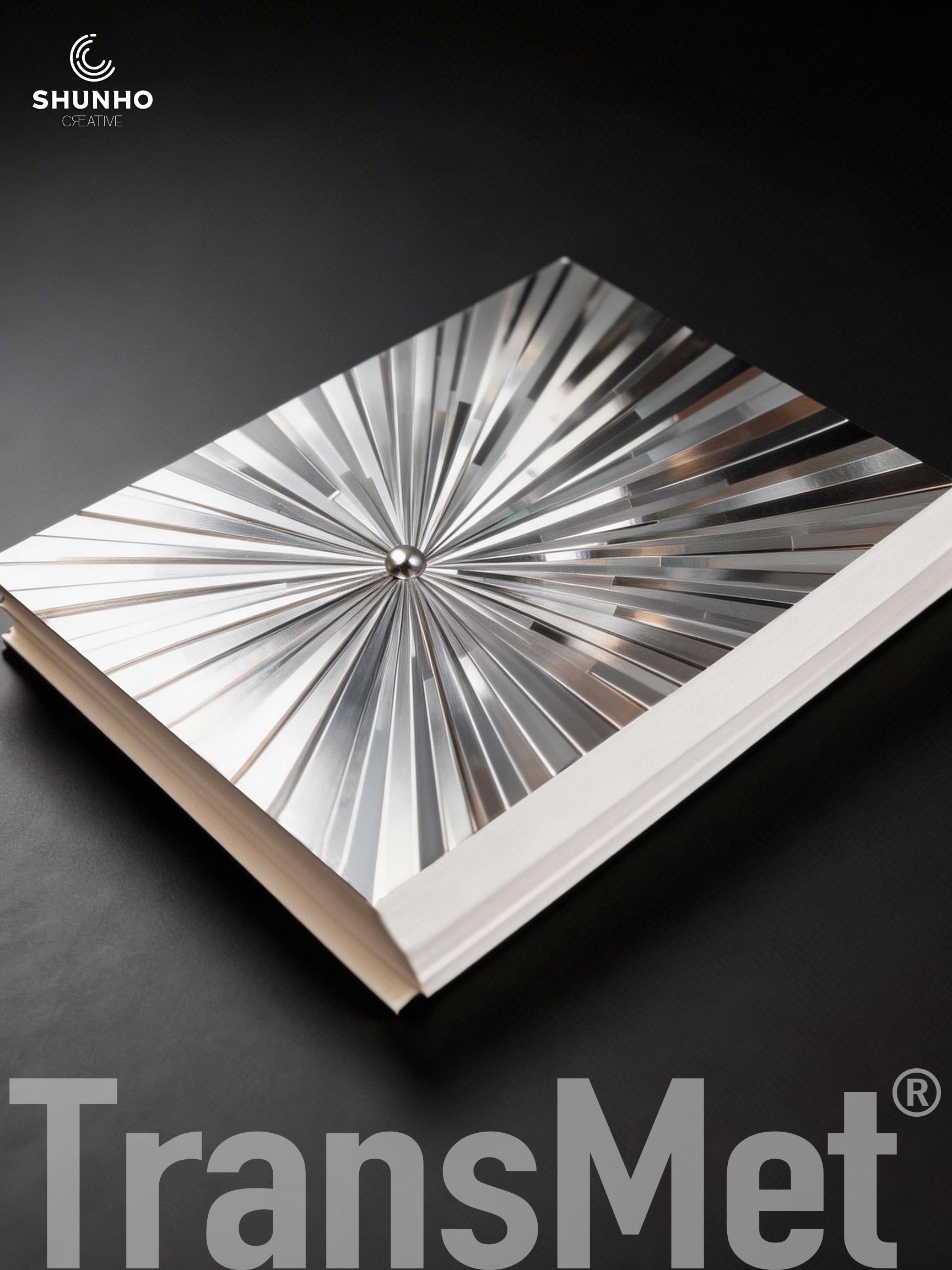
Finding trustworthy suppliers for biodegradable food packaging can significantly affect your purchasing experience. Start by searching for manufacturers that specialize in eco-friendly materials. Look for companies that have a proven track record in the industry, like Shunho Creative, known for its innovative packaging solutions.
Utilizing industry trade shows, online directories, and professional networks can also yield valuable leads. When evaluating potential suppliers, consider their production capabilities, certifications, and sustainability practices. Request samples to assess the quality of their products firsthand, focusing on factors such as durability and functionality.
Engaging in direct communication with suppliers can provide insights into their processes and lead times. This interaction can help you gauge their responsiveness and customer service, which are vital for ongoing business relationships.
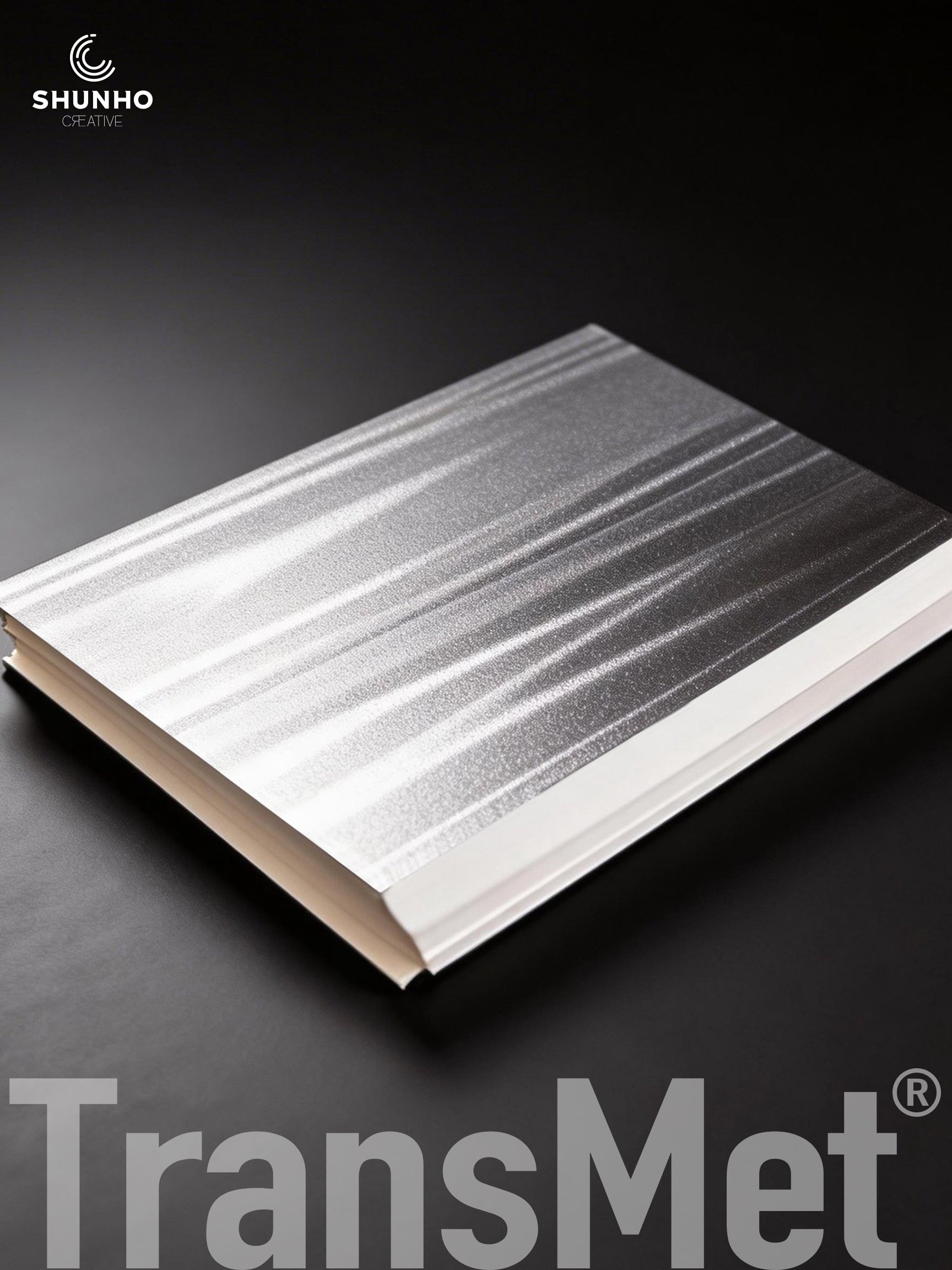
Understanding the specifications of biodegradable food packaging is crucial for ensuring it meets your needs. Key specifications to look for include:
Material Type: As previously mentioned, the material influences the packaging's performance. Bioplastics, paper, and compostable materials each have unique characteristics suitable for different applications.
Barrier Properties: Check for the packaging’s ability to protect contents from moisture, oxygen, and UV light. This will vary based on the type of food being packaged.
Thickness and Dimensions: These factors affect not only the packaging's durability but also its compatibility with existing packaging equipment. Ensure the dimensions align with your product requirements to avoid production delays.
Degradation Time: Different biodegradable materials have varying degradation timelines. Understand the expected lifecycle of the Shunho biodegradable paper packaging after disposal, as this can impact your sustainability goals.
Certification: Look for certifications such as ASTM D6400 or EN 13432, which indicate compliance with compostability standards. This adds credibility to your packaging choices.
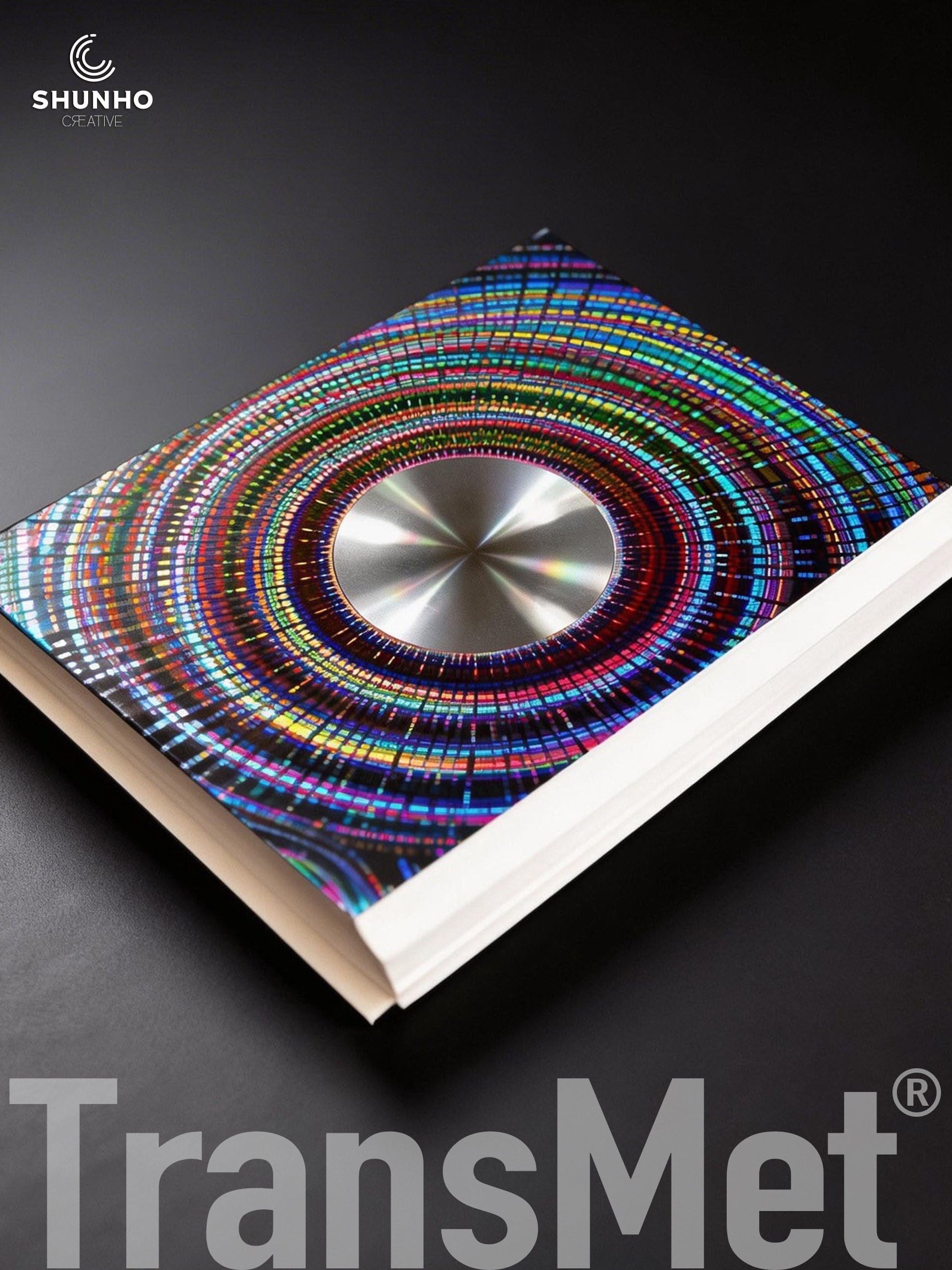
The cost of biodegradable food packaging can fluctuate based on several factors. Material selection is often the most significant cost driver. While plant-based or compostable options may have higher upfront costs than traditional plastics, they can lead to long-term savings through enhanced brand loyalty and reduced waste disposal fees.
Customization can also impact pricing. Custom shapes or sizes tailored to specific products may incur additional costs. Discuss your requirements with suppliers to understand any potential price variations.
Moreover, consider volume discounts. Many suppliers offer better pricing for larger orders, which can significantly reduce per-unit costs. Always request a detailed quotation that outlines the cost factors, including shipping and lead times, to make informed purchasing decisions.
Most Sticker paper holographic the customers come from the world's best 500 companies
Experiential experience in international trade for over 20 years.The annual production capacity of laser paper could up to 200 tons.
With FSC, REACH, FDA 21 CFR 176.170, (EU) No 10/2011, TUV OK Holographic paper, RECYCLABLE, ISO 9001/14001/45001, CNAS, PATENTS and other environmental protection certificates
Support for English, Spanish and Japanese Holographic stickers paper.
Biodegradable food packaging finds applications across various sectors within the food industry. Here are some common uses:
Fresh Produce: Biodegradable bags and wraps are increasingly used for fruits and vegetables, providing protection while allowing for breathability.
Takeout Containers: Restaurants and food delivery services are adopting Shunho biodegradable packaging to reduce their environmental footprint while maintaining food quality during transport.
Frozen Foods: Certain biodegradable materials can withstand low temperatures, making them suitable for packaging frozen meals and snacks.
Snack Foods: Rigid biodegradable packaging can effectively protect snack foods while appealing to eco-conscious consumers.
Deli and Bakery Items: Flexible biodegradable packaging options are available for sliced meats, cheeses, and baked goods, ensuring freshness without compromising sustainability.
Incorporating biodegradable food packaging into your operations not only aligns with consumer preferences but can also enhance your brand image as a sustainable choice in the food industry.
By understanding these aspects of biodegradable food packaging, you can make informed decisions that align with your business needs and sustainability goals.
 EN
 AR
 HR
 CS
 DA
 NL
 FI
 FR
 DE
 EL
 HI
 IT
 JA
 KO
 NO
 PT
 RU
 ES
 TL
 ID
 VI
 HU
 TH
 TR
 MS
 GA
 CY
 MK
 HY
 PL



