Personal product packaging is essential for businesses looking to enhance their brand image while adhering to sustainability principles. Choosing the right eco-friendly packaging can be a complex decision for purchasing managers, distributors, and product managers. This article will help you navigate the options available in personal product packaging, focusing on materials, manufacturing processes, and applications, ensuring that you can make informed choices that meet both aesthetic and functional needs.
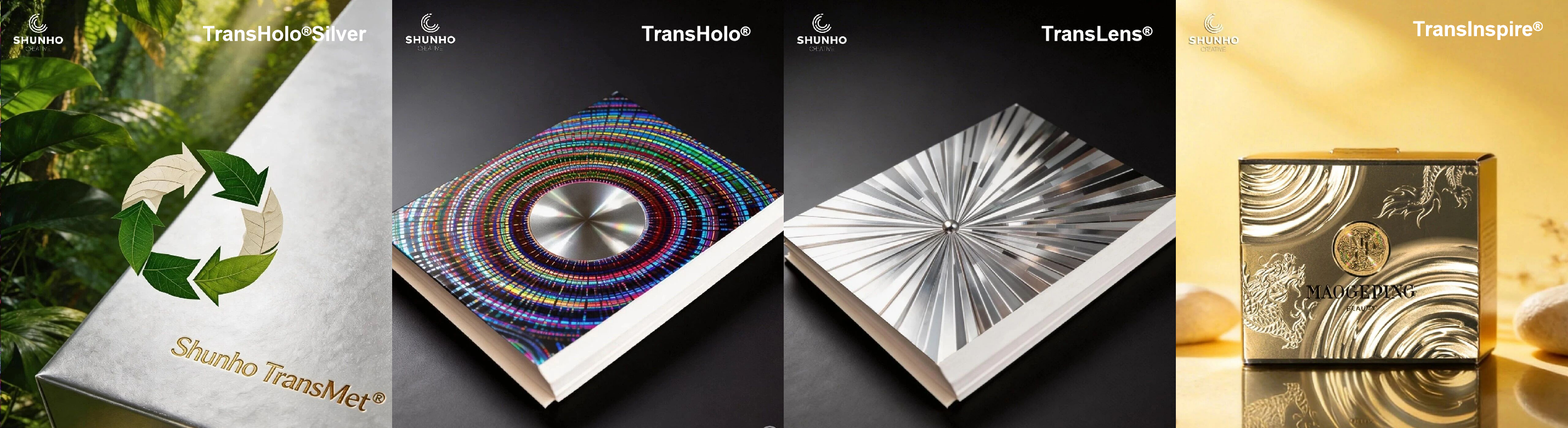
When selecting personal product packaging, several key factors should be considered, including material type, functionality, and environmental impact. Eco-friendly materials like Shunho Creative’s TransHolo® Paper / Paperboard, which features a plastic-free aluminum layer, offer excellent barrier properties while being fully recyclable and degradable.
Material Selection: Choose materials based on the intended use of the product. For example, if your products need to be protected from moisture and oxygen, TransMet paper may be suitable due to its superior barrier properties. Consider how the packaging interacts with the product—does it need to withstand temperature fluctuations, or is it likely to be exposed to chemicals?
Design and Aesthetics: The packaging should reflect your brand’s identity while being functional. Laminated paper or whiteboard can be printed with vibrant graphics, enhancing shelf appeal. Ensure that the design aligns with your sustainability goals, using inks and finishes that are also eco-friendly.
Regulatory Compliance: Verify that the packaging complies with industry standards and regulations, particularly in sectors like cosmetics and food. This may involve checking certifications related to biodegradability or recyclability.
Finding a reliable supplier is crucial for ensuring quality and consistency in your packaging. Here are several steps to help you source high-quality personal product packaging solutions:
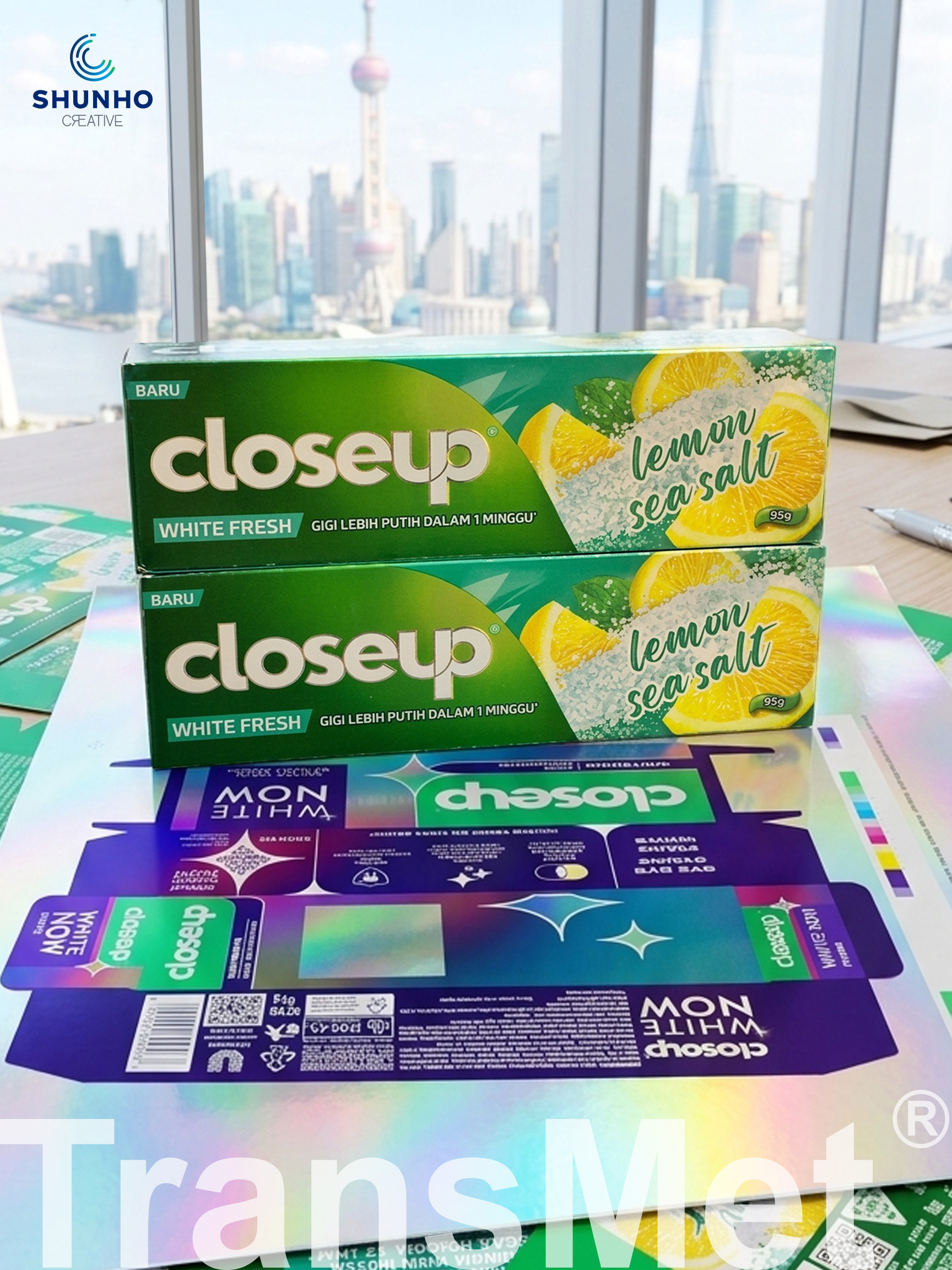
Evaluate Manufacturer Capabilities: Look for manufacturers like Shunho Creative that specialize in eco-friendly materials and have advanced manufacturing processes. Their use of vacuum transfer metalizing technology sets them apart in the market, ensuring high-quality outputs.
Request Samples: Before placing a bulk order, request product samples to assess quality, feel, and performance. This is particularly important for ensuring that the packaging meets your specific requirements.
Check References and Reviews: Investigate a potential supplier's track record. Reviews from other buyers in your industry can provide insight into their reliability and product performance.
Discuss Customization Options: Many manufacturers offer customization capabilities. Ensure that the supplier can meet your design specifications and production volume needs while adhering to sustainability standards.
Understanding the technical specifications and practical considerations of personal product packaging is vital for making a sound purchasing decision. Here are some essential points:
Performance Criteria: Evaluate key performance characteristics such as moisture barrier, tensile strength, and printability. The specific needs will depend on the product being packaged.
Minimum Order Quantities (MOQ): Be aware of MOQs, as some suppliers may have high minimums that could impact your purchasing strategy. Ensure that the MOQ aligns with your business needs and inventory management.
Lead Times: Discuss lead times upfront to avoid delays in your supply chain. Factors such as customization requirements and production capacity can affect how quickly you can receive your order.
Eco-friendly packaging finds diverse applications across multiple industries, including:
Electronics: In electronics packaging, the need for moisture protection and physical security is paramount. TransMet paper can provide excellent protection while being lightweight and recyclable.
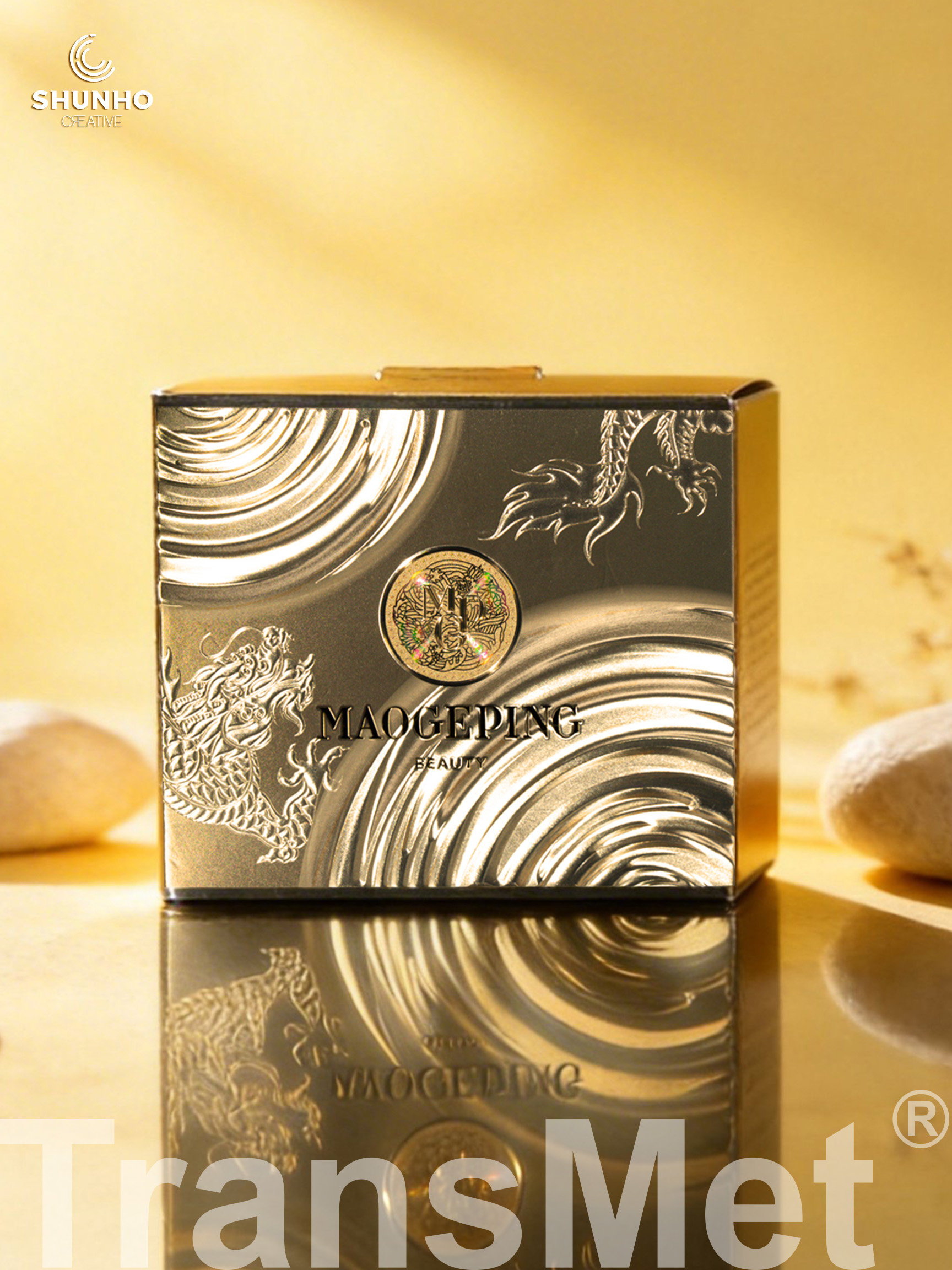
Cosmetics: The cosmetics industry often prioritizes aesthetic appeal alongside functionality. Laminated paper packaging can be printed with eye-catching designs while maintaining eco-friendly attributes.
FMCG (Fast-Moving Consumer Goods): With a growing focus on sustainability, FMCG brands are increasingly opting for eco-friendly packaging solutions that appeal to environmentally-conscious consumers.
Understanding each industry's specific requirements helps tailor packaging solutions to meet functional and branding needs.
English, Spanish, Japanese, Korean and other languages are supported. Support all Rainbow paper from materials to finished products.
Most Silver holographic paper the customers come from the world's best 500 companies
Experiential experience in international trade for over 20 years.The annual production capacity of laser paper could up to 200 tons.
With Sticker paper holographic, REACH, FDA 21 CFR 176.170, (EU) No 10/2011, TUV OK COMPOST HOME, RECYCLABLE, ISO 9001/14001/45001, CNAS, PATENTS and other environmental protection certificates
Collaborating with a reputable supplier such as Shunho Creative brings numerous benefits, including:
Consistency in Quality: A reliable supplier ensures consistent quality in every batch, reducing the risk of defects that could lead to product returns or damage to your brand reputation.
Expertise and Guidance: Experienced suppliers can provide valuable insights into material selection, manufacturing processes, and design considerations, helping you navigate complex packaging challenges.
Cost-Effectiveness: Building a long-term relationship with a supplier can lead to better pricing, especially if you can establish a regular order schedule. Suppliers may offer discounts based on volume or commitment.
Sustainability Commitment: Partnering with a manufacturer that prioritizes eco-friendly practices aligns with your sustainability goals, enhancing your brand's image in the eyes of consumers.
In summary, personal product packaging plays a critical role in both functionality and branding. By understanding the materials, manufacturing processes, and supplier capabilities, purchasing managers, distributors, and product managers can make informed decisions that align with their business goals and sustainability commitments.
 EN
 AR
 HR
 CS
 DA
 NL
 FI
 FR
 DE
 EL
 HI
 IT
 JA
 KO
 NO
 PT
 RU
 ES
 TL
 ID
 VI
 HU
 TH
 TR
 MS
 GA
 CY
 MK
 HY
 PL
