Bespoke packaging solutions are tailored packaging options designed to meet the specific requirements of a business. For B2B buyers, particularly purchasing managers, distributors, and product managers, the choice of packaging is crucial for product protection, brand presentation, and environmental responsibility. This article will explore what to look for in bespoke packaging solutions, how to source reliable suppliers, considerations for bulk purchasing, installation guidance, and common packaging problems along with effective solutions.
When evaluating bespoke packaging solutions, it’s essential to consider several key factors:
Material Selection: The choice of material affects not only the durability and protection of the product but also its environmental impact. For example, Shunho Creative specializes in eco-friendly options like laminated paper and plastic-free TransMet® Inspire paper. Understanding the properties of materials—such as barrier levels, recyclability, and degradation—is vital.
Customization Capabilities: Buyers should assess whether the supplier can customize dimensions, colors, and branding elements. This ensures that the packaging aligns with the brand identity and product requirements. For instance, a well-designed packaging solution can enhance shelf appeal and customer experience.
Production Capabilities: It is important to confirm the supplier’s production capacity and technology. Shunho Creative utilizes advanced vacuum transfer metalizing technology, which can influence the quality and efficiency of the packaging produced. Knowing the production capabilities can help set realistic expectations regarding lead times and order quantities.
Quality Control Processes: A robust quality assurance system is essential for ensuring consistency and reliability in production. Buyers should inquire about the supplier’s inspection protocols and certifications, which can indicate adherence to industry standards.
Cost Considerations: Understanding the pricing structure is crucial. Factors such as material costs, customizations, production runs, and shipping should be clarified upfront to avoid unexpected expenses.
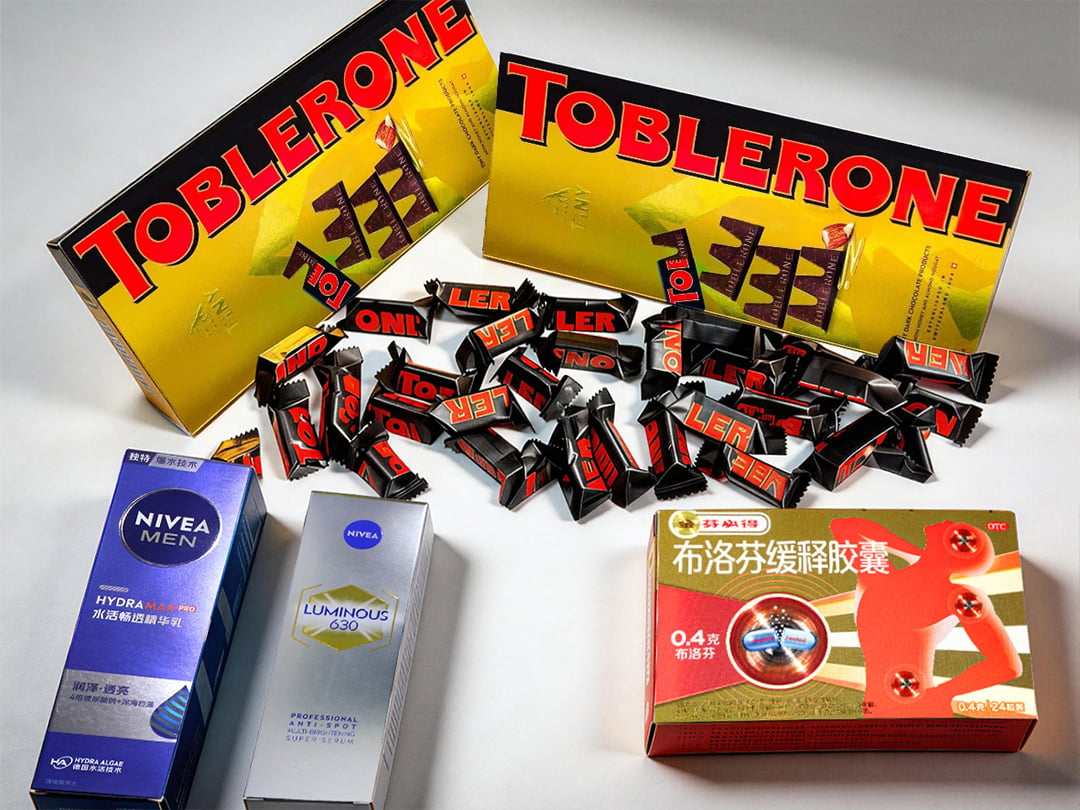
Finding reliable suppliers for bespoke packaging solutions involves several steps:
Industry Research: Start by researching suppliers who specialize in the specific materials and technologies relevant to your product. Look for manufacturers with a strong reputation in eco-friendly packaging if sustainability is a priority for your business.
Supplier Reviews and References: Check online reviews and ask for references from previous clients. This can provide insights into the reliability and quality of service from potential suppliers.
Trade Shows and Expos: Attending industry trade shows allows buyers to meet suppliers in person, evaluate their products, and discuss potential partnerships. Exhibitions provide an opportunity to see the latest innovations in packaging materials and technologies.
Request for Quotations (RFQs): Prepare detailed RFQs that specify your requirements, including materials, dimensions, and expected delivery timelines. This helps suppliers provide accurate quotes and demonstrates serious intent in sourcing.
Sample Approvals: Before committing to a large order, request samples to evaluate the quality and suitability of the packaging. This step is critical to ensure that the final product meets your specifications.
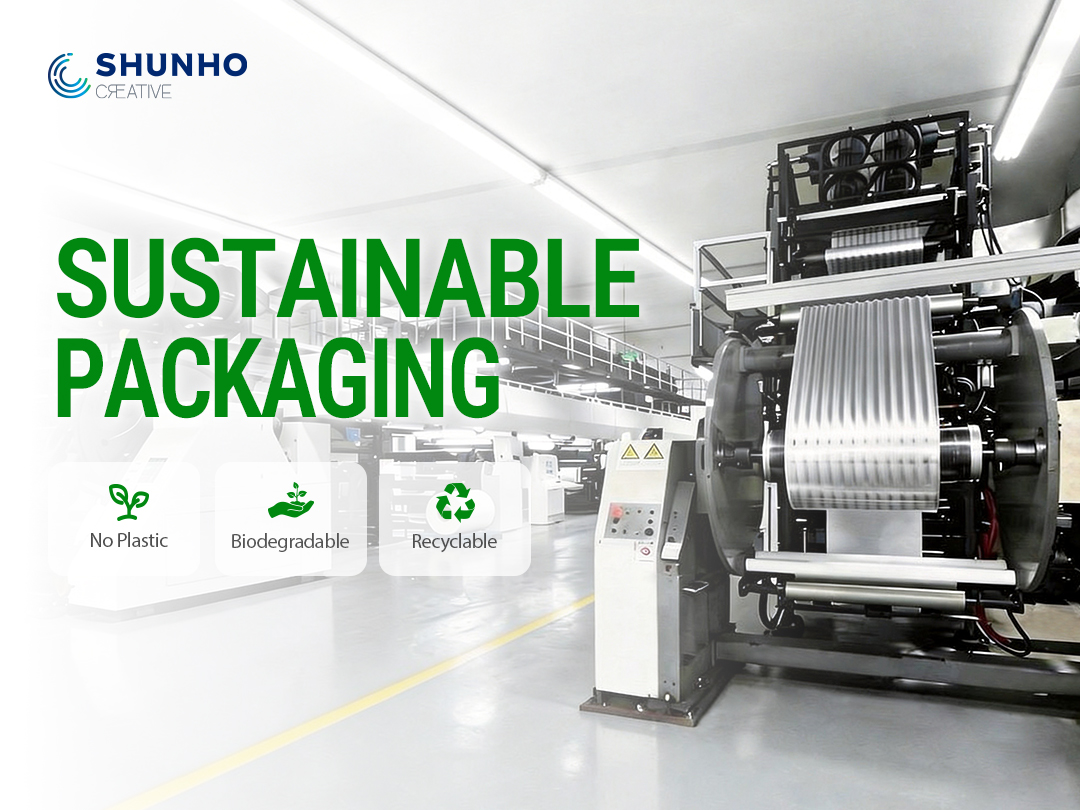
When considering bulk purchases of bespoke packaging, there are several factors to keep in mind:
Minimum Order Quantities (MOQ): Different suppliers will have varying MOQs based on their production capabilities. Ensure that you understand these limits and how they fit within your purchasing strategy.
Pricing Models: Bulk orders often come with discounts, but it's crucial to understand how pricing is structured. Factors such as order frequency, payment terms, and material costs can influence the final price.
Lead Times: Bulk orders may require longer lead times, especially if customization is involved. Confirm the expected production time and shipping timelines to align with your inventory management strategies.
Storage and Logistics: Consider your storage capacity and logistics when ordering in bulk. Ensure that you have a plan for receiving, storing, and managing inventory without causing disruptions to your operations.
Stock Replenishment: Establish a system for regular stock replenishment. This can help maintain inventory levels without overstocking, which can lead to increased storage costs.

Proper installation of bespoke packaging solutions is critical for maintaining product integrity. Here are some key considerations:
Training and Support: Suppliers should provide installation guidelines and training for your team. This ensures that the packaging is handled correctly, minimizing the risk of damage during packing and shipping.
Testing for Compatibility: Before mass production, test packaging with actual products to check for fit and protection. This step is crucial to identify any potential issues that may arise during handling or transportation.
User Instructions: Clear instructions for assembly or use should accompany the packaging. This is especially important for complex designs or multi-component packaging solutions.
Feedback Loop: Establish a feedback loop with your supplier post-installation to discuss any challenges faced and potential improvements. This collaboration can lead to better packaging solutions in future orders.
Most Rainbow paper the customers come from the world's best 500 companies
Support for English, Spanish Silver holographic paper Japanese is available.
With FSC, Holographic silver paper, FDA 21 CFR 176.170, (EU) No 10/2011, TUV OK COMPOST HOME, RECYCLABLE, ISO 9001/14001/45001, CNAS, PATENTS and other environmental protection certificates
Over Holographic stickers paper years of foreign trade experience.The annual production capacity of laser paper could reach 200,000 tons.
Several common issues can arise with packaging, but understanding these can lead to effective solutions:
Material Weakness: Choosing the wrong material can lead to packaging failure during transit. Ensure that the selected material matches the intended use, such as moisture resistance for perishable goods. Shunho Creative’s TransMet® Lens paper offers excellent barrier properties, which can be a solution for products that require extra protection.
Inadequate Customization: Generic packaging may not fit all products well, leading to damage. Work with suppliers who can provide tailored solutions that cater specifically to your product dimensions and requirements.
Environmental Impact: Many businesses face pressure to reduce their environmental footprint. Opt for eco-friendly materials and processes, such as those offered by Shunho Creative, to align with sustainability goals while maintaining product protection.
Logistical Challenges: Packaging that is not optimized for shipping can lead to increased costs and product damage. Collaborate with suppliers to design packaging that is not only attractive but also efficient for transport, potentially reducing shipping costs.
Quality Control Issues: Inconsistent packaging quality can lead to customer dissatisfaction. Establish a stringent quality control process that includes pre-production samples and ongoing inspections throughout the production run.
By considering these aspects, businesses can make informed decisions regarding bespoke packaging solutions that not only meet their functional needs but also align with their brand values and sustainability goals.
 EN
 AR
 HR
 CS
 DA
 NL
 FI
 FR
 DE
 EL
 HI
 IT
 JA
 KO
 NO
 PT
 RU
 ES
 TL
 ID
 VI
 HU
 TH
 TR
 MS
 GA
 CY
 MK
 HY
 PL