Biodegradable packaging solutions are becoming increasingly essential for businesses aiming to reduce their environmental impact. As buyers, purchasing managers, and product managers explore options, they often have concerns regarding material safety, functionality, and compliance with sustainability standards. This article will guide you through key considerations when selecting biodegradable packaging, comparing it to traditional materials, and understanding specifications and installation guidance to make informed purchasing decisions.
When selecting biodegradable packaging solutions, buyers should focus on several critical factors:
Material Composition: Look for products made from renewable resources such as plant-based materials, compostable plastics, or paper alternatives. Understanding the material's degradation process is crucial, as it affects both the environment and the packaging's performance.
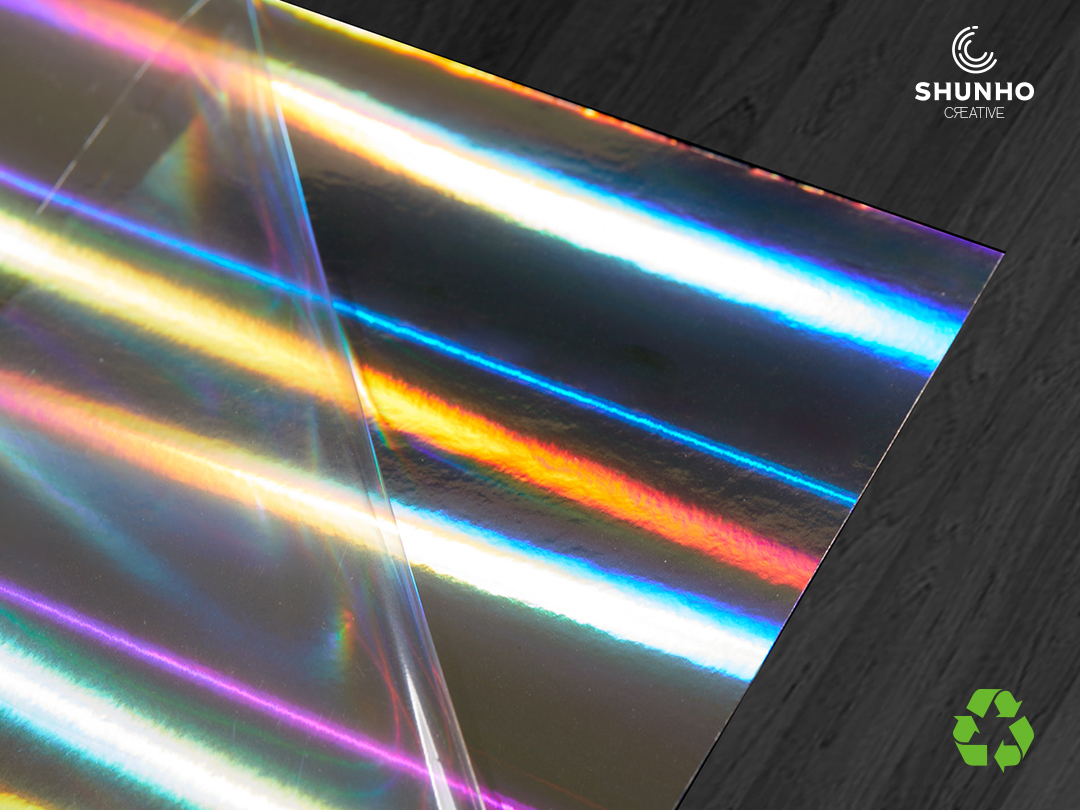
Barrier Properties: Evaluate the packaging's ability to protect contents from moisture, oxygen, and light. For instance, Shunho Creative's TransHolo® Paper features a 30nm aluminum layer that provides excellent barrier properties, making it suitable for sensitive products in industries like electronics and cosmetics.
Certifications: Seek out packaging that meets relevant environmental certifications, such as ASTM D6400 or EN 13432. These certifications ensure that the packaging will break down in commercial composting facilities.
Customization Options: Consider whether the supplier offers customization to meet specific branding and functional requirements. Custom sizes, colors, and prints can enhance product presentation while maintaining eco-friendliness.
Supplier Reliability: Investigate the supplier's production capacity, quality control processes, and history in the market. Companies with robust manufacturing capabilities, like Shunho Creative's annual output of 200,000 tons, often have the infrastructure to meet large-scale demands consistently.
Understanding the differences between biodegradable packaging and traditional materials is vital for making informed decisions.
Environmental Impact: Traditional packaging materials like plastics can take hundreds of years to decompose, contributing to landfill overflow and ocean pollution. In contrast, biodegradable packaging solutions are designed to break down into natural elements within a specific timeframe, significantly reducing environmental harm.
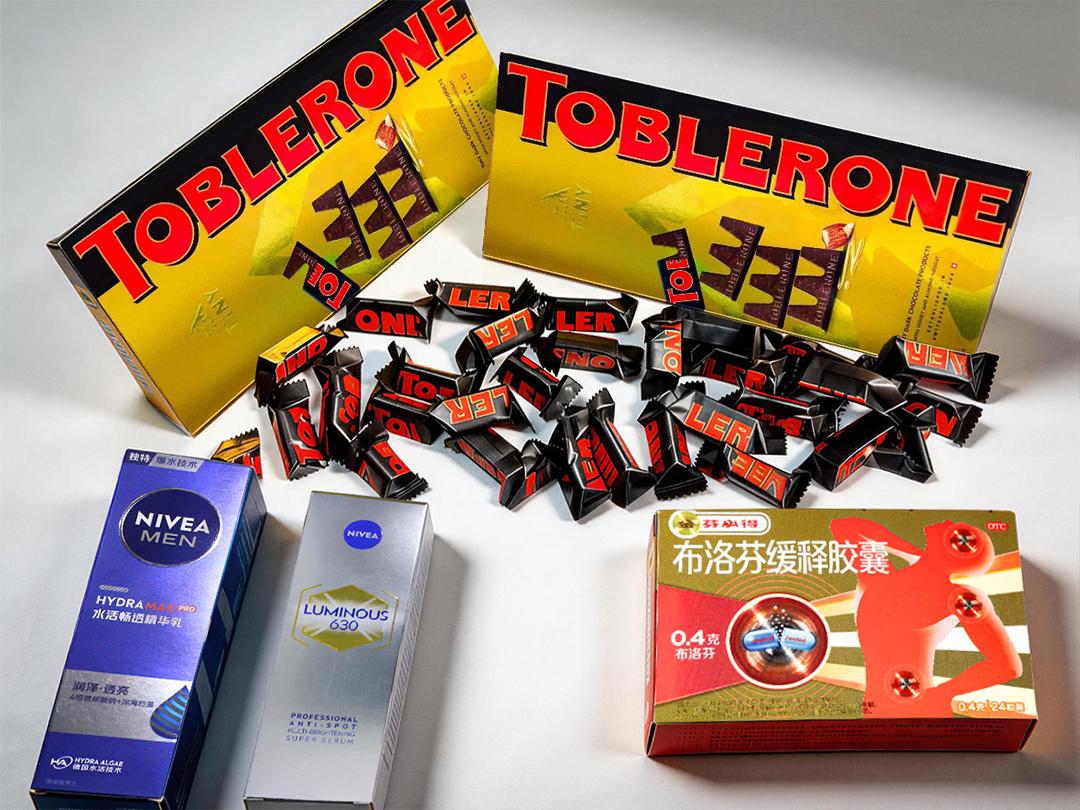
Performance: While traditional materials may offer superior durability, biodegradable alternatives have made significant advancements. For instance, Shunho Creative's TransMet® Silver & Gold Paper not only exhibits strong moisture and chemical resistance but is also fully recyclable and degradable, providing a balance between performance and sustainability.
Consumer Perception: With growing consumer awareness around sustainability, businesses using biodegradable packaging can enhance their brand image and appeal to environmentally conscious customers. This shift can drive sales and customer loyalty, making it a strategic choice for B2B buyers.
Wholesale buyers should pay attention to various specifications when sourcing biodegradable packaging:
Thickness and Strength: The thickness of the material can affect its durability and suitability for different applications. For instance, packaging for heavy electronics may require thicker materials to ensure protection during shipping.
Dimensions and Weight: Accurate dimensions are essential for ensuring that the packaging fits products correctly. Additionally, lighter packaging can reduce shipping costs, making it an economical choice for bulk orders.
Sealing and Closure Methods: Understanding the sealing mechanisms (e.g., adhesive, heat-seal) is important for ensuring that the packaging maintains its integrity during transportation. Consider compatibility with existing production lines and processes.
Moisture and Oxygen Barrier Levels: Different applications have varying requirements for moisture and oxygen protection. Buyers should evaluate the specific barrier levels needed based on the product's shelf life and storage conditions.
Minimum Order Quantities (MOQ): Many manufacturers have MOQs that can significantly impact purchasing decisions. Understanding these requirements upfront can prevent delays and ensure timely delivery.
Proper installation and handling of biodegradable packaging are essential to maximize its benefits:
Sample Approval: Before placing a bulk order, buyers should always request and approve a sample. This allows for testing the packaging under actual operating conditions, ensuring that it meets performance expectations.
Storage Conditions: Biodegradable materials can be sensitive to temperature and humidity. It's important to store them in a cool, dry place to maintain their integrity until use.
Compatibility with Machinery: Assess whether the biodegradable packaging is compatible with existing filling and sealing equipment. Any necessary adjustments or modifications should be identified before production.
Labeling Requirements: Ensure that any labeling on biodegradable packaging complies with industry regulations and clearly communicates the product's eco-friendly attributes to consumers.
With FSC, REACH, FDA 21 CFR 176.170, ( Rainbow wrapping paper) No 10/2011, TUV OK COMPOST HOME, RECYCLABLE, ISO 9001/14001/45001, CNAS, PATENTS and other environmental protection certificates
Most Silver holographic paper the customers come from the world's best 500 companies
Support for English, Spanish Silver holographic paper Japanese is available.
Experiential experience in international trade for more than 20 years.The annual capacity of laser-printed paper can Holographic check paper 200 tons.
While biodegradable packaging offers numerous benefits, buyers should be aware of common challenges and their solutions:
Degradation Issues: Some biodegradable packaging may degrade too quickly under certain conditions. To mitigate this, buyers should confirm the appropriate storage conditions and consider the packaging's intended lifecycle.
Cost Variability: Biodegradable materials can sometimes be more expensive than traditional options. Buyers should evaluate the total cost of ownership, including the potential savings from reduced waste disposal fees and positive consumer response.
Performance Limitations: Not all biodegradable packaging meets the same performance standards. Conducting thorough testing and obtaining certifications can help ensure that the chosen solution meets all necessary requirements for the specific application.
Consumer Awareness: Some consumers may not understand how to dispose of biodegradable packaging correctly. Including clear disposal instructions on the packaging can help alleviate confusion and enhance the product's sustainability profile.
By focusing on these considerations and challenges, buyers can effectively navigate the evolving landscape of biodegradable packaging solutions, ensuring that they select the best options for their needs while supporting sustainability goals.
 EN
 AR
 HR
 CS
 DA
 NL
 FI
 FR
 DE
 EL
 HI
 IT
 JA
 KO
 NO
 PT
 RU
 ES
 TL
 ID
 VI
 HU
 TH
 TR
 MS
 GA
 CY
 MK
 HY
 PL