The printing and packaging industry is rapidly evolving, with a significant shift towards eco-friendly solutions. For businesses sourcing packaging materials, understanding the various options available is crucial. This article will focus on the considerations B2B buyers should keep in mind when selecting a printing and packaging company, particularly one specializing in sustainable materials. We will address the main concerns of purchasing managers and product managers, highlighting key aspects such as material specifications, supplier reliability, and cost factors.
When selecting eco-friendly packaging materials, buyers must evaluate several factors to ensure their choices align with both sustainability goals and functional requirements. Key considerations include:
Material Composition: Look for materials that are recyclable, biodegradable, or compostable. For example, Shunho Creative's TransMet® Inspire paper, made with a plastic-free aluminum layer, is both recyclable and degradable, making it an excellent choice for companies committed to environmental responsibility.
Barrier Properties: The packaging material's ability to protect the product from moisture, light, and oxygen is critical. Assess whether the chosen material maintains the product's integrity throughout its shelf life.
Production Capabilities: Ensure that the supplier can meet your production demands. Shunho Creative, for instance, has an annual capacity of 200,000 tons, making it well-equipped to handle large orders without compromising quality.
Customization Options: Many businesses require unique packaging solutions tailored to their products. Confirm if the supplier can offer customization in terms of size, print design, and material properties.
Certifications and Compliance: Verify that the packaging materials meet relevant industry standards and certifications, which can vary by region and product type.

Finding a trustworthy supplier for bulk packaging orders involves thorough research and evaluation. Here are some practical steps:
Industry Directories and Trade Shows: Utilize industry-specific directories and attend trade shows related to printing and packaging. These venues allow you to meet suppliers, view samples, and discuss their products and capabilities directly.
Online Reviews and Testimonials: Check online platforms for reviews and testimonials. Feedback from other businesses can provide insight into the supplier's reliability, quality, and customer service.
Request Samples: Before committing to a supplier, request samples of their packaging materials. This allows you to evaluate the quality, feel, and suitability for your products.
Supplier Audits: If possible, conduct a site visit or audit of potential suppliers to assess their manufacturing processes, quality control measures, and overall professionalism.
Partnerships and Recommendations: Networking within your industry can lead to recommendations for reliable suppliers. Consider reaching out to colleagues or industry associations for referrals.
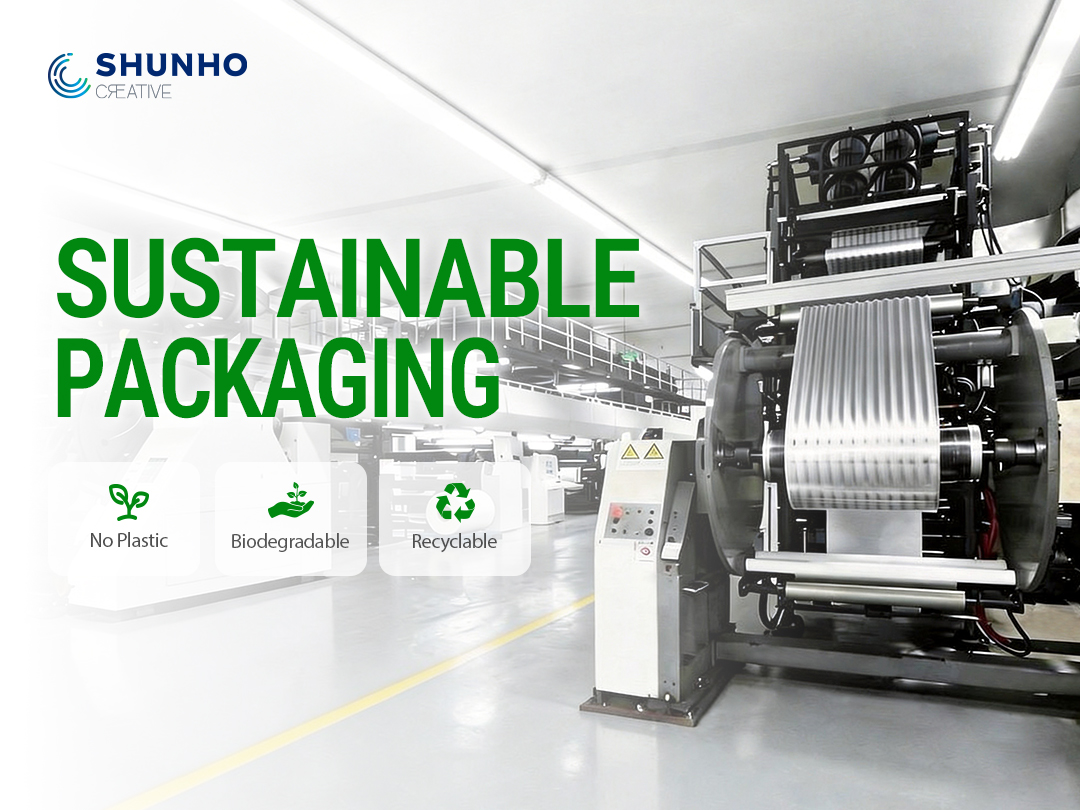
When evaluating packaging options, comparing specifications is essential for making informed decisions. Here's how Shunho Creative's TransMet® Lens paper stands against traditional packaging materials:
Specification TransMet Paper Traditional Options Material Structure Plastic-free, aluminum layer Often includes plastic coatings Recyclability Fully recyclable and degradable May not be recyclable Barrier Properties Excellent moisture and light barrier Varied, often less effective Environmental Impact Low, as it's made from sustainable materials Generally higher due to plastic use Production Capability High-volume production (200,000 tons/year) Varies widely by supplierTransMet paper not only meets stringent environmental standards but also offers superior performance in protecting products while minimizing environmental impact. This makes it suitable for various applications, including electronics, cosmetics, and fast-moving consumer goods (FMCG).
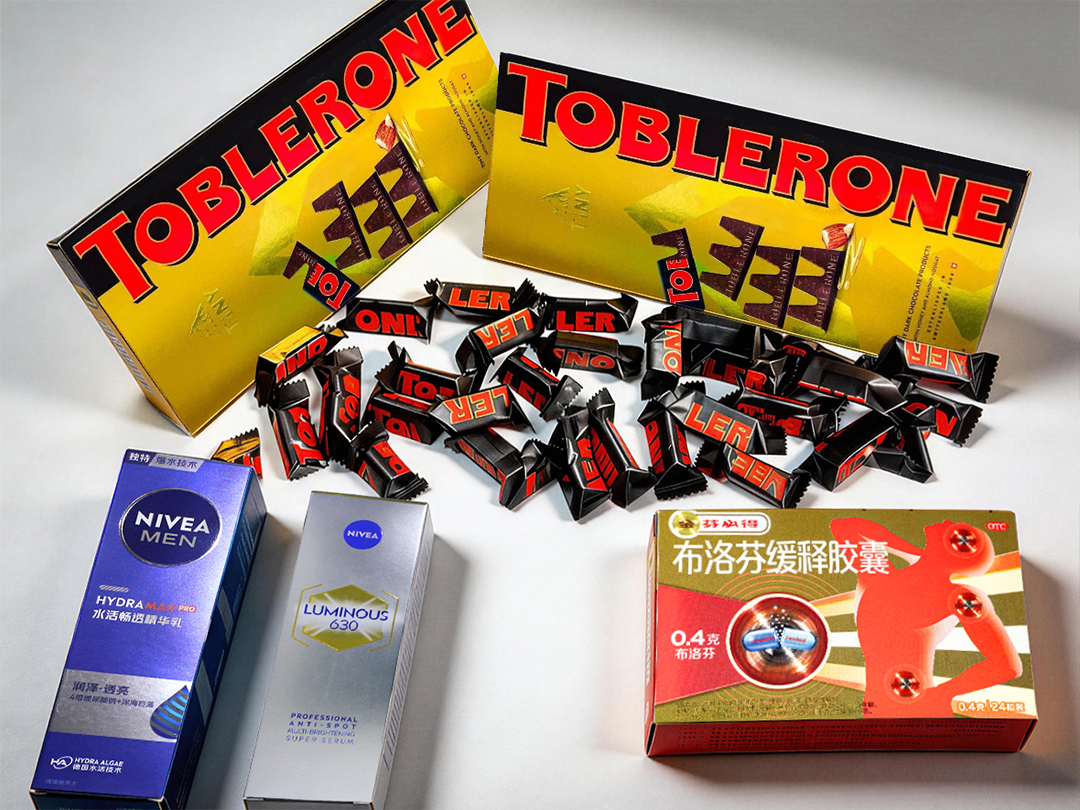
Understanding the cost factors involved in wholesale packaging purchases is vital for budget management. Here are key aspects to consider:
Material Costs: The type of material significantly influences pricing. Eco-friendly materials like TransMet® Silver paper might carry a higher upfront cost than traditional options but can offer long-term savings through reduced waste disposal costs and potential tax incentives for sustainable practices.
Order Volume: Bulk ordering usually results in lower unit prices. Be mindful of the minimum order quantities (MOQ) that suppliers require, as this can affect your overall cost.
Customization Fees: If you require custom designs or specifications, additional fees may apply. Be sure to clarify these costs upfront to avoid surprises.
Shipping and Handling: Consider the logistics of transporting packaging materials. Shipping costs can vary based on the supplier’s location and the destination of the goods.
Long-term Contracts: Establishing a long-term relationship with a supplier may lead to better pricing and terms. Discuss potential discounts for repeat orders or exclusive partnerships.
Support for English, Spanish and Japanese is Rainbow wrapping paper.
With FSC, REACH, FDA 21 CFR 176.170, (EU) No 10/2011, TUV OK COMPOST HOME, Holographic stickers paper, ISO 9001/14001/45001, CNAS, PATENTS and other environmental protection certificates
More than 20 years of foreign trade experience.Laser paper is produced at a capacity that could reach around Rainbow wrapping paper tons per year.
The majority of customers come Holographic stickers paper the leading 500 businesses in the world.
Proper installation and usage of eco-friendly packaging materials are crucial for ensuring product integrity and customer satisfaction. Here are some guidelines:
Compatibility with Existing Equipment: Before choosing a packaging material, confirm that it is compatible with your existing packaging machinery. Some materials may require specific settings or adjustments to ensure efficient operation.
Sample Testing: Always conduct tests with samples of the packaging material under real operating conditions. This helps to identify potential issues related to sealing, labeling, and product fit.
Training for Staff: Ensure that your staff is adequately trained to handle and install the packaging materials correctly. This includes understanding how to properly seal and store the materials to maintain their properties.
Quality Control Checks: Implement quality control measures to check the packaging materials for defects or inconsistencies before use. This can prevent costly errors during production and distribution.
Feedback Loop: Establish a feedback loop with your teams to continuously assess the performance of the packaging materials in application. This can help identify areas for improvement and inform future purchasing decisions.
By focusing on these factors, businesses can make informed decisions when selecting a printing and packaging company, ensuring they choose sustainable solutions that meet their needs while supporting eco-friendly initiatives.
 EN
 AR
 HR
 CS
 DA
 NL
 FI
 FR
 DE
 EL
 HI
 IT
 JA
 KO
 NO
 PT
 RU
 ES
 TL
 ID
 VI
 HU
 TH
 TR
 MS
 GA
 CY
 MK
 HY
 PL