Custom packaging solutions are essential for businesses looking to protect their products while also considering sustainability. Buyers in the electronics, cosmetics, and fast-moving consumer goods (FMCG) industries face challenges such as material selection, cost, and environmental impact when sourcing packaging. This article will explore key specifications, reliable suppliers, industry applications, best practices, and the advantages of using Shunho Creative's eco-friendly packaging materials, including our signature plastic-free TransMet® Inspire paper.
When evaluating custom packaging solutions, several key specifications should be considered to ensure they meet your product's needs:
Material Composition: Eco-friendly packaging materials must balance functionality and sustainability. Options like laminated paper, whiteboard, and TransMet paper offer various benefits. TransMet paper, for instance, features a 30nm aluminum layer that enhances barrier properties while being fully recyclable and degradable.
Thickness and Durability: The thickness of packaging affects its strength and protective qualities. For products sensitive to moisture or light, a thicker barrier may be necessary. Buyers should confirm the required thickness based on the product's shelf life and distribution conditions.
Customization Options: Customization is vital for branding and functionality. Considerations such as printing capabilities, sizes, and closures should align with your product requirements. Discuss specific design elements with potential suppliers to ensure they can meet your needs.
Certifications and Compliance: Verify that suppliers adhere to industry standards and certifications that demonstrate their commitment to quality and sustainability. This may include certifications for recyclable materials and compliance with regulations for specific industries, such as cosmetics or food packaging.
By focusing on these specifications, buyers can select packaging solutions that not only protect their products but also align with their sustainability goals.

Finding a reliable supplier for custom packaging solutions is crucial for ensuring consistent quality and timely delivery. Here are some factors to consider when evaluating potential suppliers:
Experience and Expertise: Look for suppliers with a proven track record in eco-friendly packaging. A company like Shunho Creative, with its focus on advanced packaging materials, brings valuable industry knowledge and innovative solutions to the table.
Production Capabilities: Assess the supplier's production capacity and technology. For instance, Shunho Creative utilizes advanced vacuum transfer metalizing technology, which enhances the performance of materials like TransMet® Lens paper. This capability can lead to high-quality products that meet your specifications.
Quality Control Processes: A robust quality control system is essential for ensuring product consistency. Inquire about the supplier's quality assurance practices, including testing protocols and inspection processes. This helps mitigate risks associated with defective products.
Lead Times and Flexibility: Understand the supplier's lead times for production and delivery. Flexibility in accommodating rush orders or changes in demand can be beneficial, especially in fast-paced industries like FMCG.
Customer Support: Effective communication is vital. Choose suppliers who are responsive and willing to collaborate on customization and problem-solving throughout the project lifecycle.
By carefully selecting suppliers with the right expertise and capabilities, companies can secure reliable partnerships that enhance their packaging strategies.
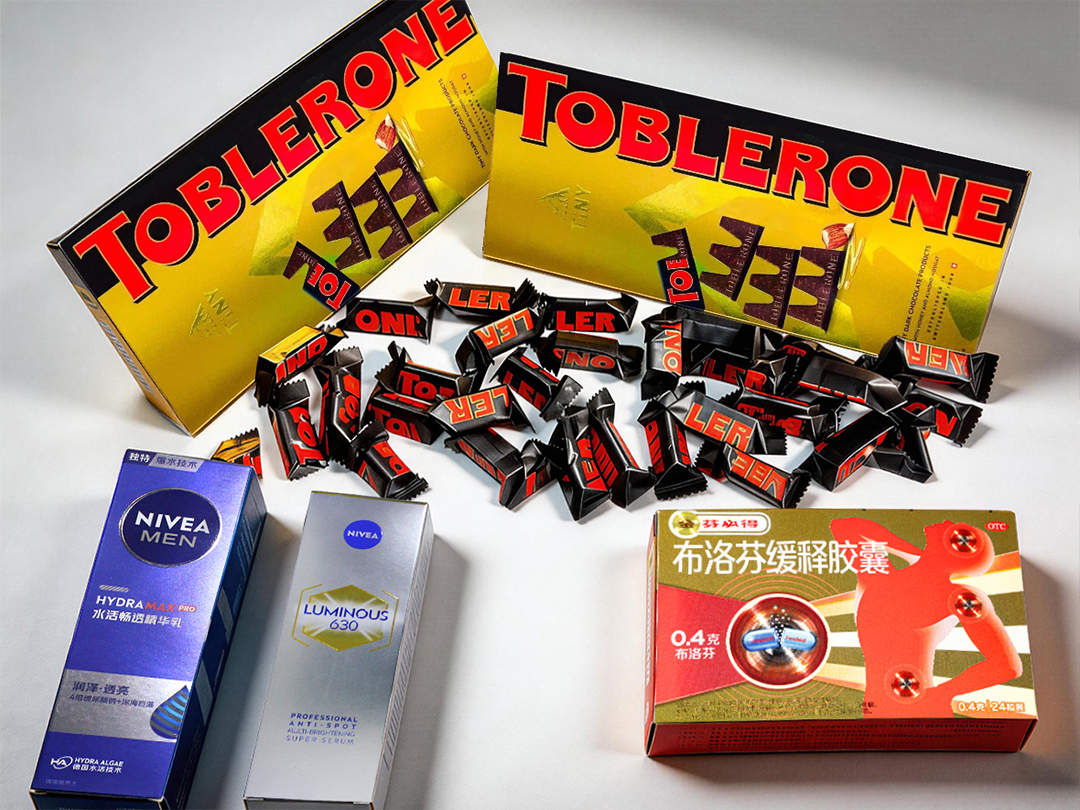
Custom packaging plays a significant role in the electronics and FMCG industries, where product protection and brand presentation are paramount.
In the electronics sector, packaging must safeguard sensitive components from moisture, dust, and physical damage. Custom packaging solutions using TransMet paper provide excellent barrier properties, ensuring products remain intact during transport and storage. Furthermore, a well-designed package enhances the unboxing experience, reinforcing brand identity.
In the FMCG sector, packaging needs to be visually appealing to attract consumers while ensuring product safety and compliance with regulatory requirements. Eco-friendly options are becoming increasingly popular, as consumers demand sustainable products. Shunho Creative's packaging materials, such as laminated paper and whiteboard, can be customized with vibrant designs and informative labeling, helping brands stand out on crowded shelves.
Overall, the right custom packaging solution can improve product safety, enhance brand visibility, and meet consumer expectations for sustainability.
When implementing custom packaging solutions, consider the following best practices to optimize effectiveness:
Conduct Thorough Testing: Before committing to mass production, conduct tests on prototypes to evaluate their performance under various conditions. This includes checking for moisture resistance, durability, and compatibility with filling processes.
Collaborate with Suppliers Early: Involve your packaging supplier in the design phase to leverage their expertise. Early collaboration can lead to more innovative solutions and help identify potential challenges before they arise.
Focus on Sustainability: As sustainability becomes a core value for many consumers, prioritize eco-friendly materials in your packaging strategy. Ensure that your supplier can provide documentation on the recyclability and environmental impact of their materials.
Monitor Market Trends: Stay informed about trends and innovations in packaging technology. Adapt your packaging strategy to incorporate new materials and designs that resonate with your target audience.
Evaluate Cost vs. Quality: While cost is a significant factor, prioritize quality to avoid issues that could arise from using subpar packaging. A lower upfront cost may lead to higher long-term expenses due to product damage or increased returns.
By following these best practices, businesses can enhance their packaging effectiveness and align with market expectations.
Over 20 years of foreign trade experience.The Rainbow paper production capacity of laser paper could up to 200,000 tons.
With FSC, REACH, FDA 21 CFR 176.170, ( Holographic check paper) No 10/2011, TUV OK COMPOST HOME, RECYCLABLE, ISO 9001/14001/45001, CNAS, PATENTS and other environmental protection certificates
English, Spanish, Japanese, Korean and other languages are supported. Support all Rainbow paper from materials to finished products.
Most Rainbow paper the customers come from the world's best 500 companies
TransMet paper offers unique advantages that set it apart from traditional packaging materials:
Recyclability and Degradability: With growing environmental concerns, TransMet paper is a sustainable choice, featuring a plastic-free design that is fully recyclable and biodegradable. This aligns with the increasing consumer demand for eco-friendly products.
Advanced Barrier Properties: The 30nm aluminum layer in TransMet paper provides superior protection against moisture, oxygen, and light, making it ideal for sensitive products in the electronics and cosmetics industries. This enhances product shelf life and maintains quality.
Versatility in Applications: TransMet® Holographic paper can be customized to meet various packaging needs, including pouches, boxes, and wraps. Its adaptability makes it suitable for a wide range of products, from electronics to food items.
Enhanced Aesthetic Appeal: The metallic finish of TransMet paper not only protects but also adds a premium look to packaging. This aesthetic quality can boost brand perception and attract consumers.
Cost-Effectiveness: While the initial investment may be higher than some traditional materials, the durability and protective qualities of TransMet paper can lead to cost savings through reduced product damage and longer shelf life.
By understanding the advantages of TransMet paper, buyers can make informed decisions that enhance their packaging strategies while meeting sustainability goals.
 EN
 AR
 HR
 CS
 DA
 NL
 FI
 FR
 DE
 EL
 HI
 IT
 JA
 KO
 NO
 PT
 RU
 ES
 TL
 ID
 VI
 HU
 TH
 TR
 MS
 GA
 CY
 MK
 HY
 PL