Sustainable gift wrapping represents an eco-conscious choice for businesses looking to enhance their brand’s environmental responsibility while still delivering quality packaging solutions. With increasing awareness of environmental issues, B2B buyers often seek sustainable options that align with their corporate values. This article will explore the key specifications of eco-friendly gift wrapping boxes materials, where to source reliable suppliers cost factors to consider when purchasing in bulk various industry applications, and the common problems faced with traditional wrapping, alongside effective eco-friendly solutions.
When selecting sustainable gift wrapping materials, several specifications play a crucial role in ensuring the product meets both aesthetic and functional requirements. Key specifications include:
Material Composition: Eco-friendly gift wraps are typically made from recyclable or biodegradable materials. For instance, Shunho Creative’s TransMet paper, which features a plastic-free structure and a 30nm aluminum layer, is fully recyclable and degradable, offering a sustainable option without compromising on quality.
Thickness and Durability: The thickness of the wrapping paper can influence its strength and visual appeal. A thicker paper may provide better protection for the item inside while retaining a premium look. Buyers should evaluate the thickness based on the type of product being wrapped and the expected handling during shipping and display.
Finish and Coating: The finish of the wrapping paper affects its appearance and usability. Options like laminated paper can offer a glossy finish that enhances visual appeal but may impact recycle ability. It’s essential to confirm whether the finish aligns with the intended use and environmental criteria.
Size and Customization Options: Buyers should consider the dimensions of the wrapping paper rolls or sheets. Custom sizes may be available, enabling businesses to minimize waste and optimize material use based on their product range.
Certifications: Look for certifications such as FSC (Forest Stewardship Council) or similar eco-labels that indicate responsible sourcing and manufacturing practices. These certifications can assure buyers about the sustainability of the materials.

Finding trustworthy suppliers for sustainable gift wrapping involves a strategic approach. Here are some steps to identify reliable partners:
Industry Directories and Trade Shows: Utilize industry directories such as ThomasNet or attend trade shows focused on packaging materials. These platforms can help connect with established manufacturers and suppliers like Shunho Creative, known for their eco-friendly packaging expertise.
Supplier Reviews and Testimonials: Research potential suppliers by reviewing testimonials and feedback from other businesses. Reliable suppliers often have a track record of quality and service, which can significantly influence purchasing decisions.
Request Samples: Before committing to a bulk order, request samples of the wrapping materials. This allows you to evaluate the quality, thickness, and appearance firsthand, ensuring they meet your expectations.
Certifications and Transparency: Work with suppliers who are transparent about their manufacturing processes and can provide relevant certifications. This transparency can build trust and confirm that the products align with your sustainability goals.

When evaluating the cost of sustainable gift wrapping, several factors come into play that B2B buyers should consider to ensure a wise investment:
Material Costs: The type of materials used significantly affects pricing. Eco-friendly options may have higher initial costs compared to traditional materials, but the long-term benefits of brand image and customer loyalty can outweigh these expenses.
Customization Fees: Custom sizes, prints, or finishes may incur additional costs. Buyers should clarify these fees upfront to assess the total investment accurately.
Minimum Order Quantities (MOQ): Suppliers often have MOQs that can influence pricing. Understanding these requirements can help businesses gauge if they can meet the needed quantities without incurring excess inventory costs.
Shipping and Handling: Factor in shipping costs, especially if sourcing from international suppliers. Local suppliers may offer better shipping rates and faster delivery times, which can help streamline operations.
Potential Savings through Bulk Orders: While the upfront cost may appear higher, purchasing in bulk often leads to discounts. Evaluate the trade-off between quantity and cost-effectiveness based on projected sales and usage.
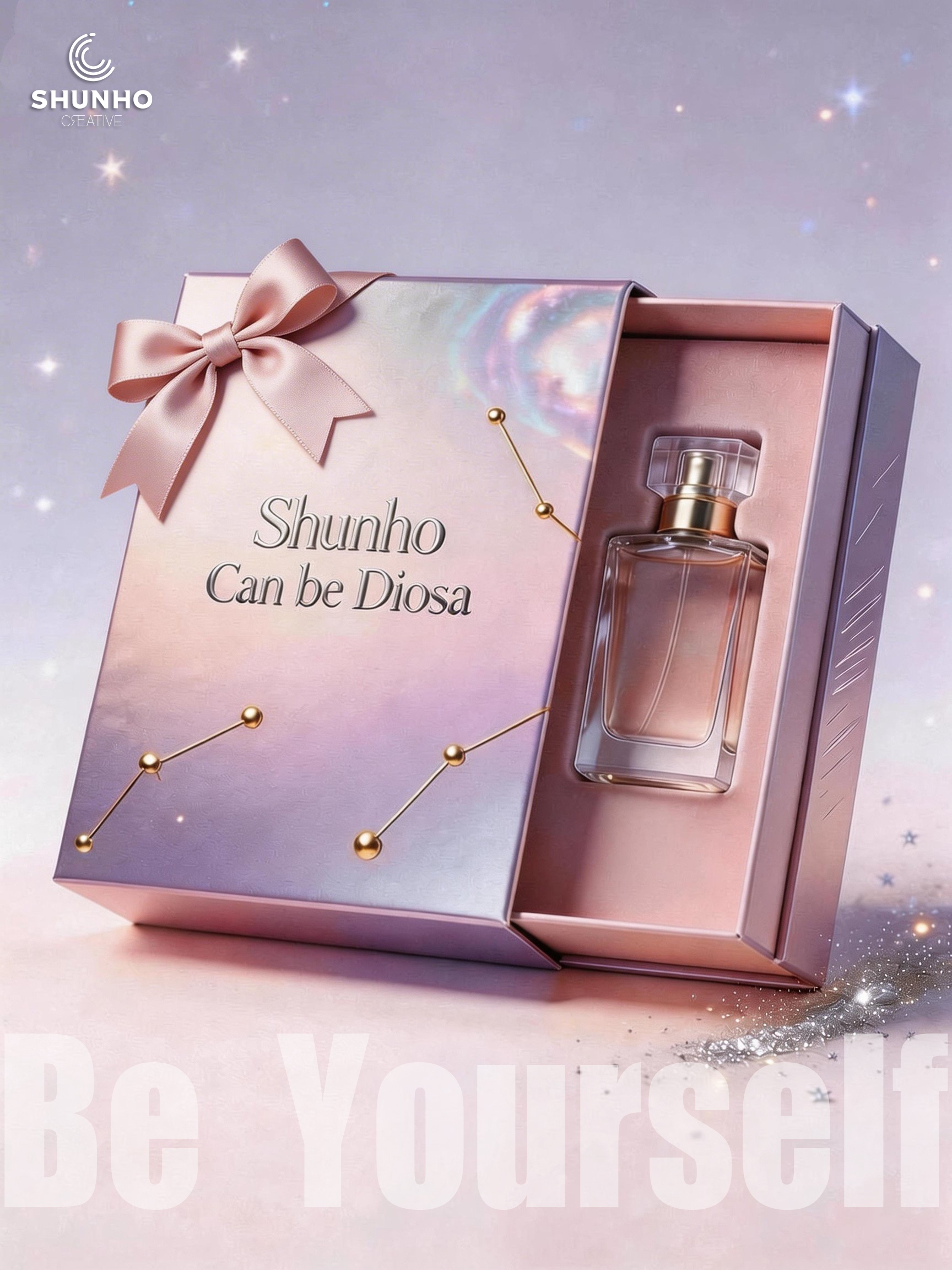
Sustainable gift wrapping materials can be applied across diverse sectors, enhancing brand image while fulfilling eco-friendly commitments. Key applications include:
Cosmetics and Personal Care: In the cosmetics industry, brands are increasingly opting for eco-friendly packaging to appeal to environmentally conscious consumers. Sustainable gift wrapping can elevate product presentation while supporting marketing claims of sustainability.
Electronics: For electronic products, protective yet stylish wrapping is crucial. Sustainable materials like Shunho Creative’s TransMet paper can safeguard delicate items while promoting a green brand image.
Food and Beverage: Many companies in the food and beverage sector are adopting sustainable wrapping solutions to reduce waste. Eco-friendly wraps can be used for gifting promotional items or packaging seasonal offerings, aligning with broader sustainability initiatives.
Event Planning and Retail: Event planners and retailers can utilize sustainable reusable gift wrapping to enhance customer experience and encourage responsible consumption. Offering eco-friendly options can set businesses apart in a competitive market.
With Holographic paper sticker, REACH, FDA 21 CFR 176.170, (EU) No 10/2011, TUV OK COMPOST HOME, RECYCLABLE, ISO 9001/14001/45001, CNAS, PATENTS and other environmental protection certificates
The majority of customers are from the leading Holographic silver paper businesses in the world
Silver holographic paper experience in international trade for more than 20 years.Laser paper has a production capacity that can go the 200,000 ton mark each year.
Holographic silver paper, Spanish, Japanese, Korean and other languages are supported. Support the complete solution from the raw materials to the final product.
Traditional gift wrapping often poses several environmental challenges, but eco-friendly alternatives offer effective solutions:
Waste Generation: Conventional wrapping materials are frequently non-recyclable, contributing to landfill waste. Eco-friendly options like TransMet paper from Shunho Creative provide a recyclable and degradable solution, reducing overall environmental impact.
Chemical Exposure: Many traditional wraps contain harmful chemicals that can leach into products. Choosing sustainable materials minimizes this risk, promoting safer packaging for consumers.
Aesthetic Limitations: Buyers may perceive eco-friendly materials as less appealing. However, modern sustainable wraps can offer a range of attractive designs and finishes, proving that sustainability can coexist with aesthetics.
Higher Costs: While sustainable options may initially seem more expensive, the long-term benefits of customer loyalty and positive brand perception can lead to increased sales and profitability. Companies may find that consumers are willing to pay a premium for eco-friendly products.
Limited Availability: Sourcing sustainable materials can sometimes be challenging. Establishing relationships with reliable suppliers can enhance access to high-quality eco-friendly wrapping paper holographic options, ensuring consistent supply.
By understanding these aspects of sustainable gift wrapping, B2B buyers can make informed purchasing decisions that align with their company values and sustainability goals.
 EN
 AR
 HR
 CS
 DA
 NL
 FI
 FR
 DE
 EL
 HI
 IT
 JA
 KO
 NO
 PT
 RU
 ES
 TL
 ID
 VI
 HU
 TH
 TR
 MS
 GA
 CY
 MK
 HY
 PL