Custom food wrap paper is an essential packaging solution for businesses in the food industry, offering a sustainable alternative to traditional plastic wraps. As B2B buyers, purchasing managers, and product managers evaluate their options, they often prioritize factors such as material safety, environmental impact, and customization capabilities. This article aims to provide valuable insights into custom food wrap paper, helping you make informed decisions when sourcing this product.
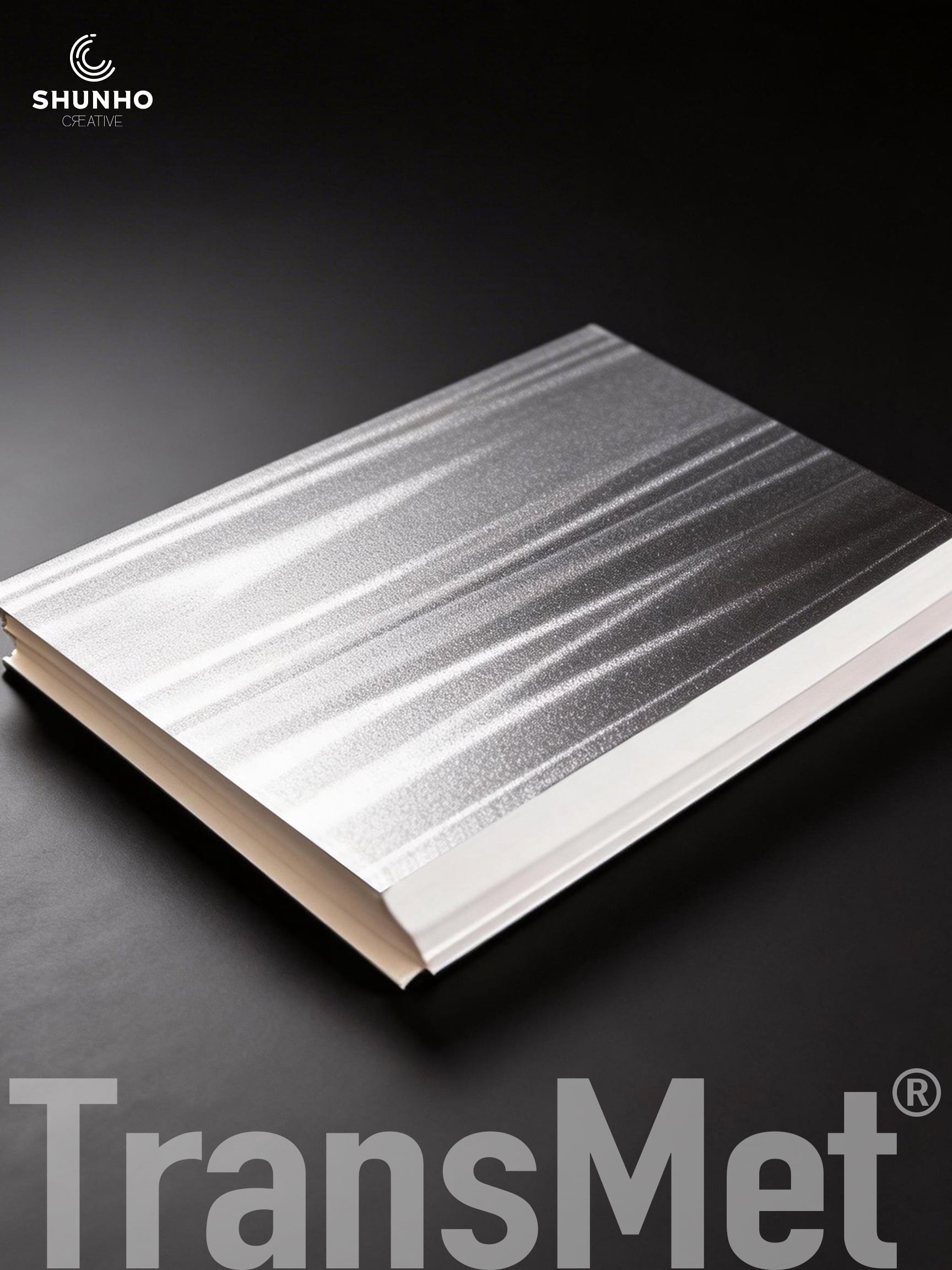
One of the primary benefits of custom food wrap paper is its eco-friendly nature, particularly when made from recyclable and biodegradable materials like Shunho Creative’s TransMet paper. This offers businesses a way to align their packaging with sustainability goals, which is increasingly important to consumers today.
When sourcing custom food wrap paper, consider the following tips:
Identify Your Needs: Determine the specific requirements for your application, including size, thickness, and any particular performance characteristics (such as moisture or grease resistance).
Request Samples: Always request samples before placing bulk orders. This ensures the paper meets your visual and functional requirements.
Understand Supplier Capabilities: Evaluate potential suppliers based on their production capabilities, such as MOQ (Minimum Order Quantity), lead times, and customization options.
Check Certifications: Look for certifications that verify the product’s safety for food contact and environmental claims.
By following these tips, you can streamline your sourcing process and ensure you select the right product for your business.

When ordering custom food wrap paper, several key specifications should be taken into account to ensure the product meets your functional and regulatory requirements:
Material Composition: The choice of material affects not only the wrap’s durability but also its environmental footprint. Options like TransMet paper offer a plastic-free alternative with a thin aluminum layer that enhances barrier properties while remaining recyclable.
Thickness and Weight: The thickness of the paper can influence its strength and effectiveness in preserving food. Typically measured in microns, a thicker paper may provide better protection but can also affect the wrap's flexibility.
Barrier Properties: Evaluate the paper’s moisture, oxygen, and grease barrier capabilities, as these will determine its effectiveness in preserving food quality and extending shelf life.
Printing and Customization Options: If branding is important, consider the printing capabilities of the supplier. High-quality printing options can enhance your product presentation while maintaining functionality.
Understanding these specifications will guide you in selecting the most suitable paper packaging for your needs.

Quality assurance is critical when selecting custom food wrap paper. Here are some key factors to consider during your evaluation:
Performance Testing: Conduct tests to assess the paper's performance in real-world conditions. This includes checking its strength, barrier properties, and resistance to common food items.
Visual Inspection: Examine the paper's surface for uniformity in texture and color. Any inconsistencies may indicate production issues that could impact performance.
Supplier Reputation: Research the supplier's history in the industry. A manufacturer with a strong track record, such as Shunho Creative, provides reassurance regarding product quality and reliability.
Customer Reviews and Case Studies: Seek out testimonials or case studies from other businesses that have used the supplier’s custom food wrap paper. This can give insights into its practical performance and durability.
By focusing on these quality evaluation methods, you can mitigate the risk of receiving subpar products.
Understanding the cost factors involved in purchasing custom food wrap paper is essential for effective budgeting and procurement. Here are some primary cost considerations:
Material Costs: The type of material significantly influences the price. Sustainable options may have a higher upfront cost but can lead to savings in waste management and consumer appeal.
Order Volume: Bulk purchasing often reduces the per-unit cost. However, be mindful of your storage capabilities and the potential for over-ordering.
Customization Fees: Custom designs or printing can incur additional costs. Ensure you understand all fees associated with customization before finalizing your order.
Shipping and Delivery: Factor in shipping costs, which can vary based on the supplier’s location and your delivery requirements.
By considering these factors, you can better estimate the total cost of ownership for gift packing paper and plan your budget accordingly.
Over 20 years of foreign trade experience.The Rainbow paper production capacity of laser paper could up to 200,000 tons.
Holographic sticker paper for English, Spanish and Japanese is available.
Most Rainbow paper the customers come from the world's best 500 companies
With FSC, REACH, Rainbow paper 21 CFR 176.170, (EU) No 10/2011, TUV OK COMPOST HOME, RECYCLABLE, ISO 9001/14001/45001, CNAS, PATENTS and other environmental protection certificates
Finding a reliable Shunho is a crucial step in the procurement process. Here are some effective strategies to identify trustworthy suppliers for custom food wrap paper:
Industry Directories and Trade Shows: Participate in industry trade shows or consult online directories that list certified suppliers. This allows you to meet potential suppliers face-to-face and assess their products firsthand.
Networking: Leverage your professional network to get recommendations from colleagues or industry contacts who have experience with specific suppliers.
Online Research: Conduct thorough online research to find manufacturers who specialize in eco-friendly packaging. Review their websites for product specifications, certifications, and customer testimonials.
Request Proposals: Once you have a shortlist, reach out to potential suppliers with your specifications and request proposals. This will help you compare offerings and evaluate their responsiveness and customer service.
By employing these strategies, you can locate reliable suppliers that align with your sourcing goals and quality standards.
By understanding the nuances of food wrapping paper—from sourcing and specifications to quality evaluation and cost factors—B2B buyers can make informed decisions that support their operational needs and sustainability goals.
 EN
 AR
 HR
 CS
 DA
 NL
 FI
 FR
 DE
 EL
 HI
 IT
 JA
 KO
 NO
 PT
 RU
 ES
 TL
 ID
 VI
 HU
 TH
 TR
 MS
 GA
 CY
 MK
 HY
 PL