Selecting the right paper packaging is crucial for businesses across various sectors, including electronics, cosmetics, and FMCG. As more companies prioritize sustainability, eco-friendly options like those offered by Shunho Creative, such as whiteboard, laminated paper, and the innovative TransMet paper, have gained prominence. This article will explore key considerations when choosing paper packaging for wholesale orders, helping purchasing managers and product managers make informed decisions that align with both functionality and environmental responsibility
When evaluating paper packaging box options for wholesale orders, several factors come into play. First, assess the specific requirements of your product. Consider the weight, size, and shape of the item you need to package. The right packaging must provide adequate protection during transit while being easy to handle and store
Another critical aspect is the environmental impact of the packaging materials. As sustainability becomes a priority for many consumers, choosing eco-friendly paper packaging, like Shunho Creative’s plastic-free TransMet paper, can enhance your brand’s reputation. Additionally, check for certifications that indicate the materials are responsibly sourced and fully recyclable
Cost is also a significant factor. Evaluate the total cost of ownership, which includes production costs, shipping fees, and potential waste. Understanding your minimum order quantity (MOQ) and lead times is essential for planning and budgeting effectively
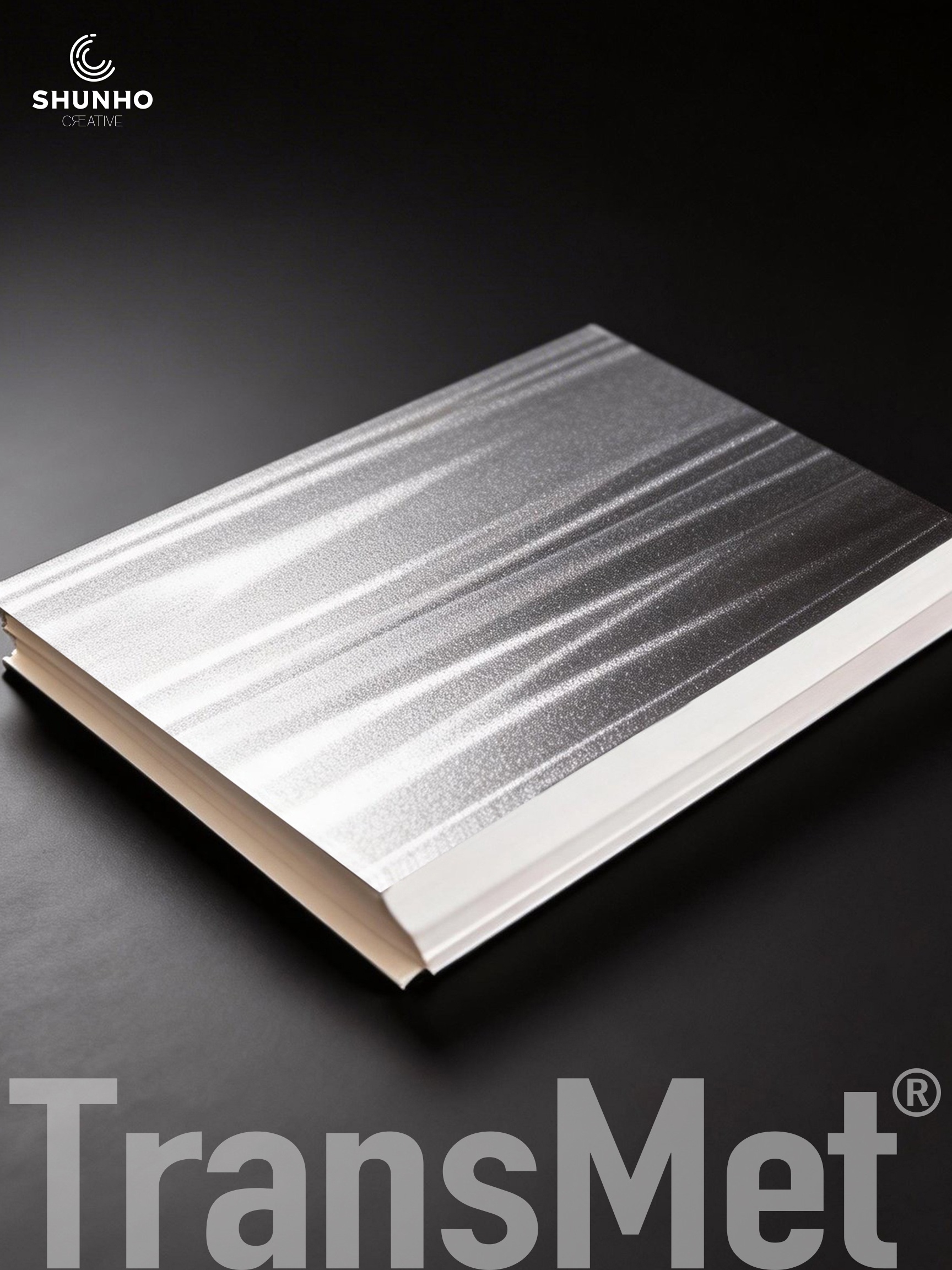
High-quality paper packaging solutions depend on various specifications that directly affect performance and suitability for different applications. Key specifications to consider include
Material Composition: Select materials based on their barrier properties, which can impact moisture and oxygen exposure. For instance, Shunho Creative’s TransMet paper features a 30nm aluminum layer that enhances barrier performance while remaining fully recyclable
Thickness and Weight: The thickness of the paper affects its durability and protective capabilities. Thicker materials generally provide better protection but may increase shipping costs
Sealing Method: The method of sealing the packaging—whether adhesive, heat sealing, or another technique—can influence the packaging's integrity and shelf life
Printability: If branding is critical, consider how well the material can hold inks and finishes, as this affects the visual appeal of the packaging
Customizability: Look for manufacturers that offer customization options in terms of size, shape, and design to meet specific product needs
By focusing on these specifications, businesses can select packaging that not only protects their products but also aligns with their branding and sustainability goals
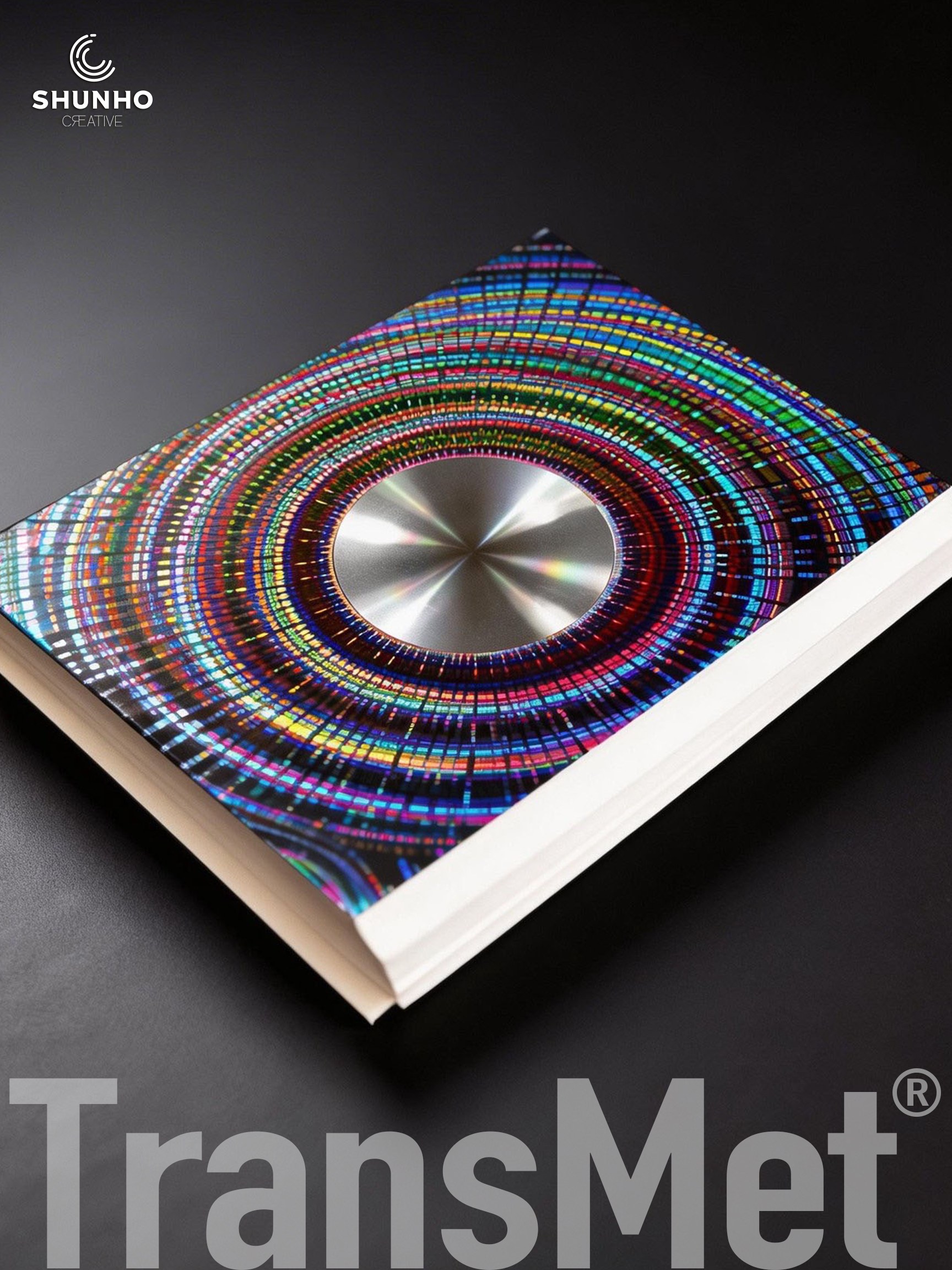
When comparing eco-friendly paper packaging options, it’s essential to evaluate several key factors
Material Sourcing: Verify the sustainability of the materials used. Look for certifications such as FSC (Forest Stewardship Council) that indicate responsible sourcing practices
Production Processes: Understand how the packaging is manufactured. Advanced technologies, such as Shunho Creative's vacuum transfer Metalizing technology, can improve product performance while minimizing environmental impact
Recyclability and Degradability: Confirm that the packaging can be recycled or degraded without harming the environment. This is particularly important for companies aiming to reduce their ecological footprint
Performance Metrics: Compare the barrier properties and durability of different options. Higher-performing materials may justify a higher initial cost due to lower waste and better product protection
Supplier Reputation: Research potential suppliers’ track records in delivering quality products and services. Reviews and case studies can provide insight into their reliability and innovation in eco-friendly solutions
By conducting thorough comparisons, businesses can select the most suitable and sustainable paper packaging or art paper box packaging options that meet their operational needs
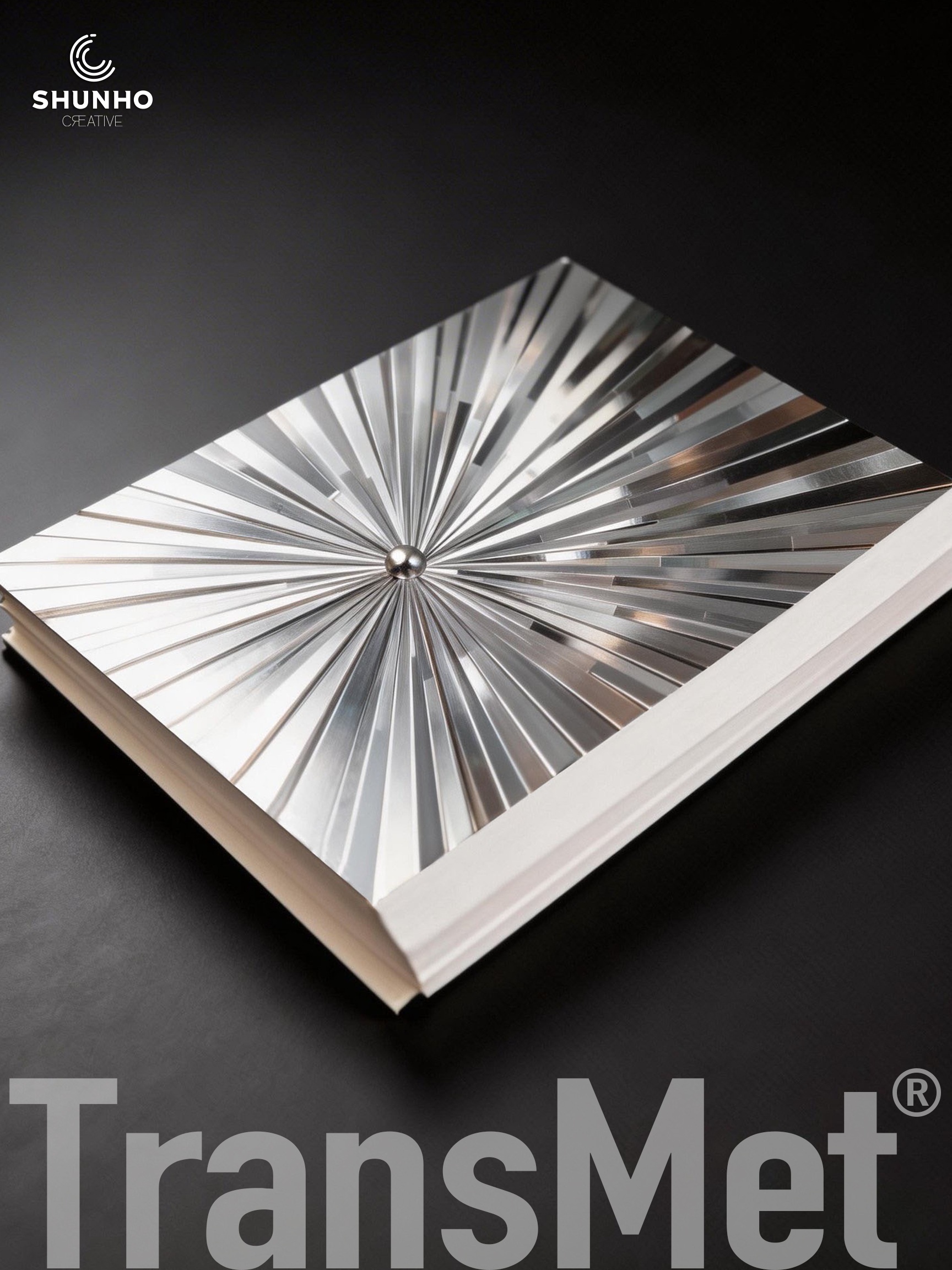
Paper packaging is versatile and can be employed in a myriad of applications across various industries
Electronics: In the electronics sector, packaging must protect sensitive components from static and physical damage. Products like Shunho Creative’s laminated paper can provide the necessary barrier while ensuring a professional appearance
Cosmetics: The cosmetics industry values visually appealing packaging that also maintains product integrity. Paper options that are easily customizable can enhance branding while being eco-friendly
FMCG (Fast-Moving Consumer Goods): Quick turnover products require packaging that is cost-effective and durable. Effective use of paper packaging can reduce costs associated with returns due to damaged goods
Food Packaging: When packaging food items, compliance with safety standards is crucial. Paper packaging materials must be food-safe and designed to maintain freshness
Understanding these application scenarios can help businesses choose the right paper packaging that meets industry standards while fulfilling customer expectations
Holographic paper for English, Spanish and Japanese is available.
Experiential experience in international trade for more than 20 years.The annual capacity of laser-printed paper can Holographic check paper 200 tons.
The majority of customers come Holographic stickers paper the leading 500 businesses in the world.
With FSC, Holographic silver paper, FDA 21 CFR 176.170, (EU) No 10/2011, TUV OK COMPOST HOME, RECYCLABLE, ISO 9001/14001/45001, CNAS, PATENTS and other environmental protection certificates
Optimizing the use of paper packaging requires careful planning and execution. Here are some practical tips for successful installation and usage in projects
Sample Testing: Before committing to mass production, request samples of the paper packaging. Test these samples under actual operating conditions to assess their performance and suitability
Training Staff: Ensure that staff members are trained on how to handle and package products correctly. Improper handling can lead to damage or inefficiencies
Quality Control: Implement a quality control process to inspect incoming packaging materials for defects. Check for consistency in dimensions, sealing, and print quality
Packaging Design Review: Collaborate with design teams to create packaging that is not only functional but also aligns with branding. Consider how the packaging will be displayed and perceived by end-users
Feedback Loop: Establish a feedback mechanism to gather insights from staff and customers regarding the performance of the packaging. This can inform future improvements and customizations
By following these guidelines, companies can effectively utilize paper packaging or custom paper packaging box to enhance product protection, streamline operations, and satisfy customer demands
 EN
 AR
 HR
 CS
 DA
 NL
 FI
 FR
 DE
 EL
 HI
 IT
 JA
 KO
 NO
 PT
 RU
 ES
 TL
 ID
 VI
 HU
 TH
 TR
 MS
 GA
 CY
 MK
 HY
 PL