Custom cardboard packaging is a versatile solution used across various industries, offering protection and branding for products while maintaining sustainability. For B2B buyers, understanding the specifications, applications, and customization options of custom cardboard packaging is crucial to making informed purchasing decisions. This article will guide you through the essential considerations in selecting the right packaging for your needs, ensuring you can evaluate options effectively and align them with your operational requirements.
Selecting the appropriate custom cardboard packaging involves assessing several key factors. First, consider the nature of the product being packaged. Products that are fragile or sensitive to environmental conditions require packaging that provides adequate protection, such as reinforced or double-walled cardboard structures.
Next, think about the branding requirements. Custom printing options allow for branding directly on the packaging, which can enhance visibility and appeal in a competitive market. The design should not only reflect the brand but also facilitate easy handling and transport.
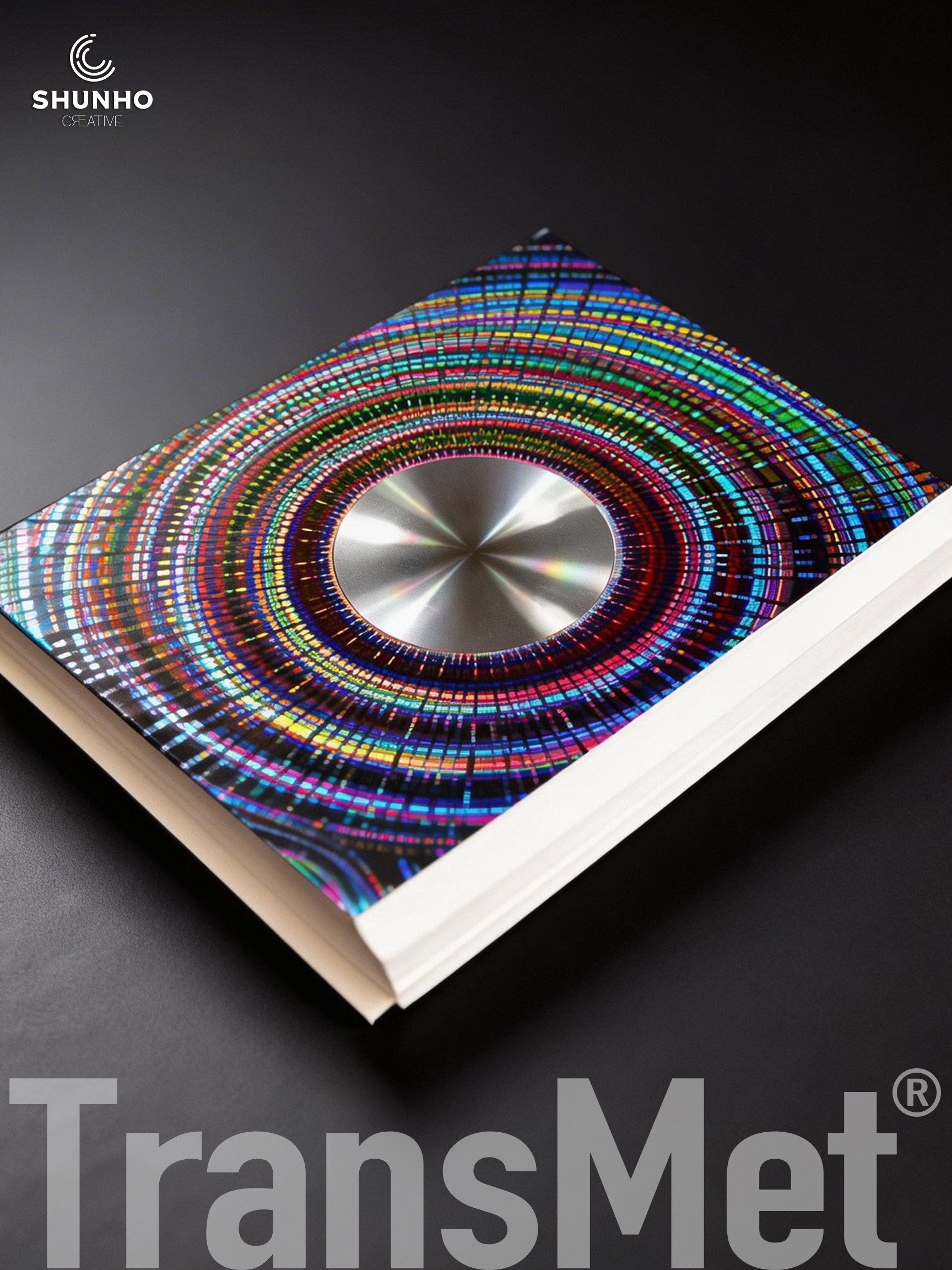
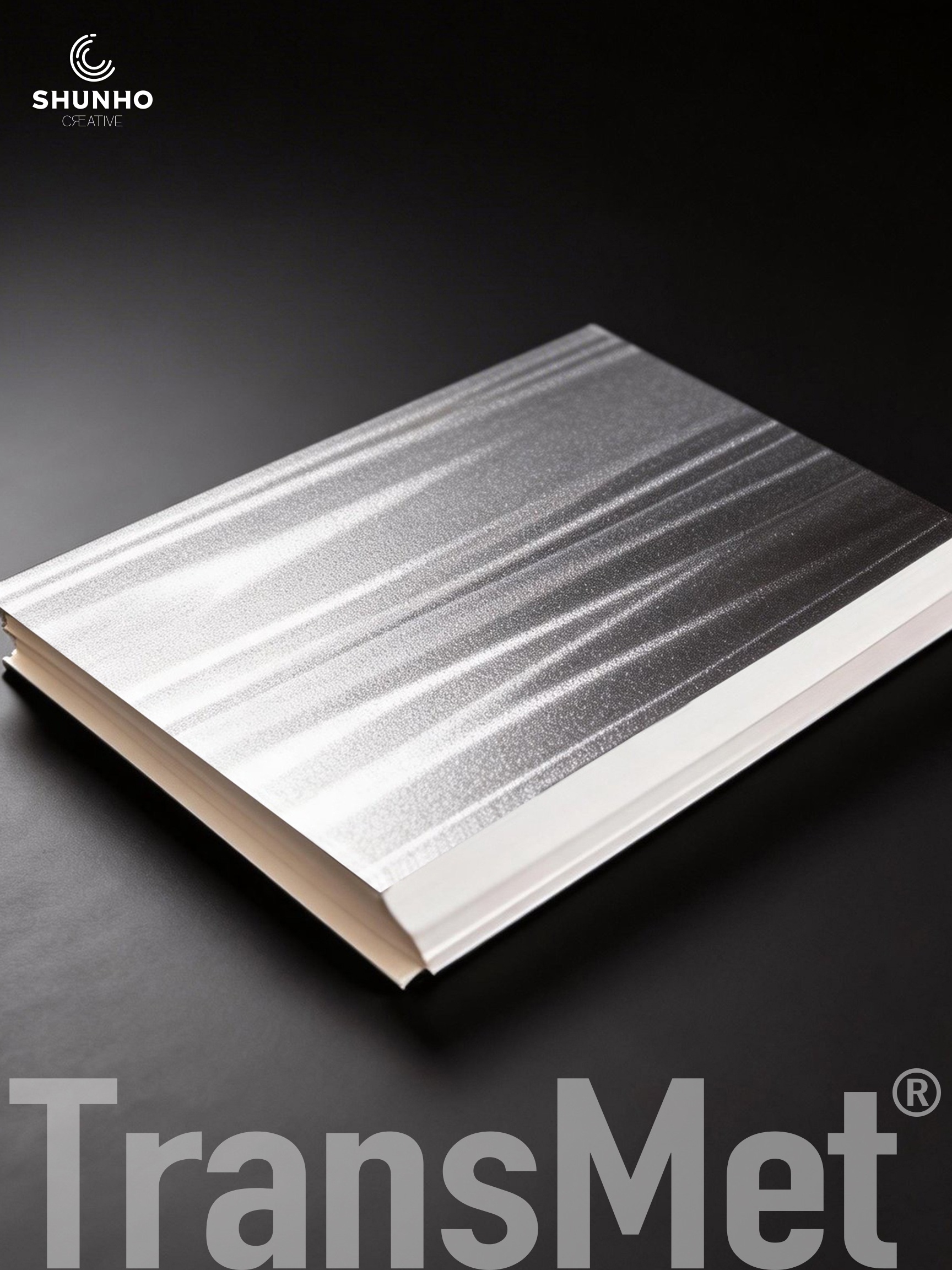
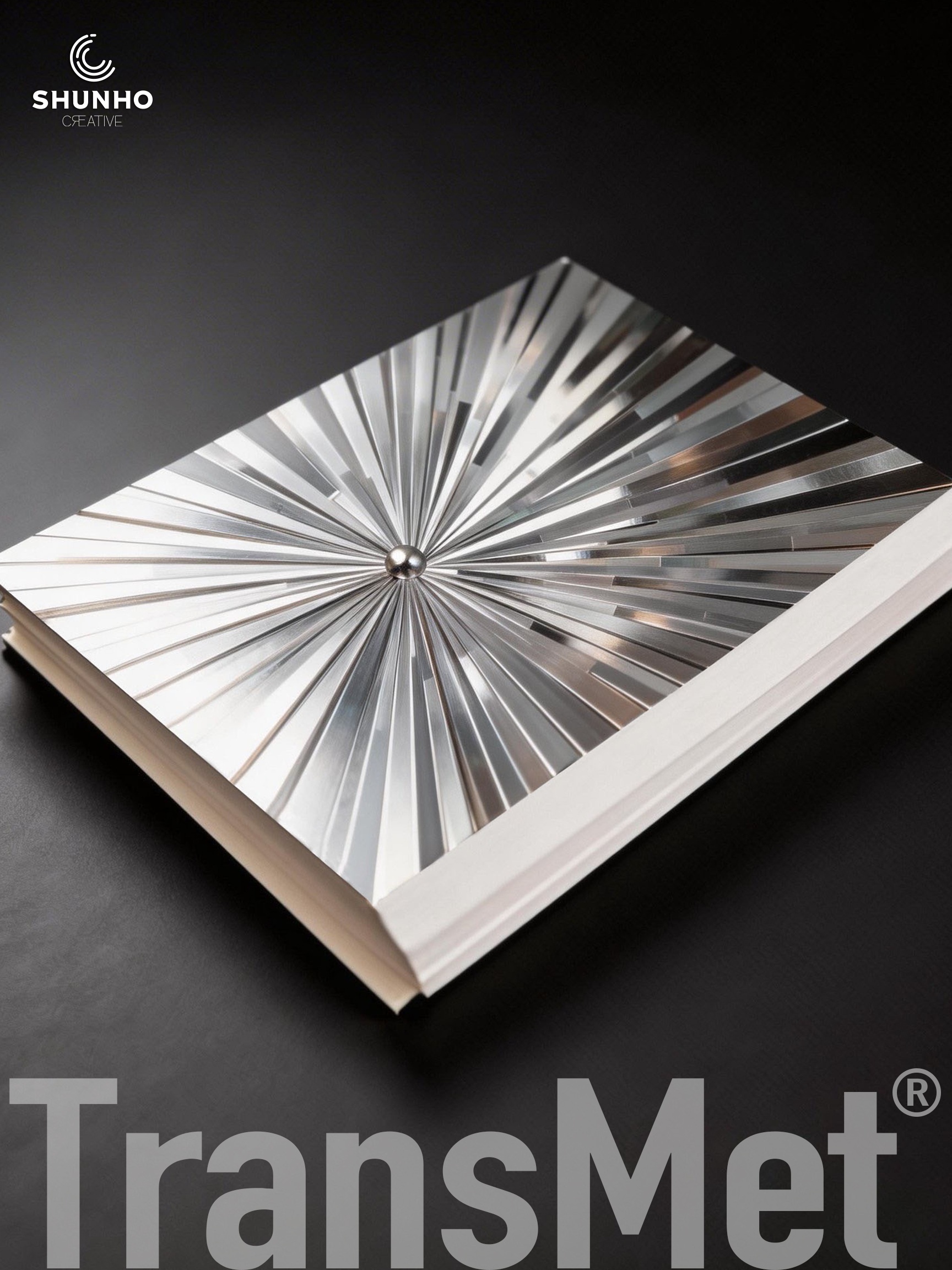
Lastly, sustainability is increasingly important for consumers and businesses alike. Opting for eco-friendly materials, such as those produced with Shunho Creative's signature plastic-free TransMet paper, can make a positive impression on environmentally conscious customers. Buyers should ensure that the materials chosen are recyclable and meet the necessary environmental standards.
When evaluating custom cardboard packaging, focus on several critical specifications:
Material Composition: The choice of material affects durability, weight, and cost. Cardboard options vary, including recycled paper, virgin fiber, and laminated materials. Understanding the properties of each material will help determine suitability for your application.
Thickness and Flute Type: The thickness of cardboard (measured in points or millimeters) influences its strength. For instance, thicker materials are generally more protective but may add weight. Flute types (A, B, C, E, and F) indicate the type of corrugation, impacting the packaging’s cushioning properties and stacking strength.
Dimensions and Customization: Accurate dimensions are crucial for ensuring that the packaging fits the product perfectly. Custom sizes can be tailored to minimize movement inside the box, reducing the risk of damage during transit. Buyers should communicate their precise dimensions and any design elements to ensure accurate quotes.
Printing Capabilities: The ability to print high-quality graphics on the packaging is essential for branding. Ensure that the supplier can meet your printing requirements, including color fidelity and resolution.
Weight Tolerance: It’s vital to assess the load-bearing capacity of the packaging. This specification is particularly important for heavier items or when stacking boxes during storage and transportation.
When comparing wholesale options for custom recycled cardboard packaging, consider the following factors to ensure the best choice for your business:
Minimum Order Quantities (MOQ): Different suppliers have varying MOQs. Determine how much packaging you will need and choose a supplier that can accommodate your order without excessive surplus.
Pricing Structure: Analyze how pricing tiers work with different order quantities. Often, larger orders may lead to significant cost savings, but this must be balanced with your actual needs and storage capabilities.
Lead Times: Assess the lead times for production and delivery. A supplier that can offer quick turnaround times may be crucial for businesses with fluctuating demands or urgent projects.
Quality Control Processes: Verify the quality assurance measures in place at potential suppliers. This can include testing for durability, print quality, and adherence to specifications, ensuring that the packaging meets your standards before delivery.
Customization Options: Some suppliers may offer more extensive customization capabilities than others. Ensure that potential partners can meet not only your current needs but also any future demands for varied sizes, shapes, or designs.
Custom cardboard packaging finds applications across multiple sectors, each with unique requirements:
Electronics: In the electronics industry, packaging must provide protection against static electricity and physical impacts. Custom designs that include cushioning materials are crucial for safeguarding delicate components.
Cosmetics: The cosmetics sector often requires visually appealing packaging that conveys luxury and quality. Custom cardboard packaging can be designed to include unique shapes and finishes that enhance the product's aesthetic appeal.
FMCG (Fast-Moving Consumer Goods): For FMCG products, cardboard packaging needs to be lightweight yet strong enough to withstand the rigors of transportation. Custom designs can facilitate easy stacking on retail shelves, optimizing space and visibility.
Food and Beverage: When packaging food products, compliance with health regulations is essential. Cardboard packaging must be food-safe and possibly include features that extend shelf life or maintain freshness.
In each case, the choice of packaging not only impacts product safety but also influences consumer perception and brand loyalty.
Experiential experience in international trade for more than 20 years.The annual capacity of laser-printed paper can Holographic check paper 200 tons.
Most Rainbow paper the customers come from the world's best 500 companies
With FSC, REACH, FDA 21 CFR 176.170, (EU) No 10/2011, TUV OK Holographic paper, RECYCLABLE, ISO 9001/14001/45001, CNAS, PATENTS and other environmental protection certificates
Support for English, Spanish and Japanese is Rainbow wrapping paper.
Proper installation and handling of custom cardboard packaging are vital for ensuring that products reach their destination in perfect condition. Here are some practical tips:
Pre-Assembly Checks: Before assembling packaging, verify that all components are present and undamaged. This includes checking for any printing or structural defects that could affect performance.
Handling Procedures: Train staff on proper handling techniques to avoid crushing or damaging the packaging before it is filled. Consider using tools or equipment that minimize manual handling, especially for heavy or bulky items.
Sealing Techniques: Use appropriate sealing methods to secure the packaging, such as tape or glue, ensuring that it can withstand the rigors of shipping. The sealing method should also align with the product's weight and fragility.
Storage Conditions: Store eco friendly custom packaging in a dry, cool place to prevent warping or degradation. Proper storage conditions will help maintain the integrity of the packaging until it is ready for use.
Sample Approval: Before proceeding with mass production, always request a sample of the custom packaging to inspect dimensions, print quality, and overall performance under typical handling conditions. This step is crucial to avoid costly mistakes in large orders.
By following these guidelines, buyers can ensure that their custom cardboard packaging not only meets specifications but also performs effectively throughout the supply chain.
 EN
 AR
 HR
 CS
 DA
 NL
 FI
 FR
 DE
 EL
 HI
 IT
 JA
 KO
 NO
 PT
 RU
 ES
 TL
 ID
 VI
 HU
 TH
 TR
 MS
 GA
 CY
 MK
 HY
 PL