When considering packaging solutions for your business, cardboard packaging boxes are a popular choice due to their versatility, sustainability, and cost-effectiveness. As a B2B buyer, you may prioritize factors like material quality, production capabilities, and supplier reliability. This article aims to provide you with practical insights into selecting the right cardboard packaging boxes, ensuring they meet your operational needs and industry standards.
When selecting cardboard packing boxes for wholesale, several key factors must be evaluated. First, understand the intended application of the boxes. Whether for electronics, cosmetics, or fast-moving consumer goods (FMCG), the specific requirements for durability, protection, and aesthetics will vary.
Material selection is crucial. Cardboard comes in various grades and types, such as single-wall, double-wall, or triple-wall constructions. Each type offers different levels of strength and protection. For instance, double-wall boxes are often preferred for heavier items or for products requiring additional cushioning during transit.
Another important consideration is customization. Many suppliers, like Shunho Creative, offer options for custom sizes, prints, and finishes. Customization can enhance brand visibility and ensure the packaging aligns with your product specifications. Lastly, evaluate the supplier's production capacity and lead times to ensure they can meet your demand without compromising quality.

High-quality cardboard packaging boxes should meet specific specifications to ensure they perform well in their intended use. Key specifications include:
Material Thickness: The thickness of the cardboard influences its strength and durability. For example, a standard thickness of 32 ECT (Edge Crush Test) is suitable for many applications, but heavier products may require a higher rating.
Dimensions: Accurate dimensions are essential for ensuring the box fits the product securely. Boxes that are too large can lead to movement during shipping, while boxes that are too small may not accommodate the product properly.
Sealing and Closure Options: Various sealing methods, such as tape, glue, or locking tabs, can affect the performance of the box. Consider what closure method best suits your product’s weight and distribution process.
Recyclability: Eco-friendliness is increasingly important in today’s market. Look for cardboard that is made from recycled materials and is fully recyclable itself, such as the plastic-free TransMet paper offered by Shunho Creative.

Finding reliable suppliers for recycled cardboard packaging involves thorough research and evaluation. Start by considering manufacturers with a proven track record in the industry. Suppliers like Shunho Creative, known for their eco-friendly materials and advanced production techniques, can be a great option.
Check for certifications that indicate quality and environmental responsibility, such as ISO certifications or compliance with sustainability standards. Additionally, customer reviews and case studies are valuable resources for assessing supplier reliability.
Networking within industry forums or trade shows can also connect you with credible suppliers. Once you have a shortlist, request samples to evaluate the quality of their products before committing to larger orders.

Proper installation of cardboard packaging boxes is crucial for maximizing their effectiveness. Here are some guidelines to ensure efficient use:
Preparation: Before filling boxes, ensure they are clean and dry. Any moisture can compromise the cardboard’s integrity.
Filling: When placing products inside, ensure they fit snugly without excessive force. Use additional cushioning materials if necessary to prevent movement.
Sealing: Properly seal the boxes using the recommended method. For heavier items, reinforce the seams with high-quality packing tape to enhance durability.
Labeling: Clearly label each box for inventory management and shipping accuracy. Use durable labels that can withstand transportation conditions.
Storage: Store filled boxes in a dry, cool environment to prevent deterioration. Avoid stacking them too high to prevent crushing.
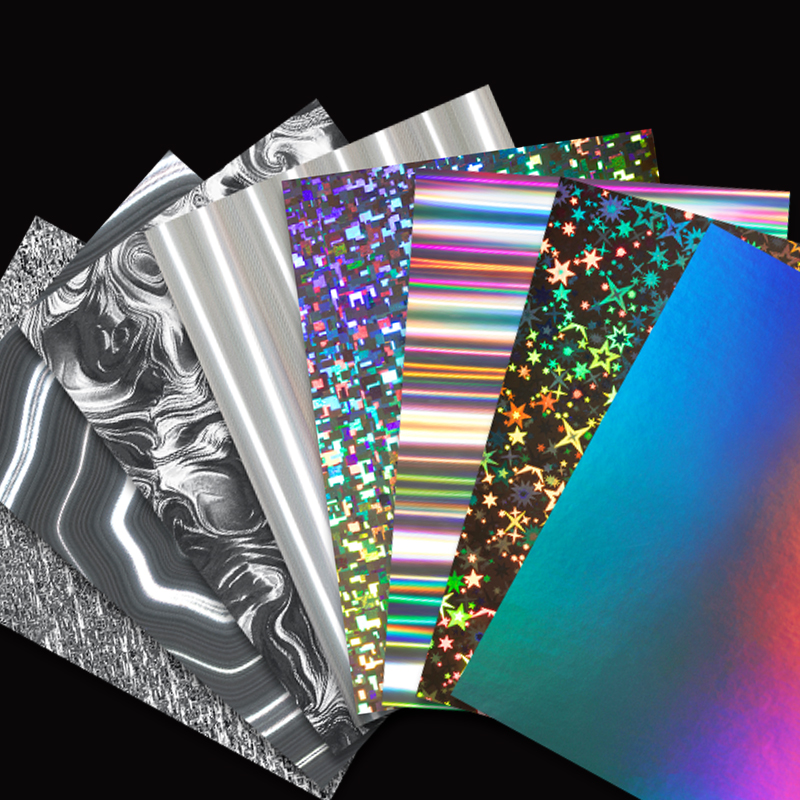
Support for English, Spanish and Japanese is Holographic paper sticker.
Holographic paper experience in international trade for more than 20 years.Laser paper has a production capacity that can go the 200,000 ton mark each year.
With FSC, REACH, FDA 21 CFR 176.170, ( Holographic check paper) No 10/2011, TUV OK COMPOST HOME, RECYCLABLE, ISO 9001/14001/45001, CNAS, PATENTS and other environmental protection certificates
The Holographic sticker paper of customers come from the top 500 companies in world.
Cardboard packaging boxes can encounter several common issues during use. Understanding these problems and their solutions can help maintain packaging integrity.
Moisture Damage: Cardboard is susceptible to moisture, which can weaken its structure. To combat this, ensure that storage and shipping environments are dry. Consider using moisture-resistant coatings for products exposed to humidity.
Inadequate Strength: If boxes are not strong enough for the intended load, they may collapse. Always select the appropriate box type based on the product weight and fragility. For heavier items, opt for double or triple-wall boxes.
Improper Sealing: Weak seals can lead to boxes opening during transit. Use high-quality sealing methods and test them during sample approvals to ensure they hold under load.
Incorrect Sizing: Boxes that are too large can cause products to shift, while those that are too small can lead to damage. Always confirm dimensions based on the products being packaged.
By understanding these common issues and implementing best practices, you can enhance the performance of your cardboard packaging and ensure they meet your operational needs effectively.
 EN
 AR
 HR
 CS
 DA
 NL
 FI
 FR
 DE
 EL
 HI
 IT
 JA
 KO
 NO
 PT
 RU
 ES
 TL
 ID
 VI
 HU
 TH
 TR
 MS
 GA
 CY
 MK
 HY
 PL