In the evolving landscape of packaging, selecting the right package materials is crucial for manufacturers and distributors alike. Packaging materials are essential for protecting products, enhancing brand appeal, and meeting regulatory requirements. This article provides a comprehensive guide for B2B buyers, including purchasing managers and product managers, to understand the critical aspects of packaging materials, with a focus on eco-friendly options such as Shunho Creative's innovative offerings.
When evaluating packaging materials, several factors are essential to ensure they meet your specific project requirements. First, consider the material's composition. Eco-friendly options, like Shunho Creative’s TransMet paper, offer unique benefits, such as being fully recyclable and degradable due to its plastic-free design. A thorough understanding of the materials used, including their barrier properties, weight, and structural integrity, is vital. For instance, the 30nm aluminum layer in TransMet paper provides exceptional moisture and light barrier properties, making it suitable for sensitive products in electronics and cosmetics.
Next, assess the manufacturing process. High-quality eco packaging materials should be produced using advanced technologies that ensure consistency and reliability. Shunho Creative employs vacuum transfer metallizing technology, which enhances the overall performance of its packaging products. Buyers should also inquire about certifications and compliance with industry standards, ensuring that the materials are safe for their intended use and meet any applicable regulations.
Finally, consider the intended application. Different industries have varying requirements; for example, packaging for electronics must protect against static and moisture, while cosmetics packaging may need to enhance aesthetic appeal. By aligning material specifications with application needs, buyers can ensure optimal performance and consumer satisfaction.
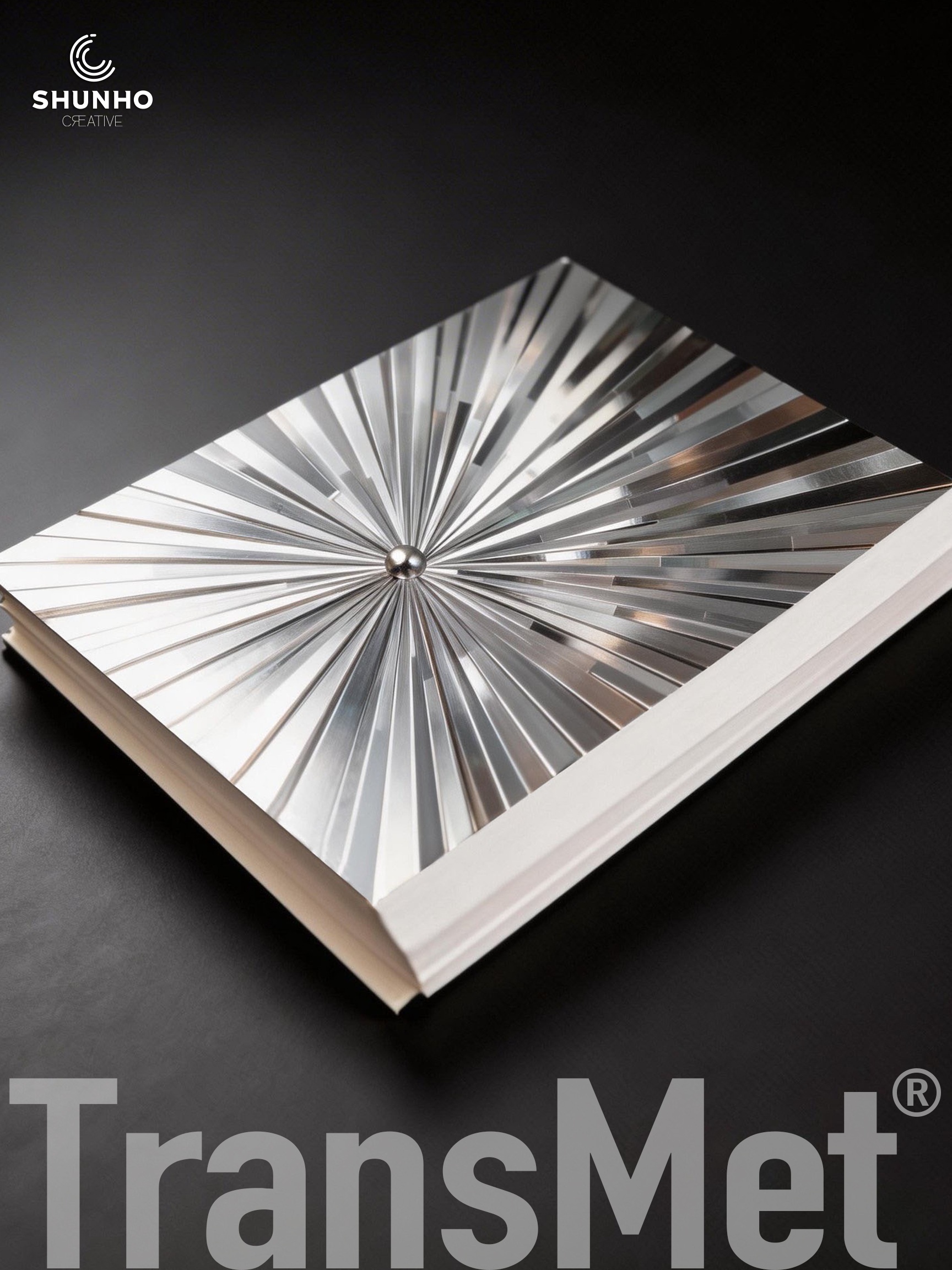
Finding reliable suppliers of eco-friendly packaging solutions requires a strategic approach. Start by researching manufacturers that specialize in sustainable materials. Look for companies with a proven track record, such as Shunho Creative, which leads the market in eco-friendly packaging with its annual productivity of 200,000 tons.
Utilize industry trade shows and online marketplaces to identify potential suppliers. Trade shows often showcase innovations in packaging, allowing buyers to meet manufacturers face-to-face and examine their products firsthand. Online platforms can also provide valuable insights through reviews and ratings from other buyers.
Networking within industry associations or forums can yield personal recommendations for suppliers who prioritize sustainability and quality. Engaging with peers in your industry can help identify suppliers known for their eco-friendly practices and product reliability. Before finalizing any supplier, request samples and conduct quality checks to ensure their products align with your standards.
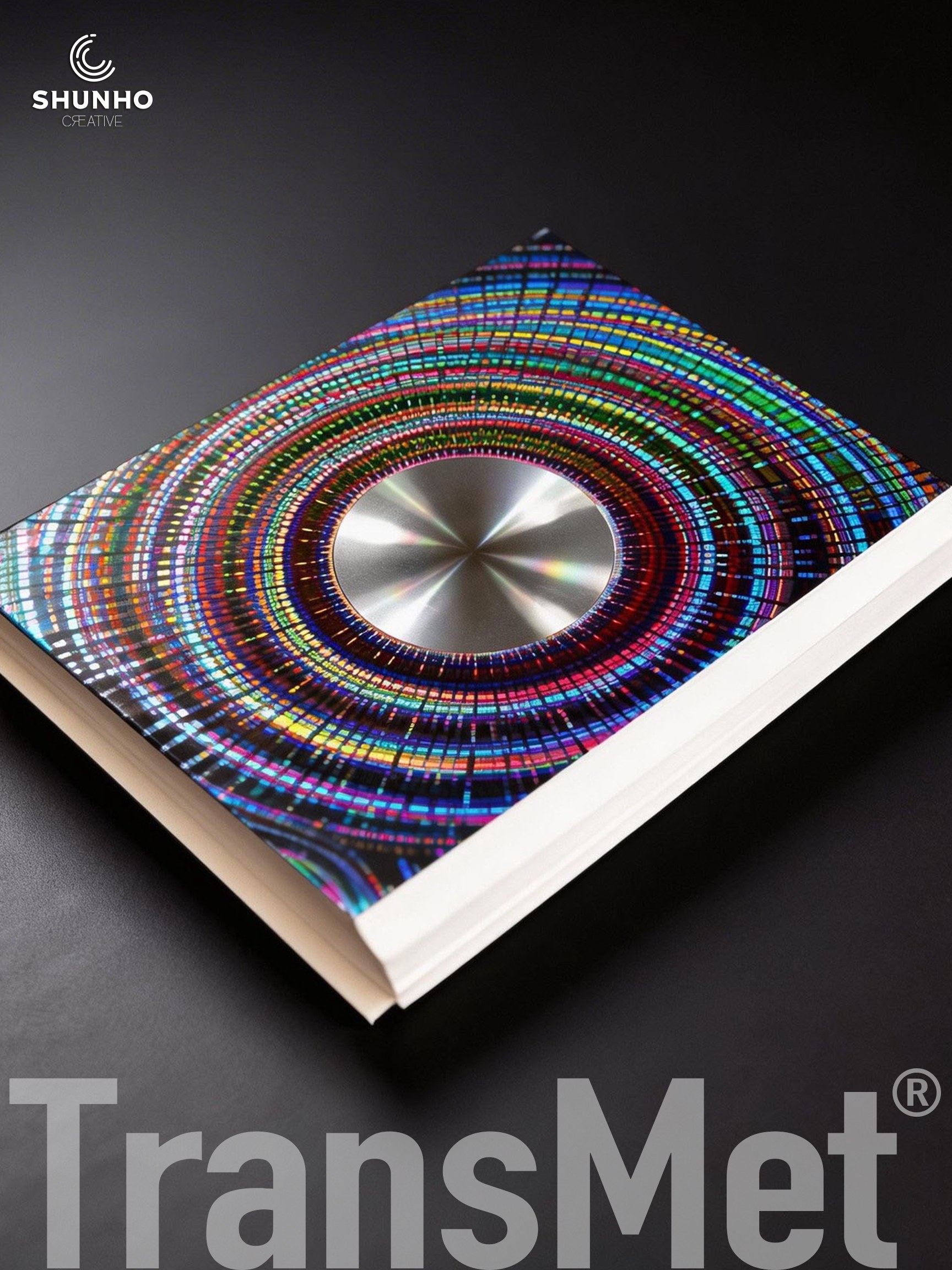
Distributors often seek cost savings on packaging materials without compromising quality. One way to achieve this is by evaluating bulk purchasing options. Suppliers like Shunho Creative typically offer discounts for larger orders, which can significantly reduce per-unit costs. Additionally, consider the total cost of ownership, which includes not only the purchase price but also the costs associated with shipping, storage, and potential returns due to damaged packaging.
Another approach is to streamline your supply chain. By working closely with suppliers to optimize delivery schedules and reduce lead times, distributors can minimize inventory holding costs. Furthermore, using eco friendly packaging material may qualify your business for tax incentives or grants aimed at promoting sustainable practices, providing additional financial benefits.
Lastly, consider the impact of packaging design on logistics. Efficient packaging can reduce shipping costs by optimizing space, which can lead to substantial savings over time. For example, lightweight and structurally sound materials can minimize transportation expenses while ensuring product safety.
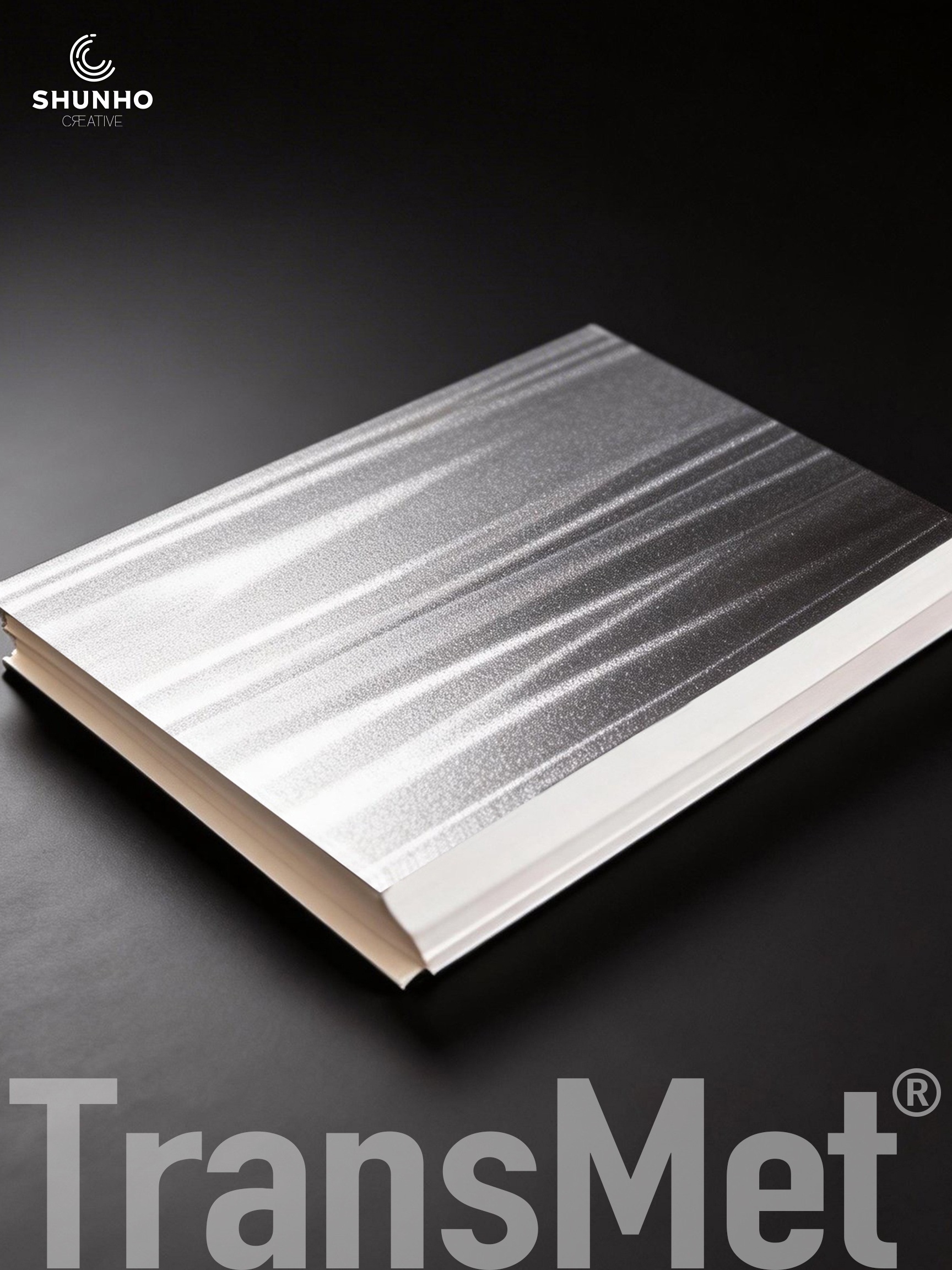
Common issues with packaging materials often arise during production, transit, or storage. One prevalent problem is the failure of materials to meet performance specifications, leading to product damage. For example, if a packaging solution lacks adequate moisture resistance, products may spoil or degrade. To mitigate this risk, conduct thorough testing under various conditions before mass production. Shunho Creative emphasizes the importance of sample approvals, ensuring that finished samples meet the required standards.
Another issue can be compatibility with production equipment. Packaging materials must be designed to work seamlessly with existing machinery to avoid production delays. Buyers should confirm that the selected materials are compatible with their filling, sealing, and labeling equipment.
Lastly, environmental concerns are increasingly impacting packaging choices. To address these, consider using sustainable materials, such as Shunho’s plastic-free TransMet paper, which not only meets eco-friendly standards but also appeals to environmentally conscious consumers. By proactively addressing these common problems, businesses can improve their packaging reliability and brand reputation.
With Sticker paper holographic, REACH, FDA 21 CFR 176.170, (EU) No 10/2011, TUV OK COMPOST HOME, RECYCLABLE, ISO 9001/14001/45001, CNAS, PATENTS and other environmental protection certificates
More than 20 years of foreign trade experience.Laser paper is produced at a capacity that could reach around Rainbow wrapping paper tons per year.
Most Rainbow paper the customers come from the world's best 500 companies
English, Spanish, Japanese, Korean and other languages are supported. Support all Rainbow paper from materials to finished products.
When sourcing packaging materials wholesale, several cost factors should be taken into account. Initially, evaluate the base price of materials, but don’t overlook additional expenses such as shipping, customs duties, and potential tariffs, which can significantly impact overall costs, especially for international orders.
Customization can also affect pricing. Eco friendly custom packaging solutions may require specialized production processes or materials, leading to higher costs. Buyers should communicate their specific requirements clearly to suppliers like Shunho Creative, who can provide tailored solutions that balance quality and cost-efficiency.
Additionally, consider the lifecycle cost of the packaging materials. Investing in higher-quality, durable packaging might involve a higher initial expense but can lead to savings in the long run by reducing product returns and increasing customer satisfaction. This is particularly relevant for packaging that needs to endure harsh shipping conditions or extended shelf life.
Lastly, keep an eye on market trends that may influence pricing, such as fluctuations in raw material costs or changes in regulatory requirements. Staying informed will help you make more strategic purchasing decisions, ensuring that you remain competitive while managing costs effectively.
 EN
 AR
 HR
 CS
 DA
 NL
 FI
 FR
 DE
 EL
 HI
 IT
 JA
 KO
 NO
 PT
 RU
 ES
 TL
 ID
 VI
 HU
 TH
 TR
 MS
 GA
 CY
 MK
 HY
 PL



