Compostable food packaging is an innovative solution designed to reduce environmental impact while maintaining food safety and quality. As businesses increasingly prioritize sustainability, understanding the key factors in selecting reliable suppliers, cost comparisons, and applications of compostable materials becomes essential. This article aims to guide purchasing managers, product managers, and other B2B buyers through the critical aspects of compostable food packaging, equipping them with the knowledge needed to make informed decisions.
Selecting a reliable supplier for compostable food packaging involves several critical considerations. First, assess the supplier's manufacturing capabilities and expertise in eco-friendly materials. For example, Shunho Creative specializes in advanced packaging solutions, utilizing biodegradable food packaging technology such as vacuum transfer metalizing to enhance product performance.
Next, verify the supplier’s certifications and compliance with industry standards regarding compostability and recyclability. It's essential to request documentation that verifies these claims, as not all packaging marketed as compostable meets stringent environmental regulations. Additionally, inquire about the supplier's quality control processes to ensure consistency and reliability in production.
Lastly, consider the supplier's capacity to meet your volume requirements. Understand their minimum order quantities (MOQ) and production lead times, as these factors can significantly affect your supply chain efficiency. By thoroughly vetting potential suppliers, buyers can mitigate risks and secure high-quality compostable packaging that aligns with their sustainability goals.

Wholesale purchasing of compostable food packaging offers several advantages, including cost savings and streamlined procurement processes. When exploring wholesale options, buyers should first identify their specific needs, such as the type of packaging required, dimensions, and material specifications.
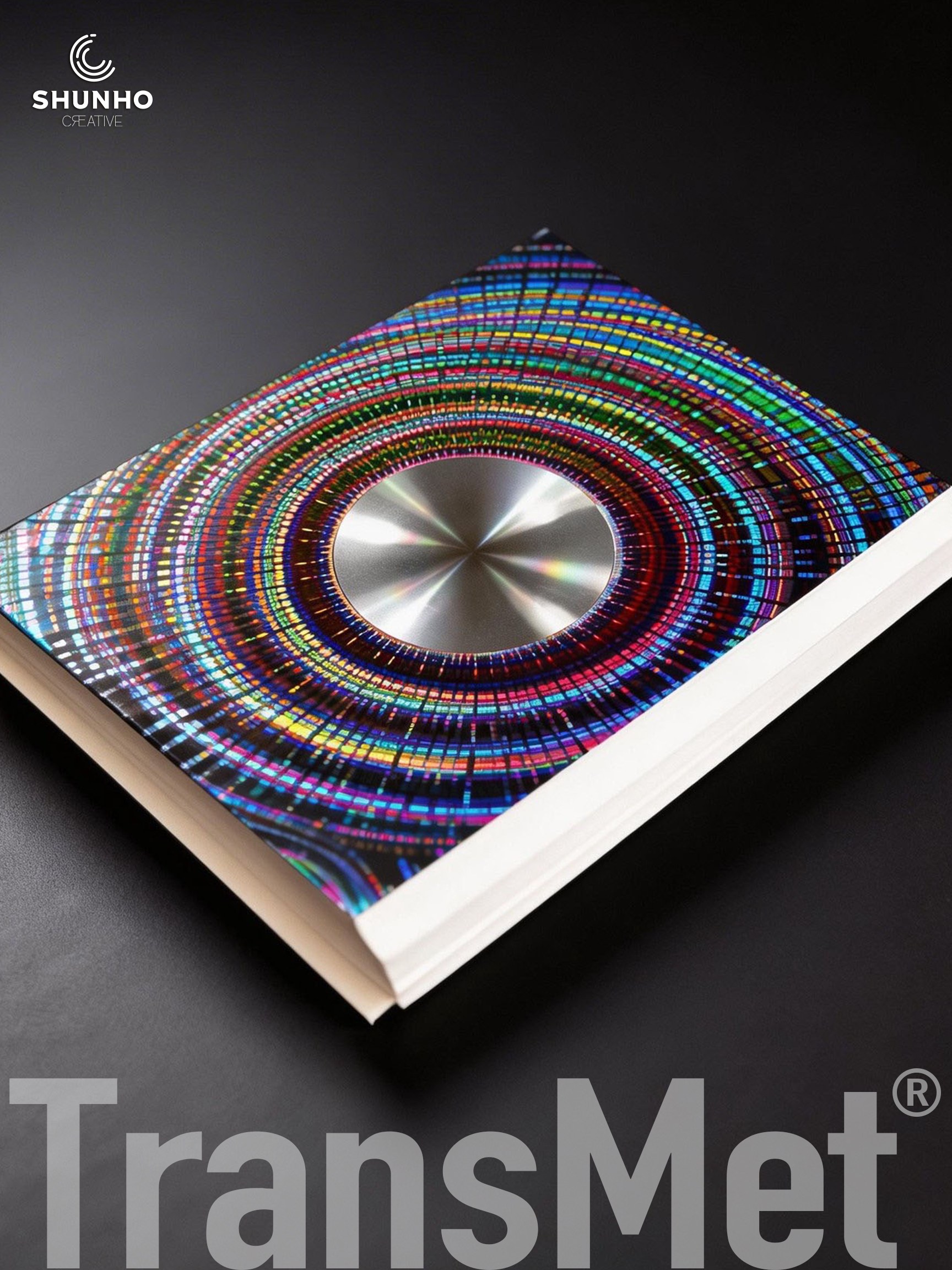
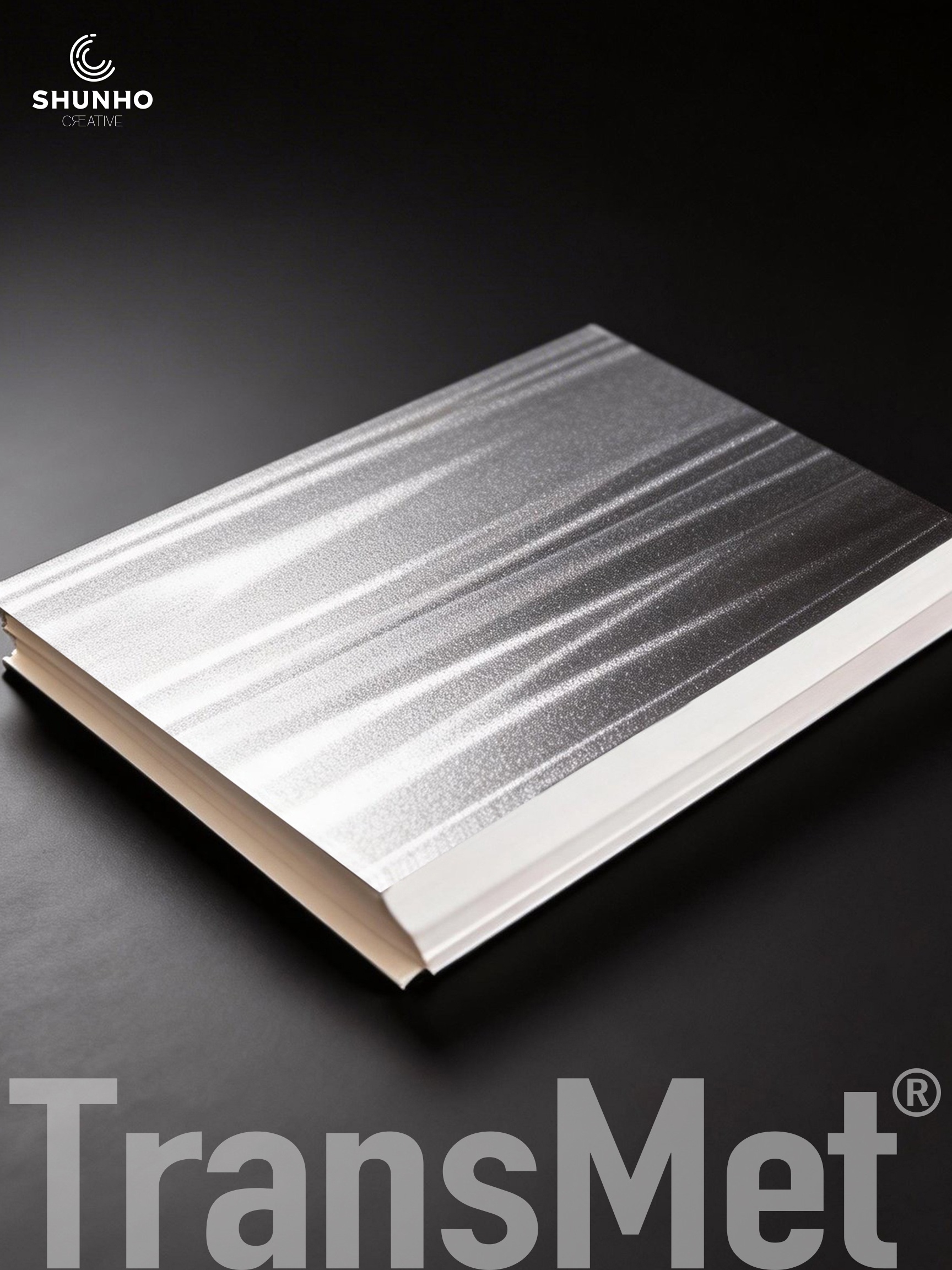
Shunho Creative provides a variety of eco-friendly packaging materials, including their signature TransMet paper, which is fully recyclable and degradable. Buyers should evaluate the supplier's product range to ensure they can meet diverse packaging needs while adhering to sustainability standards.
Additionally, consider the pricing structure offered by wholesale suppliers. Request detailed quotations that break down costs, including any additional charges for customization or specific performance requirements. Understanding the pricing model enables buyers to make informed comparisons and negotiate better terms.
Cost comparisons for compostable food packaging solutions require an understanding of various factors influencing pricing. Typically, the cost of compostable materials can be higher than conventional plastic options due to the manufacturing processes and materials used. However, the long-term environmental benefits and potential savings from reduced waste disposal costs can justify the initial investment.
When evaluating costs, consider the following:
Material Type: Different materials, such as paper, bioplastics, or plant-based composites, have varying costs and performance characteristics. For instance, Shunho Creative's TransMet paper, with its advanced aluminum layer, offers effective barrier properties that may reduce spoilage and waste.
Customization: Custom packaging designs may incur additional fees. Evaluate whether the added value of branding and specific sizes justifies the extra cost.
Volume Discounts: Many suppliers offer tiered pricing based on order volume. Be sure to discuss your anticipated needs with potential suppliers to take advantage of bulk discounts.
Lifecycle Costs: Consider the environmental impact and potential savings from reduced disposal costs over time. Many businesses find that investing in compostable solutions aligns with corporate sustainability goals, which can enhance brand reputation and customer loyalty.
Compostable food packaging has a wide range of applications across multiple industries, particularly in sectors focusing on sustainability and environmental responsibility. Common applications include:
Food Service: Restaurants and catering businesses are increasingly adopting compostable packaging to serve takeout meals, salads, and desserts. This not only meets consumer demand for eco-friendly options but also ensures compliance with waste reduction initiatives.
Retail: Grocery stores and supermarkets utilize compostable packaging for fresh produce, deli items, and baked goods. This approach not only extends product shelf life but also supports corporate sustainability initiatives.
Event Management: Catering and event planning companies often require compostable options for large gatherings, ensuring minimal environmental impact while providing guests with high-quality service.
FMCG Companies: Fast-moving consumer goods companies are integrating compostable packaging into their product lines to appeal to environmentally conscious consumers and comply with regulations aimed at reducing plastic waste.
Understanding the specific needs of each industry can help buyers select the most appropriate packaging solutions and ensure compliance with relevant regulations.
With FSC, REACH, Rainbow paper 21 CFR 176.170, (EU) No 10/2011, TUV OK COMPOST HOME, RECYCLABLE, ISO 9001/14001/45001, CNAS, PATENTS and other environmental protection certificates
Support for English, Spanish and Japanese is Rainbow wrapping paper.
Holographic paper sticker majority of customers are from the world's most prestigious 500
More than 20 years of foreign trade experience.Laser paper is produced at a capacity that could reach around Rainbow wrapping paper tons per year.
Proper installation and usage of compostable food packaging materials are crucial to achieving optimal performance and ensuring product integrity. Here are several key considerations:
Compatibility with Food Products: Verify that the chosen food packaging environmentally friendly is suitable for the specific food items being packed. Factors such as temperature resistance, moisture barrier properties, and chemical interactions must be assessed to prevent spoilage or contamination.
Sealing Techniques: Ensure that the packaging is sealed correctly to maintain freshness and prevent leaks. This may involve heat sealing, adhesive bonding, or using compatible sealing machines. Buyers should consult with suppliers about recommended sealing methods for their specific packaging materials.
Storage Conditions: Once packaged, compostable materials should be stored under appropriate conditions to maintain their integrity. Excessive heat, moisture, or exposure to sunlight can compromise performance, leading to product failure.
End-of-Life Instructions: Communicate clearly with customers about the proper disposal methods for compostable packaging. Providing guidance on composting facilities or municipal composting options can enhance the effectiveness of the packaging and reinforce the company’s commitment to sustainability.
By adhering to these guidelines, businesses can maximize the benefits of compostable food packaging while ensuring compliance with environmental standards.
 EN
 AR
 HR
 CS
 DA
 NL
 FI
 FR
 DE
 EL
 HI
 IT
 JA
 KO
 NO
 PT
 RU
 ES
 TL
 ID
 VI
 HU
 TH
 TR
 MS
 GA
 CY
 MK
 HY
 PL
