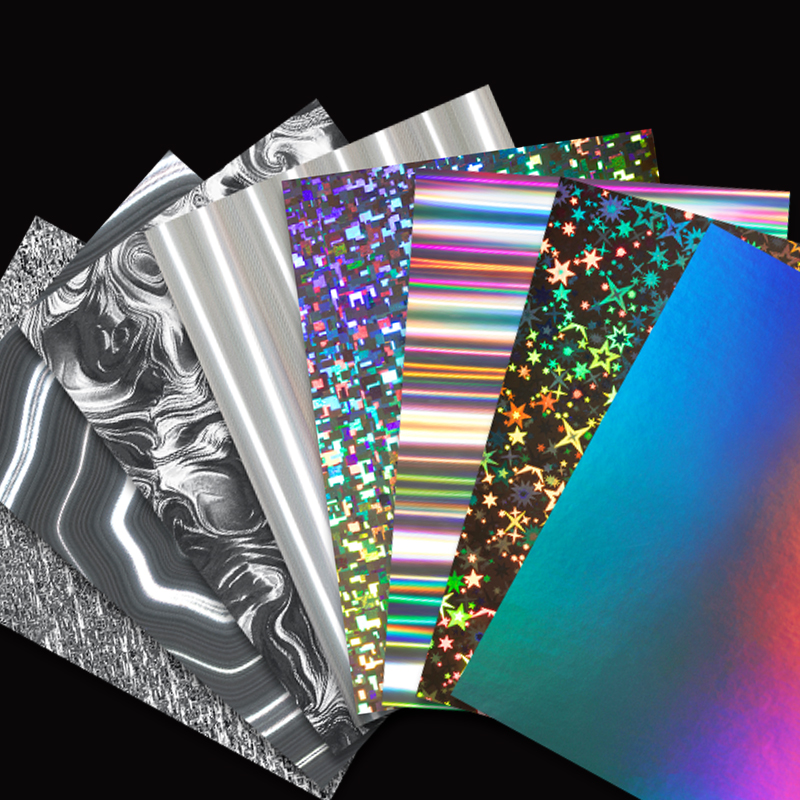
In the realm of packaging solutions, paperboard packaging stands out as a versatile and eco-friendly option gaining traction across various industries. For B2B buyers, understanding the nuances of paperboard packaging is crucial for making informed purchasing decisions. This article will delve into essential specifications, quality evaluations, cost factors, installation tips, and applications of paperboard packaging to help procurement managers, distributors, and product managers select the most suitable solutions for their needs.
When sourcing paperboard packaging, several key specifications should be evaluated to ensure optimal performance and suitability for your products. Here are some critical factors to consider:
Material Composition: The choice of material significantly impacts the packaging's durability and environmental footprint. For instance, Shunho Creative offers eco-friendly options like laminated paper and TransMet paper, which features a plastic-free aluminum layer, enhancing recyclable and degradability.
Thickness and Weight: The thickness of the paperboard affects its strength and rigidity. A thicker board typically offers better protection but may also increase shipping costs due to added weight. Buyers should balance protection with cost efficiency based on their specific product requirements.
Barrier Properties: Depending on the intended use, barrier properties such as moisture and oxygen resistance can be vital. For products sensitive to environmental conditions, selecting a paperboard with suitable barrier characteristics is essential to maintain product integrity.
Dimensions and Structural Design: The dimensions of the packaging must align with the product specifications. Customizing the design can optimize space efficiency during shipping and storage, thus reducing costs.
Production Capacity and Lead Time: Understanding the manufacturer's production capabilities and lead times is crucial for planning inventory and ensuring timely delivery.
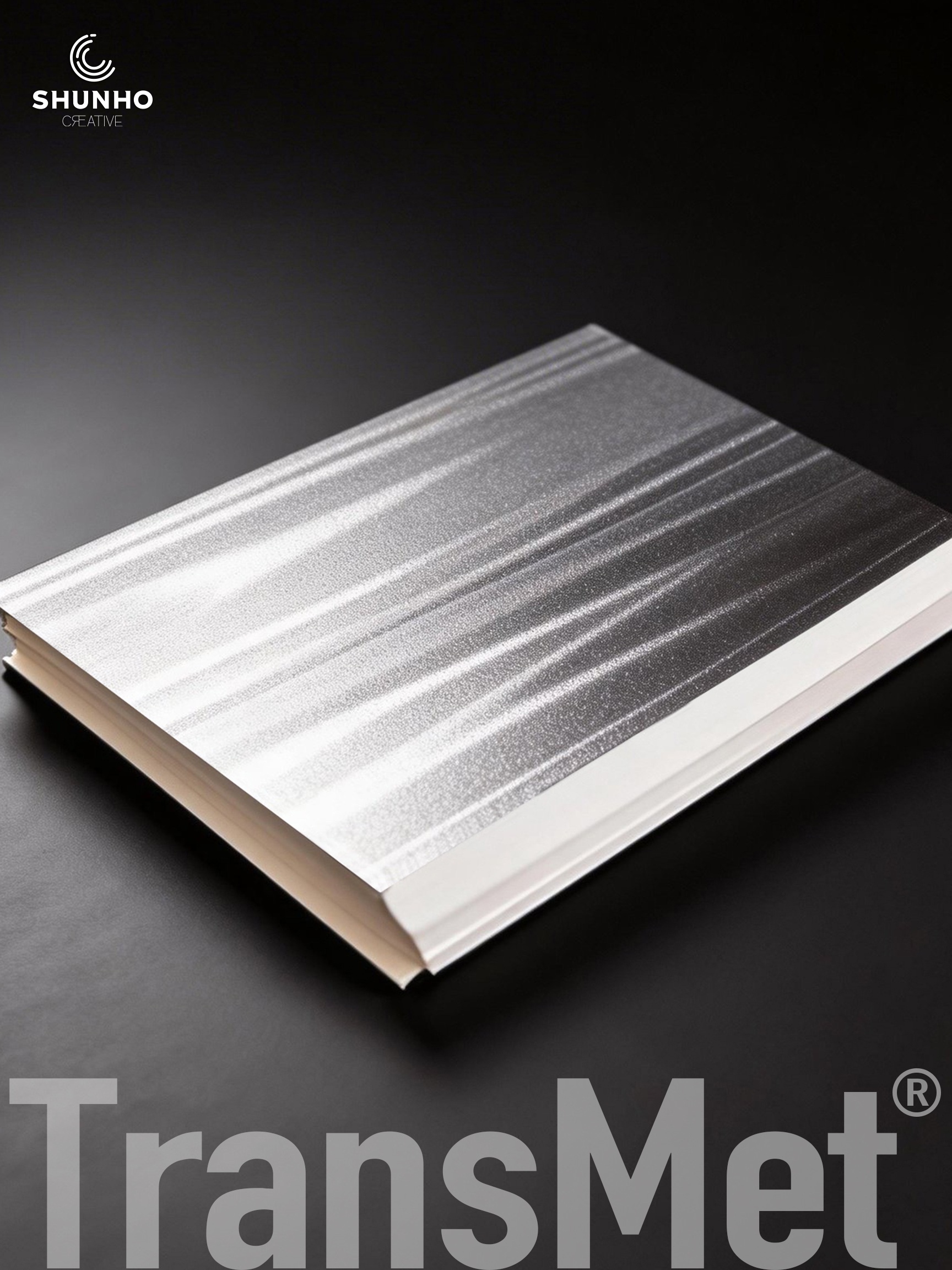
Evaluating the quality of paperboard packaging materials involves a combination of visual inspections and practical tests:
Visual Inspection: Check for uniformity in color, surface texture, and absence of defects such as tears or folds. High-quality packaging should have a consistent appearance, reflecting good manufacturing practices.
Strength and Durability Testing: Perform tests to assess the compression strength and burst strength of the paperboard. This can be done through standardized testing methods to ensure the packaging can withstand handling and transportation stresses.
Environmental Compliance: Investigate certifications related to sustainability and recyclable. Shunho Creative’s products, for example, are designed to be fully recyclable and degradable, aligning with eco-conscious consumer demands.
Sample Approval: Before committing to a bulk order, request samples to test in real-world conditions. This step helps confirm that the packaging meets performance expectations and is compatible with your production processes.
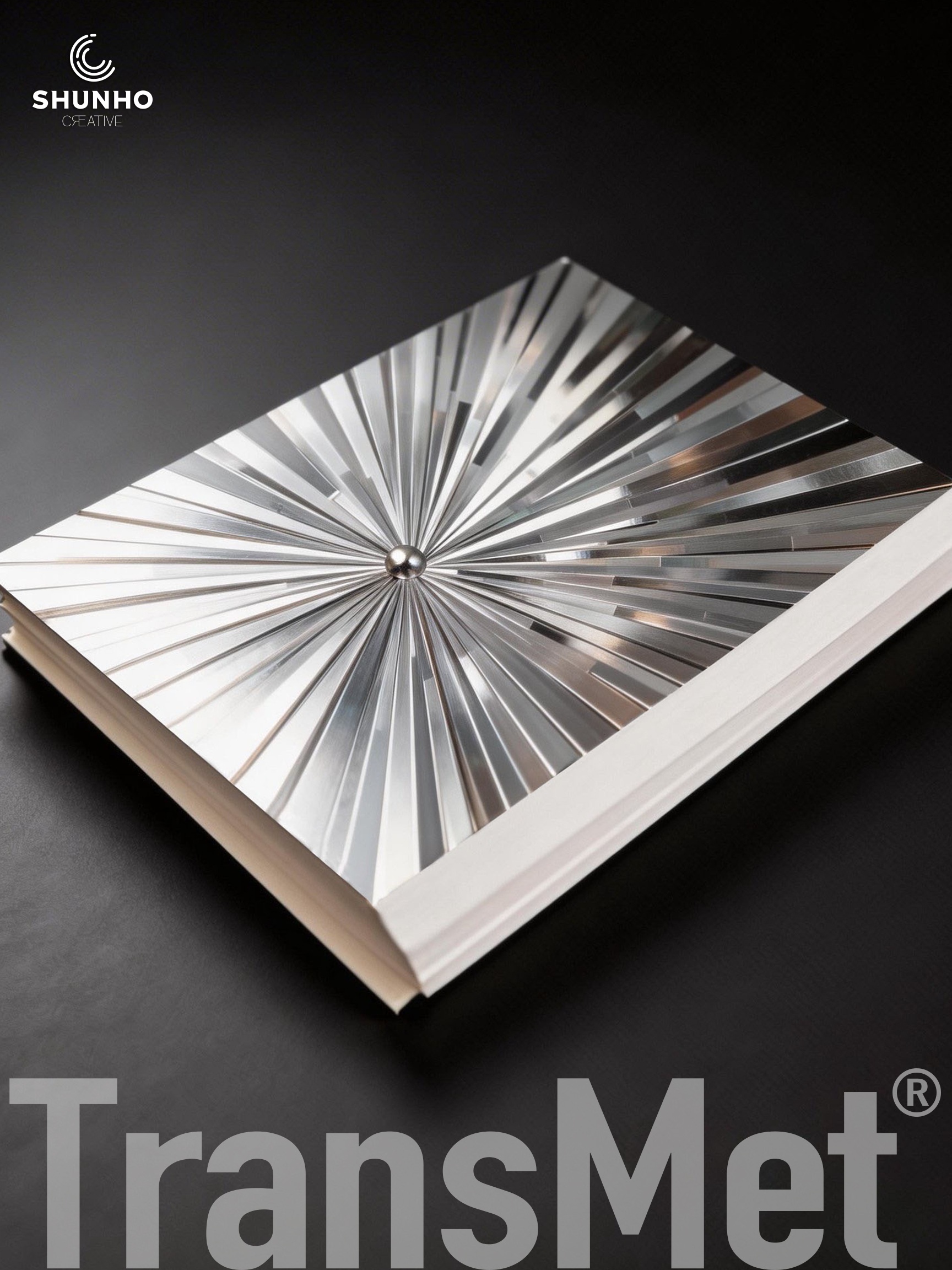
Cost considerations for bulk orders of paperboard box packaging can vary widely based on several factors:
Material Costs: The choice of material directly influences pricing. Eco-friendly materials may have a higher initial cost but can reduce long-term expenses through improved sustainability practices.
Volume Discounts: Purchasing in larger quantities often results in lower per-unit prices. Buyers should negotiate with suppliers to secure the best pricing based on expected order volumes.
Customization Fees: If custom designs, sizes, or printing are required, these can add to the overall cost. It’s advisable to communicate your needs clearly during the RFQ process to obtain accurate quotes.
Shipping Costs: Consider the implications of weight and volume on shipping costs. Efficient design can minimize shipping expenses, making it a critical factor in total cost analysis.
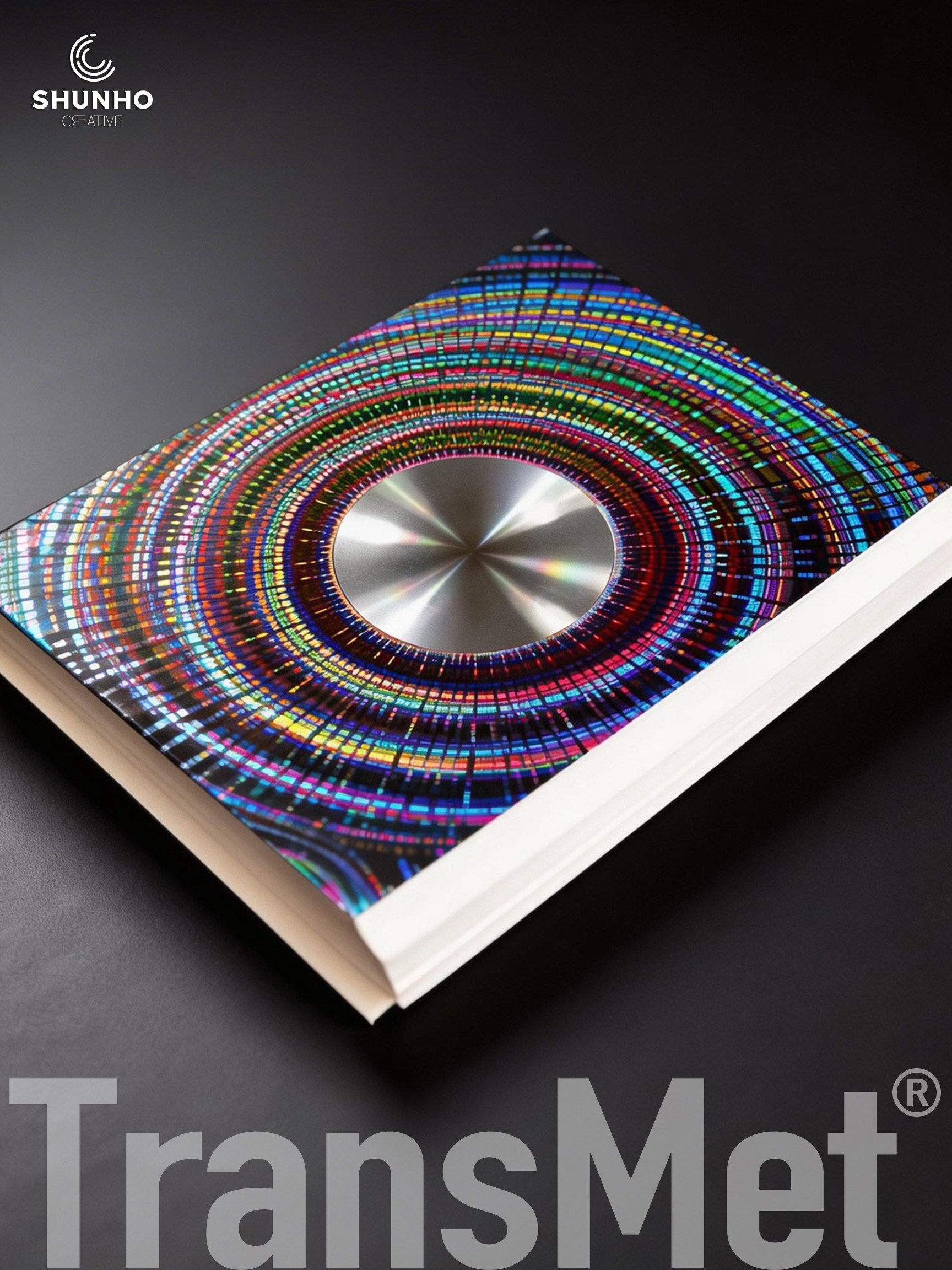
Proper installation and handling of paperboard packaging can significantly enhance its effectiveness:
Follow Manufacturer Guidelines: Each packaging type may come with specific handling and assembly instructions. Adhering to these guidelines ensures optimal performance and reduces the risk of damage.
Train Staff on Handling Practices: Ensure that employees involved in packaging and shipping are trained in the proper handling methods. This can minimize errors and maintain the integrity of the packaging through the supply chain.
Test Fit and Functionality: Before full-scale production, conduct tests to assess the fit and functionality of the packaging with the actual products. This practice helps identify any adjustments needed to improve usability.
Monitor Storage Conditions: Store paperboard packaging in dry, climate-controlled environments to prevent moisture absorption, which can compromise structural integrity.
Rainbow wrapping paper majority of customers are from the world's most prestigious 500
Sticker paper holographic 20 years of foreign trade experience.Laser paper is produced at a capacity that can reach around 200,000 tons annually.
Support for English, Spanish Silver holographic paper Japanese is available.
With Holographic paper sticker, REACH, FDA 21 CFR 176.170, (EU) No 10/2011, TUV OK COMPOST HOME, RECYCLABLE, ISO 9001/14001/45001, CNAS, PATENTS and other environmental protection certificates
Paperboard packaging is employed in a multitude of industries due to its versatility and eco-friendliness:
Electronics: In the electronics sector, paperboard packaging protects sensitive components during shipping while offering a sustainable alternative to plastic.
Cosmetics: The cosmetics industry benefits from the aesthetic appeal of paperboard packaging, which can be easily customized for branding while ensuring product safety.
Fast-Moving Consumer Goods (FMCG): For FMCG products, efficient paperboard boxes packaging that balances cost, protection, and shelf appeal is crucial. Paperboard packaging meets these needs through its lightweight and customizable nature.
Food Industry: In food packaging, barrier properties are vital. Paperboard solutions designed for food applications can provide effective moisture and contamination protection while being recyclable.
By understanding these aspects of paperboard packaging, B2B buyers can make informed choices that align with their business needs and sustainability goals. Whether you're considering material specifications, quality evaluations, or applications across industries, the insights provided here will help streamline your sourcing process and enhance your packaging strategy.
 EN
 AR
 HR
 CS
 DA
 NL
 FI
 FR
 DE
 EL
 HI
 IT
 JA
 KO
 NO
 PT
 RU
 ES
 TL
 ID
 VI
 HU
 TH
 TR
 MS
 GA
 CY
 MK
 HY
 PL