Metallised paper has emerged as a versatile and eco-friendly packaging solution that combines aesthetic appeal with practical performance. Sourced from advanced manufacturing processes, this transfer metallized paper features a thin layer of metal, typically aluminum, which enhances its barrier properties and visual appeal. For B2B buyers, particularly in industries like electronics, cosmetics, and FMCG, key considerations include product specifications, sourcing reliability, and installation guidelines. This article aims to provide insights into these areas, helping buyers make informed decisions when sourcing metallised paper for their wholesale needs.
When sourcing metallised paper, several factors are crucial to ensure that the selected product meets your specific needs. First, consider the application requirements—different industries may require varying barrier levels, aesthetics, and durability. For instance, in the cosmetics sector, the visual appeal of packaging is often as important as its functional properties.
Next, evaluate the environmental impact of the metallic gold printer paper. Shunho Creative's TransMet paper, for example, is a plastic-free option that is fully recyclable and degradable, aligning with sustainability goals that many companies prioritize today. Additionally, consider the supplier’s production capacity and lead times. With an annual productivity of 200,000 tons, a reliable supplier can meet large orders without compromising on quality.
Lastly, confirm the minimum order quantity (MOQ) and packaging options. Understanding these aspects will help streamline the procurement process and ensure that your supply chain remains efficient.
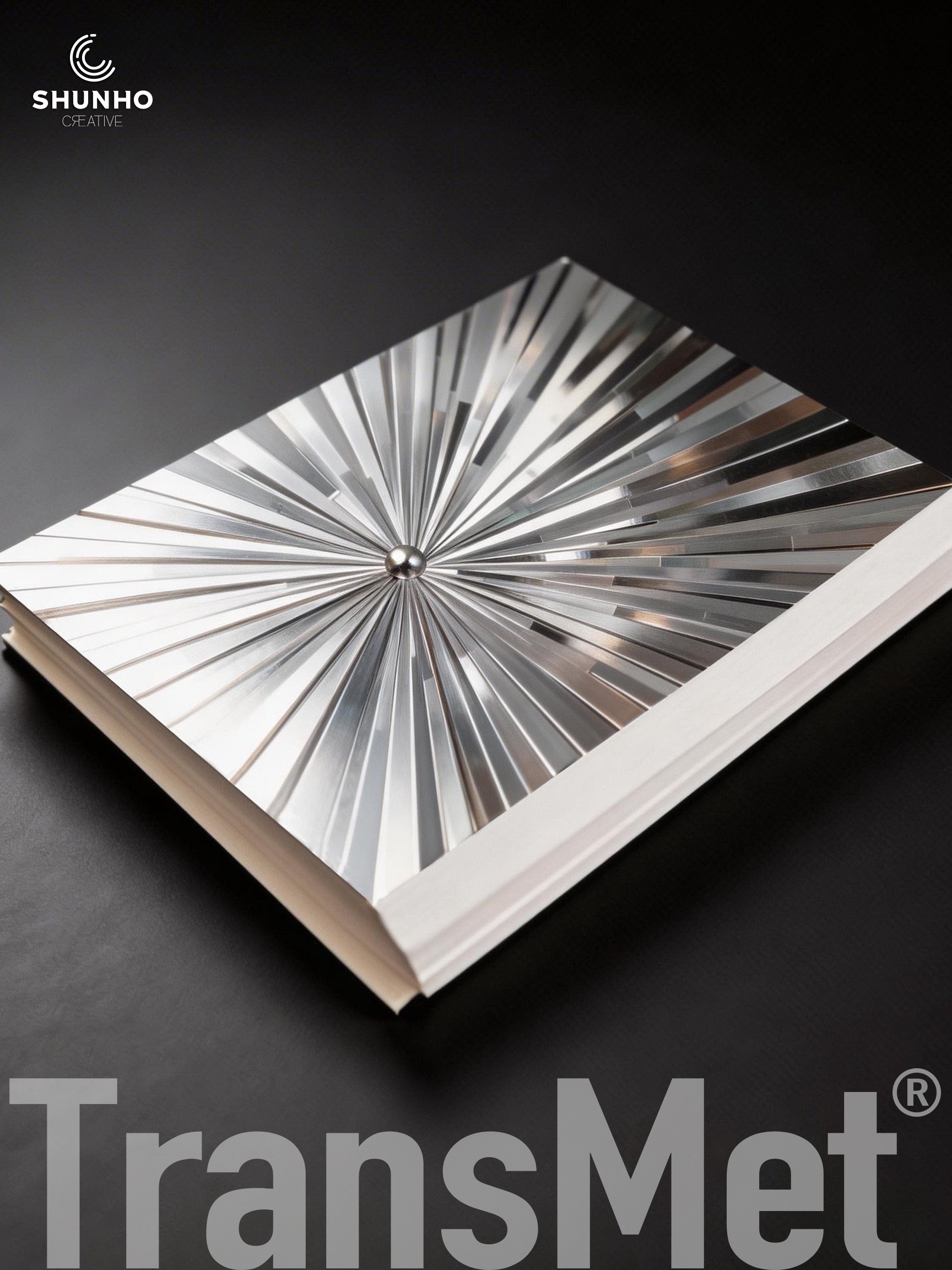
High-quality metallised paper should meet several key specifications to ensure it performs well in its intended application. The most critical specifications include:
Thickness: The thickness of the metallised layer, typically measured in nanometers (nm), directly influences barrier properties. For example, a 30nm aluminum layer enhances moisture and oxygen resistance, making it suitable for products requiring extended shelf life.
Material Composition: The base material—whether it's kraft paper, whiteboard, or another substrate—affects the overall strength, printability, and cost of the final product. Ensure that the material selected matches the performance requirements of your specific application.
Surface Treatment: Surface treatments can enhance print quality and adhesion properties. Consider whether the metallised paper needs to undergo additional treatments, such as coating or laminating, to achieve desired aesthetics or functionality.
Performance Requirements: Evaluate how the paper will perform under different environmental conditions, such as temperature fluctuations or exposure to moisture. The specifications should align with the conditions the product will face in its lifecycle.
Understanding these specifications will help you select a metallised paper that not only meets aesthetic demands but also performs reliably in real-world applications.
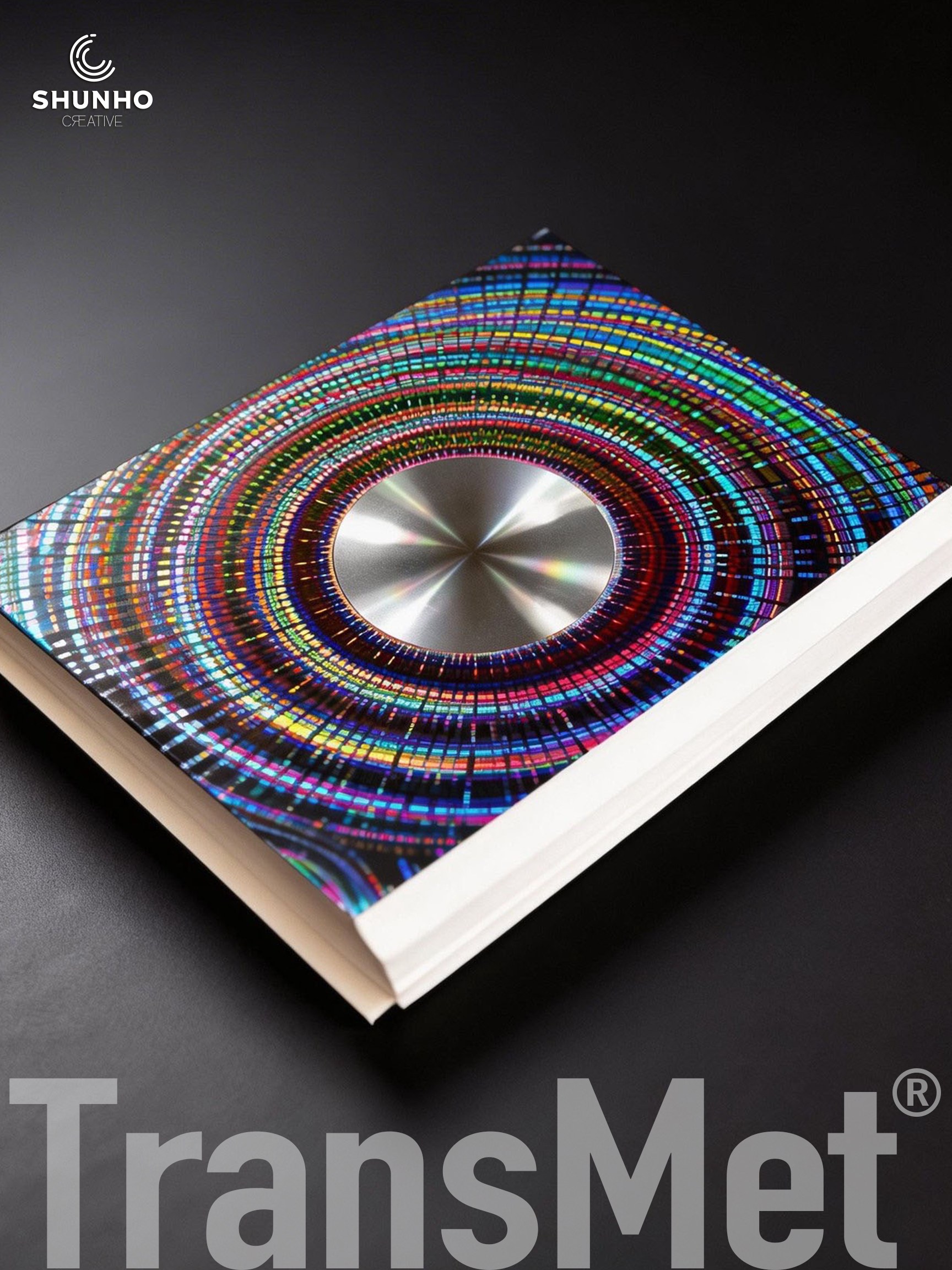
Choosing a reliable supplier is critical to ensuring a consistent supply of high-quality metallised paper. Here are key considerations when evaluating potential suppliers:
Production Capabilities: Assess the supplier’s manufacturing capabilities, including technology, equipment, and quality control processes. A supplier like Shunho Creative, which utilizes advanced vacuum transfer metalizing technology, is likely to deliver superior quality products.
Certifications and Standards: Verify if the supplier holds relevant certifications that ensure quality and compliance with industry standards. These may include ISO certifications or specific environmental certifications that reflect their commitment to sustainability.
Customer Reviews and References: Seek feedback from previous customers to gauge the supplier's reliability and service levels. Positive testimonials can provide insights into their ability to meet deadlines and manage customer relationships.
Sample Approval: Before committing to a large order, request samples to evaluate the quality and performance of the transfer metallized paper. This step helps confirm that the product meets your specifications and expectations.
By thoroughly vetting suppliers based on these criteria, you can reduce risks and ensure that your procurement process is smooth and successful.
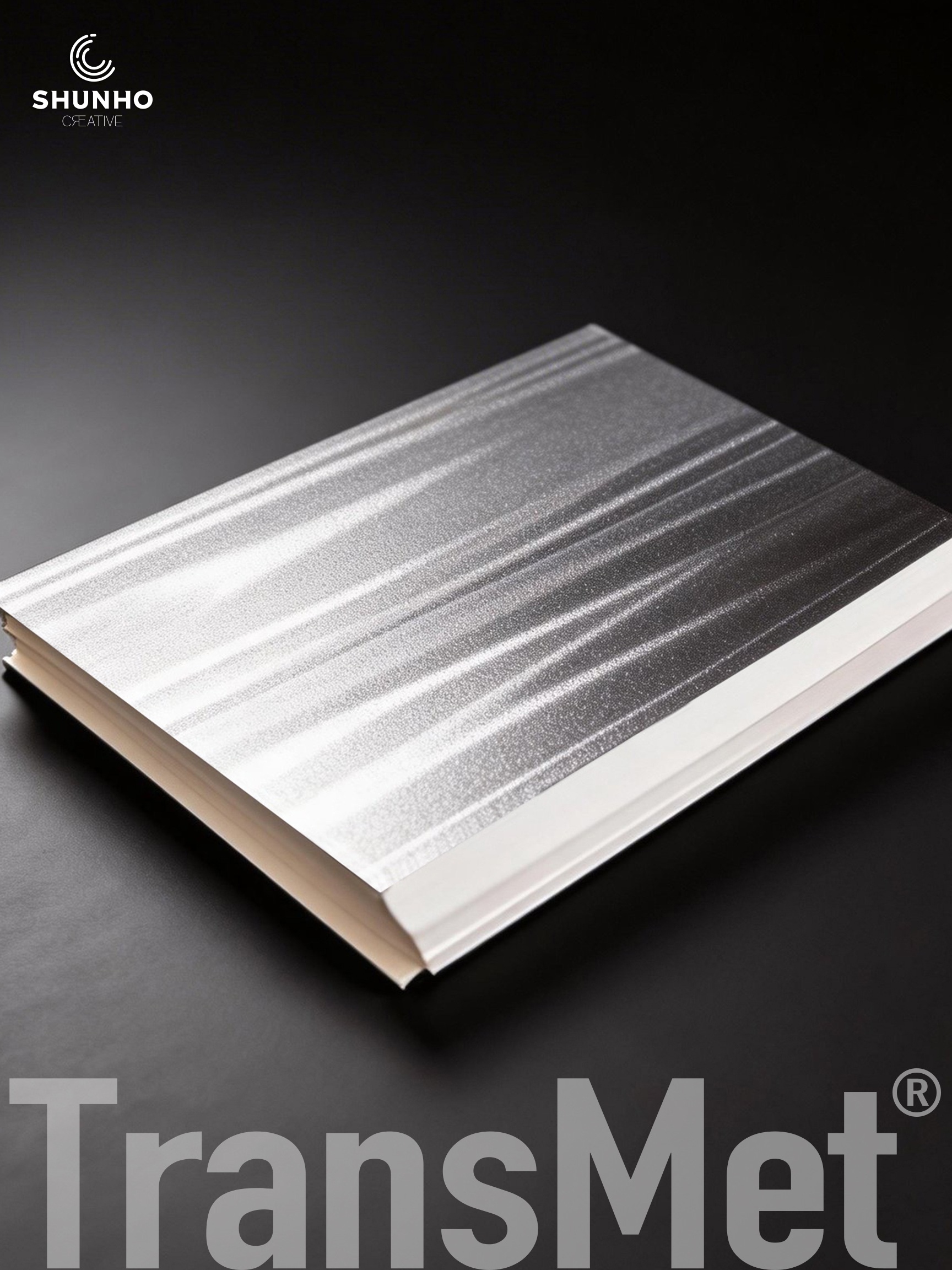
Proper installation of metallised paper is essential to maximize its performance and aesthetic appeal. Here are some practical tips:
Surface Preparation: Ensure that surfaces to which the metallised paper will be applied are clean, dry, and free of contaminants. This preparation is crucial for achieving optimal adhesion.
Adhesive Selection: Choose the right adhesive based on the application requirements. Some adhesives may work better with specific substrates or environmental conditions, influencing the longevity of the bond.
Application Technique: Depending on the scale of your project, consider using automated equipment for larger runs to ensure consistency in application. For smaller projects, manual application might be sufficient, but attention to detail is key to achieving a professional finish.
Post-Installation Care: Once the metallised paper is installed, avoid exposing it to moisture or extreme temperatures until the adhesive has fully cured. This precaution will help maintain the integrity of the installation.
Following these guidelines will ensure that the metallised paper performs effectively and meets the intended design and functional goals.
Holographic check paper for English, Spanish and Japanese is available.
Holographic silver paper experience in international trade for more than 20 years.Laser paper has a production capacity that can go the 200,000 ton mark each year.
Holographic sticker paper FSC, REACH, FDA 21 CFR 176.170, (EU) No 10/2011, TUV OK COMPOST HOME, RECYCLABLE, ISO 9001/14001/45001, CNAS, PATENTS and other environmental protection certificates
Holographic check paper majority of customers are from the world's most prestigious 500
While Shunho metallised paper offers numerous advantages, it can also present challenges. Here are some common problems and their solutions:
Adhesion Issues: Sometimes, metallised paper may not adhere properly to surfaces. This issue can arise from inadequate surface preparation or the use of the wrong adhesive. To resolve this, ensure thorough cleaning and select adhesives compatible with both the paper and the substrate.
Moisture Sensitivity: Metallised paper can be sensitive to moisture, which may lead to deterioration in performance. If this is a concern, consider using additional barrier coatings or laminates that enhance moisture resistance.
Print Quality Problems: Poor print quality can occur if the surface treatment is inadequate or if the wrong inks are used. Always test inks on the specific paper type prior to full-scale printing to ensure compatibility and quality.
Wrinkling or Bubbles During Application: To avoid wrinkles or bubbles, apply the paper slowly and smoothly, ensuring that any trapped air is expelled during the application process.
By anticipating these common issues and implementing effective solutions, buyers can optimize their use of metallised paper and enhance the overall quality of their projects.
 EN
 AR
 HR
 CS
 DA
 NL
 FI
 FR
 DE
 EL
 HI
 IT
 JA
 KO
 NO
 PT
 RU
 ES
 TL
 ID
 VI
 HU
 TH
 TR
 MS
 GA
 CY
 MK
 HY
 PL