Metalized paper is a specialized packaging material that has gained traction across various industries, including electronics, cosmetics, and fast-moving consumer goods (FMCG). Known for its reflective properties and barrier capabilities, metalized paper is increasingly favored for eco-friendly packaging solutions. For B2B buyers, understanding the nuances of metalized paper—such as specifications, sourcing considerations, and common challenges—is essential for making informed purchasing decisions. This article will guide you through the critical aspects of selecting and sourcing metalized paper manufacturer, ensuring that your project requirements are met effectively.
Selecting the appropriate metalized paper for your project involves evaluating several key factors, including the intended application, environmental considerations, and desired performance characteristics.
Application Suitability: Identify the specific use for the metalized paper. Different industries may require varying properties, such as moisture barrier, UV resistance, or aesthetic appeal. For instance, metalized paper used in cosmetic packaging may need to be more visually appealing, while that used in electronics may prioritize protective qualities.
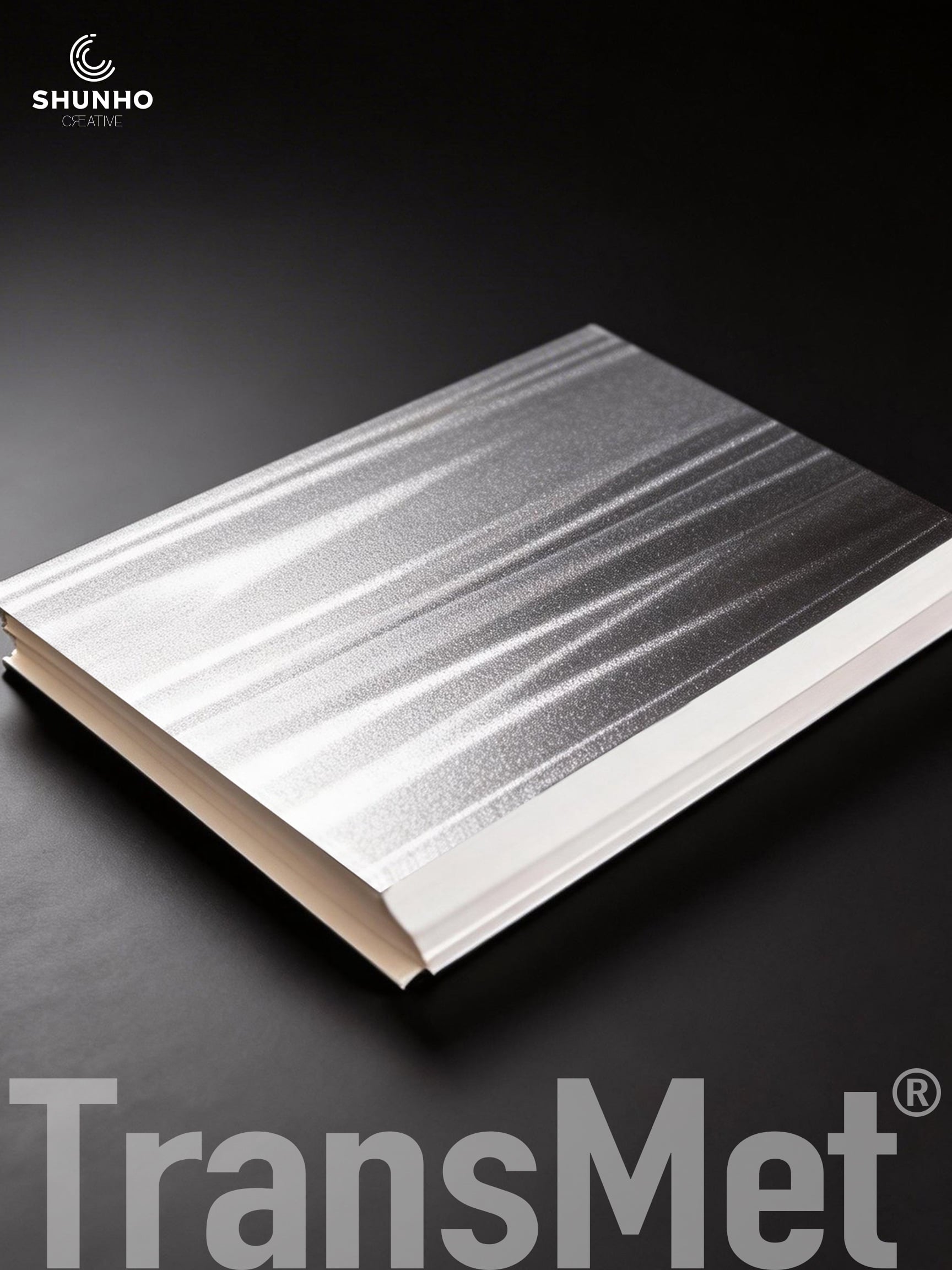
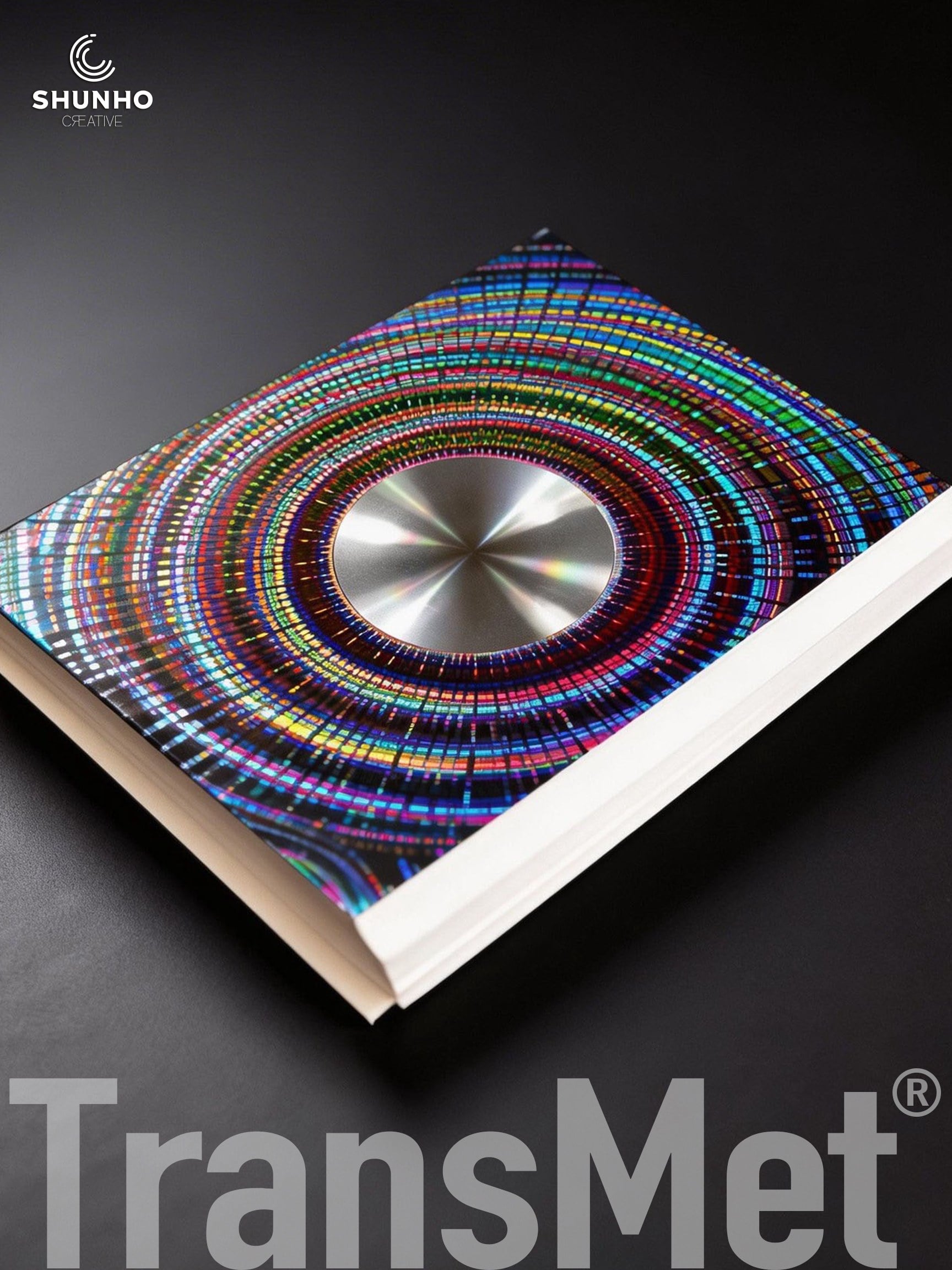
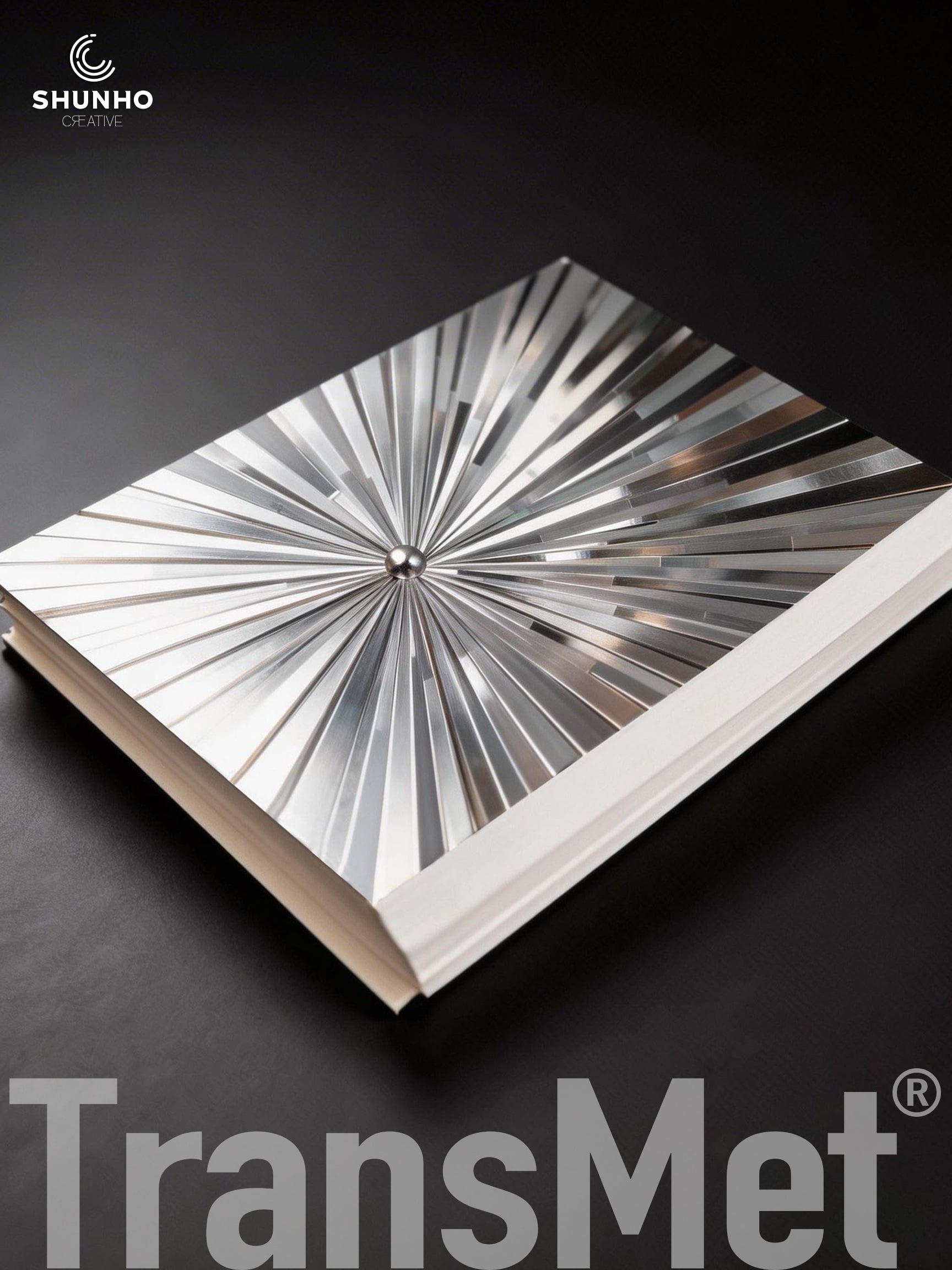
Material Specifications: Pay attention to the thickness and type of metalized layer. A common specification is a 30nm aluminum layer, as seen in Shunho Creative's TransMet paper. This thickness not only ensures sufficient barrier properties but also contributes to recyclability—a significant concern for eco-conscious consumers and businesses.
Environmental Impact: With a growing focus on sustainability, choosing vacuum metalized paper that is recyclable and degradable, like the plastic-free TransMet paper, can enhance your brand’s image and align with consumer preferences.
When purchasing metalized paper, consider the following factors to ensure you make an informed decision:
Minimum Order Quantity (MOQ): Understanding the supplier's MOQ is critical for budget management and inventory planning. Suppliers like Shunho Creative may have flexible MOQ options depending on the specific product line.
Customization Options: Many projects may require custom sizes, finishes, or printing. Confirm the customization capabilities of the supplier to ensure that your unique requirements can be met. This can include specialized coatings or surface treatments that may enhance performance or aesthetics.
Quality Control Processes: Look for suppliers with robust quality control measures. This may involve regular testing of the metalized layer for consistency, adhesion strength, and barrier performance. A supplier’s certifications and quality assurance processes can provide reassurance regarding the reliability of the product.
Lead Time: Assess the lead time for production and delivery. This is particularly important if you have tight project timelines or are preparing for a product launch.
The cost of metalized paper can be influenced by several factors:
Material Costs: The price of raw materials, especially metals like aluminum, can fluctuate based on market conditions. This, in turn, affects the overall cost of the metalized paper.
Production Techniques: Advanced manufacturing methods, such as vacuum transfer metalizing technology, can impact pricing. While these techniques may offer superior quality, they may also come at a higher cost.
Volume Discounts: Purchasing larger quantities can often lead to reduced per-unit costs. Evaluate your project needs against potential savings from bulk orders.
Transportation Costs: Depending on the location of the supplier and the destination of the product, shipping costs can vary. Consider these expenses in your overall budget, especially when sourcing from international suppliers.
For contractors involved in the procurement of metalized paper, adhering to best practices can streamline the purchasing process and enhance project outcomes:
Sample Approval: Always request samples before committing to a bulk order. This allows you to evaluate the product’s appearance, functionality, and compatibility with your application under real-world conditions.
Technical Specifications Verification: Confirm that the specifications provided by the supplier meet your project needs. This includes verifying the thickness, weight, and barrier properties of the metalized paper.
Supplier Communication: Maintain clear and open communication with your supplier throughout the purchasing process. This helps to address any concerns quickly and ensures that both parties have aligned expectations.
Documentation Check: Ensure that all necessary documentation, such as safety data sheets and certification of recyclability, is provided. This may be particularly important for industries with strict regulatory requirements.
English, Spanish, Japanese, Korean and other languages are supported. Support all Rainbow paper from materials to finished products.
Silver holographic paper experience in international trade for more than 20 years.Laser paper has a production capacity that can go the 200,000 ton mark each year.
The majority of customers come Holographic stickers paper the leading 500 businesses in the world.
With FSC, REACH, Rainbow paper 21 CFR 176.170, (EU) No 10/2011, TUV OK COMPOST HOME, RECYCLABLE, ISO 9001/14001/45001, CNAS, PATENTS and other environmental protection certificates
While metalized paper is a versatile packaging solution, several common issues can arise during its use. Being aware of these challenges can help mitigate potential problems:
Adhesion Issues: One common problem is the failure of adhesives to bond effectively with the metalized surface. This can be addressed by selecting adhesives specifically designed for use with metalized materials and ensuring proper surface preparation.
Moisture Ingress: Inadequate barrier properties can lead to moisture ingress, affecting product integrity. To mitigate this, confirm the barrier specifications with the supplier and consider additional protective coatings if necessary.
Printing Challenges: Printing on metalized paper can sometimes yield inconsistent results. Conduct print tests to assess compatibility with your chosen inks and printing methods. Additionally, collaborating with suppliers who offer pre-printed options can save time and reduce errors.
Recyclability Concerns: While metalized paper like Shunho Creative's TransMet is designed to be eco-friendly, not all suppliers may offer similar products. Always verify the recyclability and environmental certifications of the vacuum metalized paper to ensure compliance with your sustainability goals.
By understanding these factors and best practices, B2B buyers can make informed decisions when sourcing metalized paper, ultimately leading to successful project outcomes.
 EN
 AR
 HR
 CS
 DA
 NL
 FI
 FR
 DE
 EL
 HI
 IT
 JA
 KO
 NO
 PT
 RU
 ES
 TL
 ID
 VI
 HU
 TH
 TR
 MS
 GA
 CY
 MK
 HY
 PL