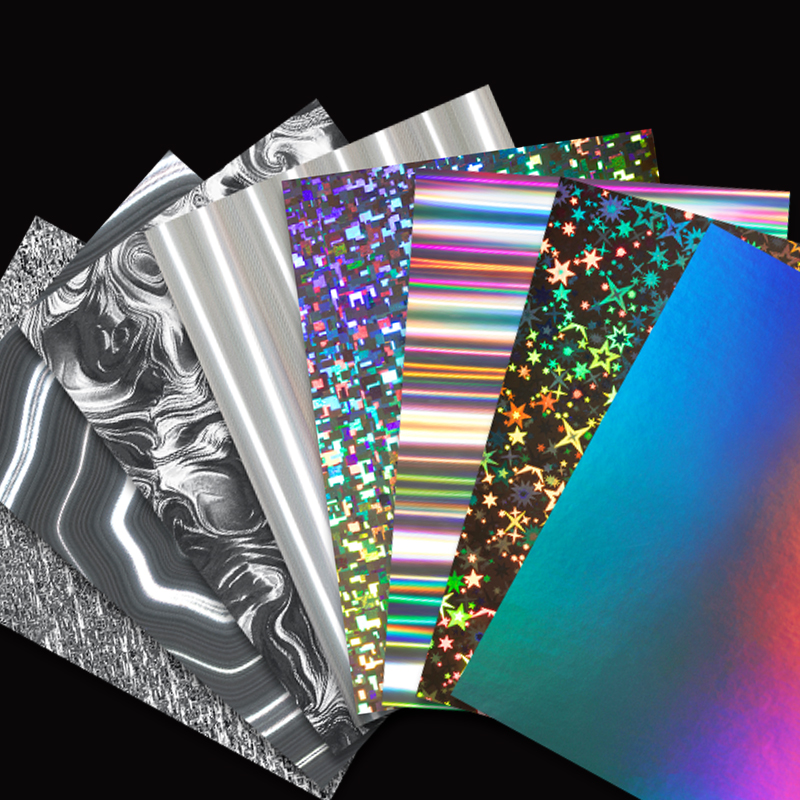
Long packing boxes offer a versatile solution for transporting and storing a variety of products across various industries. As a B2B buyer, understanding the specifications and solutions associated with long packing boxes is crucial for ensuring they meet your operational needs. We will cover the key specifications to evaluate when sourcing long packing boxes, how to compare them for quality and cost efficiency, where to find reliable suppliers, installation guidance for various applications, and common problems along with their solutions.
When evaluating long packing boxes, several key specifications should be considered:
Material: The choice of material directly affects durability, weight, and cost. Cardboard is common due to its lightweight and recyclable nature, but other materials like TransMet paper provide enhanced moisture resistance and strength. Understanding the specific requirements of your product will help in selecting the right material.
Dimensions: Ensure that the dimensions of the long packing boxes align with the products being stored or shipped. Incorrect sizing can lead to increased shipping costs or damage during transport. Measure your products carefully and account for any additional space needed for protective padding or packing materials.
Load Capacity: Evaluate the load capacity of the boxes to ensure they can support the weight of the items. This is especially important for heavy or bulk products, where inadequate packaging could result in damage or safety hazards.
Sealing and Closure Types: Different products may require different sealing methods (tape, glue, etc.) based on their storage and transport conditions. Assess which sealing method will provide the best protection for your specific application.
Customization Options: Many manufacturers offer customizable features such as branding, unique dimensions, or additional protective layers. This can enhance your product presentation and ensure compatibility with your specific needs.
By focusing on these specifications, purchasing managers can make informed decisions that meet their operational and budgetary requirements.

Comparing long packing boxes involves both qualitative and quantitative assessments. Here are some practical steps:
Request Samples: Always request samples before placing bulk orders. Testing samples will allow you to assess the material quality, durability, and suitability for your products under real-world conditions.
Supplier Reputation: Research potential suppliers. Check online reviews, industry certifications, and customer testimonials. A supplier with a strong reputation for quality often translates to reliable products.
Cost Analysis: While comparing costs, consider not only the price per unit but also the total cost of ownership. This includes shipping, handling, and potential damages due to inferior packaging. A lower upfront cost might lead to higher costs down the line if the boxes fail during transport.
Production Capacity and Lead Times: Ensure the supplier can meet your demand in terms of production capacity and lead times. This is crucial for maintaining your supply chain and avoiding delays in product delivery.
Quality Assurance Processes: Inquire about the manufacturer’s quality control processes. Understanding how they monitor and test their products can provide insights into the reliability of the long packing boxes.
By systematically assessing these factors, buyers can achieve a balance between quality and cost efficiency.

Finding reliable suppliers for long packing boxes can be done through several channels:
Industry Trade Shows: Attend packaging trade shows and industry events where manufacturers showcase their products. This is an excellent opportunity to meet suppliers, see their products firsthand, and discuss your requirements.
Online Marketplaces: Platforms like Alibaba and ThomasNet can connect you with manufacturers offering long cardboard packing boxes. Look for suppliers with good ratings and reviews.
Industry Associations: Joining industry associations can provide access to a network of trusted suppliers. Associations often have directories or member listings that can be helpful in finding vetted manufacturers.
Referrals: Ask for recommendations from other businesses in your industry. Personal referrals often lead to reliable suppliers who have a proven track record.
Direct Manufacturer Engagement: Consider reaching out to manufacturers directly, such as Shunho Creative, known for their eco-friendly packaging materials. Engaging with manufacturers allows for discussions about customization, production capabilities, and sustainability practices.
By leveraging these avenues, buyers can identify suppliers that meet their needs for long packing boxes.

Proper installation of long packing boxes is crucial for ensuring product safety and efficiency. Here are some guidelines for various applications:
Electronics: Ensure that boxes are lined with protective materials to prevent static discharge. Use foam inserts or cushions to secure delicate components during transport.
Cosmetics: Long packing boxes for cosmetic products may require additional protection to prevent spills or breakage. Consider using partitions or custom inserts to keep products separated.
FMCG (Fast-Moving Consumer Goods): For FMCG items, ensure that boxes are easily stackable and have clear labeling for efficient warehouse management. Consider using boxes that are easy to open yet secure enough to protect the products.
Assembly Instructions: If the boxes require assembly, provide clear instructions and ensure that all necessary components (like tape or fasteners) are included to streamline the process.
By following these installation guidelines, businesses can optimize the use of long packing boxes across various applications.
English, Spanish, Sticker paper holographic, Korean and other languages are supported. Support total solutions from the raw materials to the final product.
Holographic silver paper experience in international trade for more than 20 years.Laser paper has a production capacity that can go the 200,000 ton mark each year.
With FSC, REACH, Rainbow paper 21 CFR 176.170, (EU) No 10/2011, TUV OK COMPOST HOME, RECYCLABLE, ISO 9001/14001/45001, CNAS, PATENTS and other environmental protection certificates
Rainbow wrapping paper majority of customers are from the world's most prestigious 500
While long packing boxes are generally reliable, some common issues can arise:
Weakness Under Load: If boxes are not designed to handle the weight of the products, they may collapse. Ensure that the load capacity is clearly stated and that products are tested under conditions that mirror actual shipping scenarios.
Moisture Damage: Long eco friendly packing paper that lack moisture resistance can lead to product spoilage. Choose materials such as TransMet paper that offer superior moisture protection and are still eco-friendly.
Inadequate Sealing: Poor sealing can lead to box openings during transit. Verify sealing methods and consider double-sealing for heavier items or those exposed to rough handling.
Customization Delays: Custom orders can sometimes lead to longer lead times. To mitigate this, plan ahead and confirm customization details well in advance to align with your production schedule.
Misalignment with Product Dimensions: Packaging that does not match product dimensions can lead to damage. Always provide accurate measurements and consider testing box prototypes with actual products before finalizing orders.
By anticipating these problems and implementing proactive solutions, businesses can enhance the reliability and effectiveness of their long packing boxes.
Understanding the specifications, quality considerations, supplier options, installation guidance, and potential problems associated with long packing boxes is essential for B2B buyers. By doing so, purchasing managers can make informed decisions that streamline logistics and enhance product safety.
 EN
 AR
 HR
 CS
 DA
 NL
 FI
 FR
 DE
 EL
 HI
 IT
 JA
 KO
 NO
 PT
 RU
 ES
 TL
 ID
 VI
 HU
 TH
 TR
 MS
 GA
 CY
 MK
 HY
 PL