Holographic printing is an innovative technique that creates eye-catching, iridescent designs perfect for enhancing product packaging. As a B2B buyer in the manufacturing or commercial sector, you may have concerns about sourcing reliable suppliers, understanding product specifications, and evaluating cost factors. This article will provide insight into these key areas, helping you make informed decisions about incorporating holographic printing into your packaging materials.
When looking to purchase holographic printing services, several factors should influence your decision. First, consider the specific application for the printed material. Holographic printing can be utilized across various industries, including cosmetics, electronics, and FMCG. Each industry may have unique requirements regarding durability, aesthetic appeal, and regulatory compliance. For instance, if you're considering options like TransInspire® Paper / Paperboard, it’s essential to understand how it fits within your specific application.
Next, assess the customization options available. Many suppliers, including Shunho Creative, offer tailored solutions to meet specific branding needs. Understanding the minimum order quantities (MOQs) is also crucial, as this can impact your overall budget and supply chain planning. Lastly, ensure that the supplier can provide samples for quality inspection before committing to a larger order. This step helps validate that the end product meets your specifications and expectations.
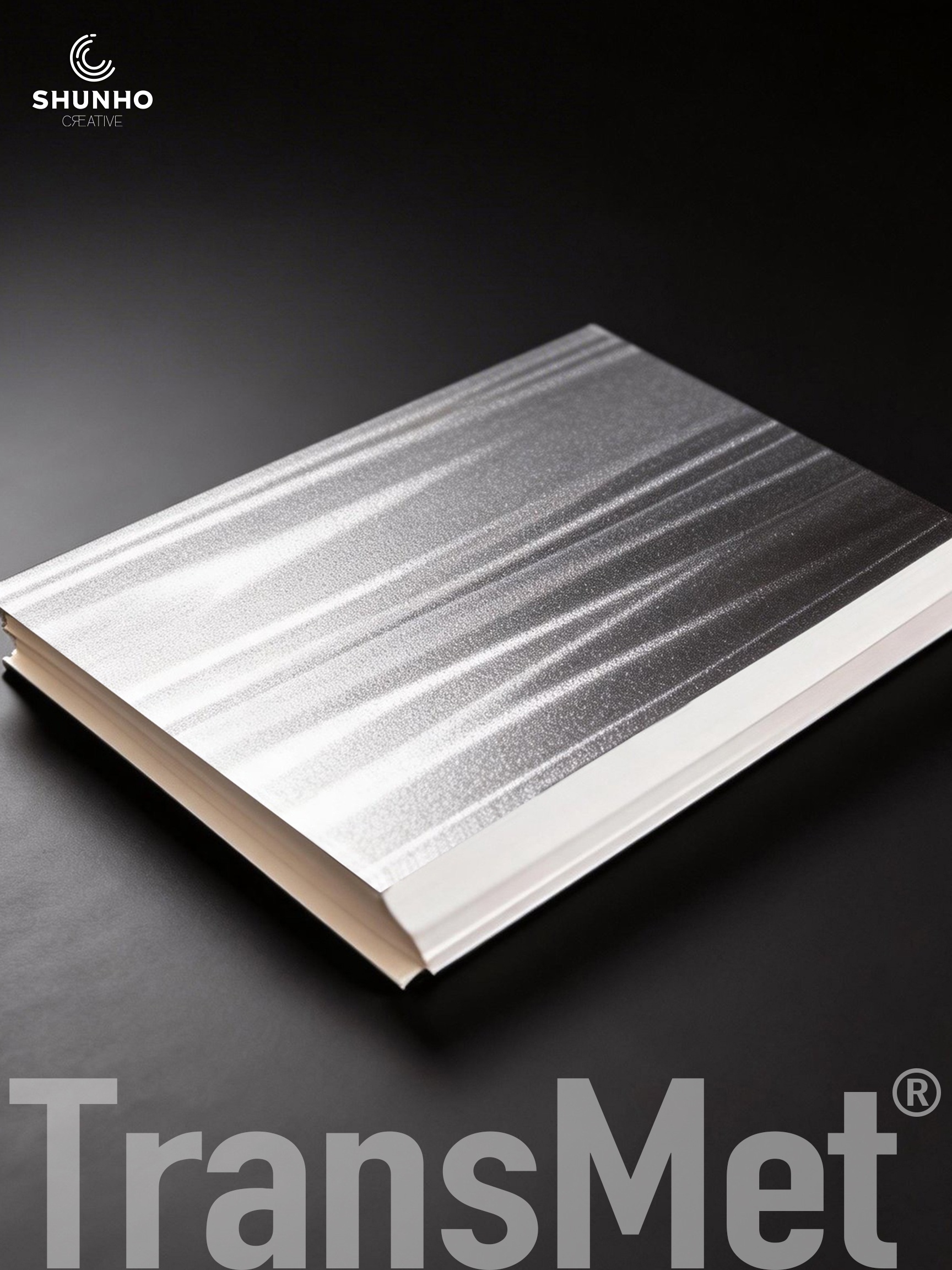
Finding reputable suppliers for holographic printing is essential to ensuring the quality and success of your project. Start by leveraging industry networks and trade shows to meet potential suppliers face-to-face. This can enhance trust and facilitate discussions about capabilities and requirements.
Online resources, including supplier directories and industry-specific forums, can also be valuable for discovering potential partners. Look for suppliers with a strong reputation and proven track record in the specific type of holographic printing you require. It’s beneficial to review case studies or testimonials from past clients, as these can offer insights into the supplier’s reliability and quality standards.
Additionally, consider suppliers who focus on eco-friendly practices, such as Shunho Creative, which specializes in sustainable packaging materials. Their commitment to using recyclable and degradable materials can align with your company's sustainability goals while ensuring your packaging meets modern consumer expectations. For example, their TransMet® Silver & Gold Paper / Paperboard options are designed with sustainability in mind.
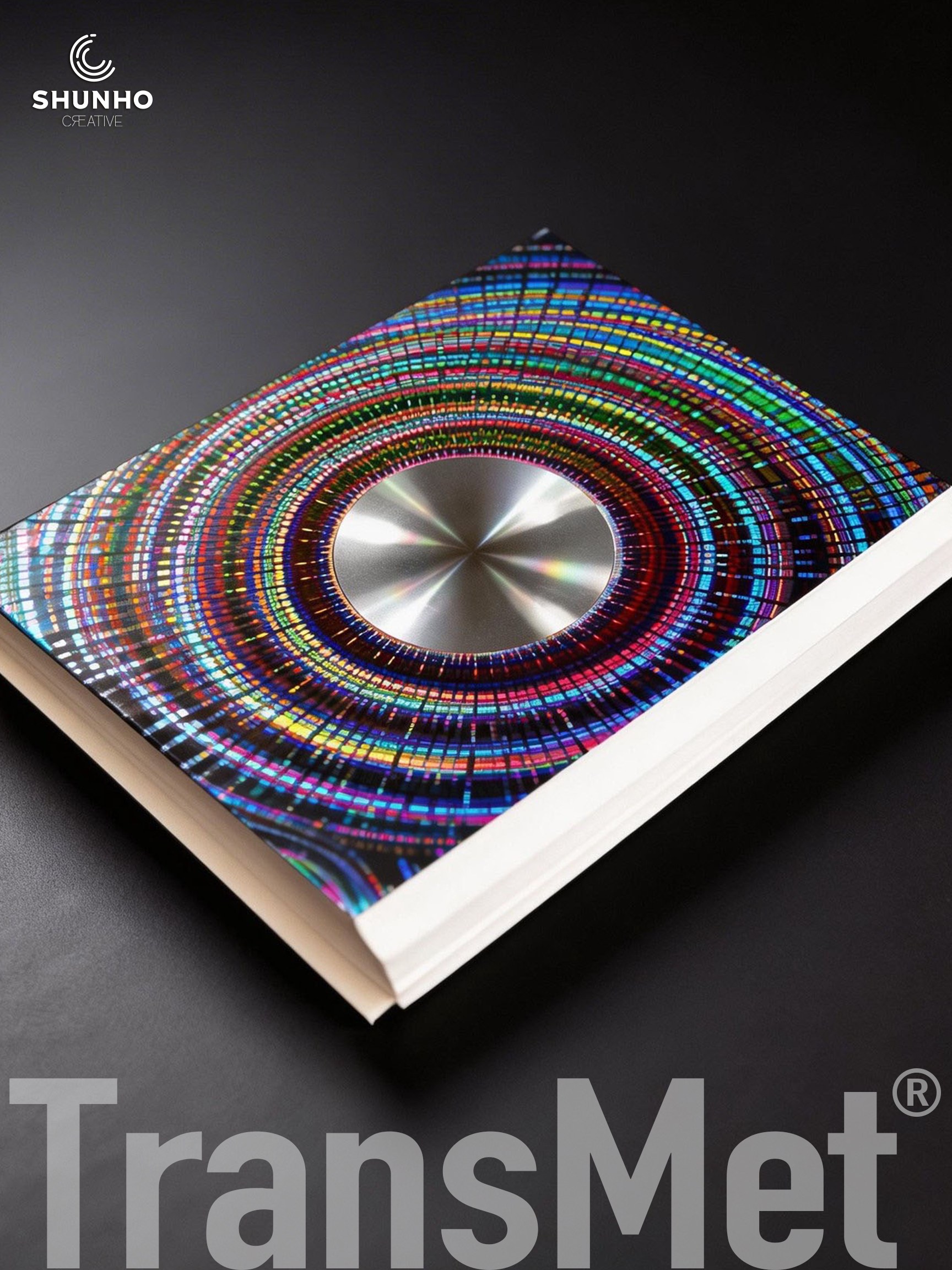
Holographic printing is characterized by its unique ability to create a three-dimensional effect through a variety of techniques, including embossing and foil stamping. Key specifications to consider when evaluating options include:
Material Type: Different substrates, such as paper, plastic, or metal, may be used for holographic printing. The choice of material affects not only the final appearance but also the durability and suitability for various applications.
Thickness and Weight: The thickness of the printed material can impact its performance, particularly in packaging. Thicker materials may be more resilient but can also affect shipping costs and handling.
Print Quality: High-resolution printing is critical to achieving the desired holographic effect. Ensure suppliers utilize advanced printing technologies and quality control processes to maintain consistency.
The benefits of using holographic printing are manifold. It enhances visual appeal, making products stand out on shelves, increases perceived value, and can also serve functional purposes, such as tamper resistance. Furthermore, the use of eco-friendly materials, like Shunho's TransHolo® Paper / Paperboard, can help you meet sustainability goals while delivering a striking product presentation.
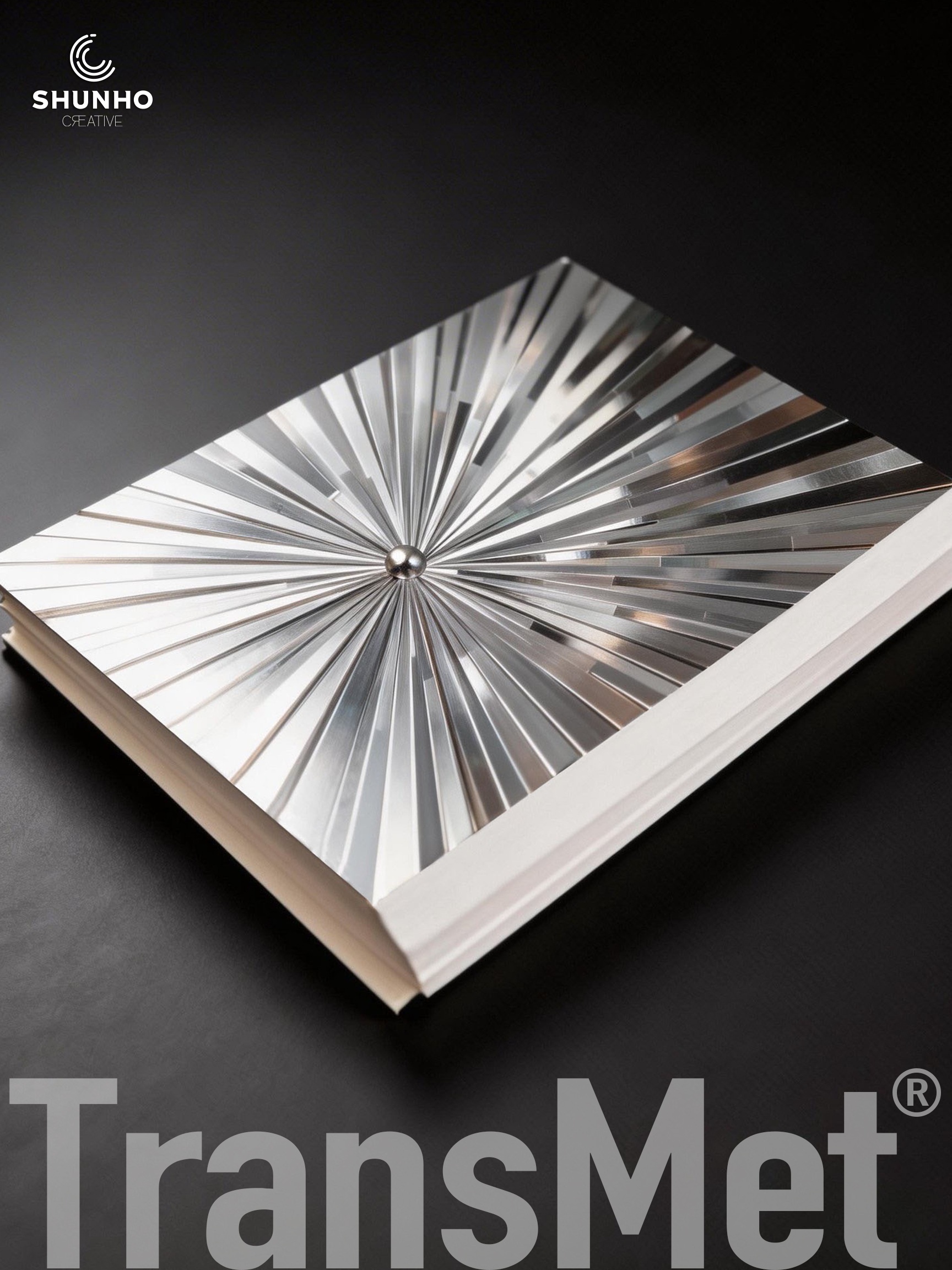
Cost management is a major concern for wholesale buyers when considering holographic printing. Several factors influence pricing:
Material Selection: The choice of substrate can greatly affect the overall cost. Premium materials may lead to higher prices, but they can also enhance the product's appeal and performance.
Customization Level: Custom designs, colors, and special effects can increase production costs. Be clear about your design needs upfront to avoid unexpected expenses later.
Production Volume: Generally, larger order quantities can reduce unit costs. However, be mindful of the MOQ and how it aligns with your needs.
Lead Times: Rush orders may incur additional charges. Planning ahead and allowing sufficient lead time can help you avoid these costs.
Buyers should also consider the long-term value of the investment. While initial costs may be higher for certain materials or printing techniques, the potential for increased sales and brand recognition can justify the investment.
Support for English, Spanish and Japanese Holographic stickers paper.
Over Holographic stickers paper years of foreign trade experience.The annual production capacity of laser paper could reach 200,000 tons.
Rainbow wrapping paper majority of customers are from the world's most prestigious 500
With Holographic paper sticker, REACH, FDA 21 CFR 176.170, (EU) No 10/2011, TUV OK COMPOST HOME, RECYCLABLE, ISO 9001/14001/45001, CNAS, PATENTS and other environmental protection certificates
To maximize the success of your holographic printing projects, consider the following best practices:
Request Samples: Always request samples before placing bulk orders. Test these samples under actual operating conditions to ensure they meet your performance expectations.
Clear Specifications: When communicating with suppliers, be specific about your requirements, including material type, dimensions, and any special effects desired. This clarity helps minimize misunderstandings.
Quality Control: Implement a robust quality control process. Regularly inspect production runs and ensure that the final products meet the agreed-upon specifications.
Build Relationships: Establishing a strong relationship with your supplier can facilitate better communication and collaboration. Regular engagement can help address any issues promptly and develop new solutions more effectively.
Stay Informed: Keep abreast of industry trends and advancements in holographic printing technology. This knowledge can help you make informed decisions and identify new opportunities for your products.
By following these practices and leveraging the insights provided, you can enhance your procurement strategy for holographic printing, ensuring that your packaging not only meets market demands but also elevates your brand presence.
 EN
 AR
 HR
 CS
 DA
 NL
 FI
 FR
 DE
 EL
 HI
 IT
 JA
 KO
 NO
 PT
 RU
 ES
 TL
 ID
 VI
 HU
 TH
 TR
 MS
 GA
 CY
 MK
 HY
 PL
