Holographic transfer paper is a versatile and visually striking material used in various industries, including electronics, cosmetics, and fast-moving consumer goods (FMCG). Known for its unique holographic effects, this type of paper enhances product packaging and branding. For B2B buyers, understanding how to select the right holographic transfer paper, its specifications, and installation processes is crucial. This article will guide you through these considerations, helping you make informed purchasing decisions. For an innovative solution, consider the TransMet® Holographic options available.
When selecting holographic transfer paper, consider several factors that can impact both aesthetics and functionality. First, determine the application—whether for product packaging, labels, or promotional materials—as this will influence the thickness, finish, and adhesive type. Holographic papers come in various designs, such as rainbow holographic, prism, or custom patterns, each offering different visual effects.
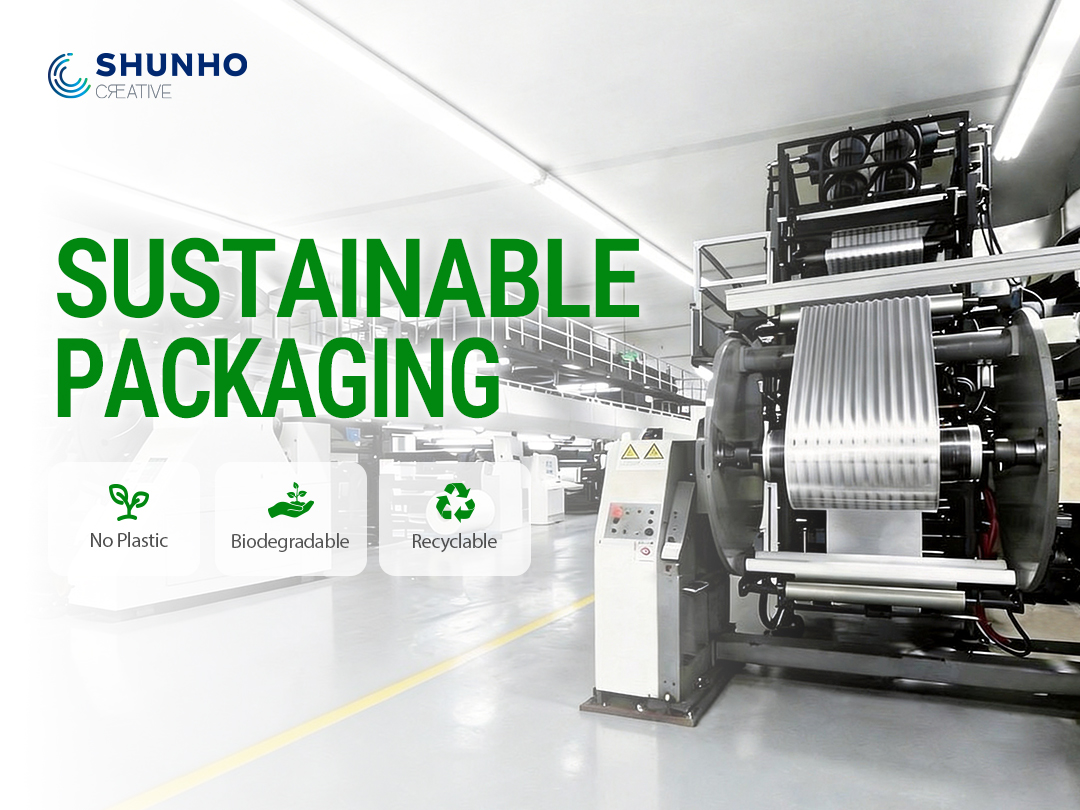
Additionally, consider the environmental impact of your choice. Shunho Creative's eco-friendly holographic transfer paper, for example, is designed to be plastic-free and fully recyclable, making it suitable for brands focused on sustainability. Discuss your project requirements with your supplier to ensure compatibility with your brand's environmental goals. You may also want to explore the TransMet® Silver option for a sustainable yet stylish choice.
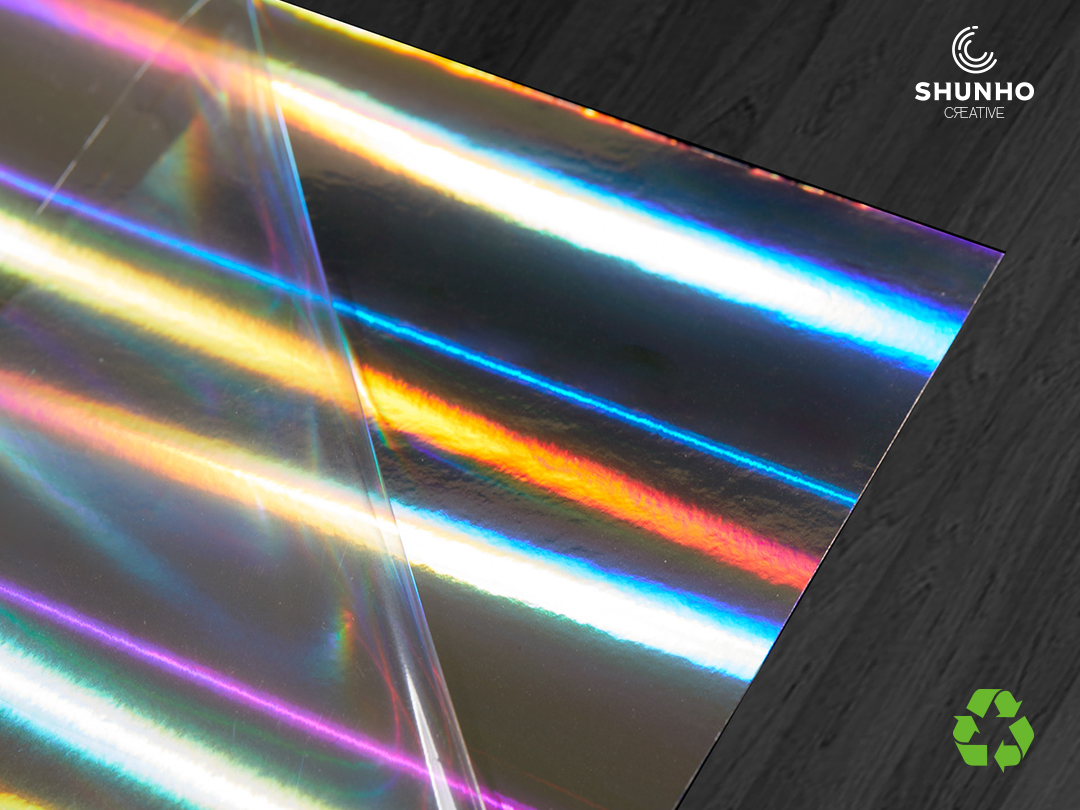
To ensure optimal performance of holographic transfer paper, familiarize yourself with key specifications:
Thickness: Typically measured in microns, the thickness of the paper affects its durability and handling. Thicker papers may provide better protection but can be less flexible, impacting application methods.
Adhesive Properties: Depending on the intended use, you may need permanent or removable adhesives. Ensure that the adhesive is compatible with both the substrate and the intended application, as this will affect the longevity of the bond.
Surface Finish: Holographic transfer paper can come with various surface treatments, such as gloss or matte finishes. The choice will depend on the desired visual impact and product positioning.
Metalizing Technology: The quality of the holographic effect is often determined by the metalizing process. Advanced technologies, like vacuum transfer metalizing, ensure a consistent and high-quality finish.
Understanding these specifications helps ensure that the selected paper meets your project requirements and performs well in its intended application.
Proper installation of holographic transfer paper is crucial for achieving the desired visual effects and ensuring durability. Here are some essential tips for installation:
Surface Preparation: Ensure the substrate is clean, dry, and free of contaminants. Any dirt or oil can affect adhesion, leading to premature failure.
Temperature and Humidity Control: Install the paper in a controlled environment. Extreme temperatures or high humidity can affect the adhesive's performance and the paper's rigidity.
Application Method: Depending on the adhesive and substrate, you may use manual or machine application methods. For large-scale applications, consider testing with a sample run to ensure that equipment settings are optimized for the holographic transfer paper.
Curing Time: Allow adequate time for the adhesive to cure before exposing the finished product to stress or environmental conditions. This ensures a robust bond and preserves the holographic effect.
Following these installation guidelines can prevent common issues and enhance the overall finish of your products.
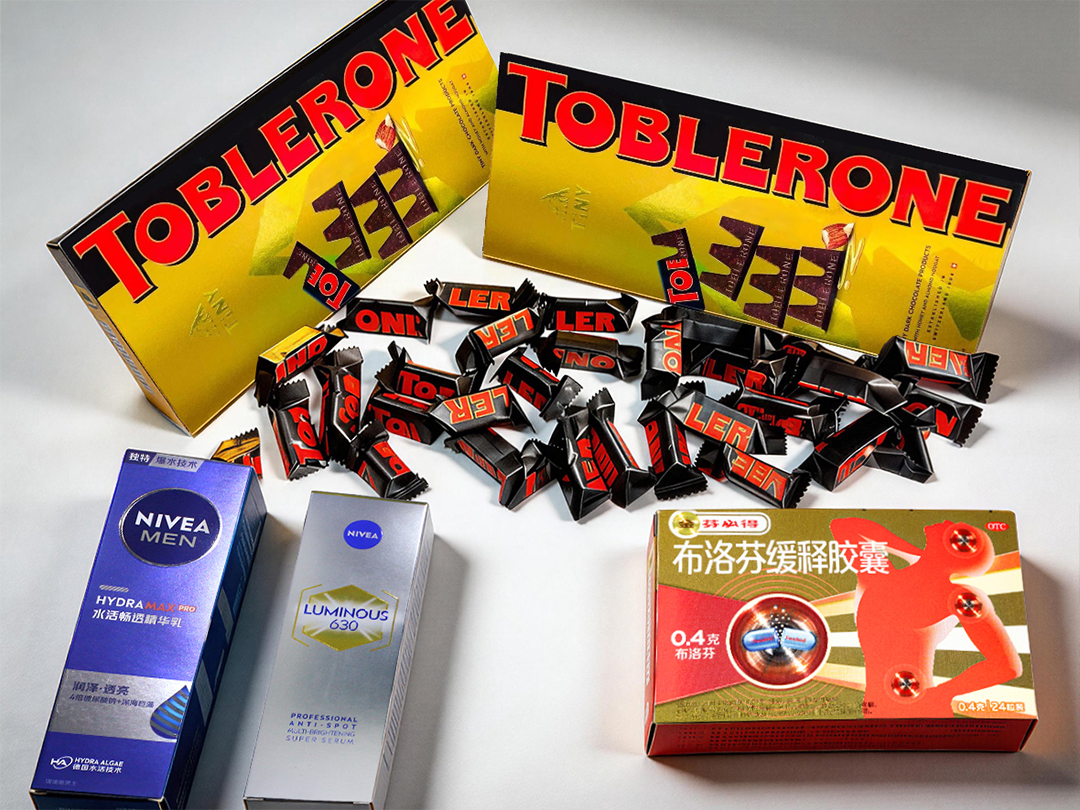
When budgeting for holographic transfer paper, several cost factors need to be considered.
Material Quality: Higher-quality holographic papers often come at a premium but typically offer better durability and visual appeal. Evaluate if the increased cost aligns with your project’s branding and market positioning.
Custom Designs: Custom patterns or colors can significantly influence pricing. Clearly define your design requirements early in the procurement process to avoid unexpected costs later.
Order Quantities: Minimum order quantities (MOQs) can vary by supplier. Understanding your production needs and negotiating quantities can help manage costs effectively. Larger orders often result in lower per-unit pricing, which can be beneficial for high-volume applications.
Shipping and Handling: Depending on the supplier’s location and your delivery requirements, shipping costs can add to the overall budget. Ensure you factor this in when comparing suppliers.
By considering these factors, you can better prepare your budget and ensure you're making a financially sound investment in your project.
With FSC, Holographic silver paper, FDA 21 CFR 176.170, (EU) No 10/2011, TUV OK COMPOST HOME, RECYCLABLE, ISO 9001/14001/45001, CNAS, PATENTS and other environmental protection certificates
The majority of customers come Holographic stickers paper the leading 500 businesses in the world.
Holographic check paper for English, Spanish and Japanese is available.
Holographic silver paper experience in international trade for more than 20 years.Laser paper has a production capacity that can go the 200,000 ton mark each year.
Despite its many advantages, holographic transfer paper can present challenges. Here are some common issues and practical solutions:
Adhesive Failure: If the adhesive does not bond properly, it can lead to lifting or peeling. This issue can often be traced back to improper surface preparation or unsuitable environmental conditions during installation. Ensure that surfaces are thoroughly cleaned and that installation occurs within recommended temperature and humidity ranges.
Bubbling or Wrinkling: Improper application techniques can lead to bubbles or wrinkles in the finished product. To avoid this, apply the paper slowly and evenly, using tools like squeegees to smooth out air pockets during application.
Fading: Prolonged exposure to sunlight can cause holographic finishes to fade. When choosing materials, consider any protective coatings or films that may enhance UV resistance, especially for products exposed to sunlight.
Inconsistent Printing: In cases where printed designs are added to holographic paper, ensure that the printing method is compatible with the paper type. Conduct tests before full production to identify any potential issues with ink adhesion or color fidelity.
Awareness of these common problems and their solutions can help ensure a smoother production process and better end results.
By understanding the nuances of holographic transfer paper, B2B buyers can make informed decisions that enhance their products and align with their brand values.
 EN
 AR
 HR
 CS
 DA
 NL
 FI
 FR
 DE
 EL
 HI
 IT
 JA
 KO
 NO
 PT
 RU
 ES
 TL
 ID
 VI
 HU
 TH
 TR
 MS
 GA
 CY
 MK
 HY
 PL
