Hologram card printing is a specialized technique used to create visually stunning and secure cards by incorporating holographic images. This technology is particularly valuable for businesses in sectors such as electronics, cosmetics, and fast-moving consumer goods (FMCG), where product differentiation and brand protection are crucial. As a B2B buyer, understanding the nuances of hologram card printing is essential for making informed purchasing decisions. This article will guide you through the cost evaluation, applications, sourcing, common issues, and installation guidelines related to hologram card printing.
When assessing the cost of hologram card printing, several factors come into play. First, consider the type of hologram you need—2D, 3D, or custom designs—as these variations can impact the final price. Additionally, the complexity of the artwork and the printing technology used, such as advanced vacuum transfer metalizing, can also affect costs.
Next, evaluate the materials required for production. For instance, Shunho Creative specializes in eco-friendly materials like their signature plastic-free TransMet® Inspire paper, which is both recyclable and degradable. Incorporating such sustainable materials may initially seem higher in cost but can provide long-term value through enhanced brand image and compliance with environmental regulations.
Finally, don’t overlook the production volume. Many manufacturers, including Shunho Creative, offer price breaks on bulk orders. Understanding your minimum order quantity (MOQ) and how it aligns with your budget is crucial for making a cost-effective decision. Always request detailed quotes that break down costs by material, labor, and printing technique to evaluate your options clearly.
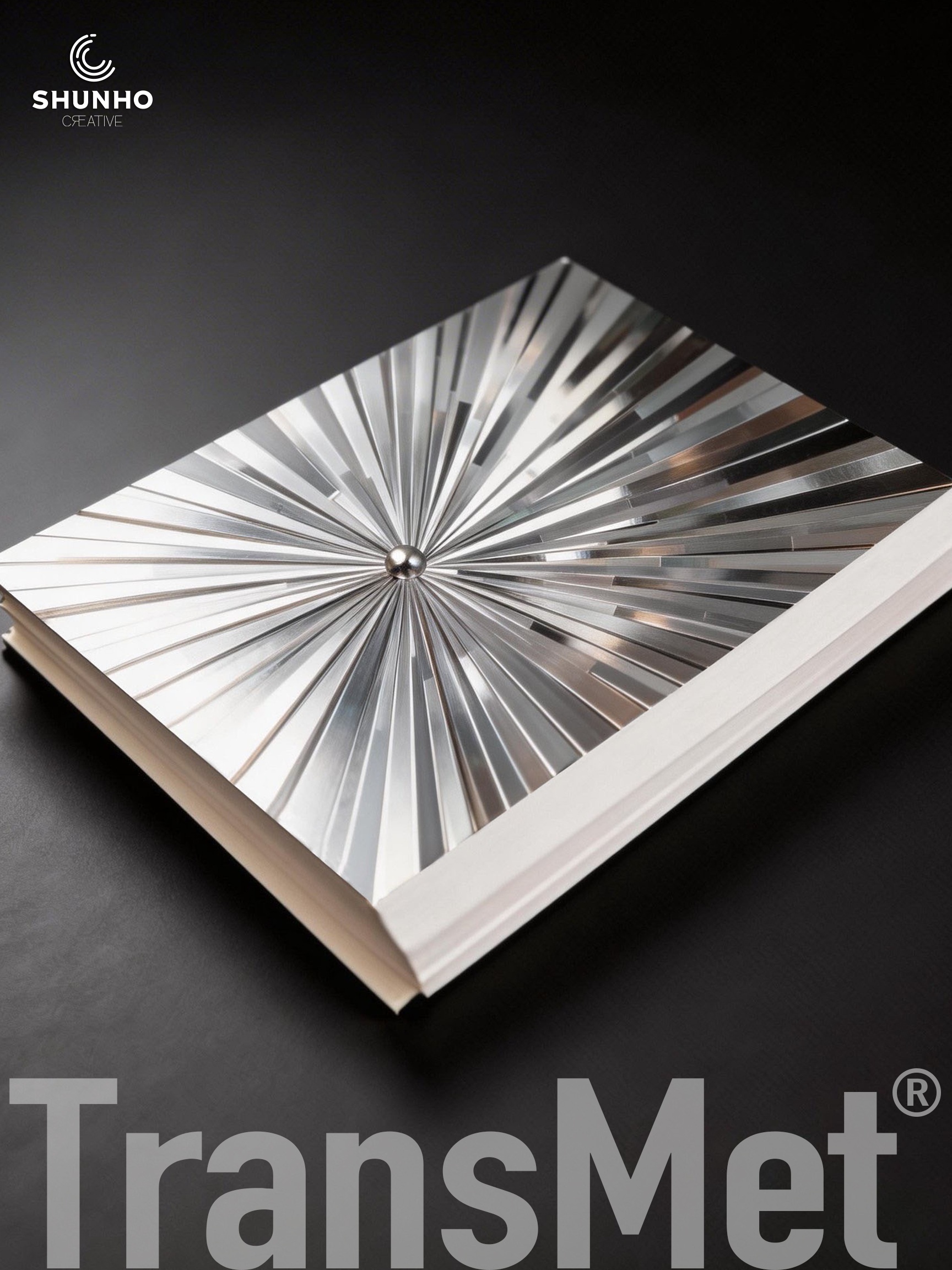
Hologram card printing finds applications across a multitude of industries. In the electronics sector, holograms provide a means of authentication, helping to combat counterfeiting and ensuring consumers receive genuine products. For cosmetics companies, holographic cards can be used for promotional packaging, enhancing visual appeal and customer engagement.
In the FMCG market, brands utilize holograms to communicate product safety and authenticity. Holographic labels on packaging can serve as a deterrent against tampering, thereby increasing consumer trust. Additionally, industries like pharmaceuticals are increasingly adopting hologram technology to ensure that products are not only secure but also easily identifiable. The versatility of hologram card printing makes it suitable for loyalty cards, gift cards, and event tickets, where visual appeal and security are paramount. When considering the integration of holographic elements, it’s essential to collaborate with a supplier who understands the specific requirements of your industry.
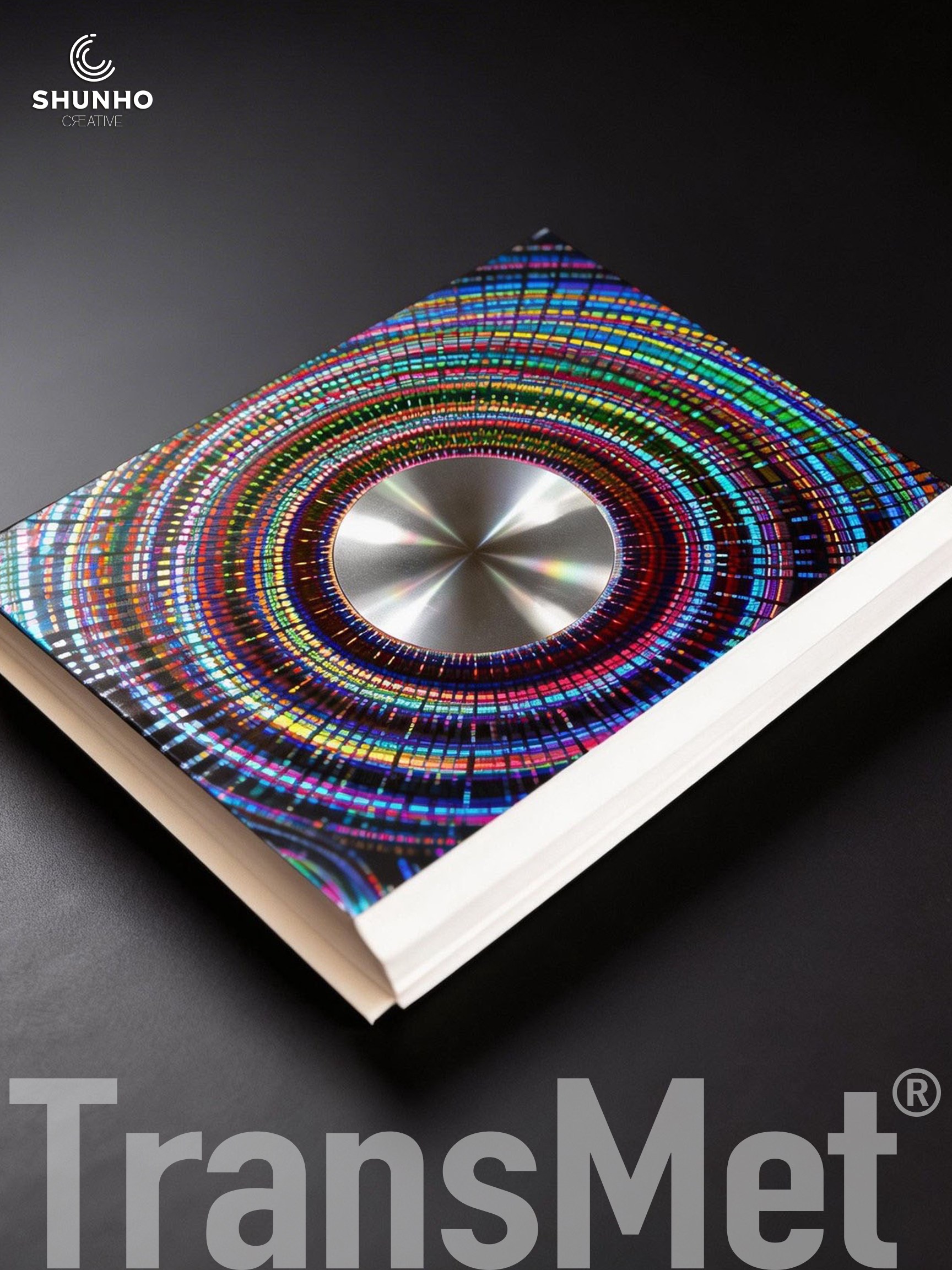
Finding a reliable supplier for hologram card printing requires thorough research. Start by seeking manufacturers with a proven track record in your specific industry. Shunho Creative, for instance, specializes in eco-friendly packaging materials and has established expertise in advanced printing techniques. TransMet® Lens products are also available for those looking for innovative options.
When evaluating potential suppliers, consider their production capacity, quality control processes, and ability to meet your specific design requirements. It’s also wise to check if they offer customization options, which can significantly enhance brand identity. Request samples of previous work to assess the quality of their hologram printing.
Additionally, inquire about lead times for bulk orders. Reliable suppliers should provide clear timelines that align with your project schedule. Engaging with manufacturers who are experienced in exporting can also ensure that they understand international shipping and compliance regulations, which may be critical depending on your market.
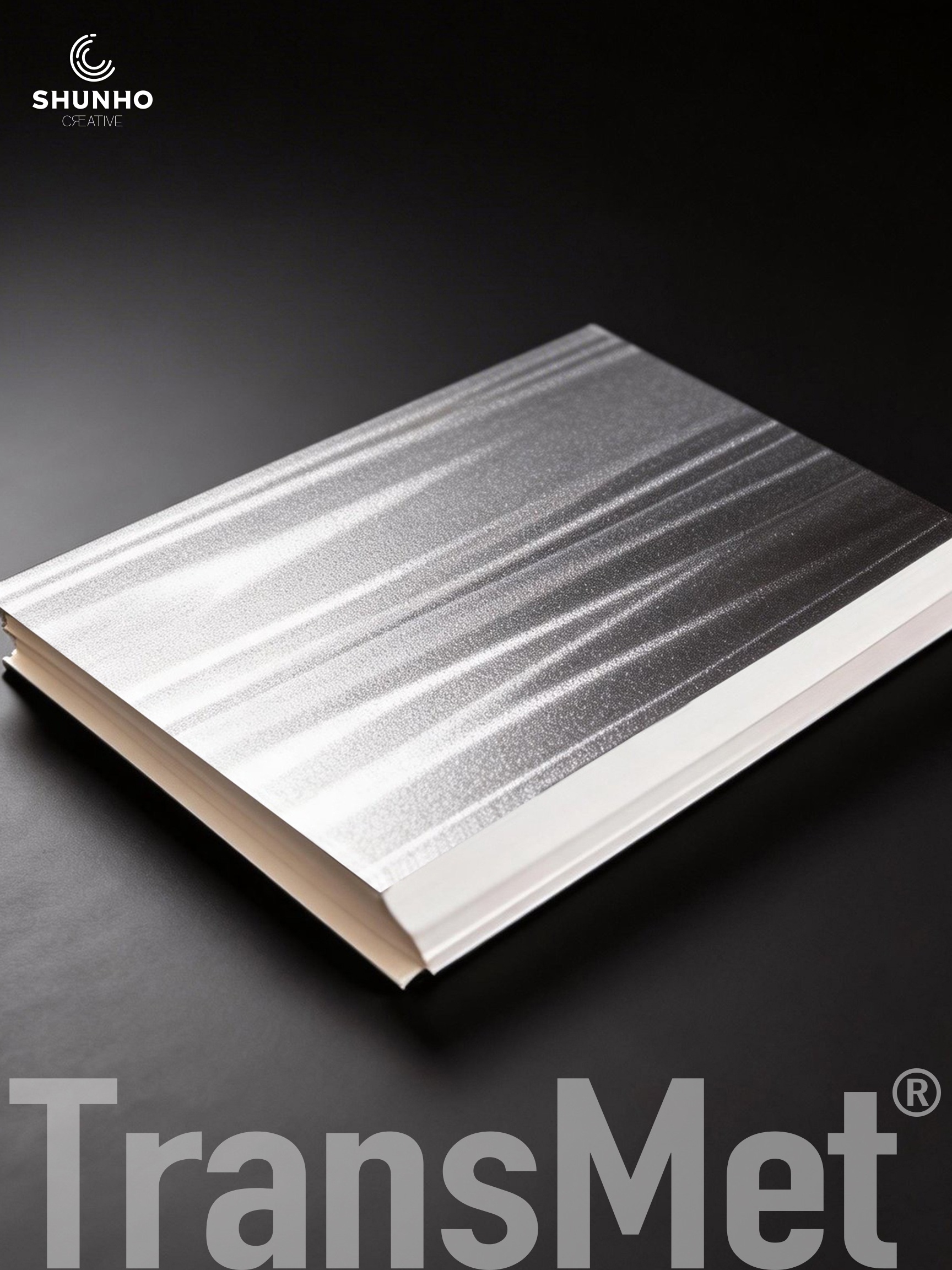
Despite its many advantages, hologram card printing can present specific challenges. One common issue is the alignment of holographic images during production, which can result in misaligned prints. To avoid this, ensure that your artwork is meticulously prepared and that the supplier employs precise printing technology.
Another concern is the durability of the holograms. Holographic images can wear off if not properly applied or if inferior materials are used. When sourcing materials, opt for high-quality substrates that can withstand environmental factors, such as moisture and UV exposure. For example, Shunho Creative’s TransMet® Holographic paper is designed to be durable while remaining eco-friendly.
Quality control is vital throughout the production process. Implementing rigorous inspection procedures before mass production can help identify potential issues early on. It’s advisable to conduct a test run or request a sample for approval to evaluate the final product’s appearance and functionality before committing to larger orders.
Holographic sticker paper FSC, REACH, FDA 21 CFR 176.170, (EU) No 10/2011, TUV OK COMPOST HOME, RECYCLABLE, ISO 9001/14001/45001, CNAS, PATENTS and other environmental protection certificates
English, Spanish, Sticker paper holographic, Korean and other languages are supported. Support total solutions from the raw materials to the final product.
Silver holographic paper experience in international trade for more than 20 years.Laser paper has a production capacity that can go the 200,000 ton mark each year.
Most Silver holographic paper the customers come from the world's best 500 companies
Proper installation of hologram cards is critical to ensuring their effectiveness and visual appeal. First, consider the environment where the cards will be used. For instance, if the cards are part of a packaging solution, they should be designed to withstand handling, shipping, and display conditions.
When integrating hologram cards into your projects, communicate clearly with your manufacturer about the intended application and any specific requirements. This includes dimensions, materials, and any unique features that may be needed.
In cases where hologram cards are used for promotional purposes, ensure they are paired with appropriate packaging that highlights their visual appeal. Proper placement and visibility can enhance customer engagement and drive sales.
Understanding the intricacies of hologram card printing is vital for B2B buyers. By evaluating costs, identifying suitable applications, sourcing reliable suppliers, addressing common problems, and adhering to installation guidelines, you can make informed purchasing decisions that align with your business goals.
 EN
 AR
 HR
 CS
 DA
 NL
 FI
 FR
 DE
 EL
 HI
 IT
 JA
 KO
 NO
 PT
 RU
 ES
 TL
 ID
 VI
 HU
 TH
 TR
 MS
 GA
 CY
 MK
 HY
 PL
