In the competitive landscape of B2B packaging, printed packaging solutions play a pivotal role in product presentation and protection. These solutions are essential for industries like electronics, cosmetics, and fast-moving consumer goods (FMCG). Buyers often have specific concerns regarding material quality, sustainability, and compatibility with their products. This article will address the critical considerations for selecting printed packaging solutions, evaluating sustainability, common challenges, installation guidance, and sourcing reliable suppliers.
When selecting printed packaging solutions, several factors must be considered to ensure the product meets your needs effectively. Firstly, evaluate the material used in the packaging. Options like whiteboard and laminated paper offer various barrier properties and aesthetics that can influence the shelf appeal of the product. Additionally, Shunho Creative’s TransHolo® Paper / Paperboard, featuring a plastic-free structure and a 30nm aluminum layer, provides a unique combination of recyclability and performance.
Next, consider the production methods. Understanding whether the packaging is produced through advanced technologies, like vacuum transfer metalizing, can provide insight into its durability and quality. Additionally, assess the customization capabilities of the supplier. Tailored designs can enhance brand recognition and ensure the packaging aligns with product dimensions and branding requirements.
Lastly, think about the minimum order quantity (MOQ) and lead times. Different suppliers have varying MOQs based on their production capabilities, which can affect your inventory management and operational planning.
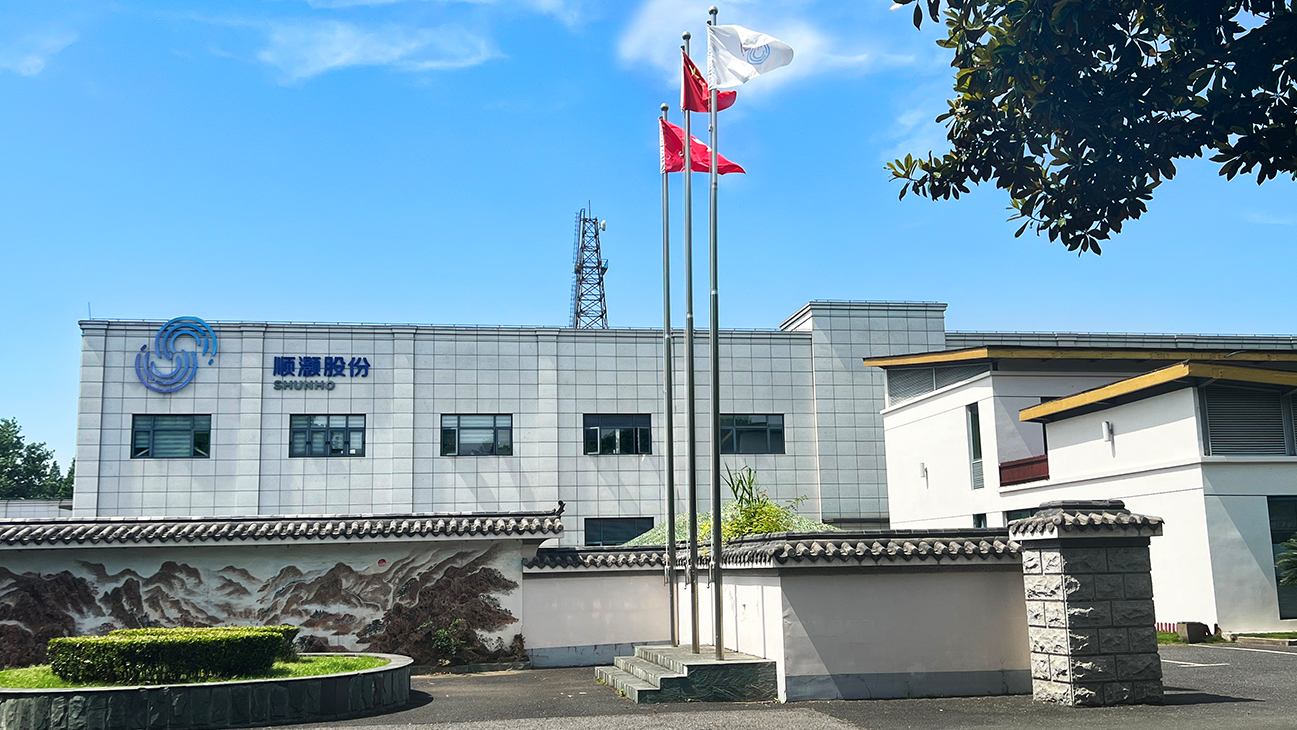
Sustainability is an increasingly critical factor in purchasing decisions for printed packaging solutions. Buyers should start by investigating the materials used in the packaging. Eco-friendly options, such as Shunho Creative's TransMet® Silver & Gold Paper / Paperboard, not only reduce environmental impact but also enhance brand reputation among environmentally conscious consumers.
When evaluating sustainability, it is essential to consider certifications or environmental standards the materials meet. Look for labels indicating recyclability or biodegradable properties, which can often be a selling point for your products. Additionally, inquire about the supplier’s production processes. Sustainable manufacturing practices can significantly reduce the carbon footprint associated with packaging production.
Buyers should also calculate the total lifecycle impact of the packaging. This includes assessing how the packaging is disposed of after use and its impact on waste management systems. Collaborating with suppliers who prioritize sustainability can lead to innovative solutions that align with your company’s environmental goals.
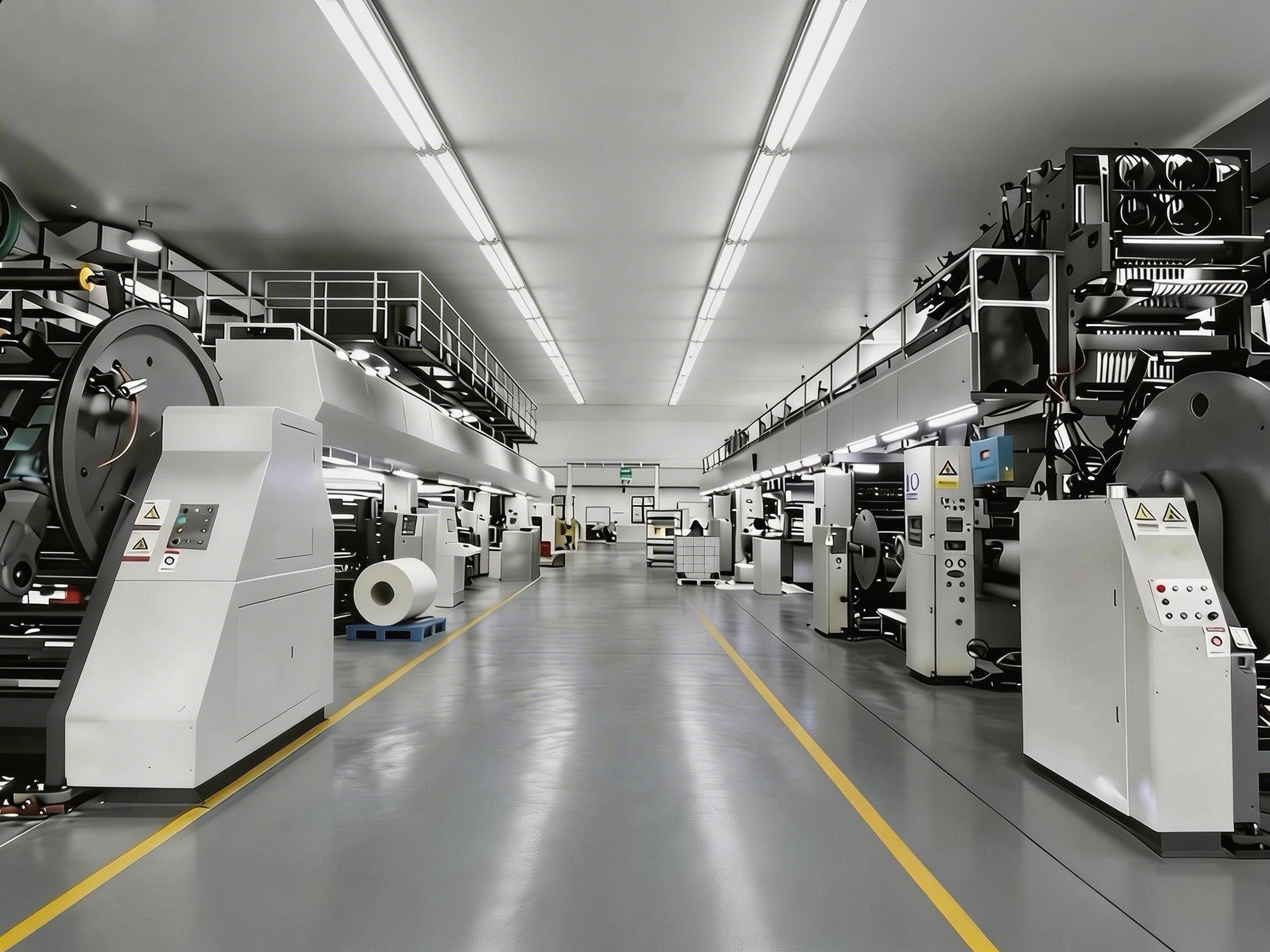
Several common issues can arise with printed packaging solutions, which can affect product integrity and customer satisfaction. One frequent problem is the inconsistency in print quality, which can result from variations in the production process or equipment calibration. To mitigate this risk, ensure that the supplier employs stringent quality control measures, including regular inspections and testing of samples before mass production.
Another common challenge is the compatibility of packaging materials with the contents. For instance, certain chemicals or moisture levels can compromise the structural integrity of the packaging. Therefore, it’s crucial to discuss the specific application requirements with the supplier. This includes understanding the expected shelf life, storage conditions, and any special handling needs.
Lastly, improper sealing can lead to product contamination or spoilage. Buyers should ensure that their packaging solutions are designed to provide appropriate sealing methods based on the product's characteristics. Sample testing under real-world conditions is advisable to confirm that the packaging performs as intended.

Installing printed packaging solutions correctly is vital to ensure optimal performance during transportation and storage. Begin by reviewing the supplier's guidelines on handling and assembly. Pay attention to any specific instructions related to the opening and sealing processes, especially if the packaging is designed for automated filling lines.
Before mass production, it’s beneficial to conduct a trial run with a sample batch to identify any potential issues with fitting or sealing. This step allows buyers to gauge the efficiency of the packaging process and make necessary adjustments to machinery or workflows.
Moreover, training staff on the proper handling and installation techniques can reduce errors and enhance productivity. Regular feedback from the production line can also help in refining the packaging process, ensuring that it meets operational standards and customer expectations.
Support for English, Spanish and Japanese is Holographic paper sticker.
Experiential experience in international trade for more than 20 years.The annual capacity of laser-printed paper can Holographic check paper 200 tons.
Holographic paper sticker majority of customers are from the world's most prestigious 500
With FSC, Holographic silver paper, FDA 21 CFR 176.170, (EU) No 10/2011, TUV OK COMPOST HOME, RECYCLABLE, ISO 9001/14001/45001, CNAS, PATENTS and other environmental protection certificates
Finding reliable suppliers for printed packaging solutions is crucial for maintaining quality and consistency in your products. Start by researching suppliers with a proven track record in the industry. Look for manufacturers like Shunho Creative, known for their expertise in eco-friendly packaging materials and advanced production technologies. Additionally, consider suppliers that offer innovative options like TransInspire® Paper / Paperboard to expand your product range.
Networking within industry-specific trade shows, conferences, and online platforms can provide valuable insights and recommendations for suppliers. Additionally, consider collaborating with suppliers who are willing to provide samples or prototypes for evaluation. This can help you assess the quality and suitability of their products before placing larger orders.
When evaluating potential suppliers, inquire about their production capabilities, customization options, and sustainability practices. Assessing their certifications and quality control processes will also provide peace of mind regarding their commitment to excellence.
In summary, navigating the selection of printed packaging solutions requires careful consideration of materials, sustainability, common challenges, installation practices, and sourcing reliable suppliers. By focusing on these areas, you can make informed decisions that align with your operational needs and environmental goals.
 EN
 AR
 HR
 CS
 DA
 NL
 FI
 FR
 DE
 EL
 HI
 IT
 JA
 KO
 NO
 PT
 RU
 ES
 TL
 ID
 VI
 HU
 TH
 TR
 MS
 GA
 CY
 MK
 HY
 PL
