When considering cardstock printing for your business projects, understanding the nuances of quality, material specifications, and eco-friendly options is crucial. This article will delve into cardstock quality evaluation, essential specifications for selection, cost considerations for bulk purchases, application scenarios for eco-friendly cardstock, and the material advantages of using Shunho Creative’s eco-friendly cardstock solutions. As a B2B buyer, your main concerns likely revolve around product performance, sustainability, and cost-effectiveness. By the end of this article, you will have a clearer understanding of how to make informed decisions regarding cardstock printing that align with your business needs.
Evaluating cardstock quality is a fundamental step in ensuring your printed materials meet the necessary standards for durability and visual appeal. Start by assessing the thickness, typically measured in points (pt) or grams per square meter (gsm). A thicker cardstock often indicates greater durability, which is essential for projects that require longevity, such as packaging or marketing materials.
Next, examine the finish of the cardstock. Options may include matte, glossy, or uncoated finishes, each affecting how colors appear and how the cardstock performs in terms of printing. For instance, glossy finishes tend to enhance color vibrancy but may not be suitable for writing or labeling. Additionally, consider the cardstock's opacity, which is crucial for double-sided printing applications to prevent bleed-through.
Lastly, look for certifications that indicate eco-friendliness, such as FSC certification or claims of being plastic-free. Shunho Creative’s cardstock options, including the TransMet® Inspire paper with its plastic-free composition, provide high-quality solutions that cater to sustainability-conscious buyers.
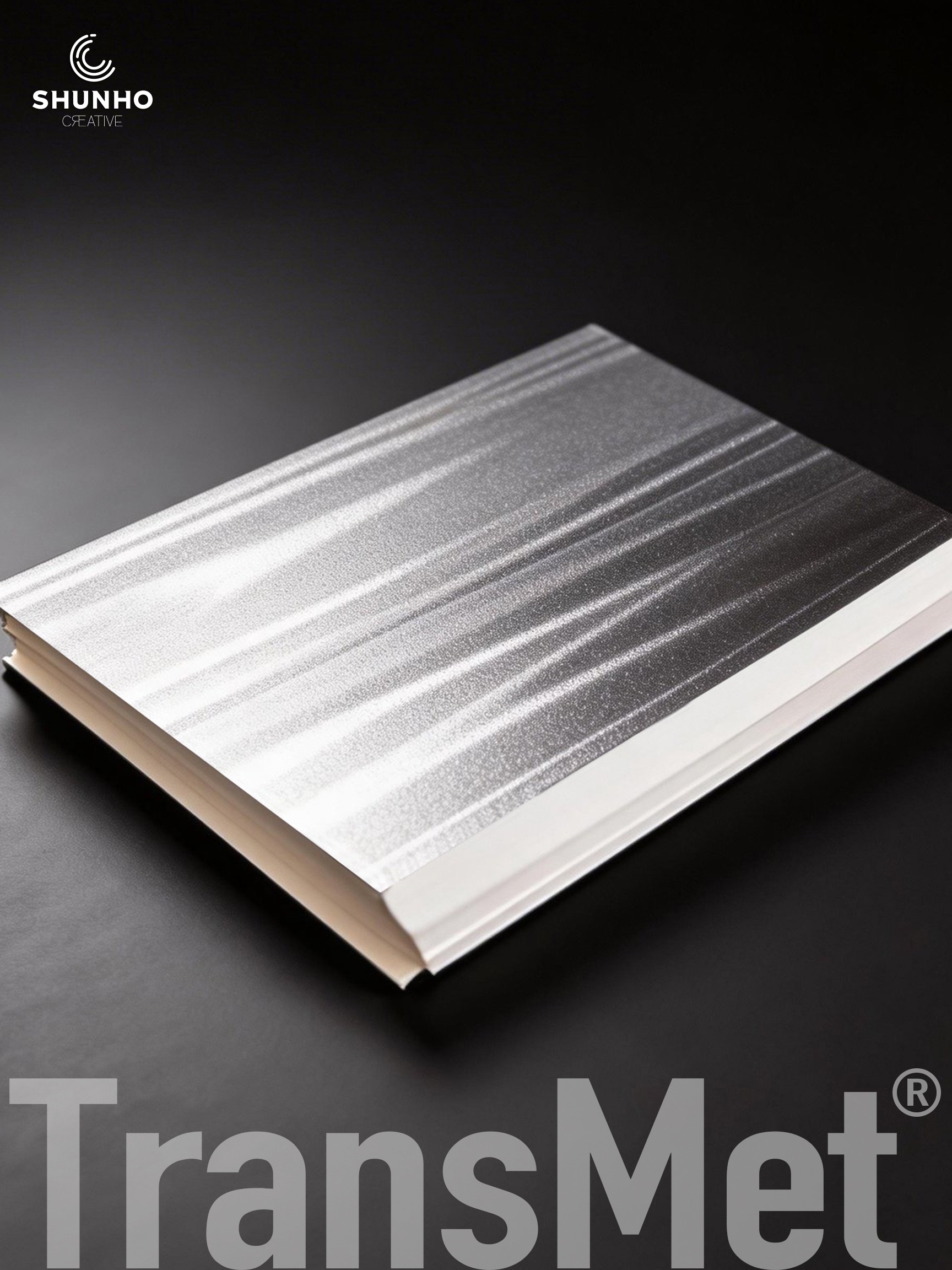
When selecting cardstock for your projects, several specifications warrant careful consideration. First, understand the weight of the cardstock, which impacts its rigidity and suitability for different applications. Lighter weights (e.g., 150-200 gsm) are typically used for flyers or brochures, while heavier weights (e.g., 250-300 gsm) are preferred for business cards or packaging.
Another crucial specification is the texture. Smooth surfaces are ideal for high-resolution printing, while textured options can add a tactile element to your materials. Additionally, consider the coating options available. Coatings can enhance the cardstock's protective qualities against moisture and UV light, prolonging the life of printed materials, especially in demanding environments.
Finally, evaluate the compatibility of the cardstock with your printing equipment. Not all printers can handle heavier or textured cardstocks, so it’s essential to verify machine capabilities before making a bulk purchase. Ensuring that your chosen cardstock aligns with your printing technology will prevent costly delays and reprints.
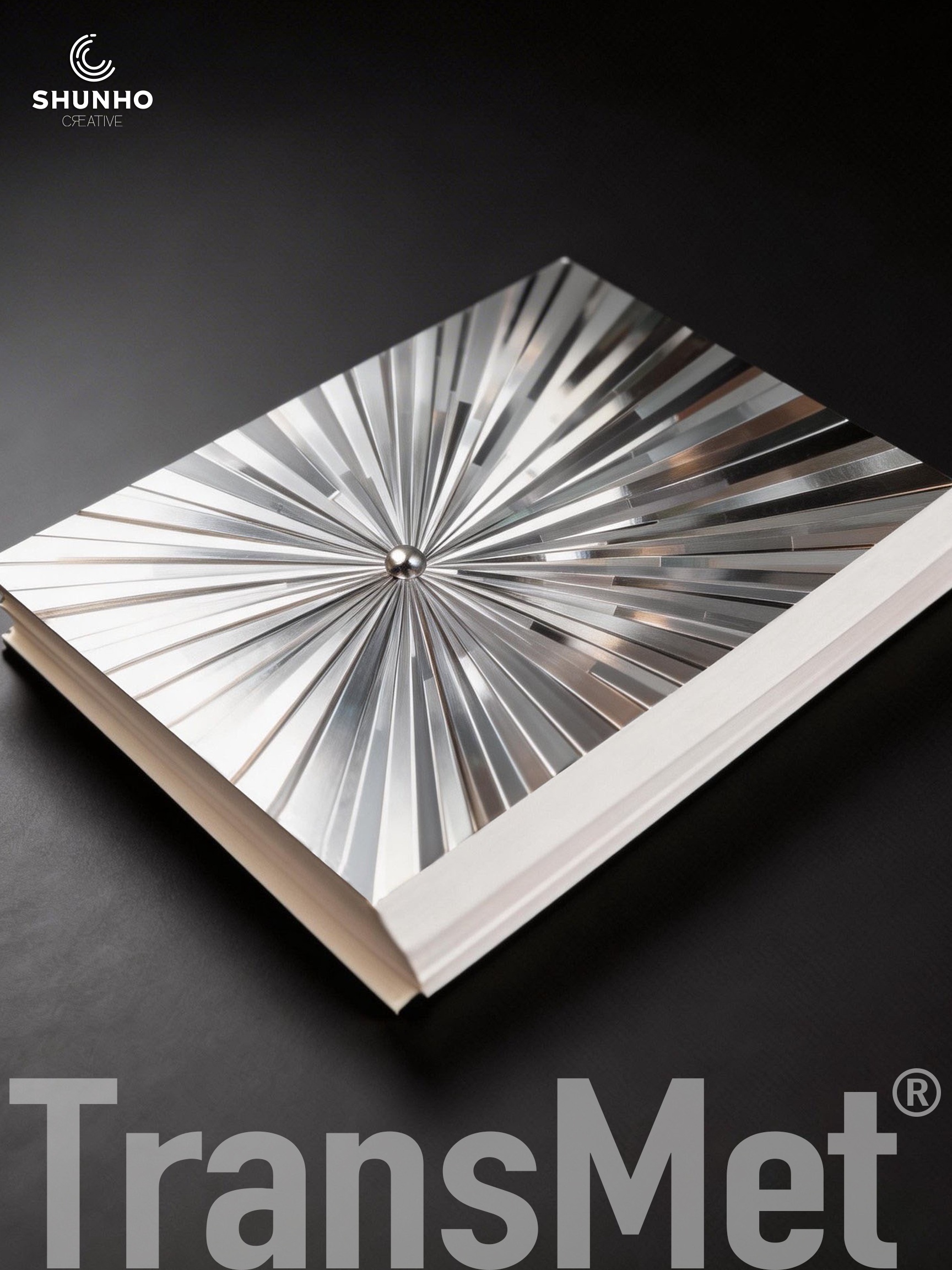
Purchasing cardstock in bulk can lead to significant cost savings, but several factors influence pricing. One primary consideration is the type of cardstock—eco-friendly options, such as those offered by Shunho Creative, may have a higher initial cost due to sustainable production methods but can lead to long-term savings through increased brand loyalty and reduced environmental impact.
Another factor is the quantity ordered. Many manufacturers offer tiered pricing, where the unit cost decreases as the order size increases. Understanding the minimum order quantities (MOQ) can help you plan your purchases effectively.
Additionally, consider shipping and handling costs, especially if you're sourcing from a manufacturer that operates internationally. Shipping fees can add up quickly, so negotiating terms that minimize these costs is beneficial. Finally, be mindful of any potential tariffs or taxes that may apply to your order, particularly for eco-friendly products that may qualify for specific exemptions.
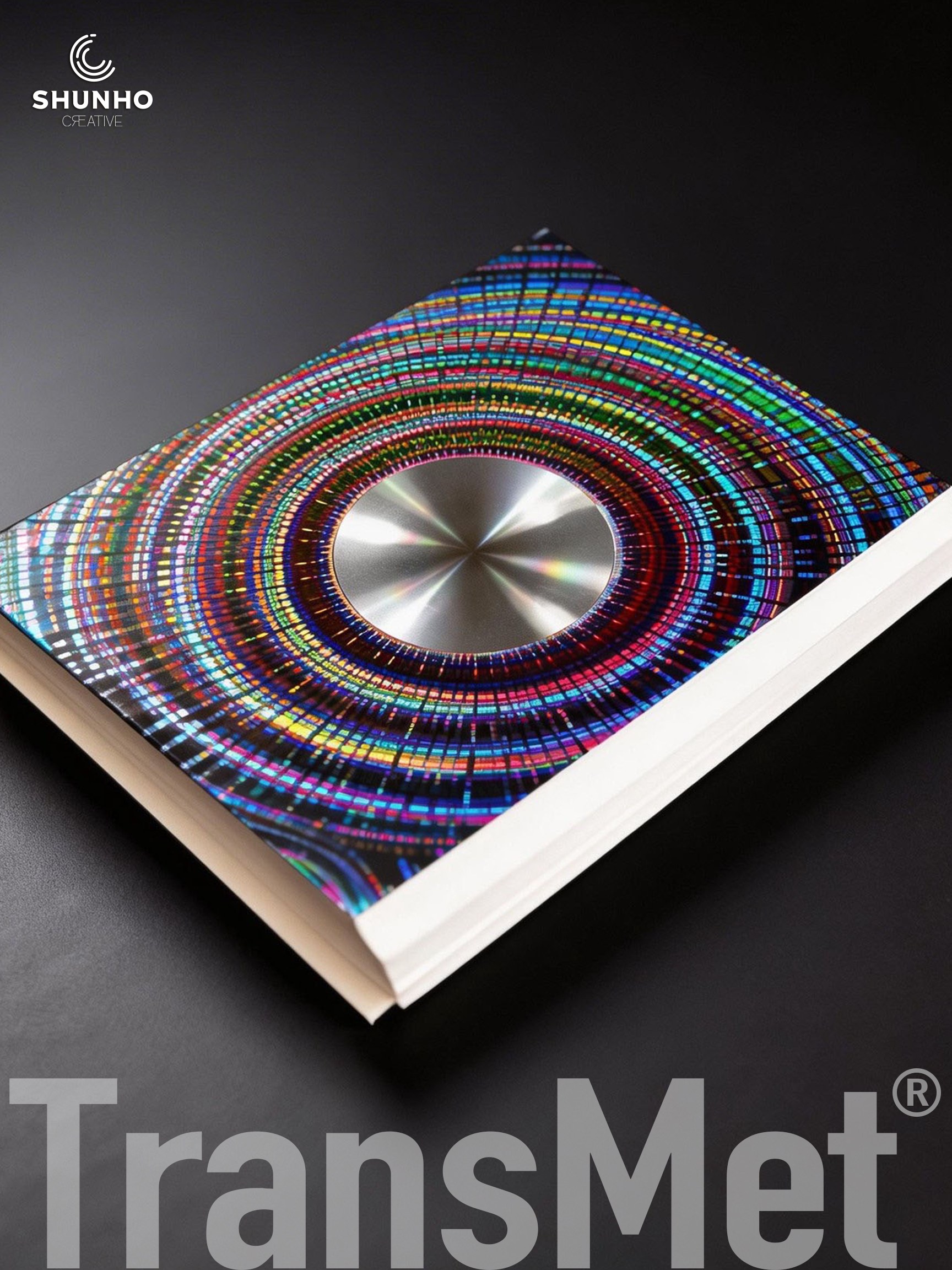
Eco-friendly cardstock printing is increasingly relevant in various industries, particularly where sustainability is a brand focus. In the electronics sector, packaging that emphasizes eco-friendliness can enhance brand reputation while meeting consumer demand for sustainable products. This is especially true in packaging solutions where Shunho Creative’s plastic-free TransMet® Holographic paper provides a compelling alternative to traditional materials.
In the cosmetics industry, using eco-friendly cardstock for product packaging not only aligns with consumer values but also supports regulatory compliance as more regions implement stringent packaging laws. Moreover, in the fast-moving consumer goods (FMCG) sector, using recyclable materials can attract environmentally conscious consumers and differentiate your products on the shelf.
It’s important to consider the specific requirements of your applications. For instance, if your product requires insulation or barrier properties, ensure that the chosen eco-friendly cardstock meets those needs while still being printable and visually appealing.
More than 20 years of foreign trade experience.Laser paper is produced at a capacity that could reach around Holographic sticker paper tons per year.
With FSC, REACH, Rainbow paper 21 CFR 176.170, (EU) No 10/2011, TUV OK COMPOST HOME, RECYCLABLE, ISO 9001/14001/45001, CNAS, PATENTS and other environmental protection certificates
Holographic paper for English, Spanish and Japanese is available.
The majority of customers come Holographic stickers paper the leading 500 businesses in the world.
Shunho Creative’s eco-friendly cardstock solutions offer several material advantages over traditional options. The primary benefit lies in their sustainability profile. Our signature TransMet® Silver paper, made with a plastic-free aluminum layer, ensures that your packaging and printed materials are fully recyclable and degradable, addressing the growing consumer demand for environmentally responsible products.
Furthermore, the advanced vacuum transfer metalizing technology used in producing our cardstock enhances its aesthetic appeal and durability. This technology provides a beautiful metallic finish without the environmental drawbacks of conventional metallic coatings.
Buyers should also consider the versatility of our eco-friendly cardstock, which can be customized to meet specific project requirements. Whether you need specific dimensions, weights, or finishes, our production capabilities can accommodate diverse needs while ensuring that sustainability remains at the forefront of your materials.
when evaluating cardstock printing for your business, focusing on quality, specifications, cost factors, application scenarios, and material advantages is essential. By understanding these elements, you can ensure that your choices align with your operational needs and sustainability goals, ultimately enhancing your brand's market presence.
 EN
 AR
 HR
 CS
 DA
 NL
 FI
 FR
 DE
 EL
 HI
 IT
 JA
 KO
 NO
 PT
 RU
 ES
 TL
 ID
 VI
 HU
 TH
 TR
 MS
 GA
 CY
 MK
 HY
 PL
