Food packaging plays a critical role in maintaining product quality, ensuring safety, and enhancing brand appeal. When looking for the best food packaging solutions, businesses need to consider a variety of factors, including material compatibility, sustainability, and cost-efficiency. This article aims to guide purchasing managers and decision-makers in selecting the most paper box food packaging for their specific needs, addressing key specifications, sourcing strategies, and eco-friendly options.
Selecting the best food packaging requires a thorough understanding of your product's requirements and the operational capabilities of your manufacturing process. Consider the following factors:
Product Type: Different foods have varying needs based on their moisture content, temperature sensitivity, and shelf life. For example, dry products may require less barrier protection than perishable goods.
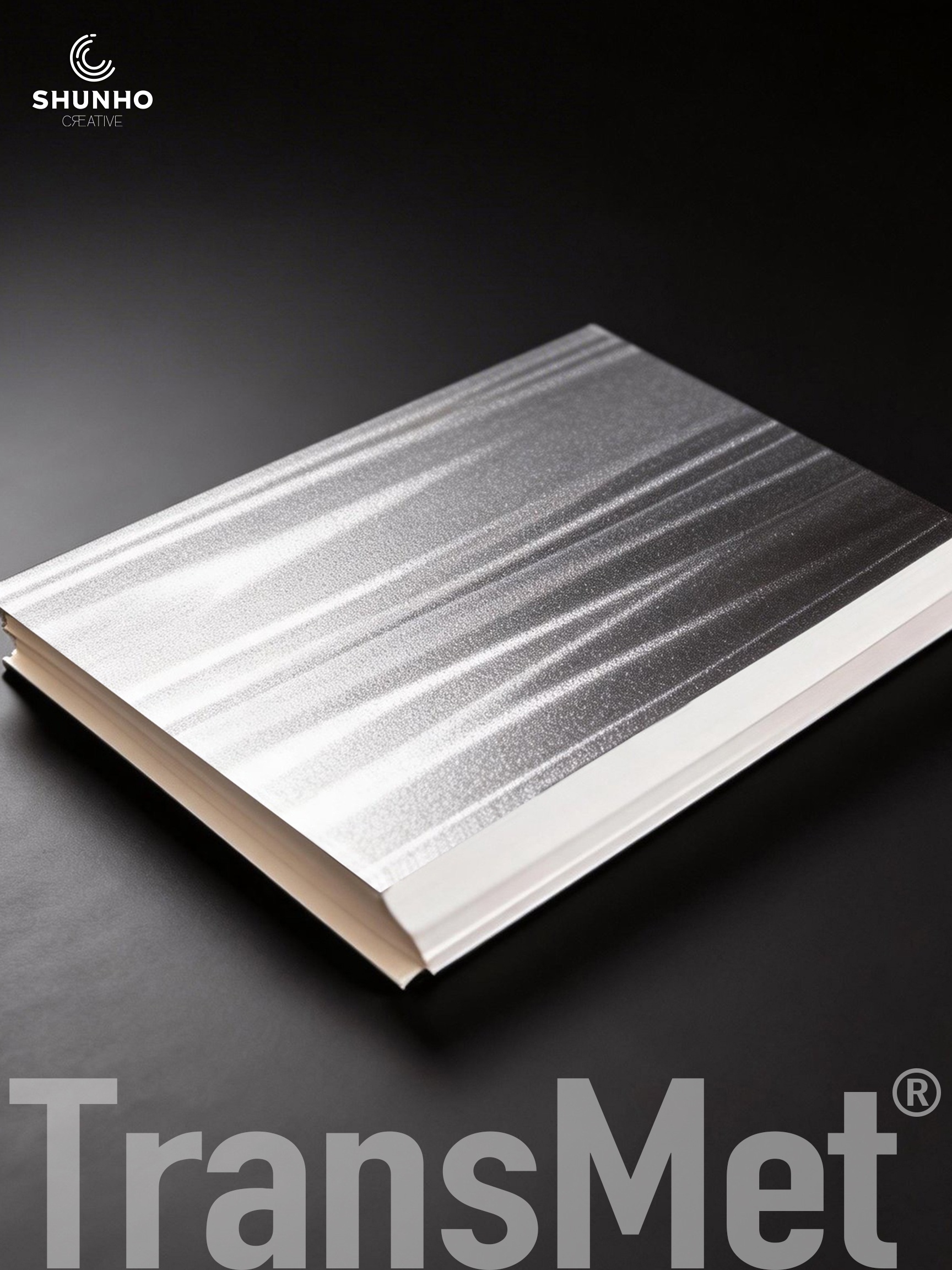
Material Selection: Evaluate whether you need biodegradable materials, such as Shunho Creative's TransMet paper, which is plastic-free and fully recyclable, or other options like laminated paper that may offer specific barrier properties.
Regulatory Compliance: Ensure that the packaging material meets local and international food safety standards. This may involve checking certifications related to food safety and environmental impact.
Customization Needs: Consider whether you require customized sizes or designs to stand out in the market. Customization can enhance branding but may also impact lead times and costs.
Sustainability: With increasing consumer demand for eco-friendly options, choosing sustainable packaging materials can not only reduce environmental impact but also resonate with eco-conscious customers.
Understanding these factors will help you choose food packaging boxes that aligns with your business goals while meeting customer expectations.
When evaluating food packaging options, key specifications must be closely examined to ensure they meet your operational needs:
Barrier Properties: Look for materials that provide adequate barriers against moisture, oxygen, and light, which can compromise product integrity. TransMet paper, for instance, features a 30nm aluminum layer that offers excellent barrier properties while remaining eco-friendly.
Thickness and Strength: The thickness of the packaging material can affect its durability and performance during shipping and handling. Thicker materials may offer better protection but could also increase costs. Determine the right balance based on your product's fragility.
Sealing Compatibility: Ensure that the selected packaging can be sealed properly using your existing machinery. Poor sealing can lead to contamination and spoilage.
Temperature Resistance: Confirm that the packaging material can withstand the temperature range required for storage and transportation, especially for frozen or chilled products.
Shelf Life: Assess how the packaging material impacts the product's shelf life. Packaging that extends freshness reduces waste and enhances customer satisfaction.
By focusing on these specifications, you can ensure that your packaging not only protects the product but also enhances its marketability.
Finding reliable suppliers is crucial for maintaining consistent quality in your food packaging. Here are some steps to ensure effective sourcing:
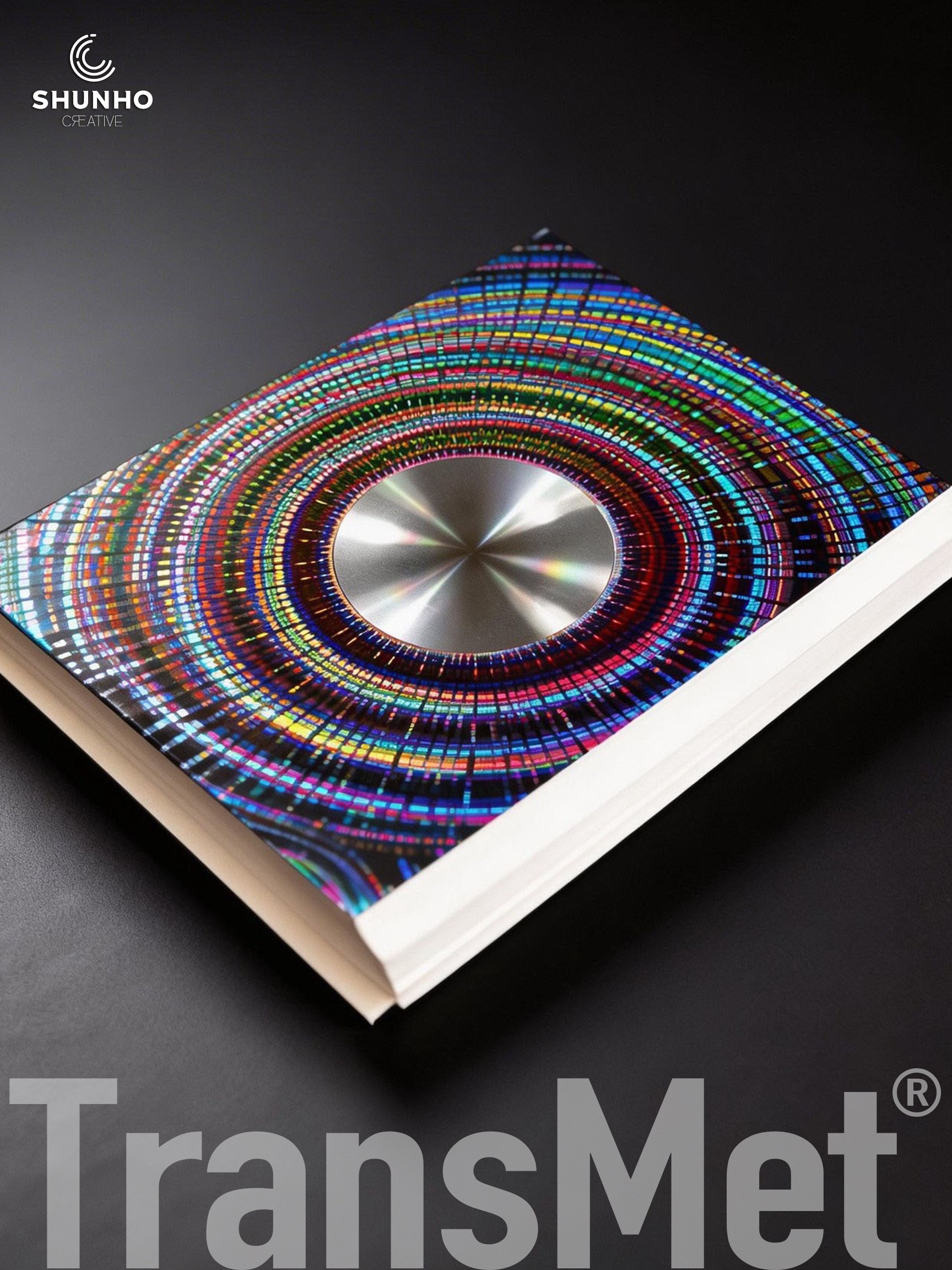
Supplier Evaluation: Consider suppliers with expertise in food packaging materials, like Shunho Creative, which specializes in eco-friendly options. Review their manufacturing processes, certifications, and production capabilities to assess their reliability.
Material Traceability: Ensure that suppliers can provide documentation regarding the sourcing and sustainability of their materials. This is particularly important for eco-friendly packaging solutions.
Sample Approval: Before committing to a supplier, request samples to evaluate their product quality. Testing the samples under actual usage conditions can help identify any potential issues before mass production.
Lead Times and MOQ: Discuss lead times and minimum order quantities (MOQ) upfront. This will help in planning your production schedules and managing inventory effectively.
Long-term Partnerships: Building long-term relationships with suppliers can lead to better pricing, priority service, and collaborative innovation in packaging solutions.
By taking these steps, you can foster a reliable supply chain that meets your packaging needs consistently.
As sustainability becomes more important in packaging decisions, it’s essential to compare eco-friendly packaging options effectively. Here are some considerations:
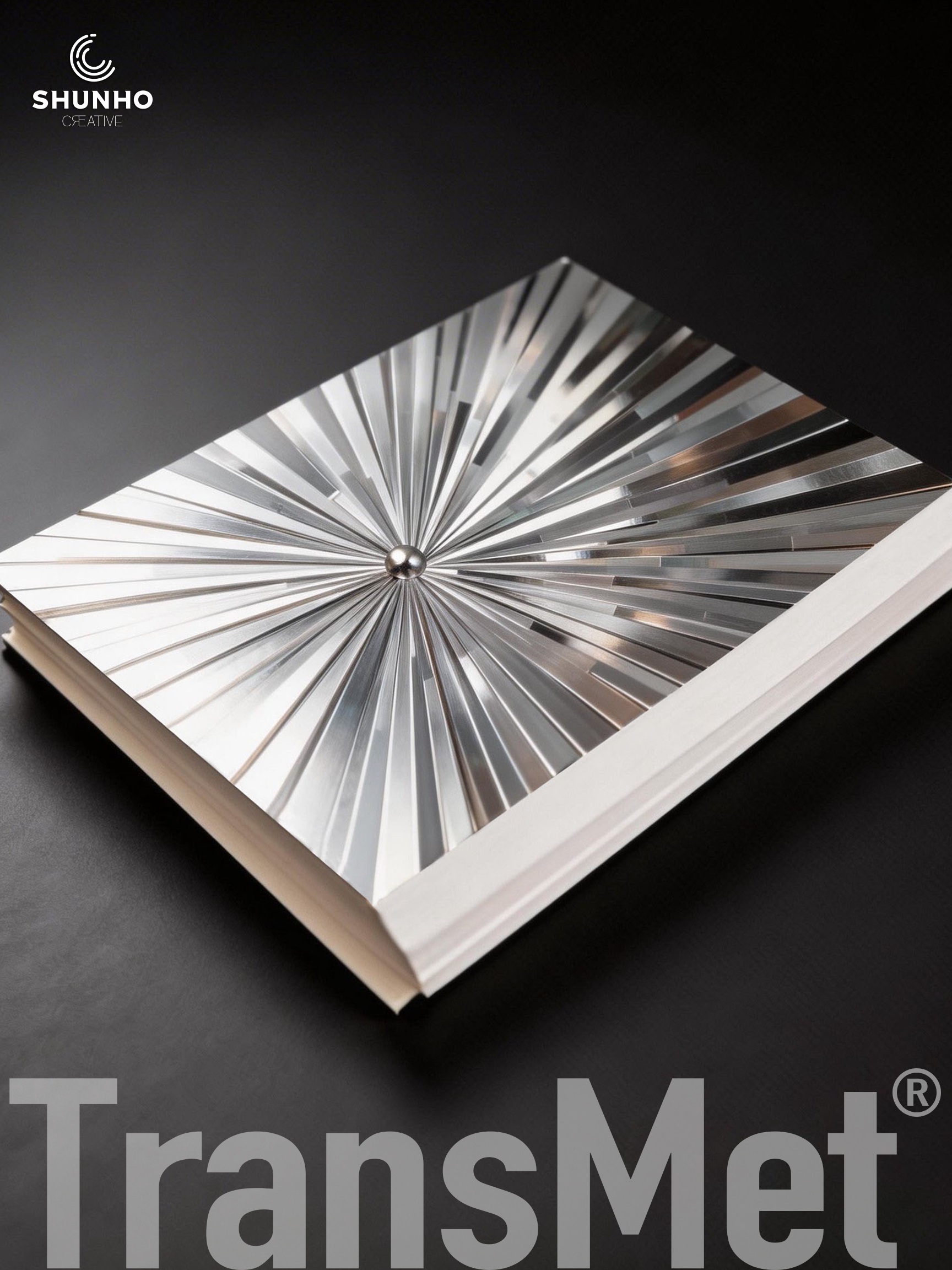
Material Composition: Research materials that are biodegradable, recyclable, or made from renewable resources. Our paper is a strong contender due to its plastic-free nature and full recyclability.
End-of-Life Solutions: Evaluate how each packaging option can be disposed of at the end of its life cycle. Can it be easily recycled or composted? This will significantly affect your overall environmental impact.
Performance vs. Sustainability: Sometimes, eco-friendly materials may not perform as well as traditional options. Assess whether the sustainable choice meets all performance requirements without compromising on quality.
Cost Implications: While eco-friendly packaging can sometimes be more expensive, consider the long-term savings associated with reduced waste and consumer demand for sustainable products that can lead to increased sales.
Consumer Perception: Understand how your target market views eco-friendly packaging. Increasingly, consumers prefer brands that take sustainability seriously, which can enhance brand loyalty.
By carefully comparing these factors, you can make informed decisions that balance performance, cost, and sustainability.
Rainbow wrapping paper majority of customers are from the world's most prestigious 500
Holographic silver paper experience in international trade for more than 20 years.Laser paper has a production capacity that can go the 200,000 ton mark each year.
With Sticker paper holographic, REACH, FDA 21 CFR 176.170, (EU) No 10/2011, TUV OK COMPOST HOME, RECYCLABLE, ISO 9001/14001/45001, CNAS, PATENTS and other environmental protection certificates
Support for English, Spanish Silver holographic paper Japanese is available.
The cost of food packaging can vary significantly based on multiple factors. Here’s what you should consider:
Material Costs: The type of material chosen will heavily influence costs. Eco-friendly materials like those produced by Shunho Creative may come at a premium but may also offer marketing advantages.
Production Volume: Larger orders often lead to reduced per-unit costs. However, be mindful of your production needs to avoid overstocking or underordering.
Customization Fees: Custom designs or sizes can increase costs. Assess whether the added expense of customization aligns with your marketing strategy and whether the benefits justify the additional investment.
Logistics and Shipping: Consider transportation costs associated with your packaging materials. Lightweight and compact packaging can reduce shipping costs, while bulky or heavy materials may increase them.
Quality Control: Investing in high-quality paper box food packaging can reduce waste and returns due to damaged products, ultimately saving costs in the long run.
By understanding these cost factors, you can better manage your budget and make informed purchasing decisions that align with your financial objectives.
 EN
 AR
 HR
 CS
 DA
 NL
 FI
 FR
 DE
 EL
 HI
 IT
 JA
 KO
 NO
 PT
 RU
 ES
 TL
 ID
 VI
 HU
 TH
 TR
 MS
 GA
 CY
 MK
 HY
 PL