Aluminium pouch packaging is an innovative and versatile solution for various industries, offering protection, shelf life extension, and aesthetic appeal for products. As businesses look to enhance their packaging strategies, understanding key factors in choosing the right aluminium pouch packaging becomes crucial. This article will address essential considerations, sourcing reliable suppliers, cost factors, applications across industries, and common challenges with aluminium pouch packaging, helping purchasing managers and product managers make informed decisions. For example, integrating options like TransLens® Paper / Paperboard can further enhance packaging appeal.
When selecting aluminium pouch packaging, several factors must be considered to ensure it meets your product's specific needs. Firstly, the material's barrier properties are critical. Aluminium provides excellent protection against moisture, light, and oxygen, which is essential for preserving the quality of sensitive products like electronics and cosmetics.
Next, consider the pouch structure. The thickness of the aluminium layer can vary, impacting both durability and flexibility. For instance, a thicker layer may enhance puncture resistance, making it suitable for high-demand applications, while a thinner layer could be more cost-effective for less fragile products. Additionally, choosing materials like TransInspire® Paper / Paperboard can offer unique properties that align with your product requirements.
Additionally, customization options play a crucial role. Brands often seek unique designs or sizes that align with their marketing strategies. Discussing your requirements upfront with suppliers can help determine the feasibility of custom solutions, from shapes to printing capabilities.
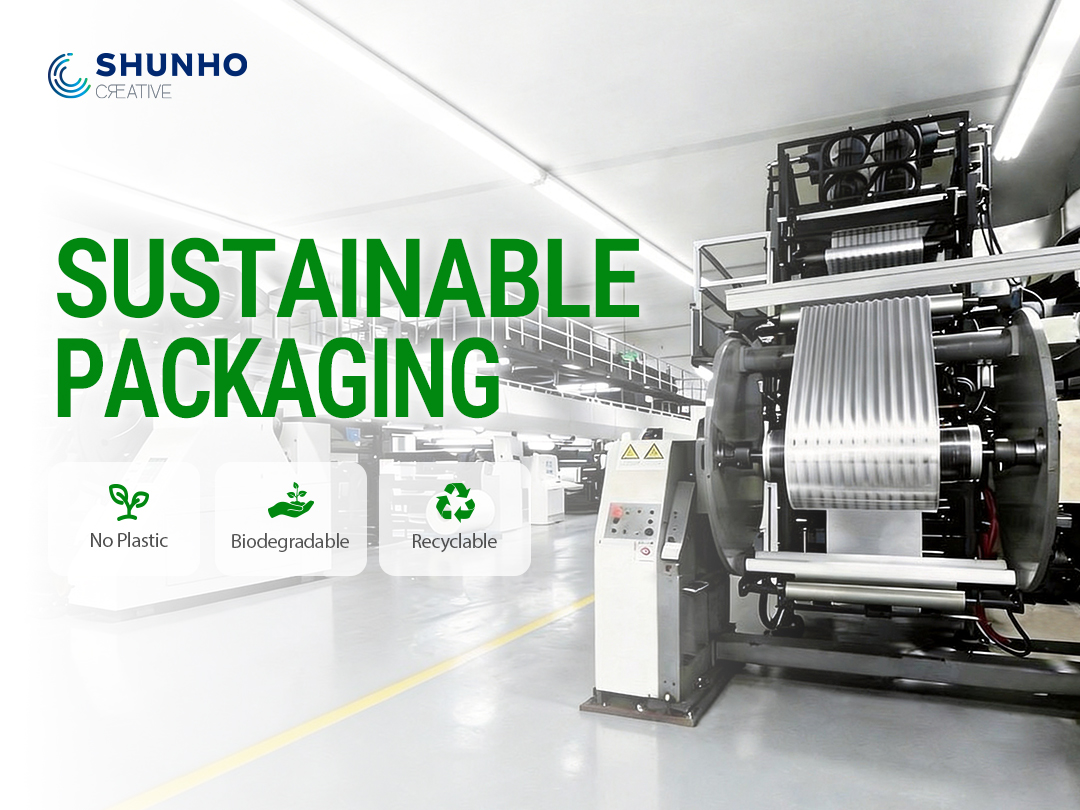
Lastly, consider the environmental impact. With increasing consumer demand for sustainable packaging, opting for recyclable or biodegradable options, like Shunho Creative's eco-friendly materials, can enhance your brand's reputation and appeal to environmentally conscious consumers.

Finding reliable suppliers of aluminium pouch packaging is vital for maintaining product quality and ensuring timely delivery. Start by evaluating suppliers with proven industry experience and a strong reputation. Look for manufacturers who specialize in eco-friendly materials, as they are more likely to align with modern sustainability practices.
Attend industry trade shows or exhibitions to meet potential suppliers in person, allowing you to gauge their capabilities and products firsthand. Online directories and industry-specific forums can also provide valuable insights and recommendations.
When assessing suppliers, inquire about their production capabilities, quality control processes, and certifications. A manufacturer that adheres to recognized industry standards demonstrates a commitment to quality, which is crucial for maintaining consistency in your packaging.
Additionally, request samples to evaluate the quality of the aluminium pouches before committing to larger orders. This step allows you to assess the material, structure, and overall suitability for your products.
When budgeting for aluminium pouch packaging, several cost factors should be taken into account. The first consideration is the material itself. The type and thickness of aluminium, along with any additional layers or coatings, can significantly influence the overall cost.
Next, the complexity of the design also affects pricing. Custom printing and unique pouch shapes often come with higher costs due to the need for specialized equipment and processes. Therefore, clearly defining your design requirements early in the process can lead to more accurate quotes.
Another factor is the order quantity. Many manufacturers have minimum order quantities (MOQs) that impact pricing. Larger orders typically result in lower per-unit costs due to economies of scale. However, balance this with your actual needs to avoid overstocking.
Finally, consider shipping costs and lead times. Depending on the supplier's location, transportation fees can vary significantly, impacting your overall budget. Additionally, understanding the lead time for production and delivery is essential to align with your product launch schedules.
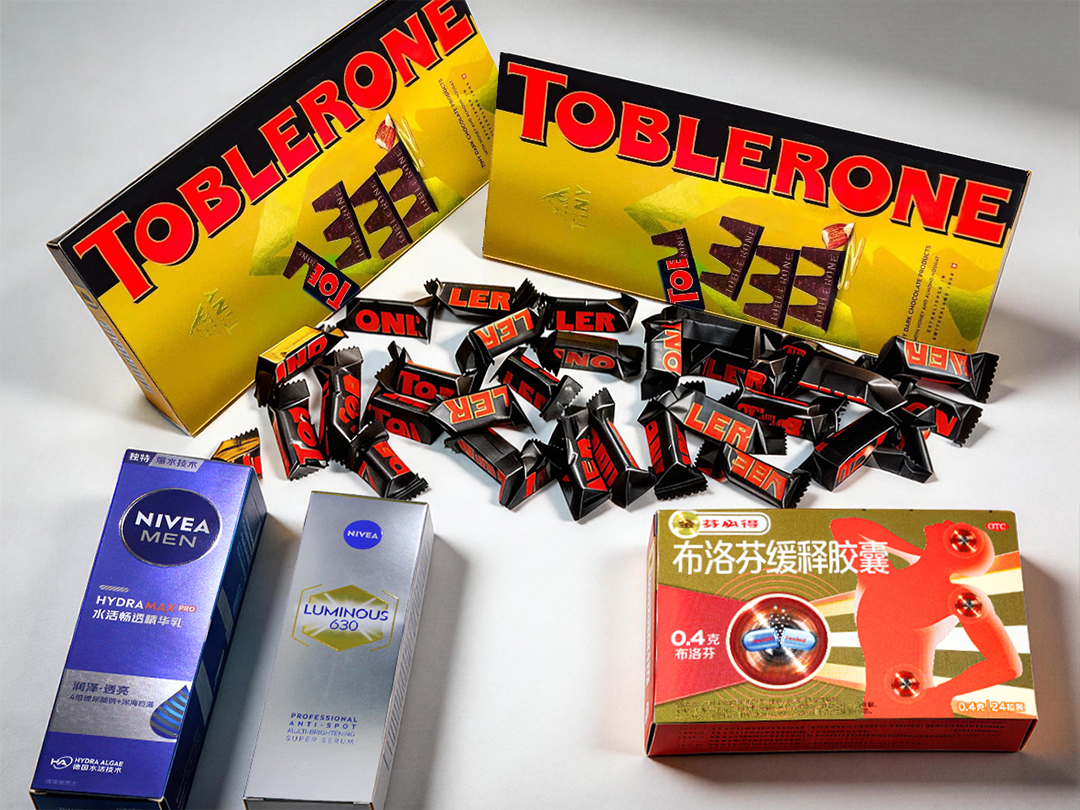
Aluminium pouch packaging serves a diverse range of applications across multiple industries. In the electronics sector, its moisture and light barrier properties make it ideal for packaging sensitive components, ensuring they remain protected during transit and storage.
In the cosmetics industry, aluminium pouches are increasingly popular for products like creams, serums, and powders. Their ability to preserve formulations while providing an attractive presentation enhances brand appeal. The lightweight nature of pouches also reduces shipping costs compared to traditional glass or plastic containers.
The fast-moving consumer goods (FMCG) industry benefits from aluminium pouches for a variety of food products. The extended shelf life offered by aluminium packaging allows manufacturers to reduce waste and improve product longevity, appealing to both retailers and consumers.
Additionally, with the shift towards sustainability, aluminium pouches made from recyclable materials are gaining traction in environmentally conscious markets. Brands can leverage this trend to enhance their market position while meeting consumer demands for eco-friendly packaging.
With FSC, REACH, Rainbow paper 21 CFR 176.170, (EU) No 10/2011, TUV OK COMPOST HOME, RECYCLABLE, ISO 9001/14001/45001, CNAS, PATENTS and other environmental protection certificates
Holographic paper for English, Spanish and Japanese is available.
Most Sticker paper holographic the customers come from the world's best 500 companies
Over 20 years of foreign trade experience.The Rainbow paper production capacity of laser paper could up to 200,000 tons.
Despite its many advantages, aluminium pouch packaging can present challenges that buyers should be aware of. One common issue is seal integrity. Poorly sealed pouches can lead to contamination and spoilage, undermining product quality. To mitigate this, ensure that suppliers conduct rigorous quality control checks during the sealing process and offer guarantees on seal performance.
Another potential problem is compatibility with filling machinery. The dimensions and features of pouches may not always align with existing equipment, leading to production inefficiencies. Before finalizing orders, test samples on your filling lines to confirm compatibility and prevent costly production delays.
Moisture absorption is another concern. While aluminium provides an excellent barrier, improper storage conditions can still affect pouch quality. To address this, implement proper storage protocols, ensuring that pouches are kept in a controlled environment until they are filled and sealed.
Lastly, buyers should be aware of the potential for damage during shipping. Choosing a reputable supplier with robust packaging and handling processes can reduce the risk of damage and ensure that your aluminium pouches arrive in pristine condition.
By considering these factors, sourcing reliable suppliers, and addressing common challenges, you can make informed decisions in selecting aluminium pouch packaging that meets your business needs.
 EN
 AR
 HR
 CS
 DA
 NL
 FI
 FR
 DE
 EL
 HI
 IT
 JA
 KO
 NO
 PT
 RU
 ES
 TL
 ID
 VI
 HU
 TH
 TR
 MS
 GA
 CY
 MK
 HY
 PL
