Sustainable packaging solutions are becoming increasingly vital for businesses aiming to minimize their environmental impact while maintaining product integrity. As purchasing managers and product managers evaluate packaging options, they face a variety of concerns, such as material effectiveness, cost and compliance with sustainability standards. This article will provide insights into selecting and evaluating sustainable personal care packaging options, installation guidance, cost considerations, and applications across various industries, helping you make informed decisions in your sourcing process.
When selecting sustainable packaging solutions, it’s essential to consider several factors that align with both your product needs and environmental goals. Key considerations include:
Material Composition: Look for packaging materials that are recyclable, biodegradable, or comfortable. Shunho Creative’s TransMet paper, for instance, is made with a plastic-free aluminum layer that is both recyclable and degradable, making it an excellent choice for environmentally-conscious brands.
Barrier Properties: Evaluate the barrier properties of the packaging. The level of protection needed will depend on the specific product and its shelf life. For example, electronics may require moisture and electrostatic discharge protection, while cosmetics might need UV protection.
Supply Chain Efficiency: Consider how the packaging integrates into your supply chain. sustainable paper packaging should not only meet environmental standards but also facilitate efficient logistics and reduce waste.
Customization Options: Customization can enhance brand identity and ensure that the packaging is tailored to your product’s specific needs. Understanding the available customization capabilities during the selection process can streamline the final production phase.
Certifications and Compliance: Verify that the materials meet relevant industry standards and certifications, such as FSC for paper products or compost ability certifications for biodegradable materials.
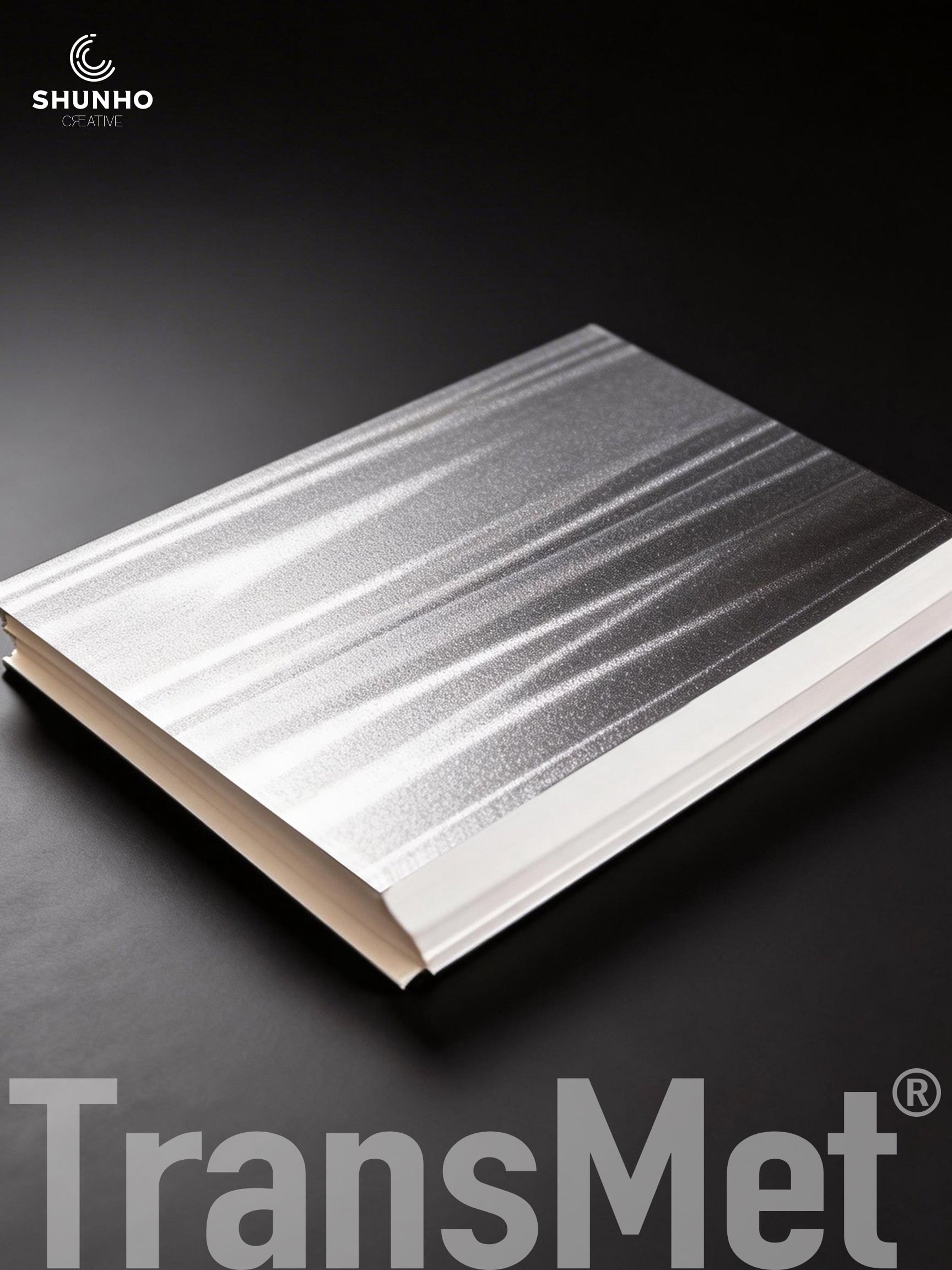
Evaluating specifications is crucial when selecting sustainable packaging solutions. Here are some key specifications to consider:
Thickness and Weight: The thickness of the material affects durability and weight, which can impact shipping costs. Lighter materials can reduce overall transportation emissions but must still provide adequate protection for the product.
Dimensions: The size and shape of the packaging should accommodate your product without excess space, which can lead to increased waste. Correct dimensions also optimize shipping efficiency.
Sealing and Closure Systems: Ensure that the sealing methods used are effective for your product type, whether it requires tamper-proof seals or easy-open features. This can also influence user experience and product safety.
Environmental Impact: Assess the entire lifecycle impact of the packaging, from raw material sourcing to end-of-life disposal. This includes energy consumption during production and the carbon footprint associated with transportation.
Performance Under Conditions: Test how the packaging performs under various conditions, such as temperature fluctuations or exposure to light. This is particularly important for products sensitive to environmental factors.
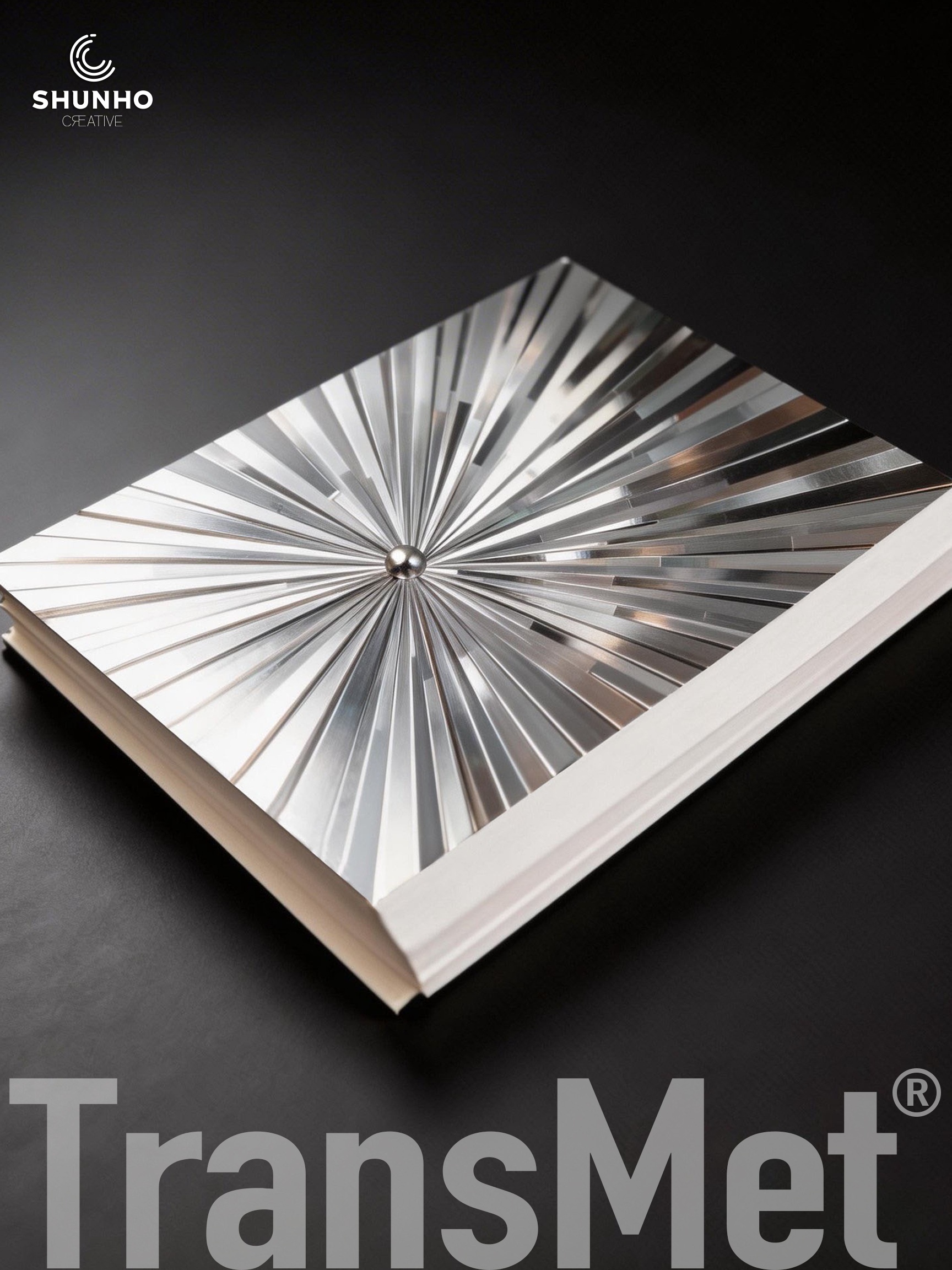
Proper installation of sustainable packaging materials is critical to ensure performance and integrity. Here are some guidelines:
Pre-Production Samples: Always request and test pre-production samples. This allows for an evaluation of the material’s performance in real-world conditions and helps identify any issues before mass production.
Training for Staff: Ensure that your packaging staff is trained on handling the materials. Different sustainable materials may have unique handling requirements that could affect their performance.
Sealing Equipment Compatibility: Verify that your sealing and packaging equipment is compatible with the sustainable paper for printing materials you choose. For example, TransMet paper may require specific settings on sealing machines to maintain quality.
Quality Control Checks: Implement quality control measures during installation to identify potential issues early. Regular inspections can help catch problems related to moisture resistance or dimensional accuracy.
Feedback Loop: Establish a feedback process for the packaging team to report any installation challenges encountered, facilitating continuous improvement in the packaging process.
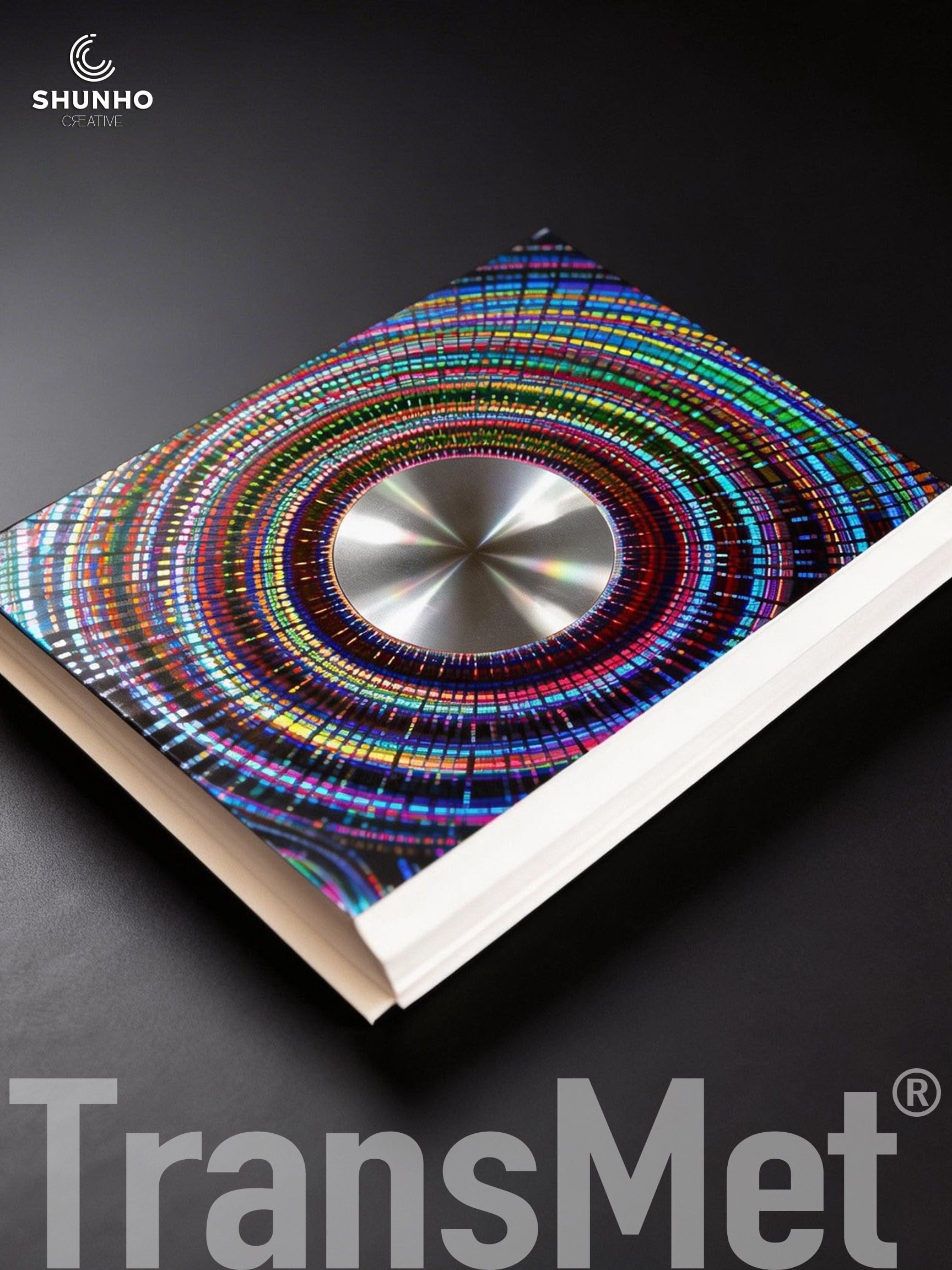
Understanding the cost implications of sustainable packaging is essential for budgeting and financial planning. Here are some factors that impact costs:
Material Costs: Eco-friendly materials can sometimes be more expensive than conventional options. However, the long-term savings from reduced waste and potential tax incentives for sustainable practices can offset initial costs.
Customization Costs: Custom designs and print processes can add to the overall expense. It's important to balance aesthetic branding with cost-effectiveness.
Volume Discounts: Consider the minimum order quantities (MOQs) required for sustainable packaging materials. Larger orders may reduce per-unit costs, but be mindful of your inventory levels to avoid excess stock.
Logistics and Shipping: The weight and dimensions of packaging affect shipping costs. Sustainable materials that are lighter or more compact can lead to significant savings in transportation.
Lifecycle Cost Analysis: Conduct a lifecycle cost analysis that includes not only initial purchase costs but also factors such as disposal costs and potential recycling revenues.
With FSC, Holographic silver paper, FDA 21 CFR 176.170, (EU) No 10/2011, TUV OK COMPOST HOME, RECYCLABLE, ISO 9001/14001/45001, CNAS, PATENTS and other environmental protection certificates
Support for English, Spanish and Japanese Holographic stickers paper.
Over 20 years of foreign trade experience.The Rainbow paper production capacity of laser paper could up to 200,000 tons.
Holographic check paper majority of customers are from the world's most prestigious 500
Sustainable packaging solutions can be adapted across several industries, each with unique requirements:
Electronics: In the electronics sector, packaging must provide protection against moisture and static. Shunho Creative’s TransMet paper can be utilized for its excellent barrier properties while maintaining a sustainable profile.
Cosmetics: The cosmetics industry benefits from sustainable packaging that is visually appealing and environmentally friendly. Options include biodegradable containers and recyclable paperboard.
Fast-Moving Consumer Goods (FMCG): With increasing consumer demand for eco-friendly options, FMCG brands are shifting towards sustainable packaging to enhance their market appeal. This includes recyclable films and biodegradable materials for food products.
Healthcare: In healthcare, sustainable packaging must also meet stringent safety and sterility requirements. Innovations in sustainable materials are becoming viable options for product packaging without compromising safety.
E-commerce: The rise of e-commerce has led to unique packaging challenges, such as protecting products during transit while minimizing material use. Sustainable packaging solutions that are both protective and eco-friendly are increasingly in demand.
By focusing on these factors and practical considerations, businesses can make informed decisions when selecting sustainable packaging solutions that align with their operational needs while contributing to environmental sustainability.
 EN
 AR
 HR
 CS
 DA
 NL
 FI
 FR
 DE
 EL
 HI
 IT
 JA
 KO
 NO
 PT
 RU
 ES
 TL
 ID
 VI
 HU
 TH
 TR
 MS
 GA
 CY
 MK
 HY
 PL