Recycled cardboard packaging is becoming an essential component for businesses aiming to enhance their sustainability efforts while maintaining product integrity. This eco-friendly option not only reduces waste but also meets the growing demand from consumers for environmentally responsible practices. B2B buyers often seek reliable suppliers, understand the cost implications, and evaluate technical specifications to ensure that recycled cardboard packaging meets their specific needs. This article will guide you through the benefits of recycled cardboard packaging, selection criteria, sourcing options, cost considerations, and effective installation guidelines.
Recycled cardboard packaging offers multiple advantages that can align with your business goals. First and foremost, it supports sustainability initiatives by reducing the demand for virgin materials and minimizing landfill waste. This can enhance your brand's reputation among environmentally-conscious consumers and help meet regulatory requirements for sustainable practices.
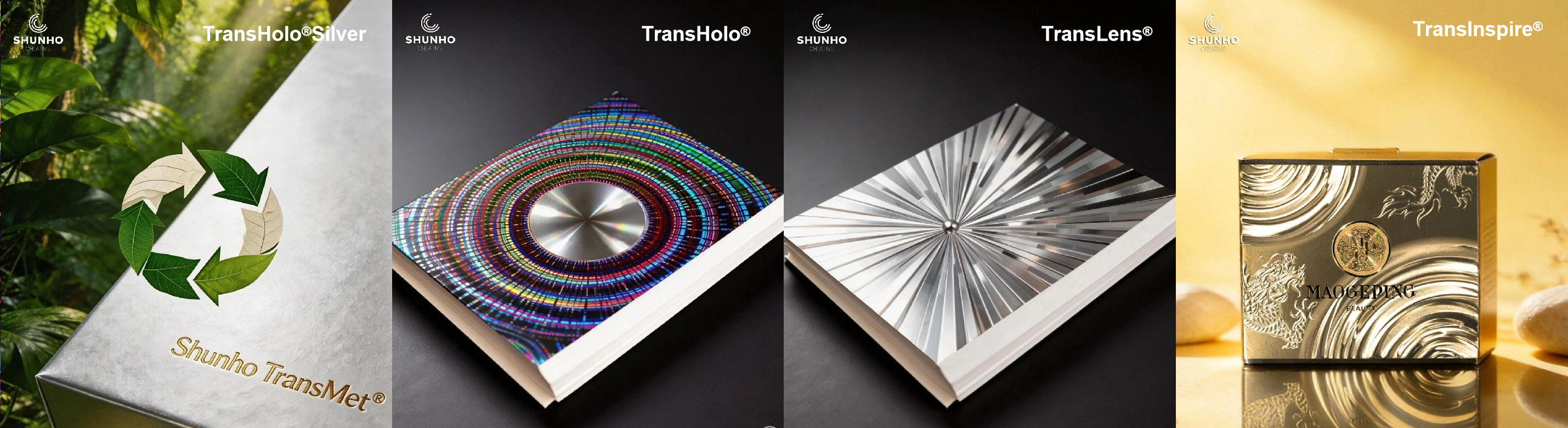
In addition, recycled cardboard packaging is known for its durability and protective qualities. It can effectively safeguard products during shipping and storage, reducing the likelihood of damage. Furthermore, with advancements in manufacturing processes, including the use of vacuum transfer metalizing technology, the performance of recycled materials has improved significantly, allowing for better moisture and barrier protection.
Cost-effectiveness is another compelling reason to consider recycled cardboard packaging. Although initial costs may vary, the potential for reduced shipping costs due to lighter weight and lower waste disposal fees can lead to significant savings over time. Ultimately, choosing recycled packing cardboard not only benefits the environment but also supports your bottom line.
Selecting the appropriate recycled cardboard packaging requires careful consideration of several factors. Start by evaluating the specific needs of your products. Consider the size, weight, and fragility of the items being packaged. Additionally, assess how the packaging will be used—whether for shipping, display, or retail purposes.
Thickness and structure are critical specifications to review. The strength of cardboard is often measured in grams per square meter (gsm) or bursting strength, which indicates how much pressure the material can withstand before it fails. For heavier or fragile items, opt for thicker cardboard or double-walled options that provide additional protection.
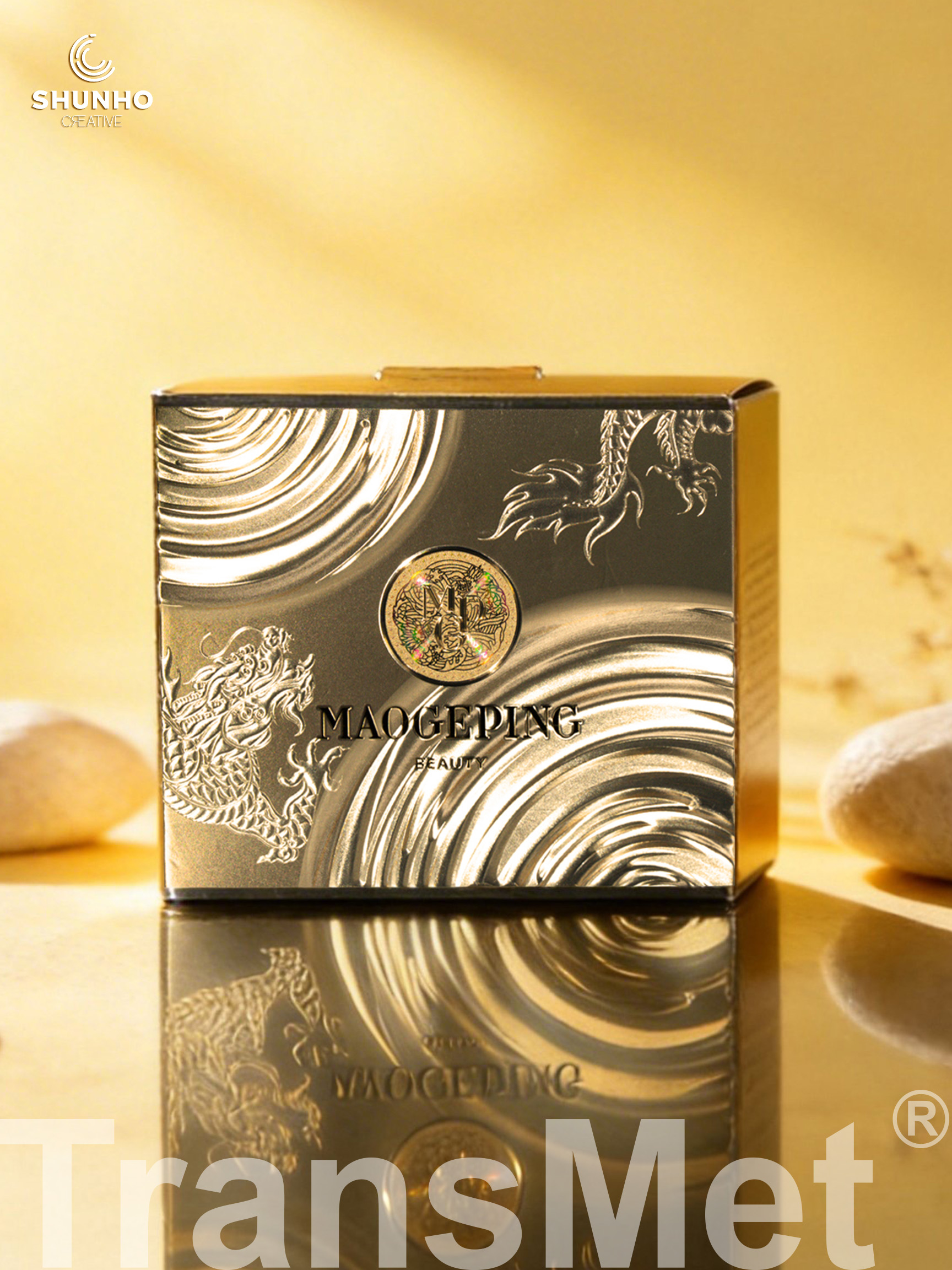
Customization capabilities should also be considered. Many suppliers, including Shunho Creative, offer options for tailored designs to meet branding needs and create a professional appearance. It’s important to confirm minimum order quantities (MOQ) and lead times as well, as these can impact your purchasing strategy and inventory management.
Finding trustworthy suppliers is vital for ensuring quality and consistency in your recycled cardboard packaging. Start by researching manufacturers with a strong reputation in the industry. Look for companies that specialize in eco-friendly materials and have proven experience in producing recycled cardboard packing boxes.
Trade shows, industry events, and online marketplaces can be excellent avenues for discovering potential suppliers. Networking within industry associations or forums can also provide valuable insights and recommendations from peers. When evaluating suppliers, consider their production capabilities, certifications, and quality control processes to ensure they meet your standards.
Request product samples to assess the quality firsthand. This can help you evaluate the material's performance under actual operating conditions, as well as its suitability for your specific application. A reliable supplier should be open to discussions about customization options and be able to provide clear documentation regarding their manufacturing processes and environmental impact.
Understanding the cost structure associated with recycled cardboard packaging is crucial for effective budgeting. Several factors can influence pricing, including raw material costs, manufacturing complexity, and order volume. Generally, lower quantities may result in higher per-unit costs, whereas bulk orders often yield discounts.
Shipping costs should also be factored into your total expenditure. Recycled cardboard is typically lighter than other materials, which can lead to savings in shipping fees. However, be mindful of the geographical location of your supplier, as this can impact transportation costs and lead times.
Another cost consideration is the potential for customization. While tailored packaging can enhance brand image and customer experience, it may incur additional costs. Always request a detailed quote that breaks down these costs to make informed purchasing decisions.
Holographic sticker paper for English, Spanish and Japanese is available.
The majority of customers are from the leading Holographic silver paper businesses in the world
Holographic silver paper experience in international trade for more than 20 years.Laser paper has a production capacity that can go the 200,000 ton mark each year.
With FSC, REACH, FDA 21 CFR 176.170, (EU) No 10/2011, TUV OK Holographic paper, RECYCLABLE, ISO 9001/14001/45001, CNAS, PATENTS and other environmental protection certificates
Proper installation and handling of recycled cardboard packaging can significantly enhance its performance and effectiveness. Begin by ensuring that the packaging is suitable for the specific product dimensions and weight. Before mass production, it’s advisable to approve a finished sample to confirm dimensions, fit, and surface appearance.
When preparing products for packaging, ensure that they are clean and dry. Moisture can weaken cardboard and compromise its protective qualities. Additionally, use appropriate sealing methods, such as tape or adhesive, to secure packages thoroughly and prevent accidental openings during transport.
For optimal storage, keep recycled cardboard packaging in a dry, climate-controlled environment. This helps maintain its structural integrity and performance, especially if you are storing it for an extended period. Be aware of stacking limits, as excessive weight can lead to deformation or breakage of the packaging.
recycled cardboard packaging is a sustainable and versatile option that can enhance your business operations and appeal to environmentally conscious consumers. By understanding its benefits, making informed selections, sourcing reliable suppliers, considering cost factors, and following proper installation guidelines, you can confidently integrate recycled cardboard packaging into your supply chain.
 EN
 AR
 HR
 CS
 DA
 NL
 FI
 FR
 DE
 EL
 HI
 IT
 JA
 KO
 NO
 PT
 RU
 ES
 TL
 ID
 VI
 HU
 TH
 TR
 MS
 GA
 CY
 MK
 HY
 PL