Recyclable packaging is becoming increasingly important for businesses striving to achieve sustainability goals while meeting consumer demand for eco-friendly products. As a B2B buyer, your main concerns may include material selection, production capabilities, quality control, and the overall cost-effectiveness of your cosmetic packaging solutions. This article will provide insights into essential factors to consider when selecting recyclable packaging, ensuring quality, exploring bulk order options, comparing specifications, and addressing common challenges in the industry.
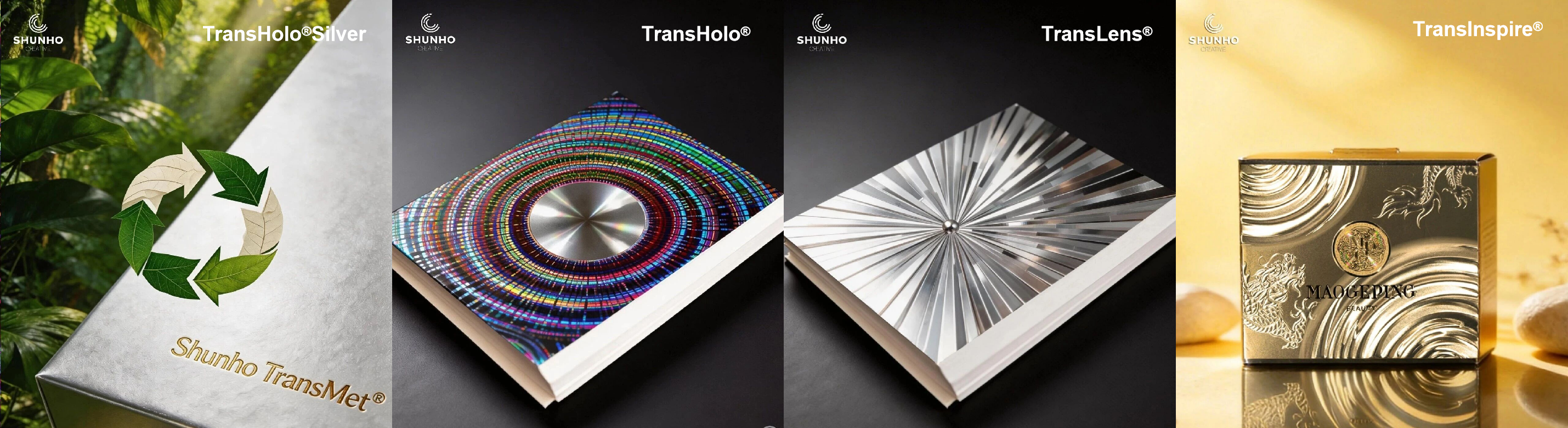
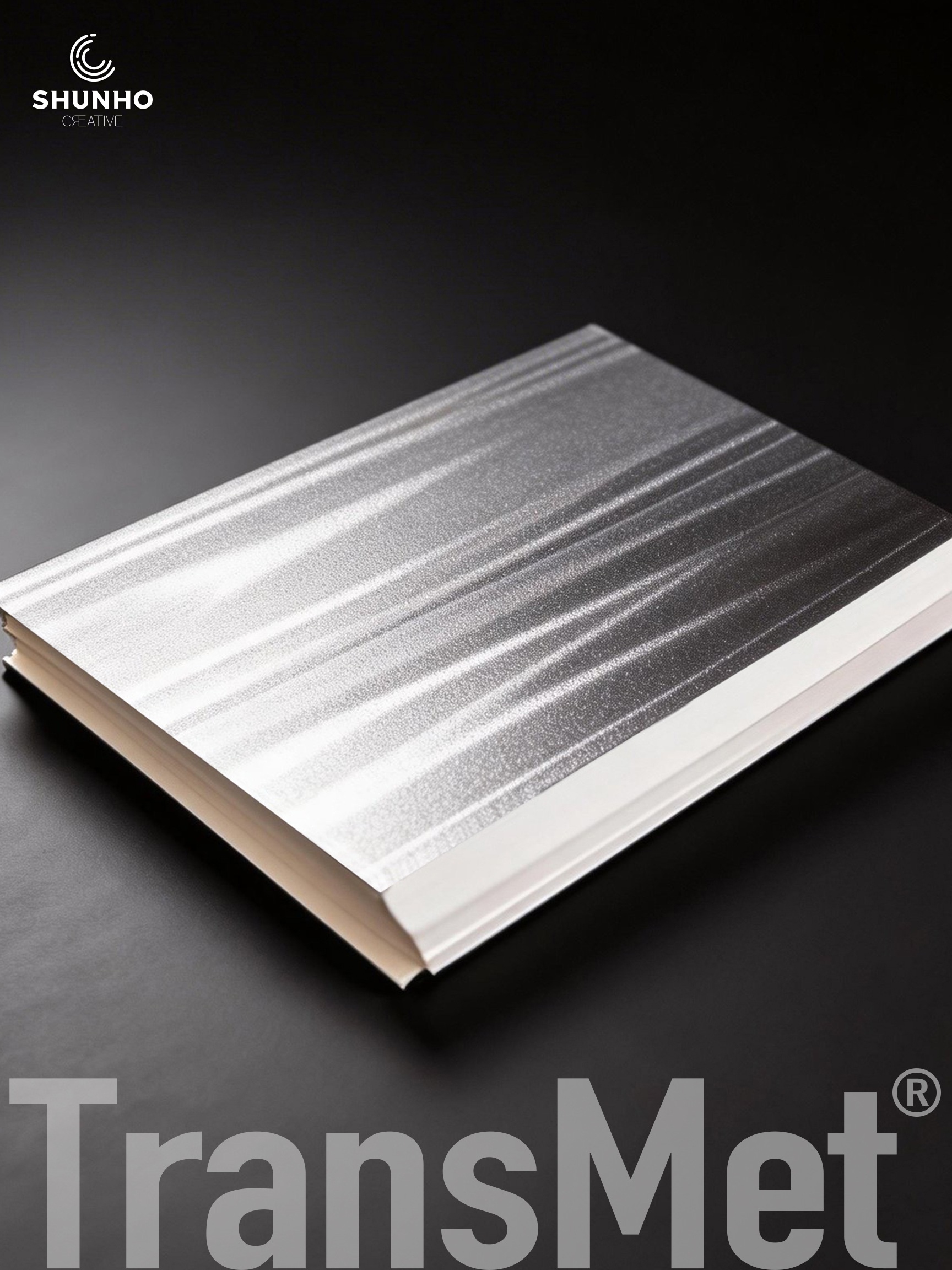
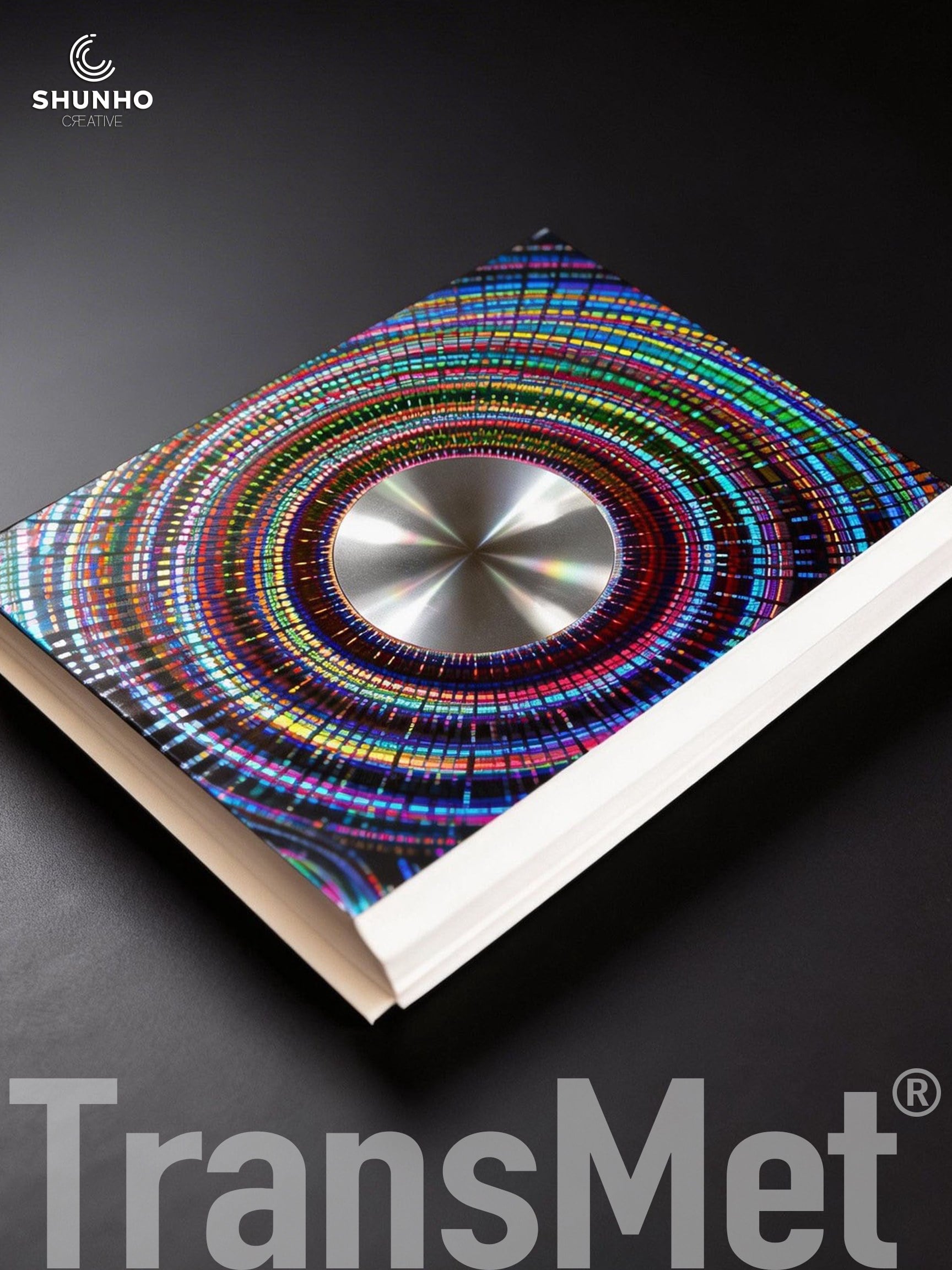
When selecting recyclable packaging, it’s crucial to assess several factors that align with your business needs. First, identify the material type that best suits your product. Common options include laminated paper, whiteboard, and innovative solutions like Shunho Creative’s TransMet paper, which features a plastic-free aluminum barrier for enhanced performance while being fully recyclable and degradable.
Next, consider the intended application of your custom paper packaging box. Different industries, such as electronics, cosmetics, and FMCG, may require specific properties such as moisture resistance, durability, or aesthetic appeal. Understanding the environmental conditions during storage and transport is also vital, as these factors can impact the performance of your packaging.
Additionally, evaluate your production and supply chain capabilities. Ensure that the chosen packaging can be produced at scale, meeting your volume requirements without compromising quality. Collaborating with a manufacturer that has proven experience and advanced technology can help ensure a consistent supply of high-quality recyclable packaging.
Quality control is paramount in the manufacturing of recyclable packaging materials. Start by establishing clear specifications based on your product requirements, including dimensions, barrier properties, and overall appearance. A thorough quality assurance process should include material testing, such as verifying the performance of barrier properties and ensuring compliance with industry regulations.
One effective way to maintain quality is to request pre-production samples before committing to large orders. This allows you to assess the packaging in real-world conditions, ensuring it meets your expectations in terms of functionality and aesthetics. Additionally, regular audits of the supplier’s production processes can help confirm adherence to quality standards throughout the production run.
Engaging with a manufacturer like Shunho that utilizes advanced technologies, such as vacuum metallization, can further enhance the quality of your recyclable packaging. This innovative approach not only improves performance but also ensures that the art paper box packaging remains environmentally friendly.
When planning for bulk orders of recyclable packaging, consider the implications for pricing and lead times. Ordering in larger quantities often leads to cost savings due to reduce per-unit prices. However, it's essential to balance this with your inventory management strategies to avoid overstocking.
Requesting a price quote from your supplier should include details such as the type of packaging, dimensions, required performance specifications, and any customization needs. This information allows the manufacturer to provide an accurate and competitive quote.
Additionally, inquire about bulk order discounts and payment terms that may be available for larger purchases. Understanding the lead time for production is also critical, as it can affect your overall supply chain efficiency. Communicate your timelines clearly to ensure that your supplier like Shunho can meet your delivery expectations.
When evaluating different types of recyclable packaging, focus on comparing specific technical specifications that impact the performance and suitability for your application. Key specifications to compare include:
Material Composition: Understand the properties of various materials like laminated paper versus TransMet paper. Each material offers unique benefits, such as moisture barriers or aesthetic qualities.
Thickness and Weight: Assess how thickness affects durability and shipping costs. Thicker materials may offer better protection but could also increase weight and transportation expenses.
Barrier Properties: Evaluate how well the packaging protects against moisture, oxygen, and light. This is especially important for products sensitive to environmental factors.
Customization Options: Consider the flexibility of the manufacturer like Shunho to create custom packaging solutions that align with your brand identity.
Having a clear understanding of these specifications will help you make informed decisions and choose the most suitable recyclable packaging for your products.
Holographic paper experience in international trade for more than 20 years.Laser paper has a production capacity that can go the 200,000 ton mark each year.
With FSC, REACH, FDA 21 CFR 176.170, (EU) No 10/2011, TUV OK COMPOST HOME, Holographic stickers paper, ISO 9001/14001/45001, CNAS, PATENTS and other environmental protection certificates
The Holographic sticker paper of customers come from the top 500 companies in world.
Holographic paper for English, Spanish and Japanese is available.
While recyclable packaging offers numerous benefits, it is not without its challenges. Common issues include inadequate barrier protection, problems with material compatibility, and difficulties in recycling processes. Here are some potential solutions:
Inadequate Barrier Protection: If your recyclable packaging fails to provide sufficient protection, consider using multilayer materials or specialized coatings. For example, TransMet paper’s aluminum layer enhances barrier properties while maintaining recycling capability.
Material Compatibility Issues: Ensure that the chosen packaging material is compatible with your filling processes and product contents. Conduct tests to confirm that there is no chemical interaction that could compromise product integrity.
Recycling Challenges: Educate your customers about proper recycling practices to ensure that your packaging is disposed of correctly. Collaborating with recycling facilities can also help streamline the recycling process for your packaging.
By proactively addressing these common problems, you can enhance the effectiveness of your recyclable packaging solutions and contribute to a more sustainable future.
By understanding the essential aspects of recyclable packaging, you can make informed decisions that align with your business needs while contributing to environmental sustainability.
 EN
 AR
 HR
 CS
 DA
 NL
 FI
 FR
 DE
 EL
 HI
 IT
 JA
 KO
 NO
 PT
 RU
 ES
 TL
 ID
 VI
 HU
 TH
 TR
 MS
 GA
 CY
 MK
 HY
 PL