Rainbow holographic paper is a striking and versatile material that finds extensive use in packaging and branding across various industries, including electronics, cosmetics, and fast-moving consumer goods (FMCG). As a B2B buyer, your main concerns likely revolve around the specifications, quality, and application suitability of this product. This article aims to provide you with essential insights into evaluating and selecting rainbow holographic paper, ensuring you make informed purchasing decisions that align with your business needs.
When assessing rainbow holographic paper, there are several key specifications to consider:
Material Composition: High-quality holographic paper printing typically includes a base layer of paper or plastic that acts as a substrate. Understanding the material is crucial as it affects durability, printability, and recyclability.
Thickness: The thickness of the paper can impact its handling and performance. Common thicknesses range from 80 to 300 microns, with thicker papers generally offering better durability but potentially limiting flexibility.
Holographic Pattern and Finish: The design and finish of the holographic pattern can vary widely. Choices may include prism, kaleidoscope, or custom designs. The pattern's sharpness and clarity influence the visual appeal and branding effectiveness.
Adhesive Compatibility: If the holographic paper is to be used in labels or packaging, ensure compatibility with adhesives to prevent issues during application.
Environmental Considerations: As sustainability becomes increasingly important, look for eco-friendly options, such as those using water-based inks or recyclable materials, like Shunho Creative’s TransMet paper.
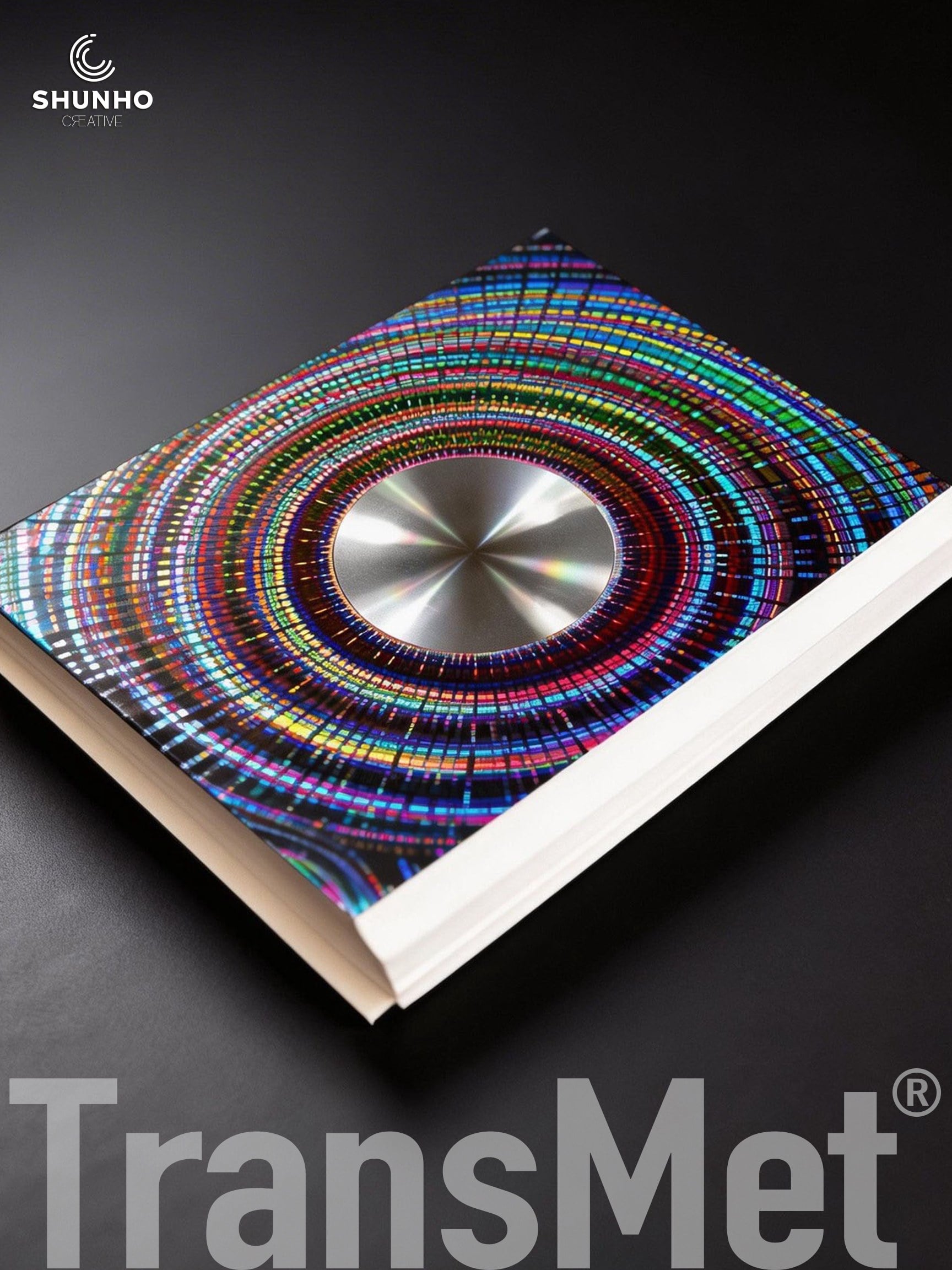
Selecting the right rainbow holographic paper involves understanding your specific application and requirements:
Application Type: Determine where and how the paper will be used. For instance, if it's for cosmetic packaging, consider how well the paper will maintain its appearance after exposure to moisture.
Print Requirements: If printing is involved, ensure the paper is compatible with your printing method—whether digital, flexographic, or offset. Some papers may require specific inks for optimal results.
Performance Attributes: Consider factors like tear resistance, moisture barrier properties, and temperature tolerance. These aspects will vary based on the intended use, such as product packaging that might encounter varying environmental conditions.
Customization Needs: If your project requires custom sizes or finishes, verify that your supplier can accommodate these requests. Many manufacturers, including Shunho Creative, offer customization services to meet unique specifications.
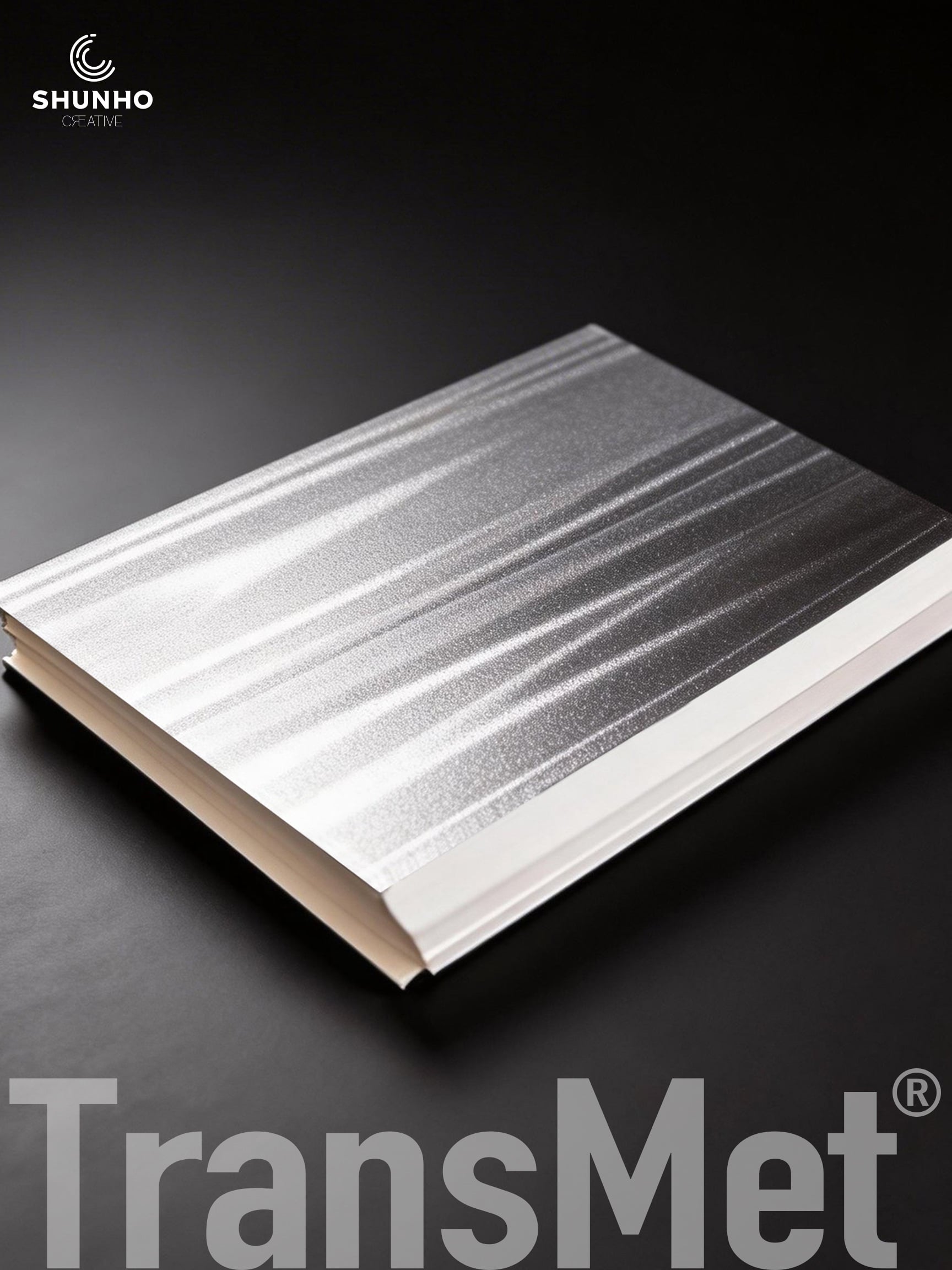
Rainbow holographic paper is utilized in numerous applications across different sectors:
Electronics Packaging: Often used for product packaging in the electronics industry, it enhances visual appeal and can help differentiate products on crowded shelves.
Cosmetics and Personal Care: The eye-catching nature of metallic holographic paper makes it a popular choice for cosmetic packaging, where brand visibility is paramount.
FMCG Labels: Holographic paper is commonly used for labels on fast-moving consumer goods, providing an attractive finish that can draw consumer attention.
Gift Wrapping and Stationery: The decorative aspects of holographic paper make it ideal for gift wrapping and stationery products, adding a touch of elegance.
Event Marketing Materials: Businesses often utilize holographic paper for promotional materials, such as brochures and flyers, to create striking and memorable visuals.
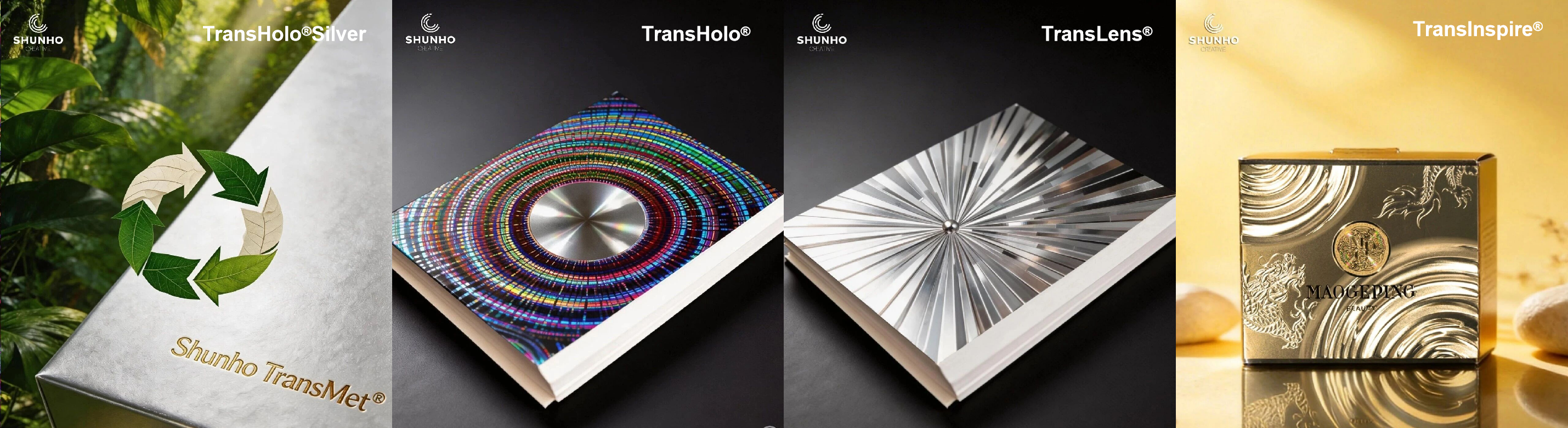
When working with rainbow holographic paper, several installation challenges may arise:
Adhesion Issues: If the paper doesn't adhere well to surfaces, it may result from incorrect adhesive selection. Always test the adhesive on a small sample to ensure compatibility.
Wrinkling or Bubbles: Improper application techniques can lead to wrinkles or air bubbles. To avoid this, ensure a clean and smooth surface, and use tools like rollers to apply even pressure.
Cutting Problems: Using dull blades or inappropriate cutting techniques can result in frayed edges. Always use sharp blades and appropriate cutting equipment for precise edges.
To mitigate these issues, consider conducting a trial run with samples before full-scale application, ensuring that all methods and materials align with your expectations.
Holographic sticker paper for English, Spanish and Japanese is available.
Holographic paper sticker majority of customers are from the world's most prestigious 500
Holographic paper experience in international trade for more than 20 years.Laser paper has a production capacity that can go the 200,000 ton mark each year.
With Holographic paper sticker, REACH, FDA 21 CFR 176.170, (EU) No 10/2011, TUV OK COMPOST HOME, RECYCLABLE, ISO 9001/14001/45001, CNAS, PATENTS and other environmental protection certificates
When examining the quality of Shunho rainbow holographic paper, keep the following tips in mind:
Sample Assessment: Always request samples before placing an order. Evaluate the color vibrancy, pattern clarity, and overall feel of the paper to ensure it meets your standards.
Testing for Compatibility: If the paper will be printed on, conduct test prints to check for ink adherence and color accuracy. Some papers may react differently to various inks.
Quality Certifications: Inquire about any certifications or quality assurance processes the supplier employs. This information can provide peace of mind regarding the product’s reliability.
Production Consistency: For larger orders, confirm the supplier's ability to maintain quality across batches. Production consistency can significantly impact your brand's reputation if the product is not uniform.
By focusing on these evaluation methods, you can ensure that the printable holographic paper you choose not only meets your aesthetic needs but also performs well in its intended application.
 EN
 AR
 HR
 CS
 DA
 NL
 FI
 FR
 DE
 EL
 HI
 IT
 JA
 KO
 NO
 PT
 RU
 ES
 TL
 ID
 VI
 HU
 TH
 TR
 MS
 GA
 CY
 MK
 HY
 PL



