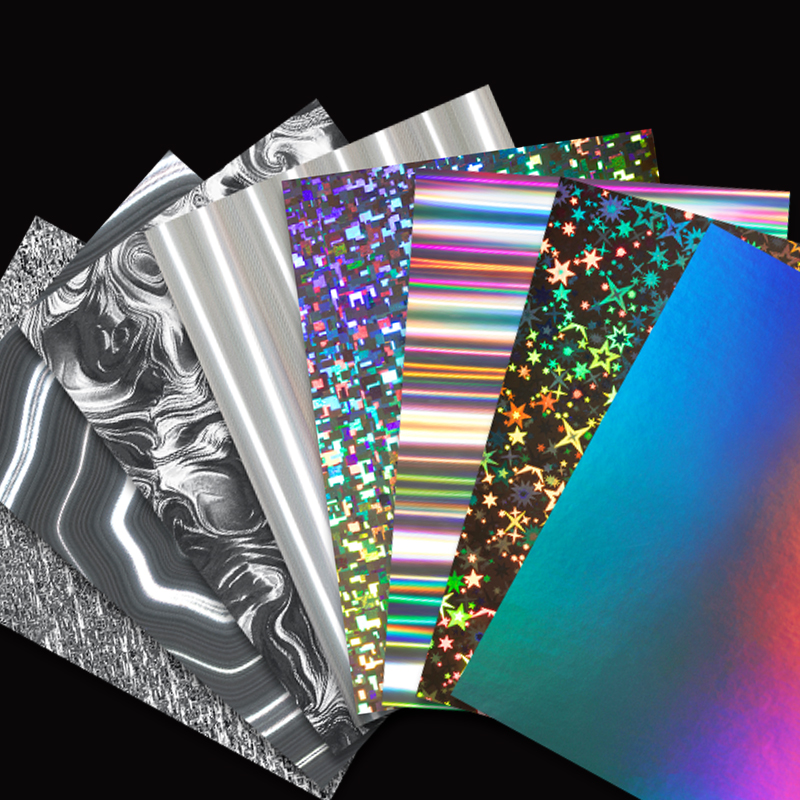
Paperboard boxes are essential packaging solutions widely utilized in various industries, including electronics, cosmetics, and FMCG. As businesses increasingly seek sustainable options, eco-friendly paperboard boxes have gained attention for their versatility and environmental benefits. This article addresses key buyer concerns such as quality, sourcing, applications, and the advantages of using paperboard boxes. By understanding these aspects, purchasing managers and decision-makers can make informed choices that align with their operational needs and sustainability goals. Shunho Creative, a brand of Shanghai Shunho International, specializes in paper and packaging-related products, including whiteboard, laminated paper, and its plastic-free TransMet paper. The brand focuses on sustainable packaging solutions and follows its “4R1D” principle of Reduce, Reuse, Recycle, Recovery, and Degradable. Its paper products are used across industries such as electronics, cosmetics, FMCG, pharmaceuticals, toys, and cultural and creative products. Shunho Creative also has dedicated research and testing capabilities, supporting the development of packaging products and customized designs for different customer requirements.
When assessing paperboard boxes, several key specifications should be evaluated to ensure quality and suitability for your application
Material Composition: Different grades of paperboard can affect durability and performance. For example, Shunho Creative’s TransMet paper features an innovative aluminum layer that enhances barrier properties while remaining fully recyclable and degradable. Buyers should consider the environmental impact and the specific material properties that meet their needs
Thickness and Weight: The thickness of the paperboard box packaging significantly influences the box's strength and load-bearing capacity. A thicker paperboard may provide better protection but could also increase shipping costs due to weight. Understanding the balance between thickness and weight is crucial for optimizing logistics and product safety
Dimensions and Customization: Standard sizes are available, but custom dimensions may be necessary to fit specific products. Ensure that the supplier can accommodate custom sizes without compromising quality. It's advisable to provide detailed specifications and, if possible, prototypes to verify fit during the approval process
Sealing and Closure Options: Depending on the intended use, sealing methods (such as adhesive, tape, or locking mechanisms) should be evaluated for effectiveness and ease of use. A well-sealed box protects contents during transport and storage, reducing the risk of damage
Finish and Surface Treatment: The surface treatment can affect both aesthetics and functionality. Buyers should assess whether a glossy or matte finish aligns with branding needs while considering the material's interaction with inks and adhesives during printing and labeling processes.

Successful usage of paperboard boxes across different applications requires understanding installation and handling best practices:
Preparation: Before using paperboard boxes, ensure they are clean and free of moisture, as this can weaken the structural integrity
Correct Assembly: Follow the manufacturer's assembly instructions closely to avoid improper sealing or structural failure. For boxes with specific folding requirements, ensure that all creases are properly formed for maximum strength
Weight Distribution: When packing products into paperboard box packaging, distribute weight evenly to prevent boxes from collapsing. For heavier items, consider using additional internal supports or reinforcements
Labeling and Marking: Clearly label boxes with handling instructions, especially if they contain fragile items. Proper labeling ensures that all personnel are aware of the contents and how to handle them safely
Testing Under Real Conditions: Before mass production, conduct tests under actual shipping and storage conditions to identify potential weaknesses. This step can save time and money by preventing issues during actual use.

Finding reliable suppliers for paperboard boxes involves careful evaluation and research:
Industry Directories and Trade Shows: Utilize industry directories to identify potential suppliers. Attending trade shows can also provide opportunities to meet manufacturers like Shunho Creative, allowing you to assess product quality firsthand
Supplier Ratings and Reviews: Check online reviews and ratings from other B2B companies. Feedback on a supplier’s reliability, product quality, and customer service can be invaluable in decision-making
Request Samples: Before committing to a supplier, request samples to evaluate the quality of their paperboard boxes and confirm that they meet your specifications. This step is essential for ensuring that the material, strength, and finish align with your expectations
Certifications and Compliance: Ensure that potential suppliers hold relevant certifications that demonstrate their commitment to quality and environmental standards. Certifications can provide reassurance about the supplier's manufacturing processes and product quality
Long-Term Partnerships: Consider suppliers that offer flexibility in terms of order size and customization, which can be beneficial as your business scales. Establishing a long-term relationship can also lead to better pricing and improved service.

Choosing eco-friendly paperboard boxes brings several advantages to businesses:
Sustainability: Eco-friendly paperboard options, such as Shunho Creative's TransMet paper, are designed to minimize environmental impact. As businesses face increasing pressure to adopt sustainable practices, utilizing recyclable and degradable materials can enhance your brand's reputation
Consumer Demand: Many consumers prefer eco-friendly packaging, making it a compelling selling point. By using sustainable packaging solutions, businesses can attract environmentally conscious customers and differentiate their products in the marketplace
Cost-Effectiveness: While some eco-friendly materials may have a higher upfront cost, they can lead to savings in waste disposal and recycling. Additionally, many eco-friendly options are lightweight, which can reduce shipping costs
Regulatory Compliance: As regulations around packaging materials tighten, using eco-friendly paperboard boxes can ensure compliance with environmental standards and avoid potential fines or penalties
Versatility: Eco-friendly paperboard boxes can be tailored for various applications, from retail to e-commerce, allowing businesses to meet diverse packaging needs without compromising on sustainability.
The Holographic sticker paper of customers come from the top 500 companies in world.
With FSC, Holographic silver paper, FDA 21 CFR 176.170, (EU) No 10/2011, TUV OK COMPOST HOME, RECYCLABLE, ISO 9001/14001/45001, CNAS, PATENTS and other environmental protection certificates
Holographic silver paper, Spanish, Japanese, Korean and other languages are supported. Support the complete solution from the raw materials to the final product.
Experiential experience in international trade for over 20 years.The annual production capacity of laser paper could up to 200 tons.
Paperboard is a versatile material that offers several benefits for packaging solutions:
Barrier Properties: The barrier properties of paperboard can be enhanced through coatings or laminations. For instance, Shunho Creative’s TransMet paper utilizes advanced metallizing technology to provide a high level of protection against moisture and oxygen, which is crucial for preserving product integrity
Lightweight Yet Strong: Paperboard is inherently lightweight, which can lead to lower shipping costs compared to heavier materials like plastic or glass. Despite its light weight, high-quality paperboard can withstand significant pressure and protect contents effectively
Customizability: Paperboard can be easily customized with prints, colors, and finishes, allowing for branding opportunities that enhance product visibility. This flexibility makes it suitable for a wide range of industries and applications
Cost Efficiency: The production of paperboard boxes is often more cost-effective than alternatives, especially when considering the total lifecycle costs, including disposal and recycling
Ease of Handling and Storage: Paperboard boxes are generally easier to handle and stack than heavier materials, leading to more efficient storage and transportation solutions. This can be particularly advantageous for businesses looking to optimize warehouse space
By understanding the specifications, installation, sourcing, advantages, and material benefits of paperboard boxes, B2B buyers can make informed decisions that align with their operational needs and sustainability goals.
 EN
 AR
 HR
 CS
 DA
 NL
 FI
 FR
 DE
 EL
 HI
 IT
 JA
 KO
 NO
 PT
 RU
 ES
 TL
 ID
 VI
 HU
 TH
 TR
 MS
 GA
 CY
 MK
 HY
 PL