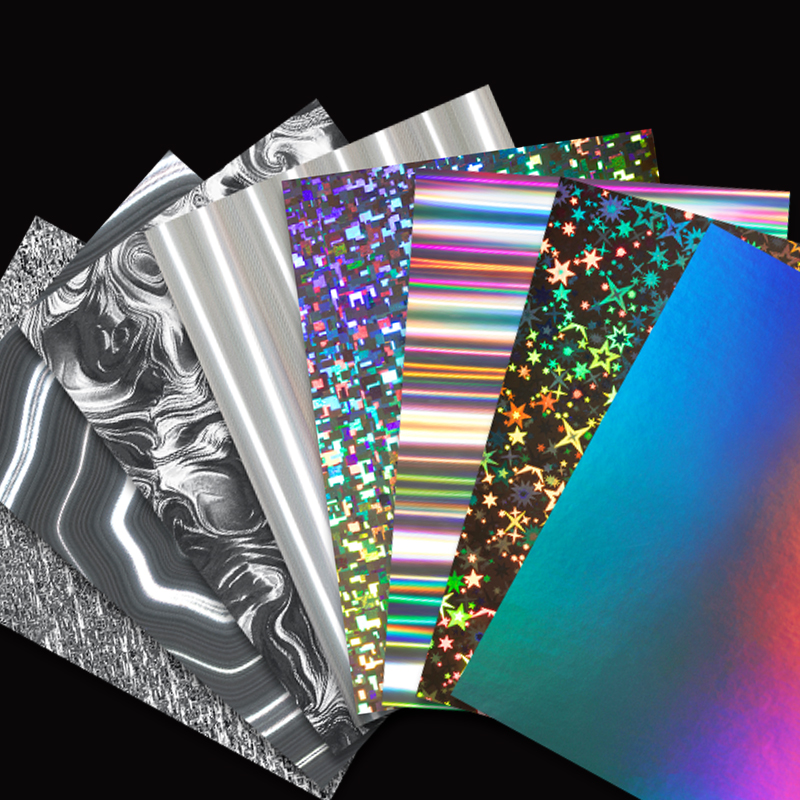
In the world of packaging, paper packaging box stands out as a sustainable choice for businesses looking to reduce their environmental footprint. Eco-friendly paper boxes are essential for various industries, including electronics, cosmetics, and fast-moving consumer goods (FMCG). However, B2B buyers often face challenges when selecting the right packaging solutions, including material quality, cost considerations, and application suitability. This article aims to address these concerns and provide practical guidance for purchasing managers, distributors, and product managers seeking effective and environmentally responsible paper packaging options.
Selecting the appropriate paper box for your wholesale needs involves understanding various factors, including the intended use, the type of products being packaged, and the environmental impact of the materials. First, consider the product's dimensions and weight, as these will dictate the box's size and strength requirements. For instance, lighter, less fragile items may not need the same structural integrity as heavier electronics. Next, evaluate the materials used in the paper box. Eco-friendly options, such as Shunho Creative's TransMet paper with its aluminum layer, offer durability while being fully recyclable and degradable. This aligns with many companies' sustainability goals. It’s also essential to consider customization options that can enhance your brand's visibility, such as printing logos or specific designs on the packaging. Finally, don't forget to assess the minimum order quantity (MOQ) and lead time for delivery. These aspects can significantly impact your supply chain and should align with your inventory management strategies.

Quality evaluation begins with understanding the specifications of the materials used in paper box for packaging. Key factors to consider include thickness, weight, and barrier properties. Thicker materials often provide better protection against moisture and physical damage, making them suitable for high-value electronics or delicate cosmetics. Eco-friendly materials, such as laminated paper and Shunho Creative's TransMet paper, offer not only environmental benefits but also exceptional performance characteristics. The use of advanced vacuum transfer metallizing technology enhances the barrier properties, making these boxes ideal for products requiring protection from light, moisture, and oxygen. When assessing material quality, it’s advisable to request samples for testing under real-world conditions. This allows you to evaluate the box's performance in terms of durability, appearance, and functionality before committing to a larger order.

When ordering paper boxes in bulk, various cost factors come into play. The price per unit often decreases with larger orders, but other variables can affect the overall cost. First, consider the material choices—eco-friendly options may have a higher upfront cost compared to conventional materials, but they can lead to long-term savings by reducing waste and enhancing brand reputation. Additionally, evaluate the complexity of the box design. Custom shapes or printing can increase production costs. It’s essential to balance these costs against the perceived value that custom packaging can bring to your brand. Shipping costs should also be factored into your total expenditure. These can vary significantly based on the box's weight, size, and destination. Working with a manufacturer that offers efficient logistics solutions can help mitigate these costs.

In the electronics sector, paper boxes are commonly used for packaging items like smartphones, tablets, and accessories. The need for high protection against static and physical damage makes the choice of materials critical. Boxes designed with TransMet paper can provide the necessary protection while also being environmentally friendly. In the FMCG industry, paper boxes serve a variety of purposes, from packaging food products to cosmetics. The demand for aesthetically pleasing and functional packaging is high, as these boxes often play a crucial role in attracting consumers. Features like easy-open designs and resealable closures enhance usability while maintaining environmental standards. Understanding the specific requirements of each application is vital for selecting the right paper box. Collaborating with a knowledgeable supplier can also provide insights into best practices for packaging specific products.
With FSC, REACH, Rainbow paper 21 CFR 176.170, (EU) No 10/2011, TUV OK COMPOST HOME, RECYCLABLE, ISO 9001/14001/45001, CNAS, PATENTS and other environmental protection certificates
Holographic sticker paper for English, Spanish and Japanese is available.
Most Sticker paper holographic the customers come from the world's best 500 companies
Holographic silver paper experience in international trade for more than 20 years.Laser paper has a production capacity that can go the 200,000 ton mark each year.
Proper installation and handling of paper boxes are important for ensuring they function effectively in their intended applications. For best results, follow these guidelines: Storage: Keep paper boxes in a dry, cool environment to prevent moisture absorption, which can weaken the material and affect structural integrity. Handling: Use appropriate lifting techniques to avoid damaging the boxes. Ensure that any machinery used for packing does not crush or deform the boxes. Sealing: If using adhesive or sealing tape, select products that are compatible with eco-friendly materials to maintain the sustainability of the packaging. Testing: Always conduct a test run with your packaging process to identify any potential issues before full-scale production. This helps ensure that the boxes perform as expected and meet your quality standards. Understanding the nuances of packaging paper box can significantly enhance your packaging strategy. By focusing on material quality, cost factors, and application suitability, you can make informed decisions that align with your business goals and sustainability commitments.
 EN
 AR
 HR
 CS
 DA
 NL
 FI
 FR
 DE
 EL
 HI
 IT
 JA
 KO
 NO
 PT
 RU
 ES
 TL
 ID
 VI
 HU
 TH
 TR
 MS
 GA
 CY
 MK
 HY
 PL