Eco-friendly packaging has become a focal point for businesses looking to reduce their environmental impact while maintaining product integrity. As B2B buyers increasingly prioritize sustainability, understanding the nuances of paperboard box packaging considerations is crucial. This article will help purchasing managers, distributors, and product managers navigate the complexities of selecting the right eco-friendly packaging materials, from evaluating options and materials to identifying reliable suppliers and understanding industry applications.
Selecting the appropriate packaging is essential for protecting your products, enhancing brand image, and meeting sustainability goals. Key considerations include:
Product Characteristics: Assess the nature of your product. Fragile items require more robust packaging, while cosmetics might benefit from visually appealing materials that also provide a barrier against contaminants.
Material Properties: Evaluate the material's barrier properties—such as moisture, oxygen, and light resistance—especially for products with specific shelf-life requirements. For instance, our paper offers a 30nm aluminum layer that provides excellent barrier properties while remaining fully recyclable and degradable.
Regulatory Compliance: Ensure that the packaging meets industry-specific regulations, especially in sectors like cosmetics and food. Understanding these requirements will prevent costly compliance issues.
Customization Options: Consider whether your packaging needs custom sizing or designs. Customization can enhance brand recognition but may also impact cost and lead time.
Sustainability Goals: Align your packaging choices with your company's sustainability objectives. Opt for materials that are recyclable, biodegradable, or made from recycled content to minimize environmental impact.
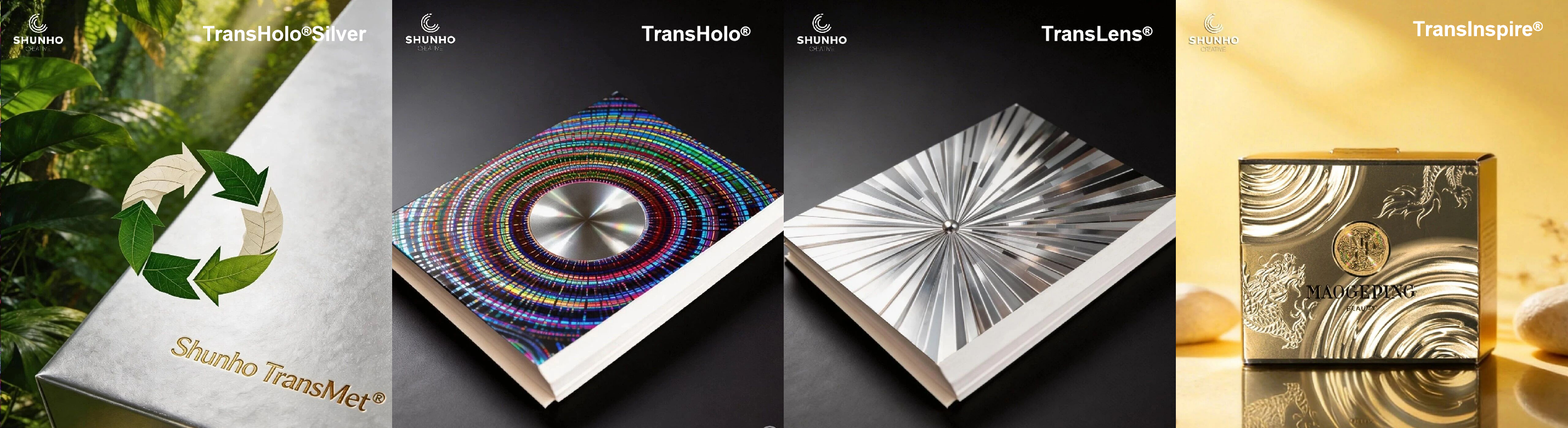
Eco-friendly packaging alternatives, such as our laminated paper and TransMet paper, offer distinct advantages over traditional materials like plastic and conventional paper.
Environmental Impact: Eco-friendly materials reduce reliance on fossil fuels and decrease landfill waste. For example, traditional plastic packaging contributes significantly to environmental pollution, while plastic-free options like TransMet paper provide a sustainable alternative without compromising on performance.
Performance and Quality: While traditional materials might be perceived as more durable, advancements in eco-friendly options have significantly improved their performance. Shunho Creative's packaging materials utilize advanced vacuum transfer metalizing technology, which not only enhances aesthetics but also protects products effectively.
Cost Considerations: Although eco-friendly options can sometimes have a higher upfront cost, they can lead to long-term savings by reducing disposal costs and satisfying consumer demand for sustainable practices. Additionally, many consumers are willing to pay a premium for products with kraft paper box packaging.
Market Trends: As sustainability becomes a key purchasing factor, businesses that adopt eco-friendly packaging can strengthen their market position and appeal to environmentally conscious consumers.
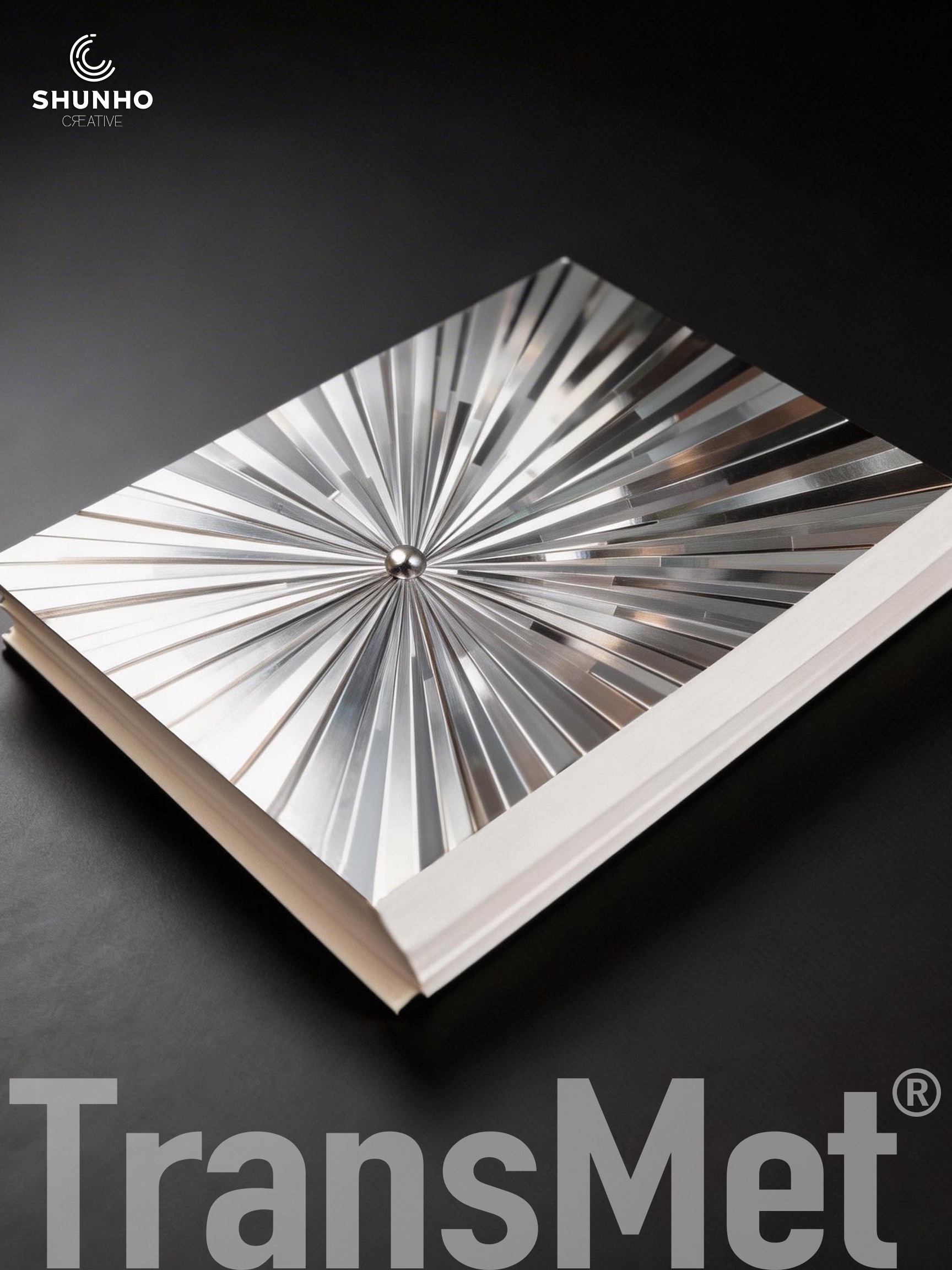
Locating trustworthy suppliers of eco-friendly packaging is crucial for ensuring product quality and reliability. Consider the following approaches:
Industry Associations: Join relevant trade organizations or associations focused on sustainable packaging. These groups often provide resources to connect with reputable suppliers and manufacturers.
Online Marketplaces: Explore B2B platforms dedicated to sustainable products. Websites that specialize in green packaging can offer a variety of options and detailed supplier information.
Supplier Evaluations: When assessing potential suppliers, evaluate their manufacturing capabilities, certifications, and customer feedback. Look for companies with a track record in eco-friendly practices and those that can provide transparency about their products' lifecycle.
Samples and Trials: Request samples of packaging materials before committing to a supplier. This allows you to assess quality, performance, and suitability for your products.
Customization Capabilities: Ensure that the supplier can meet your specific packaging needs, including dimensions, designs, and material properties. This flexibility is vital for achieving the best fit for your products.
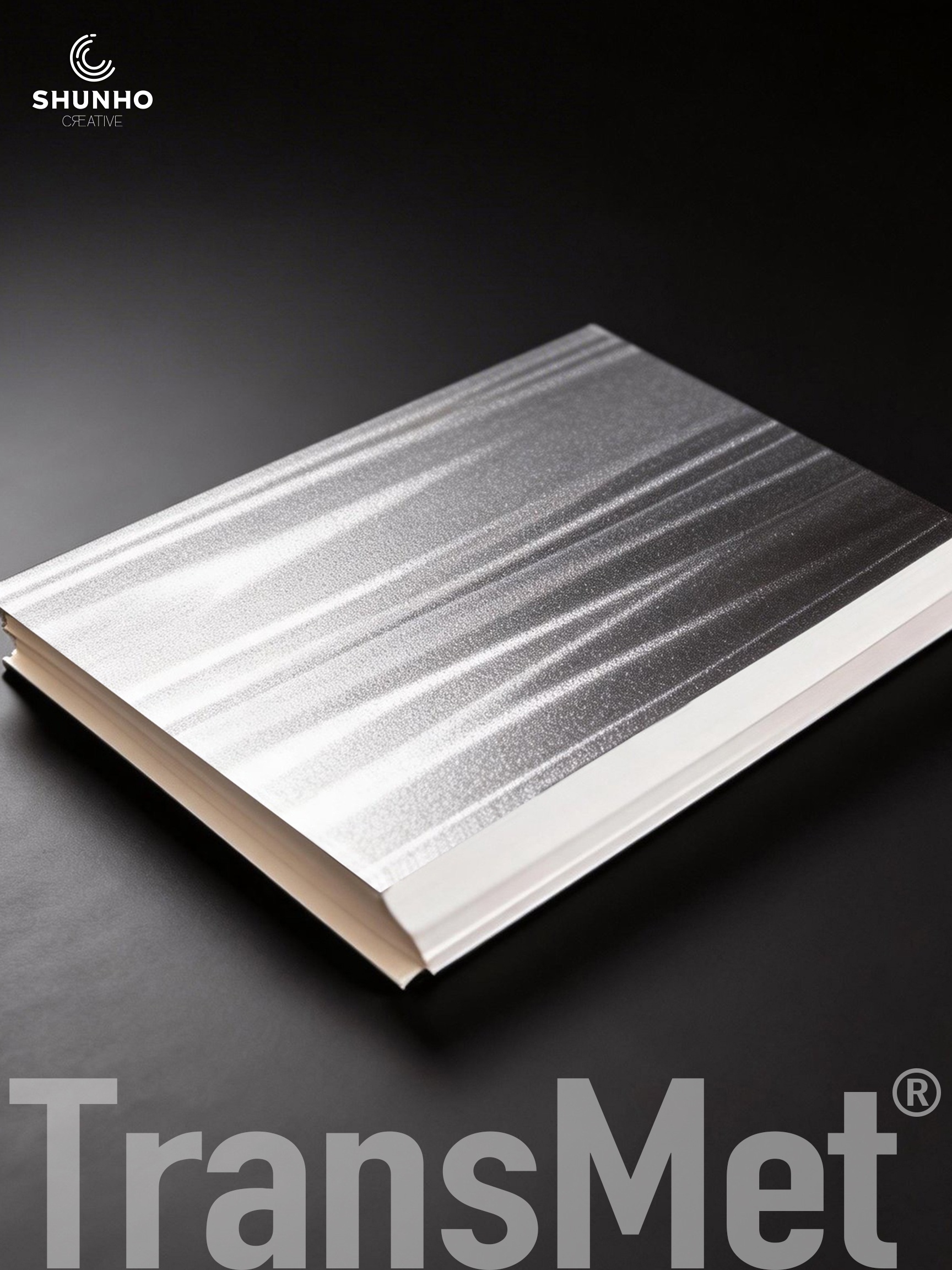
Packaging can present various challenges, especially when aiming for sustainability. Some common issues and their solutions include:
Inadequate Protection: Many eco-friendly materials may initially seem inadequate for protecting sensitive products. However, leveraging advanced manufacturing techniques, like those employed by Shunho Creative, can enhance barrier properties without sacrificing sustainability.
Higher Costs: While eco-friendly options can be more expensive, consider the total cost of ownership, including disposal costs and potential brand loyalty from environmentally conscious consumers.
Limited Options: Buyers often perceive a shortage of sustainable materials. Partnering with innovative suppliers who specialize in eco-friendly packaging can provide access to a broader range of solutions.
Consumer Perception: Some consumers may be skeptical about the efficacy of eco-friendly packaging. Providing transparency about the benefits and performance of your chosen materials can help alleviate concerns and build trust.
Compliance and Standards: Navigating regulatory requirements can be complicated. Work with suppliers who understand the compliance landscape and can guide you through the necessary certifications and standards.
Holographic check paper majority of customers are from the world's most prestigious 500
Over Holographic stickers paper years of foreign trade experience.The annual production capacity of laser paper could reach 200,000 tons.
With FSC, Holographic silver paper, FDA 21 CFR 176.170, (EU) No 10/2011, TUV OK COMPOST HOME, RECYCLABLE, ISO 9001/14001/45001, CNAS, PATENTS and other environmental protection certificates
Holographic silver paper, Spanish, Japanese, Korean and other languages are supported. Support the complete solution from the raw materials to the final product.
Eco-friendly packaging is versatile and can be applied across a multitude of industries. Here are some notable applications:
Electronics: In the electronics sector, packaging must protect products from static and physical damage. Eco-friendly options like laminated paper can provide the necessary protection while also being recyclable.
Cosmetics: The cosmetics industry increasingly demands visually appealing and sustainable custom paper box packaging. Materials like Shunho Creative's TransMet paper not only enhance product presentation but also align with consumer preferences for eco-conscious brands.
Fast-Moving Consumer Goods (FMCG): FMCG companies face pressure to reduce waste. Sustainable packaging solutions can help these businesses meet consumer demands while maintaining product quality.
Food and Beverage: Packaging must meet strict safety and hygiene standards. Eco-friendly materials that offer appropriate barrier properties are essential for preserving food quality while minimizing environmental impact.
Industrial Products: Eco-friendly packaging can also be adapted for bulk industrial products, providing durability and sustainability in transport and storage.
By understanding the unique challenges and opportunities presented by eco-friendly packaging, businesses can make informed decisions that align with their sustainability goals while ensuring product protection and customer satisfaction.
 EN
 AR
 HR
 CS
 DA
 NL
 FI
 FR
 DE
 EL
 HI
 IT
 JA
 KO
 NO
 PT
 RU
 ES
 TL
 ID
 VI
 HU
 TH
 TR
 MS
 GA
 CY
 MK
 HY
 PL



