Holographic paper sheets are a versatile and eye-catching material that can elevate your packaging solutions in various industries, including cosmetics, electronics, and fast-moving consumer goods (FMCG). As a B2B buyer, you may have specific concerns about the quality, specifications, and sourcing of these sheets for your wholesale orders. This article will guide you through the essential aspects of choosing, evaluating, and sourcing holographic paper sheets to help you make informed purchasing decisions.
When selecting holographic paper sheets for wholesale orders, consider several key factors. First, assess the intended application of the 3d holographic paper. Different industries may have varying requirements regarding durability, printability, and finish. For instance, cosmetic packaging may prioritize aesthetic appeal, while electronics packaging might require a more robust structure to protect the contents.
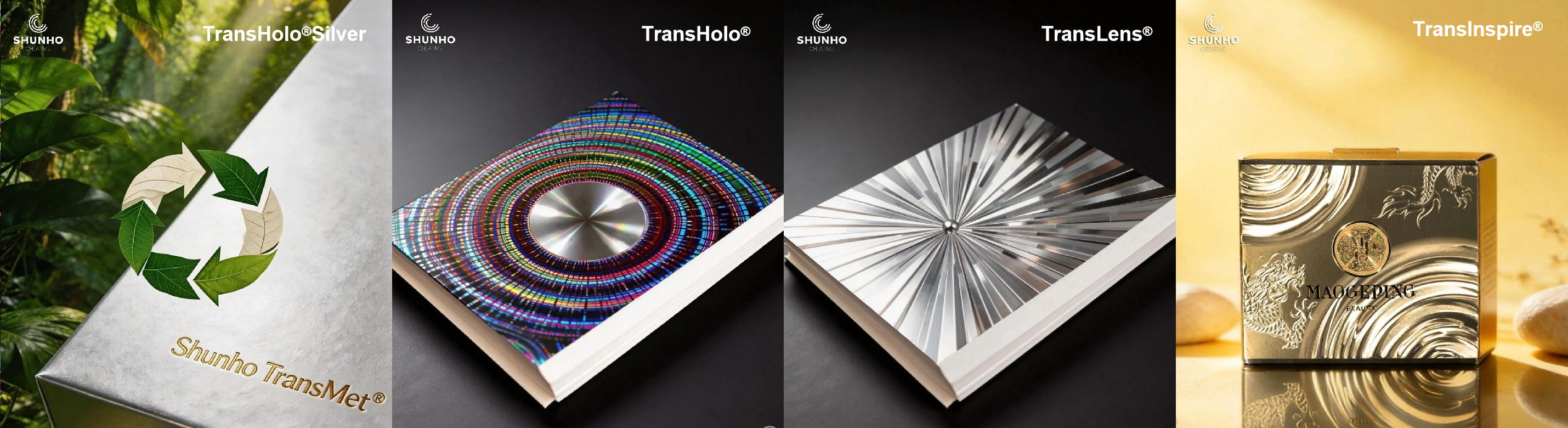
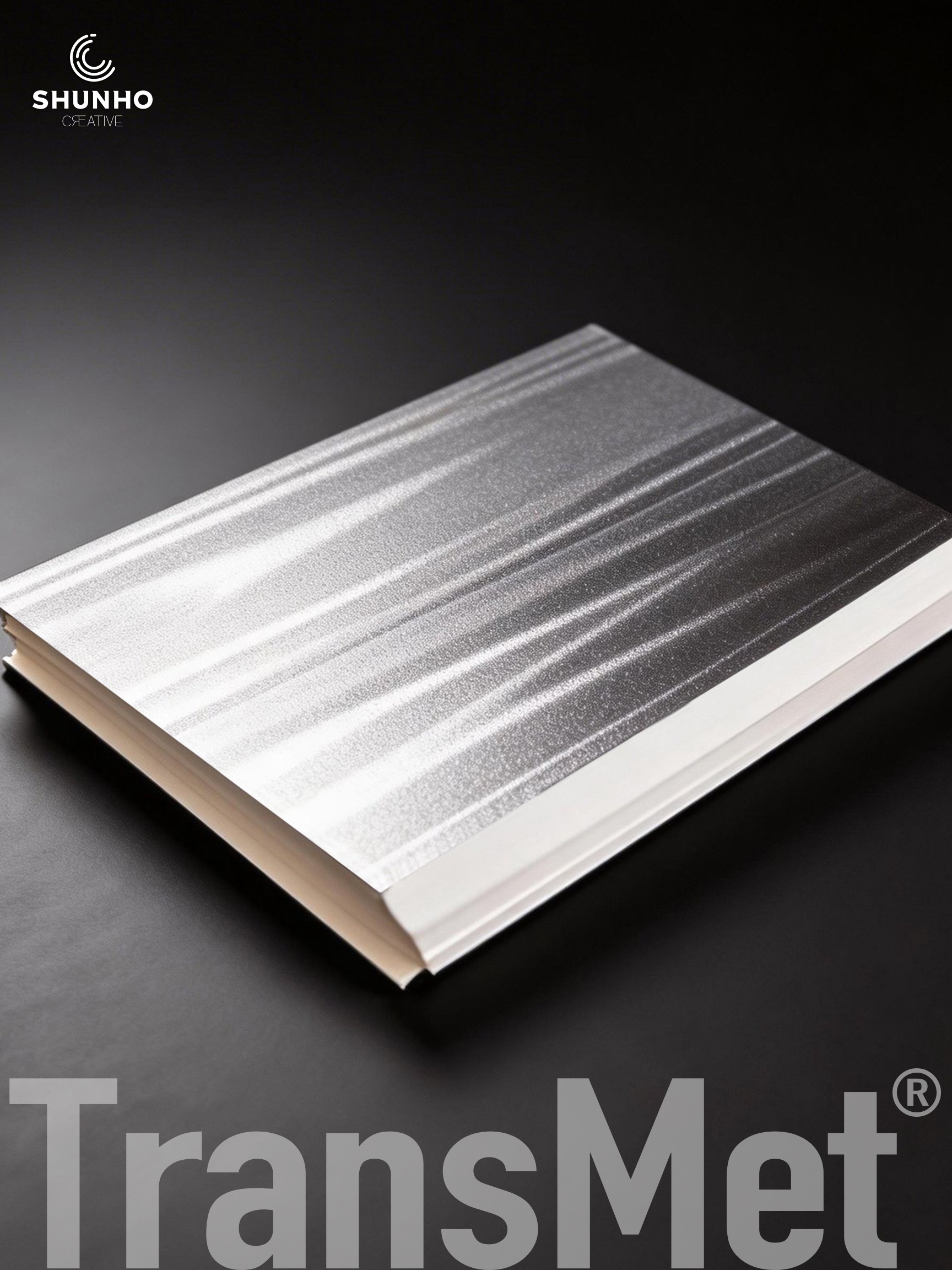
Next, evaluate the material composition. Holographic paper sheets can come in various grades, affecting their visual impact and performance. Look for options that align with your sustainability goals, such as recyclable or biodegradable materials. Shunho Creative's TransMet paper, for example, features a plastic-free construction and is fully recyclable, making it an eco-friendly choice.
Additionally, consider the size and thickness of the sheets. Standard sizes may suit many applications, but custom dimensions might be necessary for specific projects. Always confirm the minimum order quantity (MOQ) and lead times with your supplier to ensure they can meet your production schedule.
Understanding the critical specifications of holographic paper sheets is essential for making informed purchasing decisions. The following parameters should be considered:
Thickness: The thickness of the paper affects its durability and handling during production. A thicker sheet may withstand more wear during processing and transportation, while a lighter sheet may be more cost-effective for larger volumes.
Surface Finish: The type of surface finish whether glossy, matte, or textured can significantly impact the final appearance of the printed product. This choice should align with your branding and product positioning.
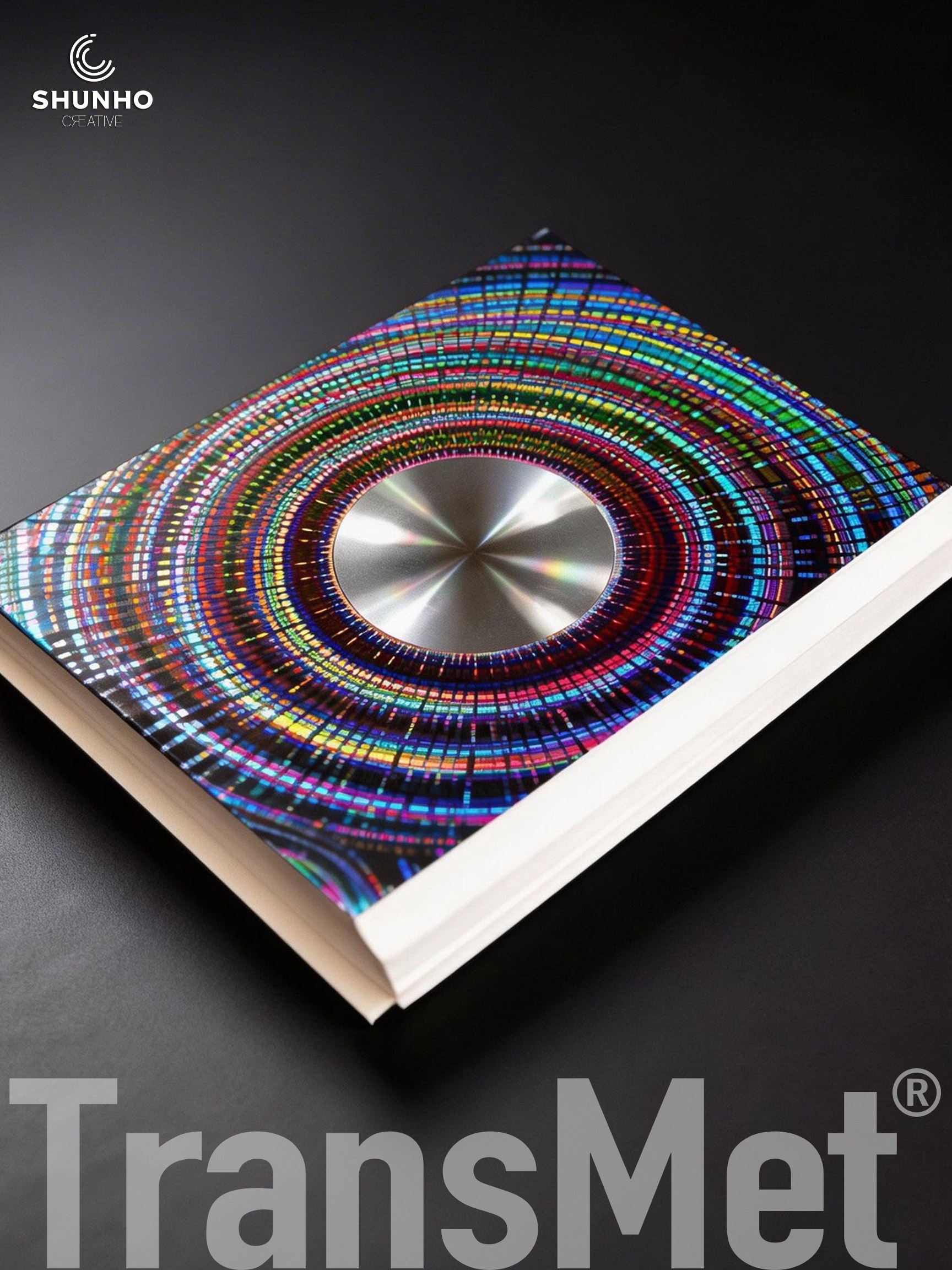
Metalization Layer: The quality and thickness of the holographic effect, often achieved through vacuum transfer metalizing, play a crucial role in the visual appeal. A higher-quality layer may yield more vibrant colors and a stronger holographic effect.
Compatibility: Ensure the holographic paper is compatible with your printing processes, whether digital, offset, or flexographic. This consideration will help avoid issues during production and ensure consistent results.
Recyclability: As environmental concerns grow, opt for holographic paper sheets that meet recyclability standards. This not only aligns with sustainability goals but also appeals to eco-conscious consumers.
Quality evaluation is vital when sourcing holographic paper sheets. Here are some practical steps to ensure you receive products that meet your standards:
Request Samples: Before placing a bulk order, always request samples. This allows you to assess the material's appearance, durability, and print quality firsthand. Testing samples under actual operating conditions can reveal potential issues with handling or performance.
Inspect for Defects: Check samples for any visual defects, such as scratches, bubbles, or inconsistencies in the holographic effect. These imperfections can impact the overall appearance of your final product.
Conduct Print Tests: If you plan to print on the holographic paper, conduct print tests to evaluate adhesion and color reproduction. This step helps ensure that your branding and designs translate effectively onto the material.
Review Manufacturing Standards: Verify that your supplier adheres to quality control processes, such as ISO certifications or other industry standards. This information can provide assurance regarding the quality and consistency of the products.
Finding reliable suppliers for holographic paper sheets requires careful consideration and research. Start by seeking recommendations from industry contacts and trade associations. Online directories and marketplaces can also be valuable resources for identifying suppliers.
Once you have a list of potential suppliers, evaluate them based on the following criteria:
Experience and Reputation: Look for suppliers with a proven track record in the industry. Established manufacturers often have the expertise to understand your needs better and provide tailored solutions.
Product Range: A supplier offering a diverse range of holographic sticker paper sheets can provide options that meet your specific requirements. This variety may include different finishes, thicknesses, and custom specifications.
Sustainability Practices: As eco-friendliness becomes increasingly important, assess each supplier's commitment to sustainability. They should be able to provide documentation on material sourcing and recycling practices.
Customer Support: Reliable customer service is crucial for addressing inquiries and resolving issues promptly. Evaluate their responsiveness during initial communications to gauge their support capabilities.
Holographic silver paper experience in international trade for more than 20 years.Laser paper has a production capacity that can go the 200,000 ton mark each year.
The majority of customers come Holographic stickers paper the leading 500 businesses in the world.
Support for English, Spanish and Japanese is Rainbow wrapping paper.
With FSC, REACH, FDA 21 CFR 176.170, (EU) No 10/2011, TUV OK Holographic paper, RECYCLABLE, ISO 9001/14001/45001, CNAS, PATENTS and other environmental protection certificates
Proper installation of holographic paper sheets in your packaging can enhance the final product's visual appeal and functionality. Here are some best practices to ensure successful integration:
Pre-Production Setup: Before production begins, ensure that all equipment is calibrated to handle holographic paper. This includes adjusting settings for cutting, printing, and sealing to account for the material's unique properties.
Handling Precautions: Holographic paper can be more prone to scratches and scuffs. Train staff on careful handling techniques to prevent damage during production and packaging.
Adhesive Selection: Choose adhesives that are compatible with holographic paper to ensure strong bonding without compromising the sheet's appearance. Conduct adhesion tests to confirm performance.
Testing for Fit: If your packaging design includes folds or creases, ensure that these elements are tested with the holographic sheets to verify that they maintain their integrity and visual quality after bending.
By following these guidelines, you can maximize the impact of holographic paper sheets in your packaging, delivering an eye-catching product that resonates with your target audience.
 EN
 AR
 HR
 CS
 DA
 NL
 FI
 FR
 DE
 EL
 HI
 IT
 JA
 KO
 NO
 PT
 RU
 ES
 TL
 ID
 VI
 HU
 TH
 TR
 MS
 GA
 CY
 MK
 HY
 PL