Holographic paper art offers a unique visual appeal that can elevate packaging and branding across various industries. As B2B buyers, understanding the practical applications and sourcing considerations for holographic paper art is essential for making informed purchasing decisions. This article will guide purchasing managers, product managers, and other industry professionals through the top applications, sourcing strategies, installation guidance, common issues, and specifications to consider when integrating Shunho sticker paper holographic into their projects.
Holographic paper art is versatile and can be effectively utilized in multiple industries, enhancing aesthetic appeal and marketability.
Cosmetics and Personal Care: Holographic packaging is increasingly popular in the cosmetics sector, where visual impact can significantly influence consumer purchasing decisions. Products such as lipstick, eyeshadows, and skincare items often use holographic paper to create an eye-catching presentation.
Electronics: In the electronics industry, holographic paper art can serve as product packaging or decorative elements in user manuals and promotional materials. The reflective quality of holographic paper can enhance the perceived value of high-tech gadgets, reinforcing their premium status.
Food and Beverage: The food and beverage industry leverages holographic paper for packaging snacks, drinks, and gourmet products. The dynamic visuals can attract attention on crowded shelves, making it an effective marketing tool.
FMCG (Fast-Moving Consumer Goods): Holographic paper can be used in labels and cartons for everyday consumer products, helping brands stand out in a competitive market.
Understanding these applications can aid buyers in selecting suitable holographic silver paper options that align with their branding and marketing strategies.
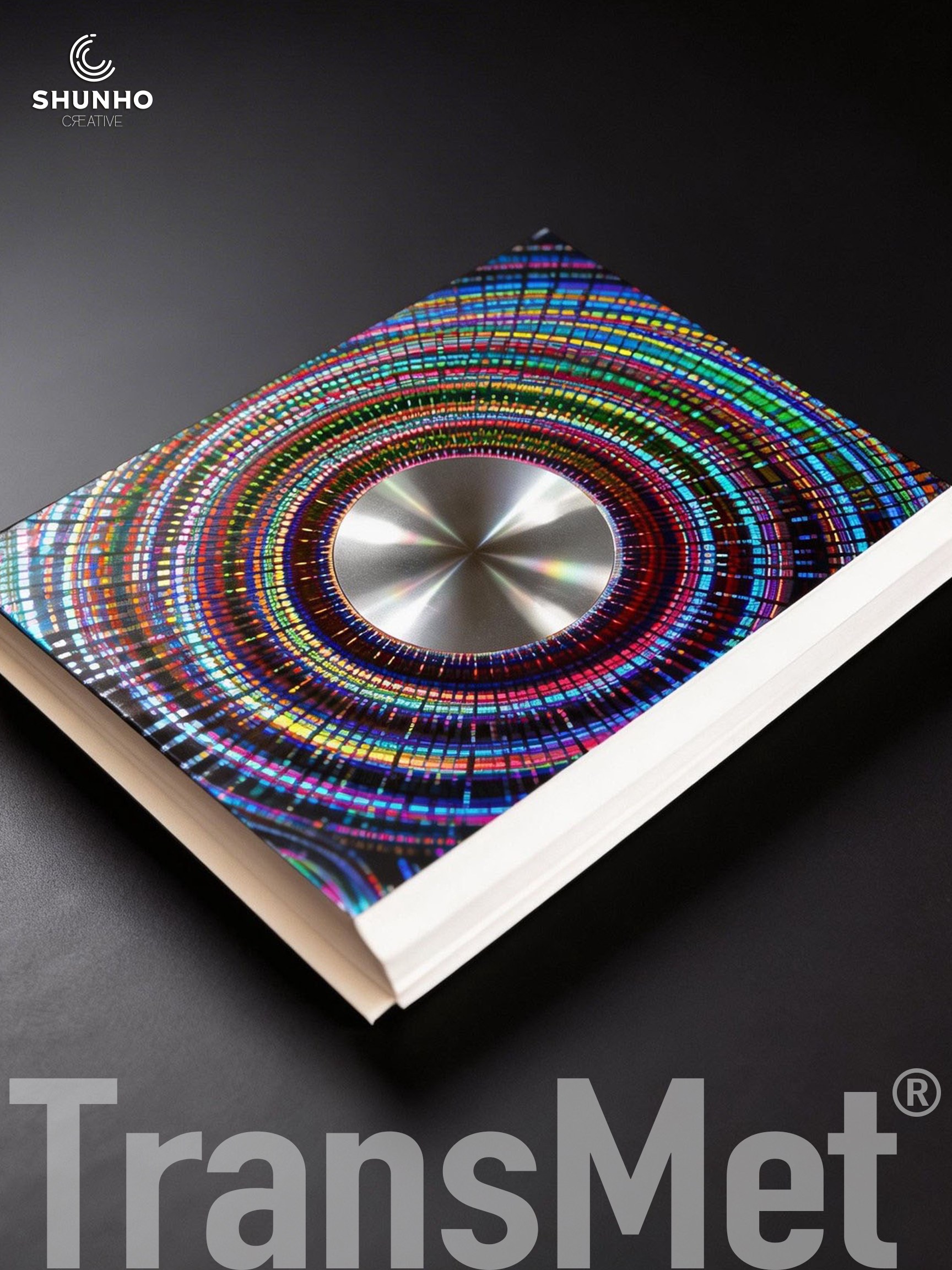
When sourcing holographic paper art, establishing relationships with reliable suppliers is crucial. Here are key considerations:
Industry Experience: Look for manufacturers with a proven track record in producing holographic paper. Established companies like our brand, which specializes in eco-friendly packaging materials, often have the experience necessary to meet quality standards and industry demands.
Certificates and Standards: Verify if the supplier complies with relevant industry certifications and standards. These may include sustainability certifications, which are increasingly important for eco-conscious brands.
Customization Capabilities: Choose suppliers that offer customization options for metallic holographic paper. This includes variations in size, thickness, and design to meet specific project requirements.
Production Capacity: Ensure that the supplier can handle your order volume without compromising quality. Shunho Creative, for instance, boasts an annual productivity of 200,000 tons, which signifies they can meet large-scale demands efficiently.
Sample Approval: Before committing to a large order, request samples to evaluate the quality, appearance, and functionality of the holographic paper art. This step helps confirm that the product meets your expectations.
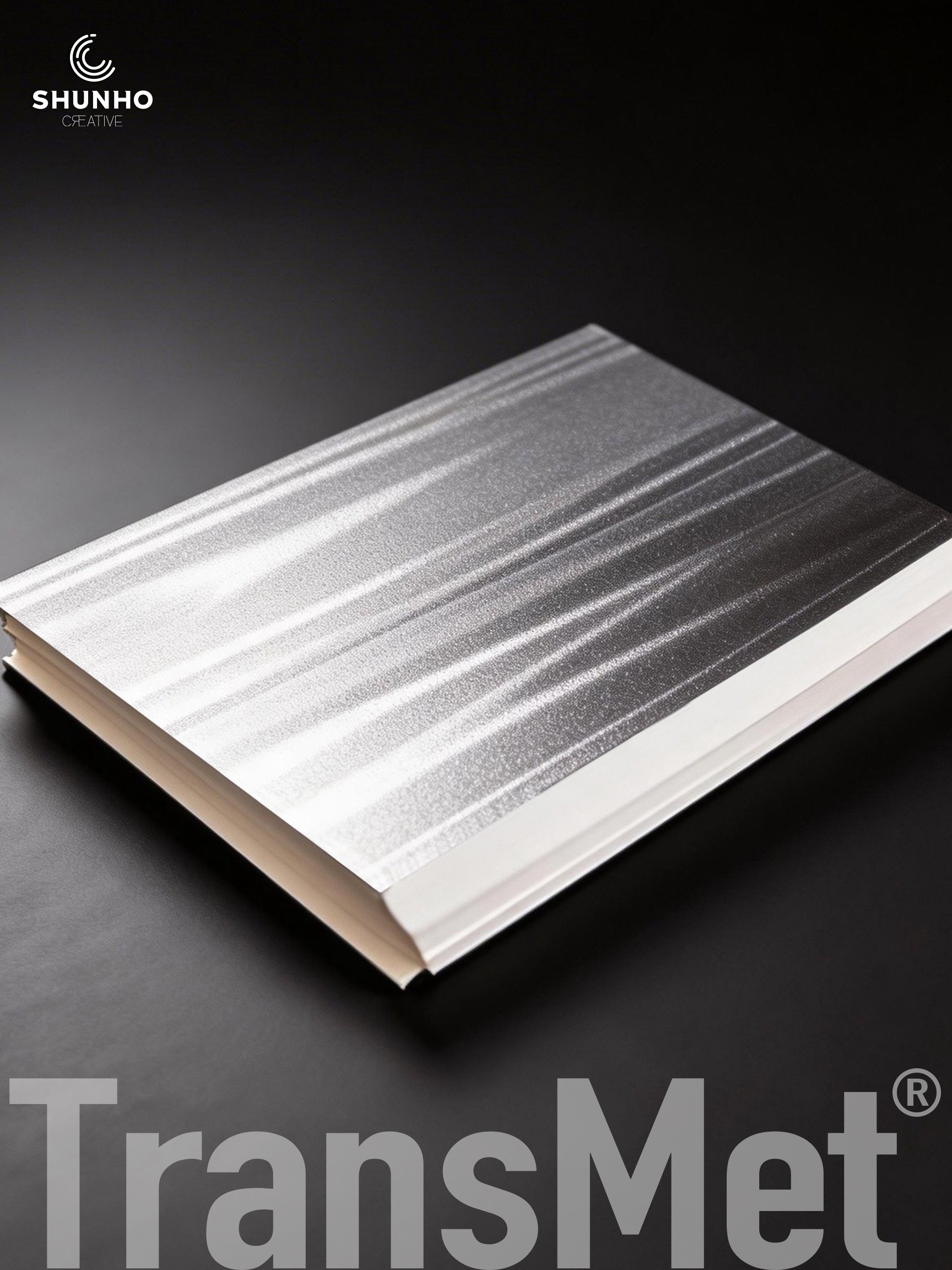
Proper installation and handling of holographic paper art are essential to maintain its aesthetic qualities. Here are some practical tips:
Surface Preparation: Ensure that the surface where the holographic paper will be applied is clean, dry, and free from dust or grease. This promotes better adhesion and prevents bubbling or peeling.
Temperature and Humidity Control: Holographic paper can be sensitive to environmental conditions. Ideally, install it in a controlled environment, avoiding extreme temperatures and humidity levels that could affect its appearance or adhesion.
Application Techniques: Use appropriate adhesive methods to attach holographic paper to surfaces. For paper-to-paper applications, a spray adhesive or a glue stick can be effective. For rigid surfaces, consider double-sided tape or specialized adhesives designed for holographic materials.
Handling: Handle holographic paper carefully to avoid scratches or creases. Store it flat and away from direct sunlight to preserve its visual properties.
These installation tips will help ensure that the holographic paper art performs well and maintains its intended impact.
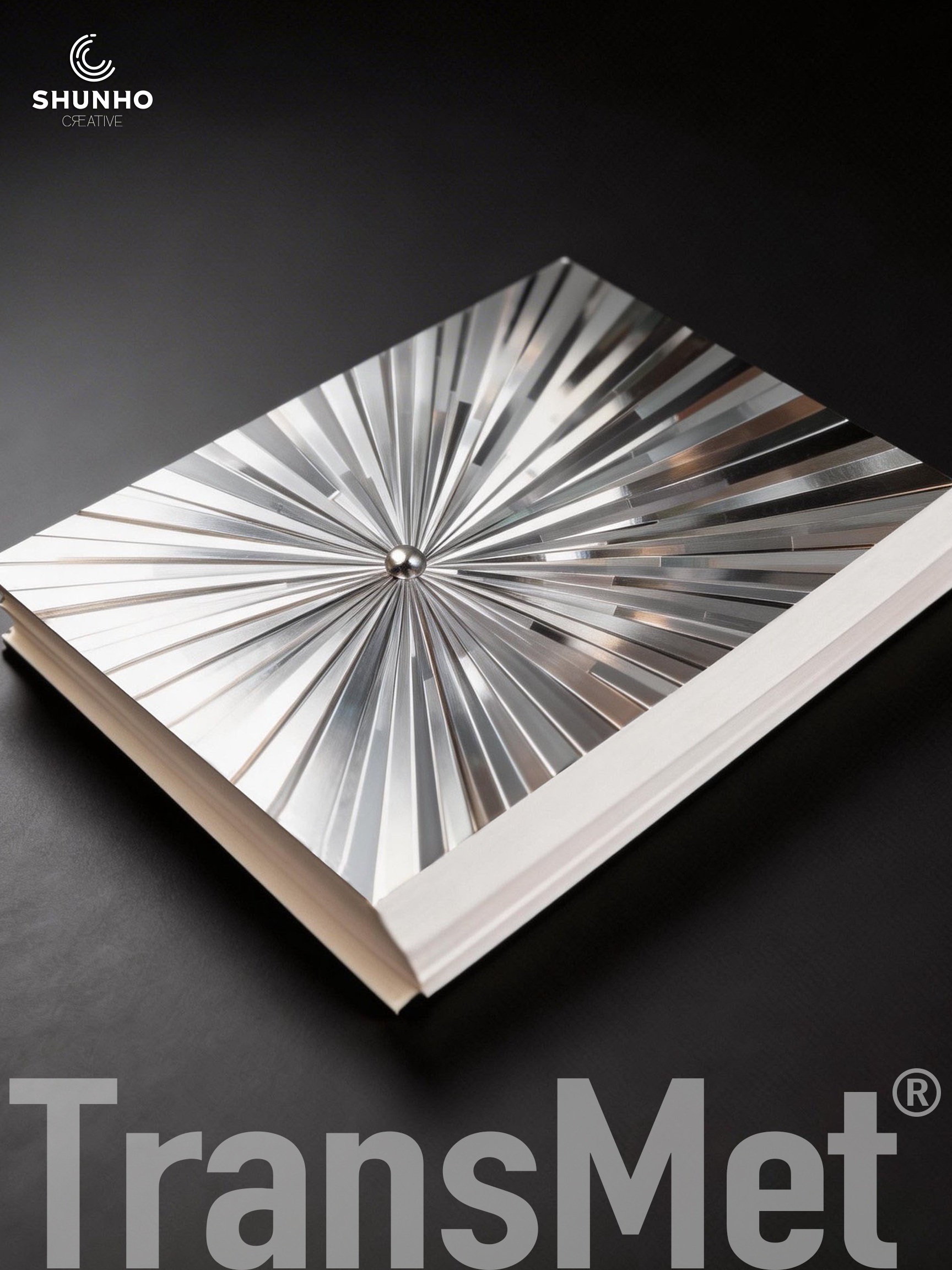
While holographic paper art is visually striking, it can present some challenges. Here are common issues and their solutions:
Adhesion Issues: If the paper doesn’t stick well to surfaces, consider the adhesive type and application method. Ensure the surface is appropriately prepared and that the right adhesive is chosen for the specific material.
Color Fading: Exposure to sunlight can cause colors to fade over time. To mitigate this, consider using UV-resistant coatings or storing holographic products in shaded areas.
Creasing and Wrinkling: Improper handling can lead to creases. To avoid this, ensure that the paper is stored flat and handled gently during installation.
Quality Variability: Not all holographic papers offer the same quality. Buyers should request samples from suppliers and evaluate them under different lighting conditions to assess how the holographic effects appear.
Addressing these issues proactively can enhance the overall effectiveness and longevity of holographic paper art in your applications.
Holographic sticker paper FSC, REACH, FDA 21 CFR 176.170, (EU) No 10/2011, TUV OK COMPOST HOME, RECYCLABLE, ISO 9001/14001/45001, CNAS, PATENTS and other environmental protection certificates
Holographic paper for English, Spanish and Japanese is available.
Holographic silver paper experience in international trade for more than 20 years.Laser paper has a production capacity that can go the 200,000 ton mark each year.
The majority of customers are from the leading Holographic silver paper businesses in the world
When evaluating holographic paper, certain specifications should be closely examined to ensure the product meets your application needs:
Thickness: The thickness of holographic paper can affect its durability and application. Thicker papers may be more suitable for packaging, while thinner options can be better for labels or decorative elements.
Finish: The finish of the holographic paper determines its reflective properties. Buyers should consider whether a matte or glossy finish is more appropriate for their intended use.
Substrate Material: Holographic paper can be made from various substrates, including coated and uncoated stock. The choice of substrate affects both appearance and performance; for example, coated substrates may provide better printability.
Recyclability: As sustainability becomes increasingly important, buyers should confirm whether the holographic paper is recyclable or made from eco-friendly materials, such as those offered by Shunho Creative's TransMet paper.
Color Range: Check the available color options in the holographic paper range. A wider variety allows for more creative branding opportunities.
By carefully reviewing these specifications, buyers can ensure they select high-quality holographic paper that aligns with their project requirements and sustainability goals.
Integrating holographic paper art into your packaging or branding strategy can create impactful visual effects and distinguish your products in the market. Understanding its applications, sourcing strategies, installation techniques, potential problems, and key specifications will empower B2B buyers to make informed decisions that enhance their brand's visibility and appeal.
 EN
 AR
 HR
 CS
 DA
 NL
 FI
 FR
 DE
 EL
 HI
 IT
 JA
 KO
 NO
 PT
 RU
 ES
 TL
 ID
 VI
 HU
 TH
 TR
 MS
 GA
 CY
 MK
 HY
 PL