In an era where sustainability is becoming a key concern for businesses, green food packaging has emerged as a vital component of eco-friendly strategies. This type of packaging not only minimizes environmental impact but also meets consumer demand for sustainable practices. B2B buyers are often concerned about the quality, cost, and suitability of packaging materials, aiming to balance eco-friendliness with performance and regulatory compliance. This article will guide purchasing managers, product managers, and other professionals through the complexities of selecting and implementing green food packaging solutions.
Selecting the appropriate eco-friendly food packaging paper box for your products involves several considerations. First, assess the specific needs of your product, including its size, shape, and sensitivity to environmental factors like moisture and light. For instance, food products require packaging that can maintain freshness while being biodegradable
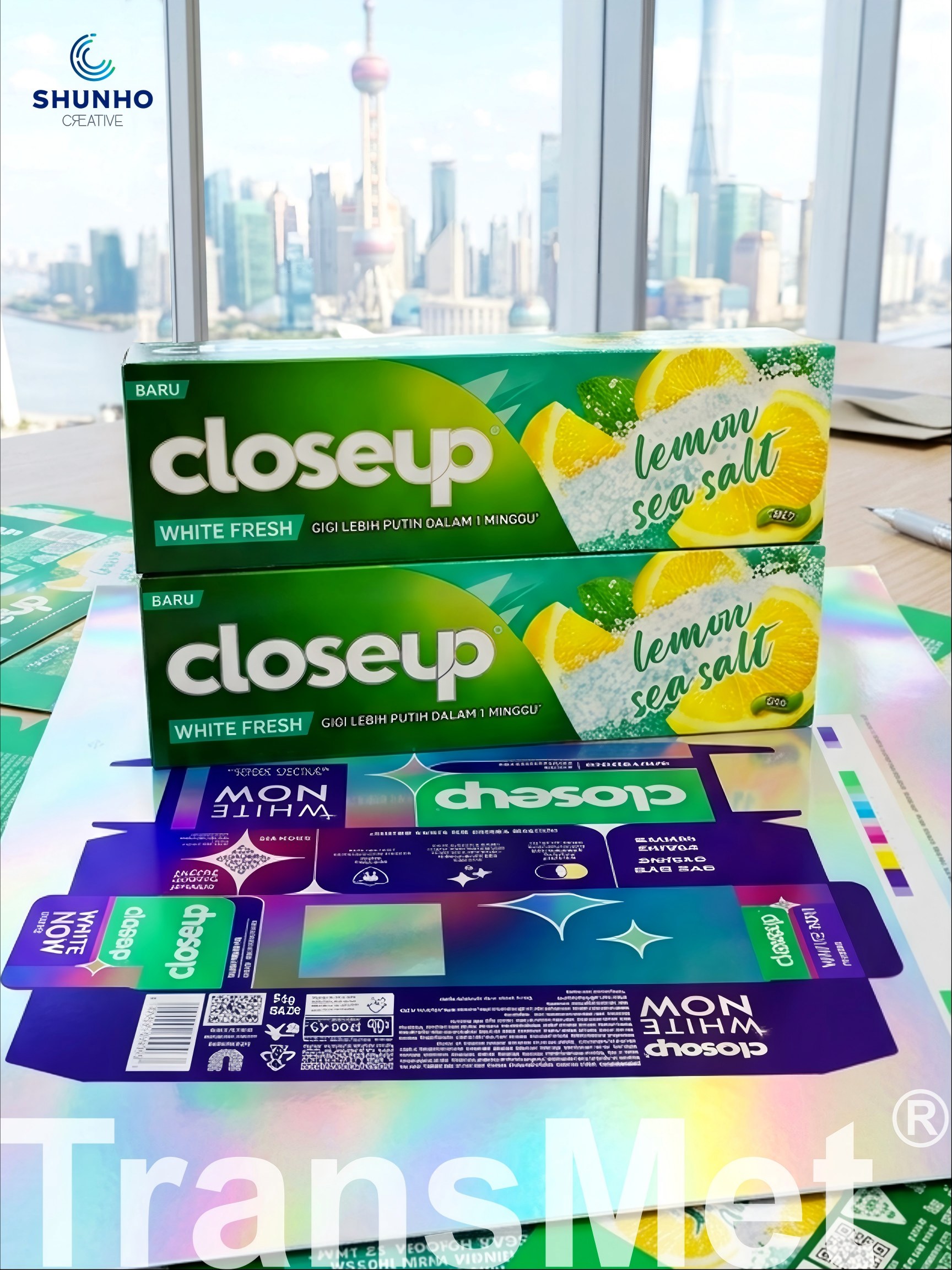
Materials play a crucial role in this selection process. Options like Shunho Creative's signature plastic-free TransMet paper offer excellent barrier properties while remaining fully recyclable and degradable. It’s important to evaluate how these materials align with your product’s requirements and the expectations of your customers
Additionally, consider the entire supply chain. How will the packaging perform during transportation and storage? Will it hold up under varying conditions? Addressing these questions early on can prevent issues down the line, such as product spoilage or damage

When it comes to green food packaging, balancing quality and cost is essential. Eco-friendly materials often come at a premium compared to traditional options. However, the long-term savings associated with reduced waste disposal and improved brand reputation can offset these initial costs
Quality factors to consider include the packaging's durability, barrier properties, and recycling capabilities. For instance, Shunho Creative’s TransMet paper, with its advanced vacuum transfer metallizing technology, provides a robust barrier against moisture and oxygen, ensuring product longevity. Before committing to a supplier, it’s advisable to request samples to evaluate performance under actual conditions
Additionally, consider the minimum order quantities (MOQ) and lead times. A supplier's flexibility in these areas can significantly impact your production schedules and costs

When sourcing green food packaging boxes, there are several key attributes to prioritize
Material Certification: Ensure that the materials have been certified by recognized organizations for sustainability and Recyclability. This not only ensures compliance but also builds trust with consumers
Performance Standards: Verify that the packaging meets industry performance standards for your specific application, such as food safety regulations
Customization Options: Look for suppliers who offer customization to meet your specific branding and functional needs. Tailored solutions can enhance product appeal and functionality
Supplier Reputation: Evaluate the supplier's experience and market position. A company like Shunho Creative, with its established market share and track record in eco-friendly solutions, can be a reliable partner
Cost Transparency: Seek suppliers who provide clear pricing models and are upfront about any additional costs related to eco-friendly materials
Implementing green food packaging solutions requires careful planning and execution. Proper installation ensures that the packaging functions as intended and maintains product integrity. Here are some guidelines
Training Staff: Ensure that your team is familiar with the handling and application of the new packaging materials. This includes understanding the properties of the materials and how they differ from traditional options
Testing and Sampling: Before rolling out a full production run, conduct thorough testing with samples. Assess how the packaging interacts with your product during storage and transport
Quality Control: Establish quality control measures to monitor the packaging performance over time. This can include regular checks for seal integrity and barrier performance
Feedback Loop: Create a system for gathering feedback from operational staff regarding the usability of the packaging. Continuous improvement based on real-world experiences can enhance performance
Holographic silver paper experience in international trade for more than 20 years.Laser paper has a production capacity that can go the 200,000 ton mark each year.
With FSC, REACH, Rainbow paper 21 CFR 176.170, (EU) No 10/2011, TUV OK COMPOST HOME, RECYCLABLE, ISO 9001/14001/45001, CNAS, PATENTS and other environmental protection certificates
The Holographic sticker paper of customers come from the top 500 companies in world.
Holographic silver paper, Spanish, Japanese, Korean and other languages are supported. Support the complete solution from the raw materials to the final product.
Green food packaging is applicable across multiple sectors, including food and beverage, cosmetics, and electronics
Food and Beverage: In this sector, packaging must not only protect the product but also comply with strict safety regulations. Materials like Shunho Creative's TransMet paper are ideal because they offer excellent barrier properties while being environmentally friendly
Cosmetics: Brands are increasingly turning to sustainable packaging to align with consumer preferences for eco-friendly products. Lightweight, biodegradable materials can reduce shipping costs and environmental impact
Electronics: While this industry may not seem directly related to paper box food packaging, using eco-friendly materials can enhance brand perception and appeal to environmentally conscious consumers
Selecting the right green food packaging involves understanding your product's specific needs, evaluating quality and cost factors, and considering the broader applications across industries. By focusing on these aspects, purchasing managers and product developers can make informed decisions that align with sustainability goals while ensuring product integrity
 EN
 AR
 HR
 CS
 DA
 NL
 FI
 FR
 DE
 EL
 HI
 IT
 JA
 KO
 NO
 PT
 RU
 ES
 TL
 ID
 VI
 HU
 TH
 TR
 MS
 GA
 CY
 MK
 HY
 PL



