Food packaging pouches are essential components in the packaging industry, serving as versatile solutions for preserving the integrity and freshness of various food products. In the B2B sector, buyers often seek reliable suppliers who can provide quality pouches that meet specific requirements. This article will address key considerations for sourcing food packaging paper box pouches, including supplier reliability, essential specifications, cost factors, best practices for procurement, and the benefits of eco-friendly materials like TransMet paper.
When looking for suppliers of food packaging pouches, it's crucial to consider several factors that establish reliability. Start by researching manufacturers with a proven track record in the packaging industry, particularly those specializing in food-grade materials. Industry certifications such as ISO or HACCP can be indicators of quality and safety standards. Engaging in trade shows and industry expos can help you connect with potential suppliers directly, allowing you to evaluate their capabilities. Additionally, online marketplaces and directories can provide insights into supplier reviews and ratings. Reach out to other businesses in your network for recommendations, as word-of-mouth referrals can often lead to reliable partnerships. Finally, consider suppliers production capacity and lead times. A supplier with a robust production capability, like Shunho Creative, which boasts an annual productivity of 200,000 tons, can often meet larger orders and tighter deadlines. Ensure that the suppliers you consider are transparent about their processes and can accommodate your specific needs.

Understanding the key specifications of food packaging pouches is essential for making informed purchasing decisions. Here are the primary factors to consider:
Material Composition: The choice of material significantly affects the pouch's barrier properties, durability, and suitability for various food types. TransMet paper, offered by Shunho Creative, is a great example of an eco-friendly option that provides excellent moisture and oxygen barriers while being fully recyclable.
Thickness: The thickness of the pouch impacts its strength and the level of protection it offers. Thicker materials generally provide better durability, which is critical for products that may face rough handling during shipping or storage.
Sealing Method: Different sealing techniques, such as heat sealing or adhesive sealing, can affect the product's shelf life and safety. Buyers should evaluate which method best suits their food products to ensure freshness and prevent contamination.
Dimensions: The pouch size must align with the product being packaged. Custom dimensions may be necessary, especially for unique product shapes or sizes.
Printing and Branding: Custom printing options for branding and product information are also vital. Ensure that the supplier can meet your design specifications and provide high-quality printing that adheres to food safety standards.
Evaluating these specifications will ensure that the paper box food packaging pouches meet your operational and marketing needs.
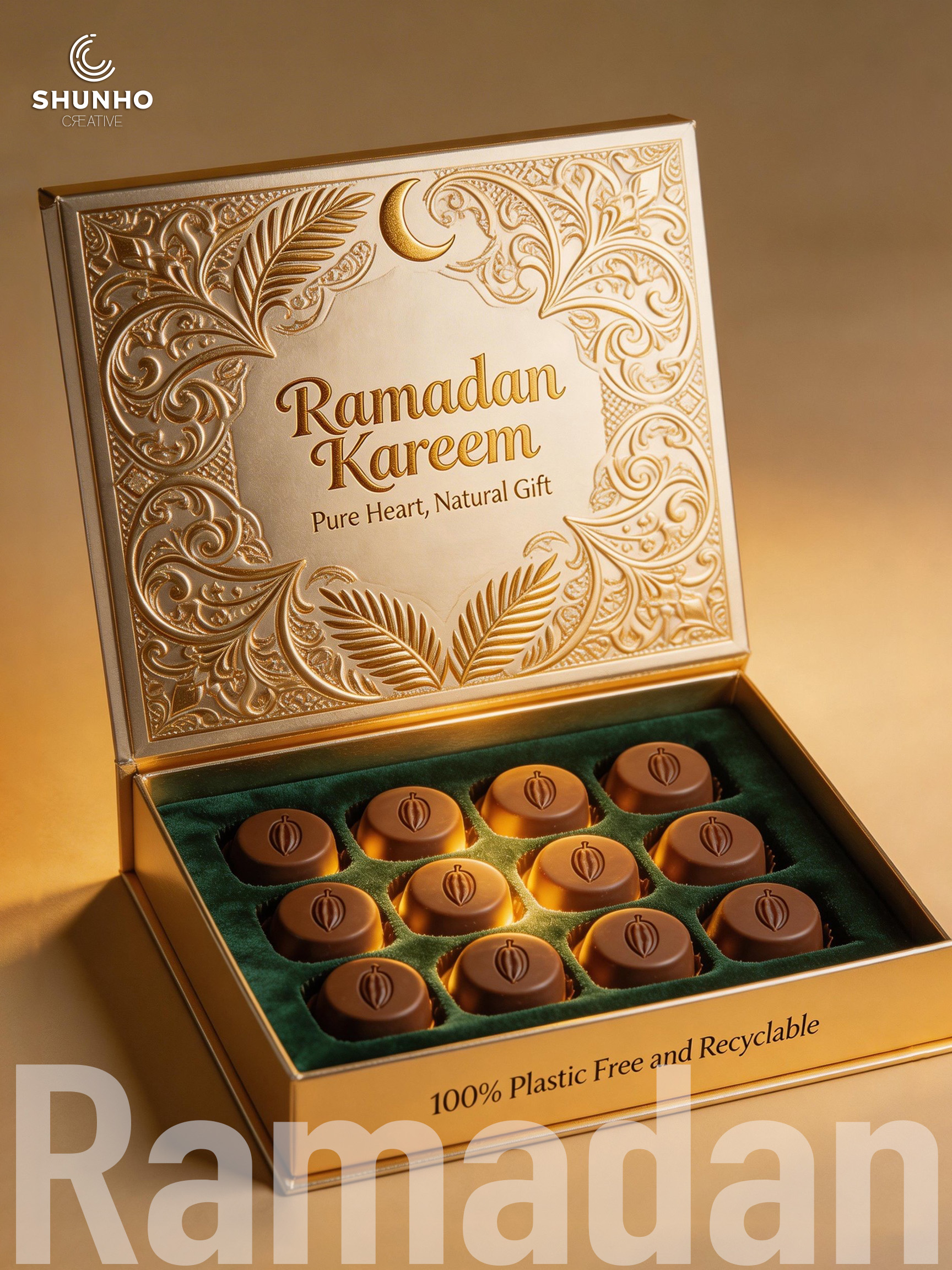
Cost is a critical factor when sourcing food packaging pouches. Several elements contribute to the overall pricing, including:
Material Costs: The type of material selected for the pouches will significantly impact the price. Eco-friendly materials, like those used in TransMet paper, may have a higher upfront cost but can offer long-term savings through recycle ability and reduced environmental impact.
Customization: Custom designs, sizes, and features will increase production costs. Be clear about your requirements when requesting quotes to ensure you receive accurate pricing.
Order Quantity: Typically, larger orders result in lower unit prices. Understand the Minimum Order Quantity (MOQ) policies of potential suppliers, as this can affect your purchasing strategy.
Shipping and Handling: Don't overlook the costs associated with shipping, particularly for international orders. Ensure that you factor in these expenses when comparing supplier quotes.
Quality Control: The price should also reflect the quality management processes in place. Suppliers that invest in quality control measures may charge more but can save you money in the long run by reducing defects and ensuring product safety.
By considering these factors, you can better navigate the costs associated with food packaging pouches and make informed purchasing decisions.

When procuring food packaging pouches, following best practices can help streamline the process and enhance product quality. Here are some recommendations:
Sample Approval: Always request samples of the packaging pouches before placing a bulk order. This allows you to evaluate the material, sealing quality, and overall functionality. Testing samples under actual usage conditions can prevent costly errors later.
Supplier Audits: Conduct audits of potential suppliers to assess their manufacturing capabilities, quality control processes, and compliance with industry standards. This can provide peace of mind regarding the reliability of your chosen supplier.
Clear Communication: Maintain open lines of communication with your suppliers throughout the procurement process. Clearly outline your specifications, expectations, and timelines to avoid misunderstandings.
Regular Quality Checks: Implement a system for routine quality checks on incoming shipments. This helps to ensure that the pouches meet your standards and can mitigate issues related to defects or inconsistencies.
Feedback Loop: Establish feedback mechanisms with your suppliers to discuss any issues or improvements. A collaborative relationship can lead to better product development and innovation.
Implementing these best practices can enhance your procurement process, ensuring that you receive quality food packaging pouches that meet your needs.
Holographic paper sticker majority of customers are from the world's most prestigious 500
Over 20 years of foreign trade experience.The Rainbow paper production capacity of laser paper could up to 200,000 tons.
With FSC, REACH, Rainbow paper 21 CFR 176.170, (EU) No 10/2011, TUV OK COMPOST HOME, RECYCLABLE, ISO 9001/14001/45001, CNAS, PATENTS and other environmental protection certificates
Support for English, Spanish Silver holographic paper Japanese is available.
Shunho Creative's food packaging pouches, particularly those made from our signature plastic-free TransMet paper, provide several distinct benefits. This innovative material features a 30nm aluminum layer that enhances barrier properties, protecting food products from moisture and oxygen while remaining fully recyclable and degradable.
Sustainability: With increasing consumer demand for eco-friendly products, using sustainable materials can enhance your brand's reputation and appeal. TransMet paper aligns with this trend, offering a guilt-free packaging solution for environmentally conscious consumers.
Versatility: Our eco-friendly pouches are suitable for a wide range of food products, from dry goods to perishable items. This versatility makes them an ideal choice for various applications in the food industry.
Compliance: As regulations around packaging materials become stricter, using certified eco-friendly materials can help ensure compliance with local and international standards. This reduces the risk of legal issues and recalls related to packaging safety.
Consumer Preference: Brands that adopt eco-friendly packaging often see a positive response from consumers, leading to increased loyalty and market share. Investing in sustainable packaging can thus serve as a strategic advantage in a competitive marketplace.
By choosing Shunho Creative's eco-friendly food packaging pouches, businesses can contribute to sustainability efforts while enjoying the practical benefits of high-performance packaging solutions.
 EN
 AR
 HR
 CS
 DA
 NL
 FI
 FR
 DE
 EL
 HI
 IT
 JA
 KO
 NO
 PT
 RU
 ES
 TL
 ID
 VI
 HU
 TH
 TR
 MS
 GA
 CY
 MK
 HY
 PL