Environmentally friendly packaging materials are increasingly vital for businesses seeking to reduce their ecological footprint while maintaining product integrity. With growing consumer awareness and regulatory pressures, purchasing managers and product managers must carefully evaluate packaging options that are both sustainable and effective. This article will guide you through evaluating quality, understanding specifications, maximizing usage, and exploring the benefits of eco-friendly materials, particularly our unique TransMet paper
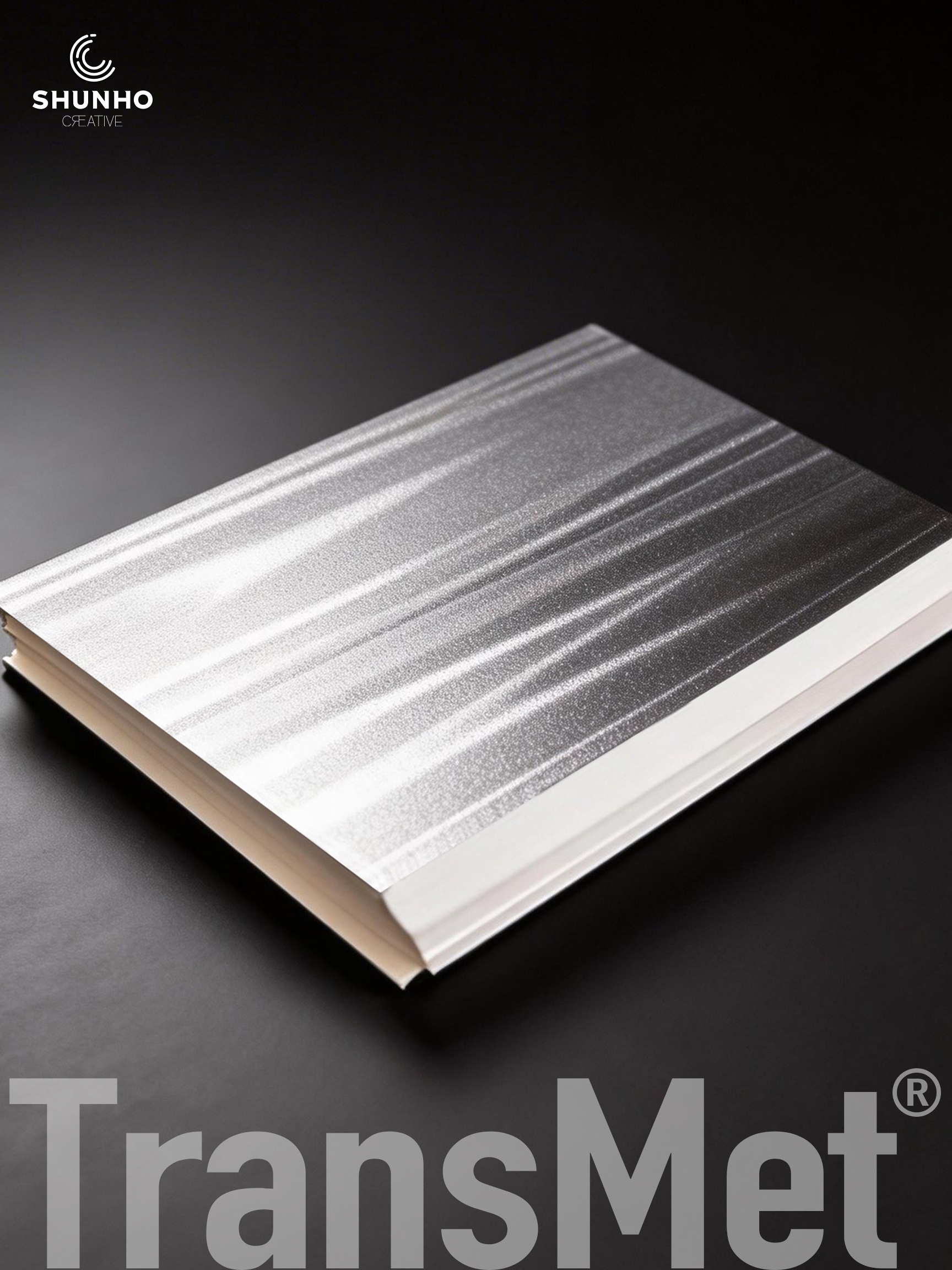
When assessing the quality of environmentally friendly eco-friendly packaging materials, consider several key factors. First, look for certifications that indicate compliance with environmental standards, such as Recyclability and biodegradability. For instance, Shunho Creative’s TransMet paper is not only plastic-free but also fully recyclable and degradable, making it a reliable choice for eco-conscious businesses
Secondly, evaluate the physical properties of the materials. Key attributes include barrier performance, thickness, and tensile strength. These factors impact how well the packaging protects the product and maintains its integrity during transportation and storage. For example, TransMet paper features a 30nm aluminum layer that provides exceptional barrier properties while remaining environmentally friendly
Lastly, consider the supplier's quality control processes. A manufacturer with robust quality assurance measures will likely produce consistent and reliable products. Always request samples before committing to large orders, as firsthand inspection can reveal any potential issues with the material’s performance or appearance
Choosing the right specifications is crucial for ensuring that the packaging meets your operational and product requirements. Key specifications to consider include
Material Type: Assess whether the packaging is made from renewable resources, like recycled paper or plant-based materials, which are crucial for sustainability. For instance, Shunho Creative uses laminated paper and whiteboard in addition to their signature TransMet paper
Barrier Properties: Depending on your product's sensitivity to moisture, oxygen, or light, you may need packaging with specific barrier capabilities. For electronics and cosmetics, the aluminum layer in TransMet paper provides excellent protection against moisture and light exposure
Dimensions and Weight: Custom dimensions can optimize shipping costs and shelf space. Ensure that the specified dimensions align with your product's packaging and handling requirements
Customization Options: If branding is essential, confirm whether the supplier can provide customization, such as printed logos or designs
Understanding these specifications allows you to select packaging materials that not only meet sustainability goals but also enhance product safety and marketability
Proper installation and usage of eco-friendly sustainable packaging materials can significantly influence their efficacy. Here are some best practices
Pre-Production Sample Testing: Always test a pre-production sample under actual operating conditions. This includes checking the packaging’s compatibility with filling processes and ensuring it withstands transportation conditions
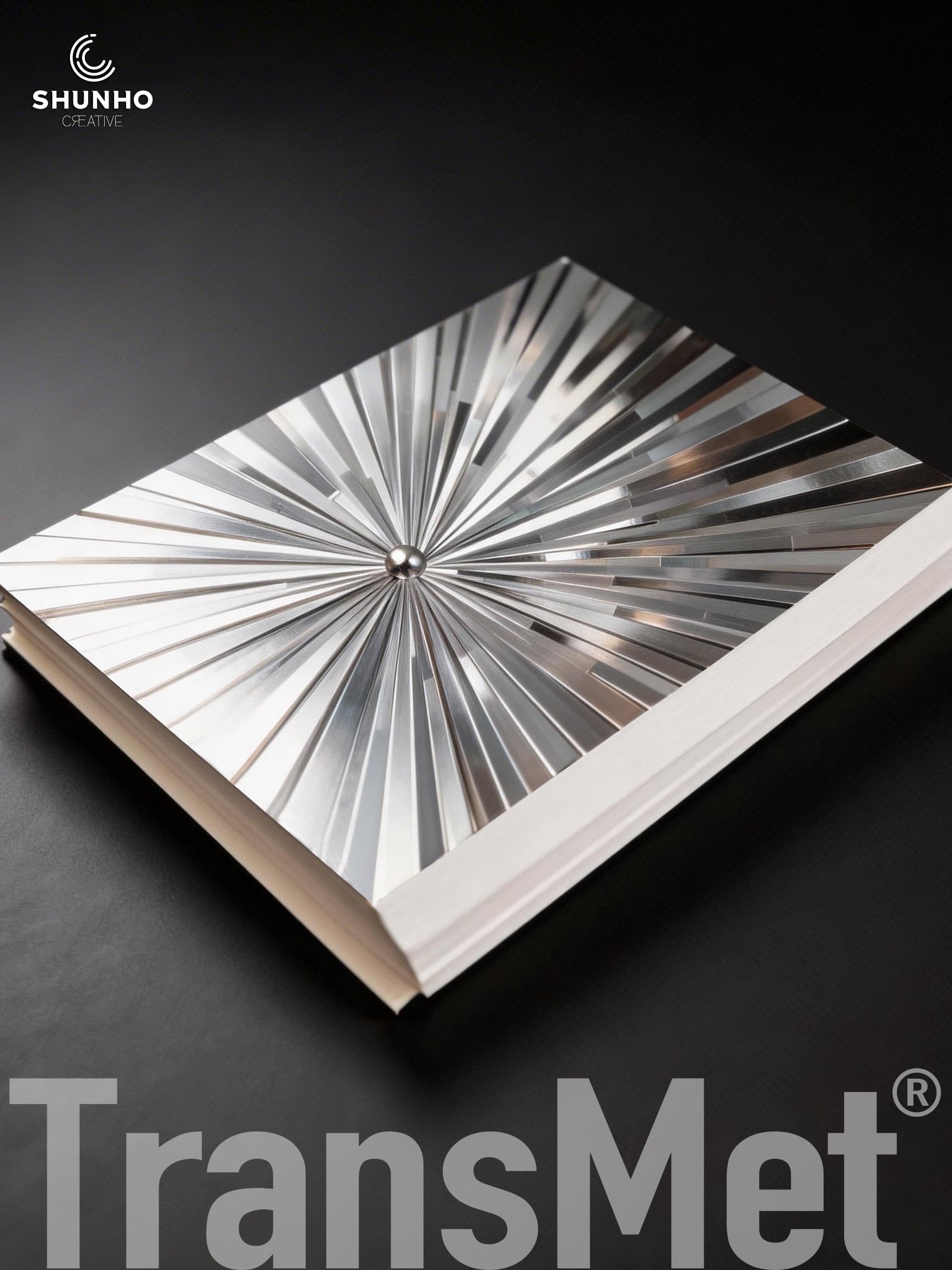
Application Techniques: Depending on the material, different sealing methods may be required. For example, laminated paper may require heat sealing, while TransMet paper can often be used with standard sealing techniques. Ensure that your team is trained in the correct application methods to avoid production delays
Storage Conditions: Store eco-friendly packaging materials in a cool, dry environment to maintain their integrity. Exposure to moisture or extreme temperatures can compromise performance
Handling Procedures: Implement specific handling procedures to prevent damage before use. This is particularly important for delicate materials such as laminated paper, which can crease or tear easily
By following these guidelines, you can ensure that your eco-friendly packaging materials perform effectively throughout the supply chain
TransMet paper offers distinct advantages that make it an ideal choice for various applications
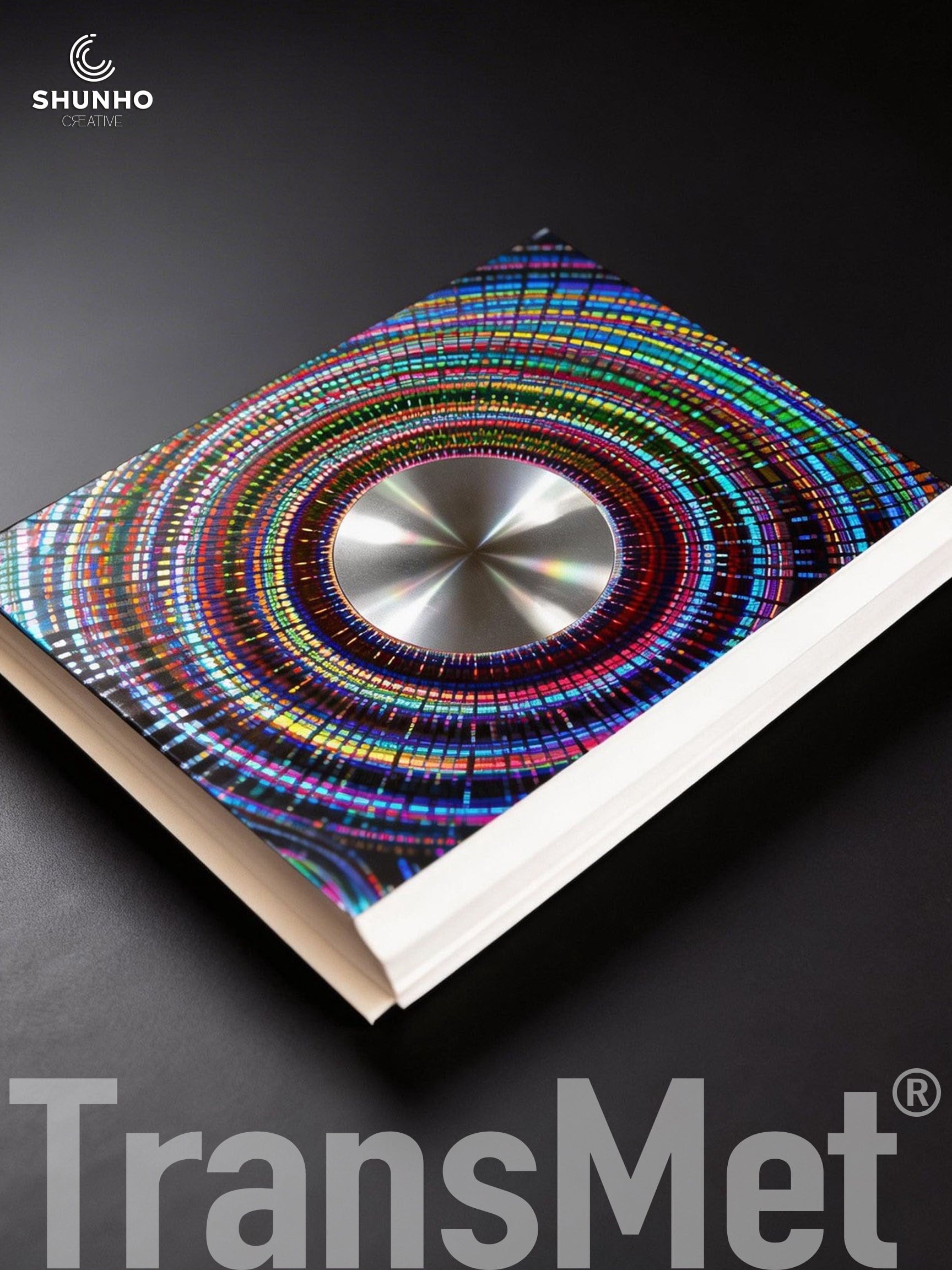
Sustainability: As a plastic-free option, TransMet paper is not only fully recyclable but also degradable, aligning with increasing environmental regulations and consumer preferences for sustainable products
Superior Barrier Properties: The innovative 30nm aluminum layer provides excellent barrier protection against moisture and oxygen, making it suitable for sensitive products in industries such as electronics and cosmetics
Versatility: TransMet paper can be customized for various packaging needs, including bags, pouches, and wraps, allowing it to adapt to different products and branding requirements
Cost-Effectiveness: While eco-friendly options are often perceived as more expensive, TransMet paper can reduce long-term costs by minimizing product waste and enhancing shelf life, thus providing better value over time
These benefits make TransMet paper a compelling choice for companies committed to sustainability without sacrificing quality or performance
Holographic check paper for English, Spanish and Japanese is available.
Silver holographic paper experience in international trade for more than 20 years.Laser paper has a production capacity that can go the 200,000 ton mark each year.
Holographic check paper majority of customers are from the world's most prestigious 500
With FSC, REACH, FDA 21 CFR 176.170, (EU) No 10/2011, TUV OK Holographic paper, RECYCLABLE, ISO 9001/14001/45001, CNAS, PATENTS and other environmental protection certificates
Eco-friendly packaging materials are gaining traction across various industries, each with unique applications
Electronics: Due to the sensitive nature of electronic components, packaging must offer excellent protection against moisture and dust. TransMet paper’s barrier properties make it suitable for packaging devices and components, ensuring they arrive in optimal condition
Cosmetics: In the cosmetics industry, packaging not only needs to protect the product but also convey a brand’s commitment to sustainability. Eco-friendly materials like laminated paper and TransMet paper can be used for both primary and secondary packaging, appealing to environmentally conscious consumers
FMCG (Fast-Moving Consumer Goods): With increasing consumer demand for sustainable products, FMCG companies are adopting eco-friendly packaging solutions to enhance their brand image. Using materials like TransMet paper can help these companies meet sustainability goals while maintaining product visibility and appeal
Food Packaging: Eco-friendly options are making inroads into the food packaging sector, where safety and sustainability are paramount. Packaging made from renewable resources can ensure compliance with food safety regulations while appealing to health-conscious consumers
Each industry can benefit from tailored eco-friendly packaging solutions that not only meet regulatory requirements but also align with consumer expectations for sustainability
By understanding the quality evaluation, specifications, installation practices, and specific applications of environmentally friendly eco friendly packaging materials, B2B buyers can confidently make informed purchasing decisions that support both their operational goals and sustainability objectives
 EN
 AR
 HR
 CS
 DA
 NL
 FI
 FR
 DE
 EL
 HI
 IT
 JA
 KO
 NO
 PT
 RU
 ES
 TL
 ID
 VI
 HU
 TH
 TR
 MS
 GA
 CY
 MK
 HY
 PL