Cardboard packing material is a versatile and eco-friendly solution for various packaging needs in industries such as electronics, cosmetics, and fast-moving consumer goods (FMCG). As B2B buyers, understanding the specifications, advantages, installation methods, cost factors, and common issues associated with cardboard packaging material is essential for making informed purchasing decisions. This article will provide insights into these aspects to help you choose the right packaging solution for your projects.
When selecting cardboard packing material, several key specifications must be considered to ensure the product meets your specific project requirements. These specifications typically include thickness, weight, dimensions, and the type of cardboard used.
Thickness: The thickness of cardboard can significantly impact its strength and durability. Thicker cardboard packing boxes provides better protection for fragile items but may also increase shipping costs due to weight. Assess the level of protection needed based on the product being packaged.
Weight: The weight of the cardboard is crucial for shipping logistics. Heavier materials may incur higher shipping fees, while lightweight options can reduce overall costs. However, ensure that the weight does not compromise the material's protective qualities.
Dimensions: Custom dimensions might be necessary depending on the products you are packaging. Providing precise measurements can help avoid excess material usage or inadequate protection.
Type of Cardboard: Different types of cardboard, such as single-wall, double-wall, or corrugated, offer varying levels of protection and insulation. For example, double-wall cardboard is ideal for heavier or more fragile items, while single-wall is suitable for lighter products.
Before finalizing your choice, consider requesting samples to evaluate how well the specifications align with your packaging needs.
Opting for eco-friendly cardboard packing material offers several advantages, particularly in today's environmentally-conscious market. Some key benefits include:
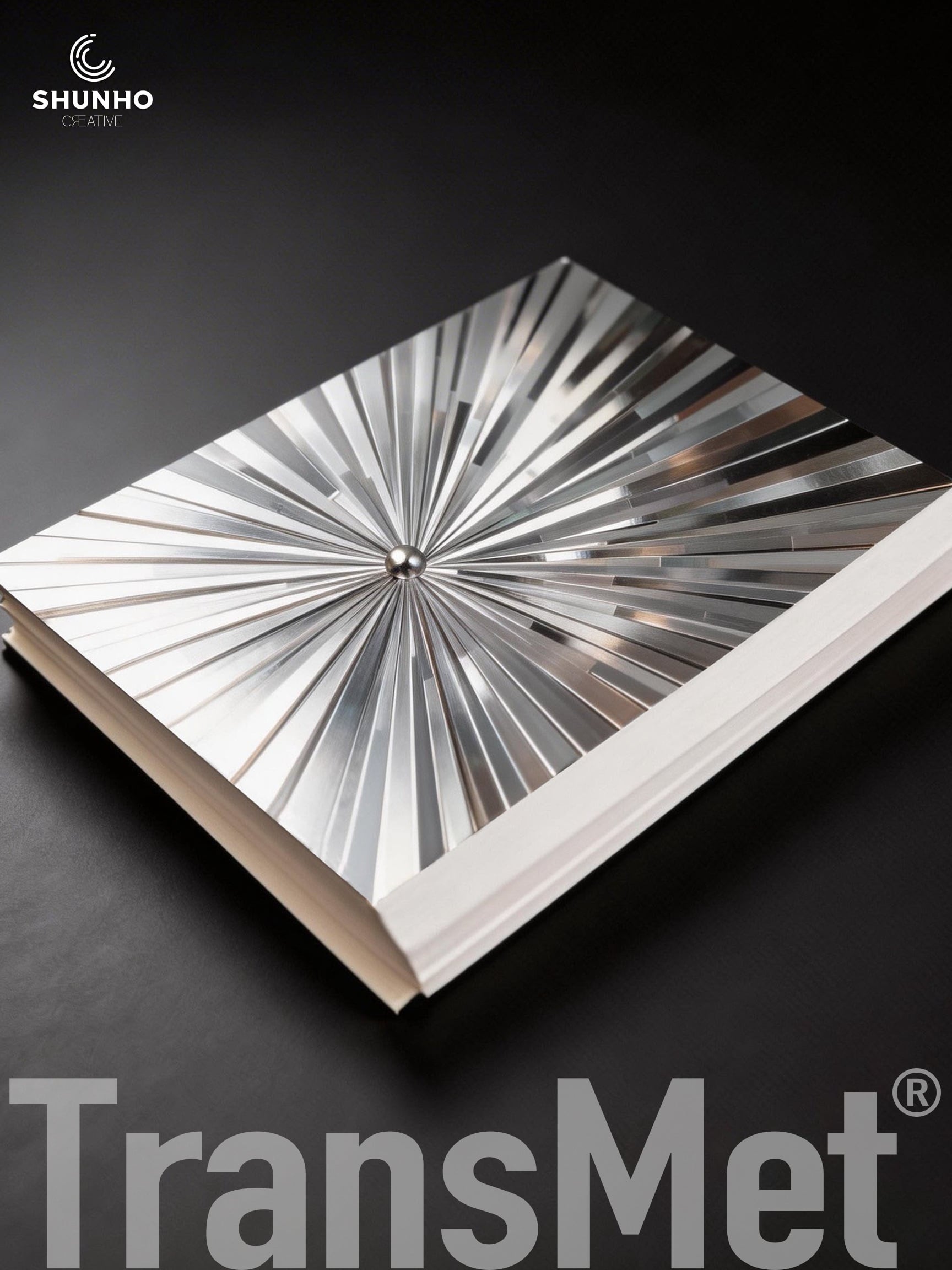
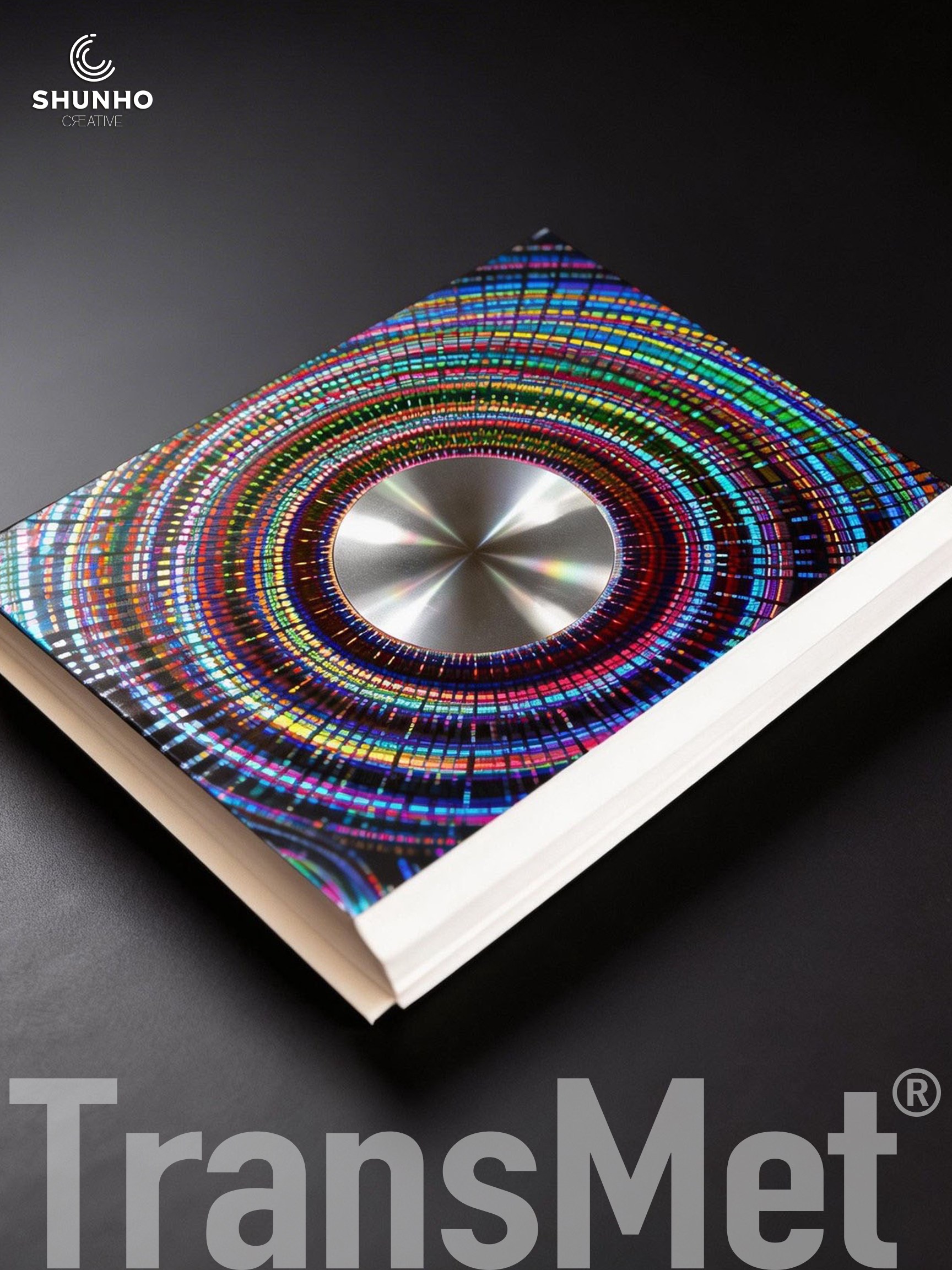
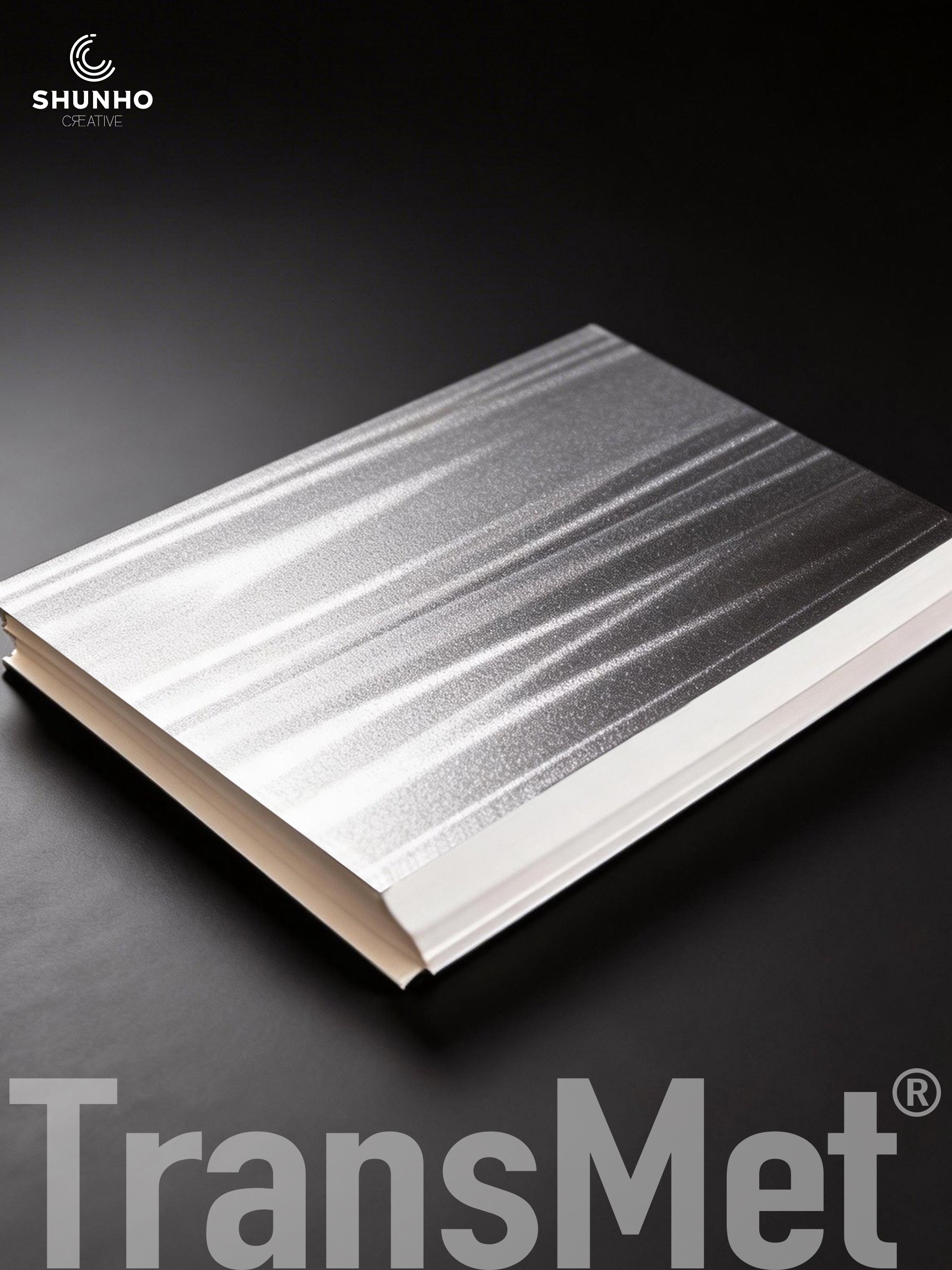
Sustainability: Cardboard packing material is often made from recycled materials and is itself recyclable, reducing environmental impact. Shunho Creative's TransMet paper, for instance, is fully recyclable and degradable, making it an excellent choice for companies prioritizing sustainable practices.
Cost-Effectiveness: While eco-friendly materials may sometimes carry a higher upfront cost, their recyclability can lead to savings in waste disposal and compliance with environmental regulations. Additionally, using sustainable materials can enhance your brand's reputation, potentially attracting more customers.
Versatility: Cardboard packing material can be customized to fit various products, providing flexibility in design and application across multiple industries. This adaptability means it can serve multiple functions, from protective packaging to display packaging.
Consumer Preference: Today's consumers increasingly prefer products packaged with eco-friendly materials. By using packing cardboard material, businesses can align with customer values and potentially increase sales.
Proper installation and use of cardboard packing material can enhance its effectiveness and ensure optimal protection for your products. Here are some practical tips:
Pre-Assembly Considerations: Before starting the packing process, gather all necessary materials, including the cardboard boxes, packing tape, cushioning materials, and protective wraps. Ensure your workspace is organized to streamline the process.
Correct Assembly: Follow the manufacturer's guidelines for assembling the cardboard packing material. Use appropriate sealing methods, such as strong packing tape or adhesive, to ensure that the boxes remain securely closed during transit.
Internal Support: For fragile items, consider adding internal cushioning, such as bubble wrap, foam, or packing peanuts, to prevent movement within the box. This extra layer of protection can help reduce the risk of damage during shipping.
Testing for Durability: If using a new type of cardboard packing material, conduct tests to evaluate its durability and suitability for your products. This may involve subjecting the packed items to various handling and shipping scenarios to ensure they withstand the rigors of transportation.
When budgeting for cardboard packing material, several cost factors should be taken into account:
Material Cost: The price of cardboard can vary based on the type, thickness, and sustainability of the material. Eco-friendly options may be more expensive but can offer long-term savings and benefits.
Customization: Custom-sized cardboard boxes or printed designs can incur additional costs. Provide your supplier with detailed requirements to receive accurate quotes.
Shipping and Handling: The weight and dimensions of the cardboard packing material can affect shipping costs. Be sure to factor in these expenses when calculating your overall budget.
Minimum Order Quantities (MOQ): Many suppliers have MOQs that can impact your purchasing decisions. Ensure you understand the MOQ before placing an order, as this could lead to excess inventory if not properly managed.
Long-Term Contracts: Establishing a long-term relationship with a supplier may provide cost savings through bulk pricing or reduced shipping fees. Discuss potential contracts to secure better rates as your business scales.
More than 20 years of foreign trade experience.Laser paper is produced at a capacity that could reach around Rainbow wrapping paper tons per year.
The majority of customers come Holographic paper the leading 500 businesses in the world.
With FSC, REACH, FDA 21 CFR 176.170, ( Rainbow wrapping paper) No 10/2011, TUV OK COMPOST HOME, RECYCLABLE, ISO 9001/14001/45001, CNAS, PATENTS and other environmental protection certificates
English, Spanish, Sticker paper holographic, Korean and other languages are supported. Support total solutions from the raw materials to the final product.
While cardboard packing material is generally reliable, several common issues can arise during use. Here are some problems and how to address them:
Moisture Damage: Cardboard is susceptible to moisture, which can weaken its structure. To mitigate this, ensure that your packaging is stored in a dry environment and consider using moisture-resistant coatings for added protection.
Structural Integrity: Overloading cardboard boxes can lead to collapse during transit. Always adhere to weight limits specified by the manufacturer and conduct tests with heavier items before full-scale use.
Inadequate Protection: If items are not adequately cushioned within the boxes, they may shift and become damaged. Use appropriate packing materials such as foam, bubble wrap, or crumpled paper to fill voids and secure items.
Supply Chain Delays: Delays in obtaining cardboard packing material can disrupt your operations. To prevent this, maintain a healthy inventory and establish relationships with multiple suppliers to ensure a steady supply.
By being aware of these potential challenges, you can take proactive measures to ensure the successful use of cardboard packing material in your operations.
 EN
 AR
 HR
 CS
 DA
 NL
 FI
 FR
 DE
 EL
 HI
 IT
 JA
 KO
 NO
 PT
 RU
 ES
 TL
 ID
 VI
 HU
 TH
 TR
 MS
 GA
 CY
 MK
 HY
 PL