 EN
EN
 AR
AR
 HR
HR
 CS
CS
 DA
DA
 NL
NL
 FI
FI
 FR
FR
 DE
DE
 EL
EL
 HI
HI
 IT
IT
 JA
JA
 KO
KO
 NO
NO
 PT
PT
 RU
RU
 ES
ES
 TL
TL
 ID
ID
 VI
VI
 HU
HU
 TH
TH
 TR
TR
 MS
MS
 GA
GA
 CY
CY
 MK
MK
 HY
HY
 PL
PL

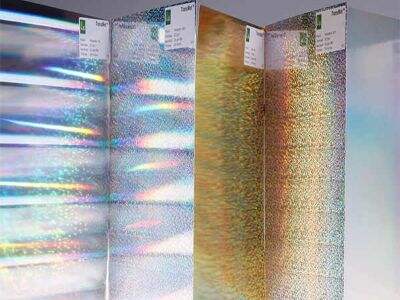
Metallised paper is a special paper with a shiny appearance. This is done by plating the paper with metal, most commonly aluminum. This provides the paper with metallic like appearance, it can be utilized for various applications such as packaging, decorations and crafts. For kids and adults, it can be useful to know how different GSM (grams per square meter) and finishes will affect what you print on this sort of paper. For businesses like Shunho’s, having a sense of such things is useful when it comes to picking the right paper for particular uses. Consider the following in relation to GSM and finishes and see how much of a difference they can make, especially regarding the quality and use of metallized paper labels.
Why GSM in Metallized Paper is Important For Bulk Purchasers?
GSM means grams per square metre. It informs us of a weight, or thickness, for that piece of paper. For wholesale purchasers, knowing the correct GSM of metallized label paper is important as it impacts quality and the end appearance. For example, if you were designing wrap paper or shiny bags the light GSM might be easy to fold and manage. But what if a customer wants sturdy packaging for food products? A higher GSM paper will have more durability. Shunho provides various GSM options, and they range from light 60 GSM papers to heavier 400 GSM kinds. And each GSM alternative can be employed in the market. Buyers should also consider how the GSM can impact your total cost. For instance, lighter GSM paper is usually less expensive, yet it may not hold up as good for items you want to remain in one piece. Learning to balance cost and need results in smarter purchasing. You must remember a shiny bag is thin paper and tears easily.
What to Know about GSM for the Best Performance of Metallized Paper?
If you are considering metallized paper the GSM is not all that matters. And you also can’t forget about the finish of the paper. Some papers shine bright and glossy; others look soft and muted. And this can impact how colors appear on paper. A high GSM with a glossy finish could be ideal for printing colourful designs on marketing materials. Conversely, a matte finish on lower GSM paper might work well for a natural look, such as with an eco-friendly product. Shunho offers come in different finishes, so that customer can select the one that suits them most. If the paper will be displayed outside, you need a tougher finish. Knowing these elements can make decisions about how to best utilize metallized paper much more informed. It matters when you are after a look that sets your products apart appealingly and strongly. And that’s something we can all get behind.
Understanding GSM and Finishes
When discussing metallized paper there are two key terms you’ll hear: GSM and finishes. GSM is grams per square meter. The higher the GSM in a sweater, the thicker it will be and the warmer. Likewise, if you purchase a higher GSM of thicker metallized paper then it will be stronger and better able to withstand various uses than thin paper. Metallized paper is typically in anywhere from 60 GSM to 300 GSM value. Lighter papers, for example 60 to 100 GSM, will be more lightweight and will work well with wrapping up delicate goods or as labels. Thicker papers, ranging from 200 to 300 GSM, are sturdy and ideal for items such as packaging boxes or high-quality cards.
Selecting the Appropriate GSM for Your Metallized Paper Material
Selecting the right GSM for your metallized paper is just like selecting size of shoes. If they are too small, you’ll cleave skin from the back of your heel with them; if they are too big, they’ll drop off. The same goes for paper. You have to consider what you will do with the paper and that can help narrow down what GSM you’ll need. So whether you’re creating a small flyer or label, if it’s not too heavy, perhaps opt for something more like 80-120 GSM. Cause you don't want someone fumbling to hand em out.