Choosing the right skin cream packaging is critical for manufacturers and brands looking to protect their products while also appealing to consumers. The market is increasingly leaning towards eco-friendly options, such as those made with sustainable materials like Shunho Creative’s signature TransMet® Silver paper. This article will explore essential considerations for selecting skin cream packaging, supplier insights, common challenges, sourcing tips, and cost factors, helping purchasing managers and product managers make informed decisions.
When selecting skin cream packaging, several key factors should be evaluated to ensure suitability for both the product and the market.
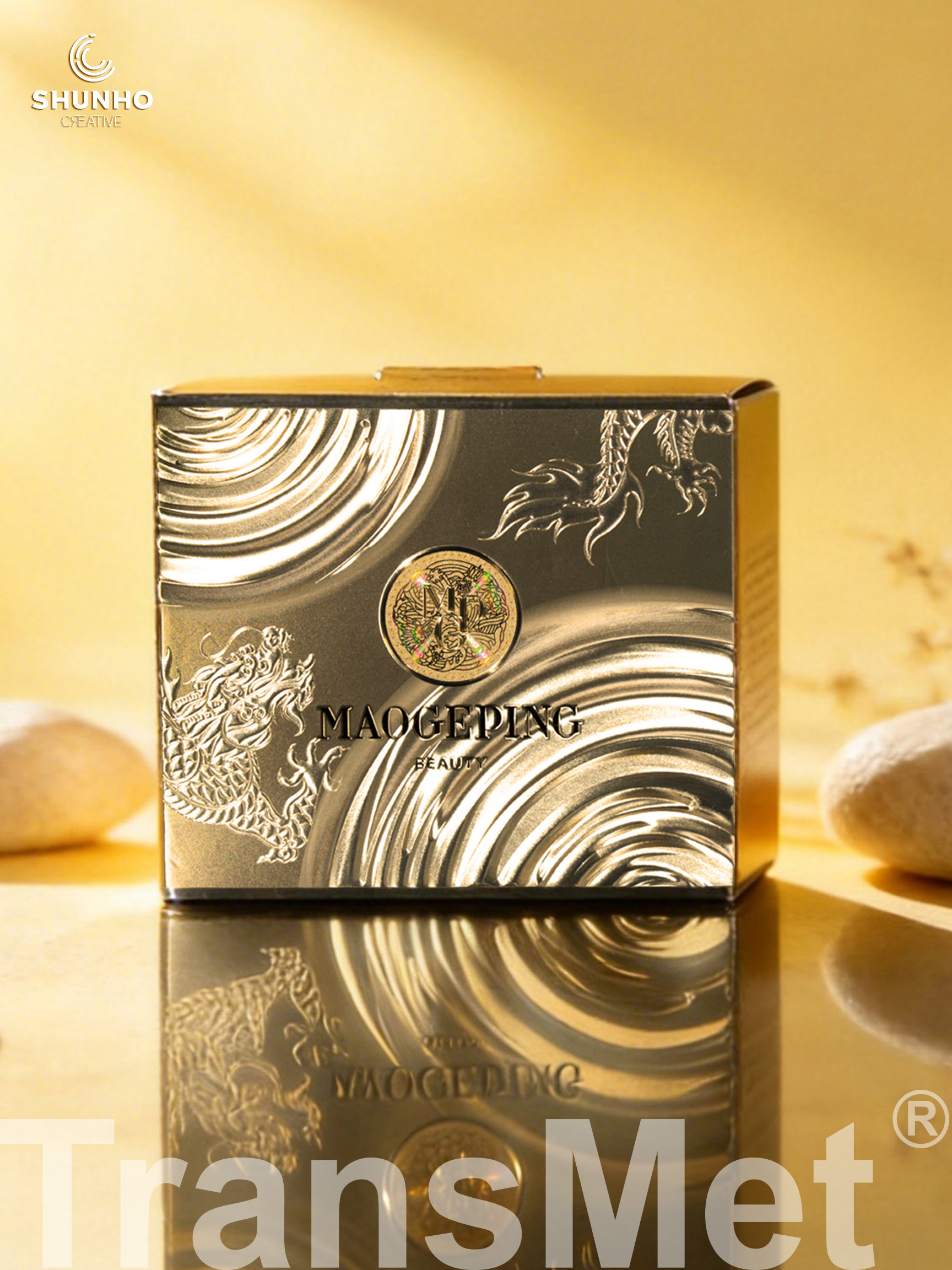
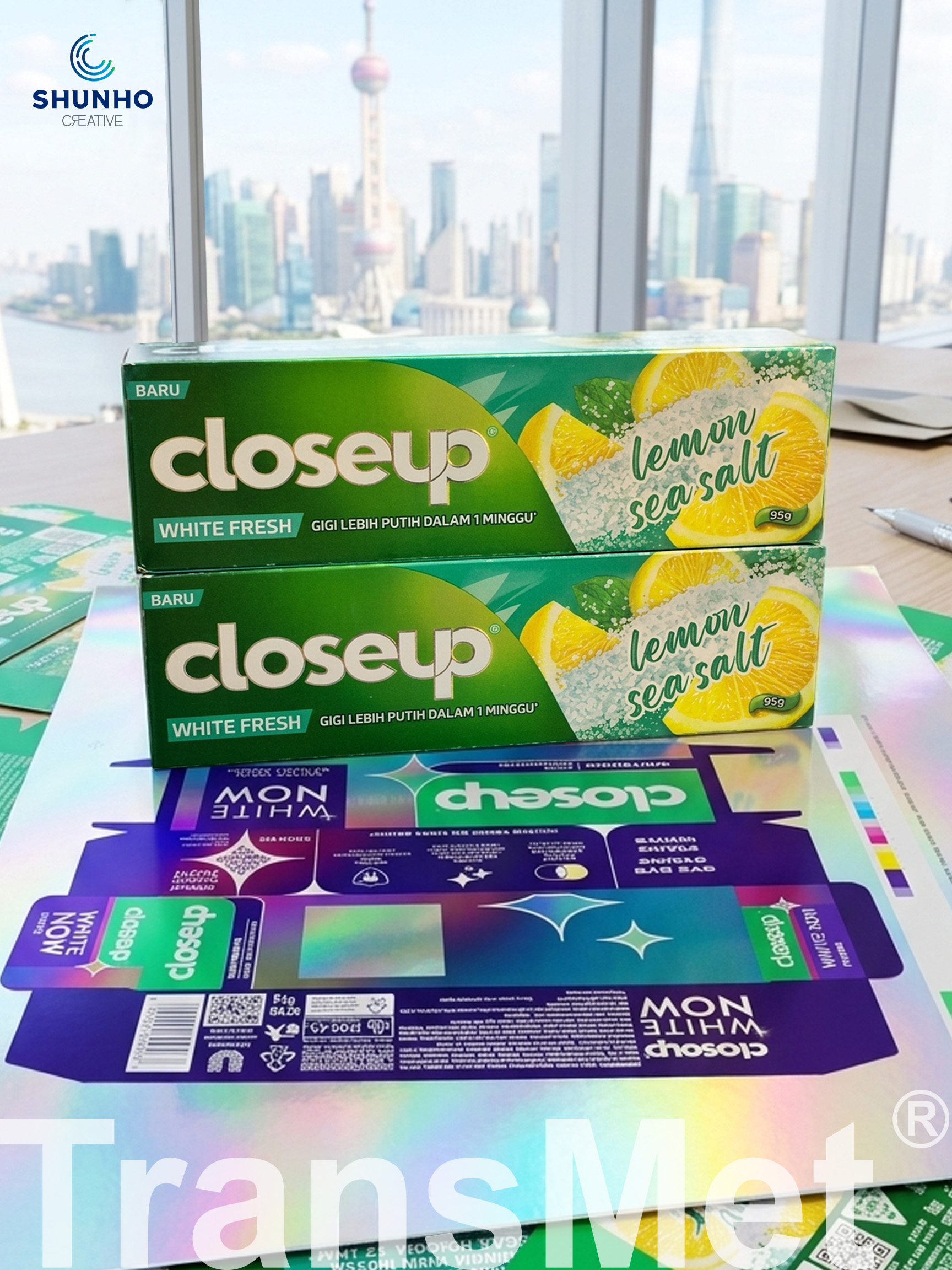
Material Selection: The choice of material directly impacts the product’s shelf life, appearance, and user experience. Eco-friendly materials like Shunho Creative's TransMet paper, which features a 30nm aluminum layer, provide excellent barrier properties against moisture and light while being fully recyclable and degradable.
Barrier Properties: Consider the required barrier levels against oxygen, moisture, and UV light. A product that is sensitive to these elements may require a multi-layer packaging solution, which can be provided by advanced materials like laminated papers or specialized coatings.
Design and Usability: The packaging design should not only be aesthetically pleasing but also functional. Features such as easy opening, resealability, and dispensing methods can significantly enhance user experience. Evaluate how the packaging will be handled during shipping and storage to avoid damage.
Compliance and Regulations: Ensure that the packaging meets industry regulations for cosmetics, which may include safety, labeling, and environmental standards.
Customization: Many brands opt for customized packaging to reflect their brand identity. Look for suppliers who offer flexible customization options in terms of sizes, shapes, and finishes. For instance, choosing a supplier that utilizes TransMet® Holographic materials can provide unique branding opportunities.
By focusing on these critical areas, buyers can ensure they select packaging that not only protects the product but also enhances its marketability.
Choosing the right supplier is as important as selecting the packaging material. Here are some insights and tips that can help guide the selection process:
Experience and Expertise: Opt for suppliers like Shunho Creative that specialize in eco-friendly packaging solutions. Their expertise in materials such as TransMet paper showcases their commitment to sustainable practices while maintaining product integrity.
Quality Assurance: Inquire about the supplier's quality control processes, including how they manage production consistency and defect rates. A reliable supplier should provide clear information on their quality assurance measures, including certifications that validate their manufacturing practices.
Lead Times and Minimum Order Quantities (MOQ): Discuss lead times upfront, especially if you have a tight schedule for product launches. Understanding MOQs is also essential; this will help in planning inventory effectively.
Samples and Prototypes: Always request samples or prototypes before finalizing an order. This allows for testing in real-world conditions and ensures that the packaging meets your specific requirements.
Customer Support: Strong communication and customer support from the supplier can make the purchasing process smoother. Ensure that they are responsive and willing to assist with any inquiries or issues that may arise.
By keeping these supplier insights in mind, buyers can establish a productive partnership that supports their packaging needs.
Even with the best planning, issues can arise in skin cream packaging. Here are some common problems and their solutions:
Product Leakage: This often occurs due to improper sealing or inadequate barrier properties. To mitigate this risk, thorough testing of seals and closures should be conducted during the quality control process. Consider using tamper-evident seals to enhance product integrity.
Material Compatibility: Not all materials are compatible with every type of skin cream. Chemical reactions can lead to product degradation or packaging failure. Collaborate with suppliers to understand material interactions and select the right combinations.
Visual Appeal: Packaging that looks dated or unattractive can deter consumers. Regularly update designs based on market trends and consumer feedback to keep the packaging fresh and appealing.
Environmental Impact: Consumers are increasingly concerned about sustainability. Address this by opting for eco-friendly materials and processes, such as those offered by Shunho Creative, which can enhance brand reputation while meeting consumer demands.
Cost Overruns: Unexpected costs can arise from changes in material or design. To avoid this, establish a clear budget and ensure thorough planning and communication with suppliers regarding pricing structures.
By identifying these common problems early and implementing effective solutions, brands can ensure a smoother packaging process and better product performance.
Finding reliable suppliers for skin cream packaging involves thorough research and evaluation. Here are some strategies to help you source the right partners:
Industry Connections: Attend trade shows and industry conferences to network with potential suppliers. Engaging directly with manufacturers allows you to assess their capabilities and expertise firsthand.
Online Marketplaces: Utilize platforms like Alibaba, ThomasNet, or industry-specific directories to find suppliers. Look for those with strong ratings and positive reviews from previous clients.
Referrals and Recommendations: Leverage your professional network to get recommendations for reputable suppliers. Industry peers can provide insights based on their experiences and help you avoid potential pitfalls.
Assess Their Product Range: Evaluate suppliers' product offerings to ensure they align with your packaging needs. A supplier with a diverse range of materials and customization options can provide more flexibility.
Request References: Don’t hesitate to ask for references from other clients. A trustworthy supplier should be able to provide contact information for satisfied customers who can share their experiences.
By employing these sourcing strategies, you can establish a reliable supply chain for your skin cream packaging needs.
Support for English, Spanish and Japanese is Holographic paper sticker.
Experiential experience in international trade for over 20 years.The annual production capacity of laser paper could up to 200 tons.
With FSC, REACH, FDA 21 CFR 176.170, (EU) No 10/2011, TUV OK COMPOST HOME, Holographic stickers paper, ISO 9001/14001/45001, CNAS, PATENTS and other environmental protection certificates
The majority of customers come Holographic paper the leading 500 businesses in the world.
Understanding the cost factors associated with skin cream packaging is essential for effective budgeting and pricing strategies. Here are key considerations:
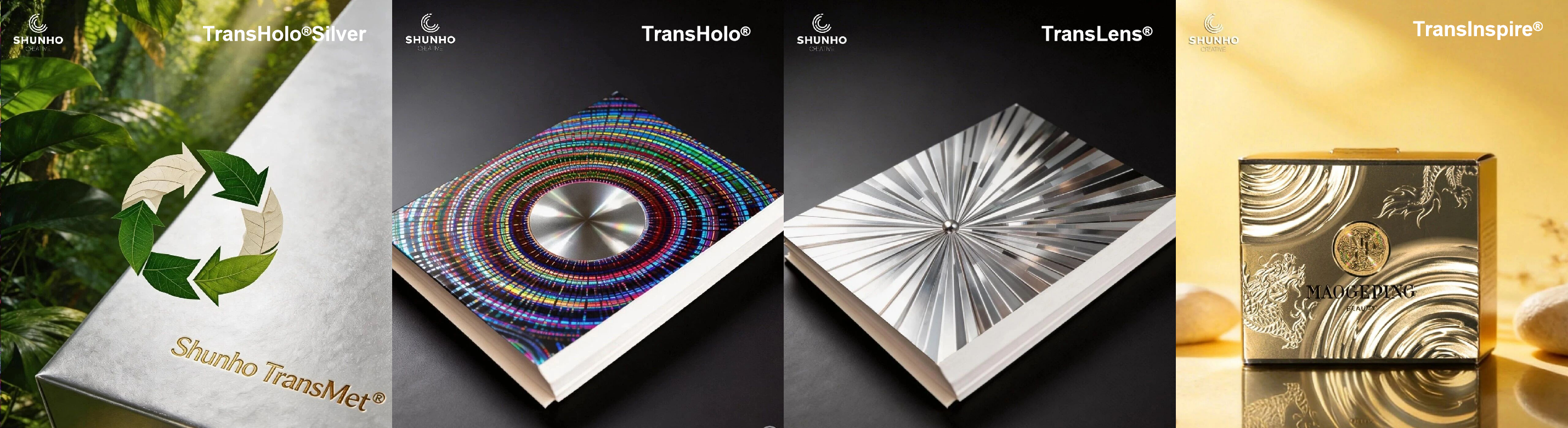
Material Costs: The type of material chosen significantly impacts pricing. Eco-friendly materials like TransMet® Lens may have a higher upfront cost but can save money in waste management and appeal to environmentally conscious consumers.
Customization and Design: Custom packaging designs often come with additional costs. Be clear about the level of customization you require and seek to understand how this affects pricing.
Volume Discounts: Purchasing in bulk usually results in cost savings. Discuss volume pricing with suppliers to maximize your budget, and consider your projected sales to determine optimal order sizes.
Shipping and Handling: Don’t overlook the costs associated with shipping, especially if you’re sourcing internationally. Factor in potential tariffs and customs fees when calculating total costs.
Quality Control and Testing: Ensure that costs associated with quality inspections and testing are included in your budget. Investing in quality assurance can prevent costly issues down the line.
By being aware of these cost factors, manufacturers can better plan their purchasing strategies and ensure that skin cream packaging remains a viable part of their overall product strategy.
 EN
 AR
 HR
 CS
 DA
 NL
 FI
 FR
 DE
 EL
 HI
 IT
 JA
 KO
 NO
 PT
 RU
 ES
 TL
 ID
 VI
 HU
 TH
 TR
 MS
 GA
 CY
 MK
 HY
 PL
