Shunho provides recycled packaging, which is an innovative and sustainable option for businesses looking to minimize their environmental impact while maintaining product integrity. As companies increasingly prioritize eco-friendly practices, understanding the applications, specifications, and suppliers of recycled paper packaging becomes crucial for purchasing managers and distributors. This article will explore the practical aspects of selecting and implementing recycled paper packaging, addressing common concerns and helping buyers make informed decisions
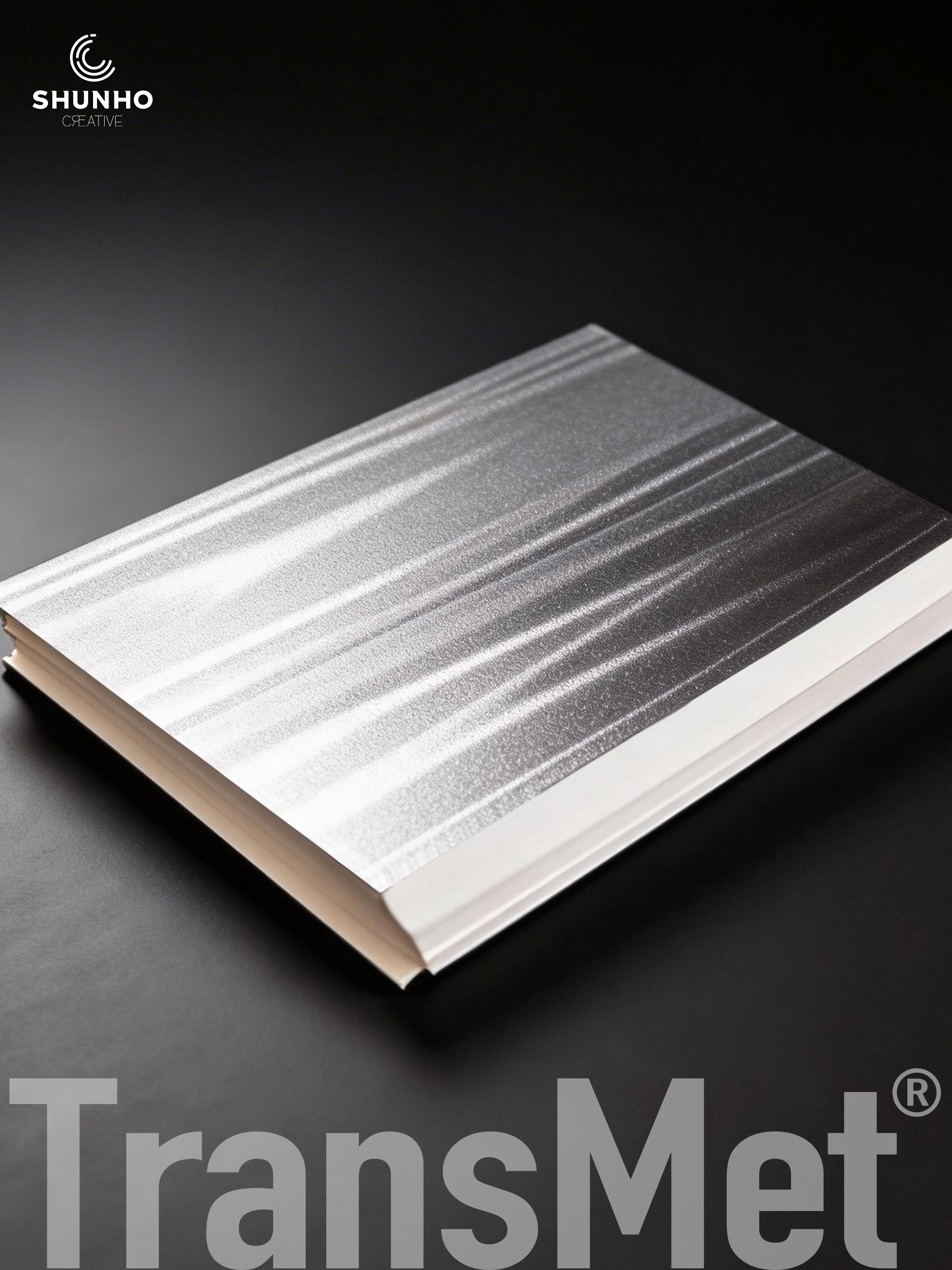
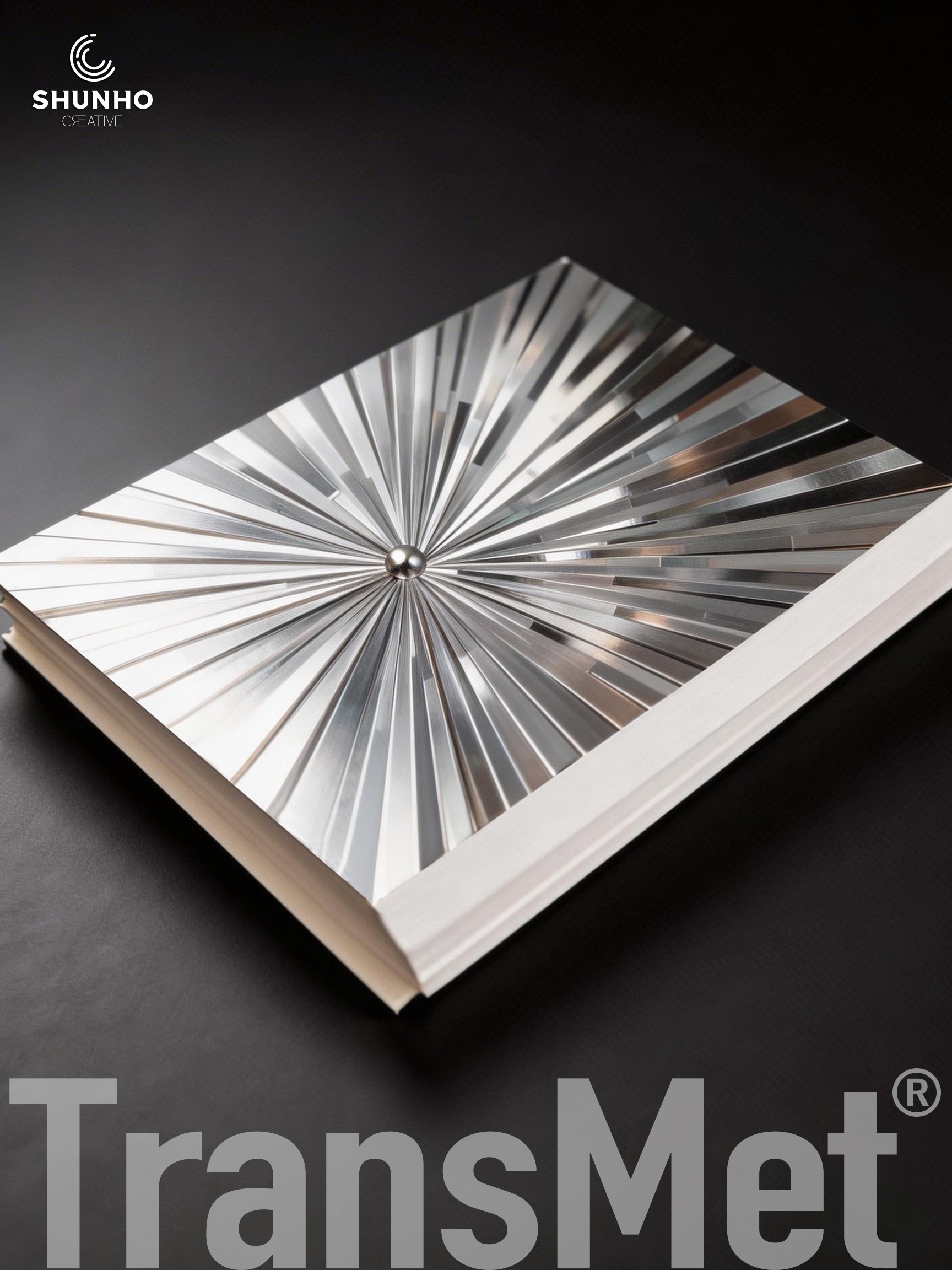
Recycled paper packaging is utilized across various industries, including electronics, cosmetics, and fast-moving consumer goods (FMCG). Its versatility makes it suitable for a range of applications, from protective wrapping to attractive retail packaging. For example, Shunho Creative's signature TransMet paper, featuring a unique plastic-free design and a 30nm aluminum layer, provides an excellent barrier against moisture and light, making it ideal for packaging sensitive electronics and beauty products
Wholesale buyers should consider not only the aesthetics but also the functional requirements of their products when selecting recycled paper packaging. Key applications include:
Electronics: Requires high barrier protection to prevent moisture and oxidation, which can damage components
Cosmetics: Needs attractive design for branding while ensuring product safety
FMCG: Often demands cost-effective solutions that maintain quality during transportation and shelf life
Understanding these applications helps buyers ensure that their packaging solutions meet both industry standards and consumer expectations.
Selecting the right recycled packing paper involves evaluating several key specifications and factors. Buyers should consider:
Material Structure: The composition of recycled paper affects its barrier properties, Printability, and durability. For instance, Shunho Creative's TransMet paper is designed to be fully recyclable and degradable, making it a sustainable choice without compromising performance
Thickness and Dimensions: These specifications influence the packaging's strength and appearance. Buyers should confirm the necessary thickness based on the weight of the product being packaged and its transportation conditions
Customizability: Determine if the supplier can accommodate specific sizes, prints, or finishes. Customization can enhance brand visibility and provide a competitive edge in the marketplace
Minimum Order Quantity (MOQ): Understanding the MOQ is essential for budgeting and planning inventory. Suppliers may offer different MOQs based on the type of packaging and customization needs
Buyers should gather detailed requirements and specifications before engaging with suppliers to streamline the selection process
Finding trustworthy suppliers of recycled packaging paper is crucial for ensuring quality and timely delivery. Here are some strategies for sourcing reliable partners:
Industry Trade Shows: Attending trade shows allows buyers to meet suppliers face-to-face, examine product samples, and discuss specific needs directly
Online Marketplaces: Platforms like Alibaba or specialized industry websites can provide a wide range of suppliers. However, it’s essential to conduct due diligence, such as checking reviews and requesting references
Certifications and Standards: Look for suppliers with recognized certifications in sustainability and quality management systems. This can assure their commitment to producing reliable and eco-friendly products
Networking: Leveraging industry contacts and professional networks can lead to recommendations for reputable suppliers who have successfully met similar needs
Taking the time to research and assess potential suppliers can help buyers establish long-term partnerships that support their sustainability goals
Implementing Shunho's recycled paper packaging effectively requires careful consideration of installation and usage requirements specific to each industry. Here are some practical tips:
Electronics: Ensure that packaging is sealed properly to maintain the barrier properties. Consider additional cushioning materials to prevent damage during transit
Cosmetics: Focus on presentation; the packaging should enhance the product's appeal while providing adequate protection. Testing the packaging under actual retail conditions can help identify any potential issues
FMCG: Efficient packing processes can reduce costs. Standardizing packaging sizes can help streamline operations and minimize waste
Before mass production, it is advisable to conduct trials with sample packaging to assess its performance in real-world conditions. This step helps identify any adjustments needed to meet the specific requirements of the products
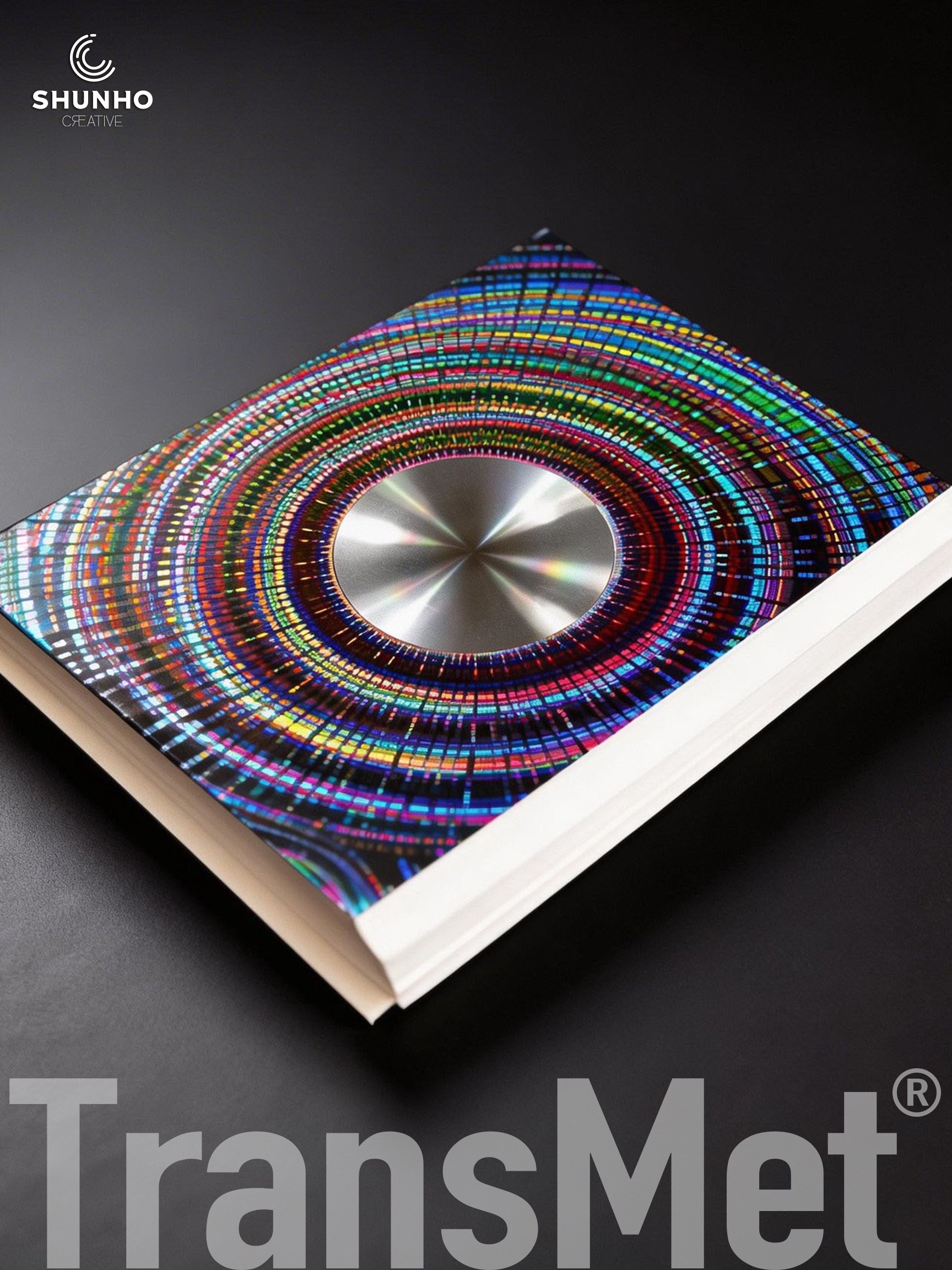
Support for English, Spanish Silver holographic paper Japanese is available.
With FSC, Holographic silver paper, FDA 21 CFR 176.170, (EU) No 10/2011, TUV OK COMPOST HOME, RECYCLABLE, ISO 9001/14001/45001, CNAS, PATENTS and other environmental protection certificates
Sticker paper holographic 20 years of foreign trade experience.Laser paper is produced at a capacity that can reach around 200,000 tons annually.
Most Silver holographic paper the customers come from the world's best 500 companies
When evaluating packaging solutions, comparing recycled paper packaging against traditional options reveals several advantages:
Sustainability: Recycled paper packaging significantly reduces environmental impact by utilizing post-consumer waste and minimizing landfill contributions. This aligns with the growing consumer demand for sustainable practices
Cost-Effectiveness: While initial costs may vary, the lifecycle cost of recycled packaging can be lower due to reduced waste disposal fees and potential tax incentives for environmentally friendly practices
Consumer Perception: Brands adopting recycled packaging can enhance their reputation and appeal to environmentally conscious consumers, leading to increased customer loyalty
Performance: Advanced technologies, such as Shunho Creative's vacuum transfer metallizing, enhance the performance of recycled materials, ensuring they meet or exceed the functional requirements of traditional packaging
In summary, recycled paper packaging offers numerous benefits that can enhance a company's sustainability profile while effectively meeting product requirements. Buyers should weigh these advantages carefully when making packaging decisions, ensuring they choose solutions that align with their operational goals and consumer expectations
 EN
 AR
 HR
 CS
 DA
 NL
 FI
 FR
 DE
 EL
 HI
 IT
 JA
 KO
 NO
 PT
 RU
 ES
 TL
 ID
 VI
 HU
 TH
 TR
 MS
 GA
 CY
 MK
 HY
 PL