Printing paper is a crucial component in various industries, serving as the foundation for packaging and branding. As B2B buyers, purchasing managers, and distributors look for reliable and sustainable options, understanding the specifications, applications, and potential challenges of printing paper becomes essential. This article will provide valuable insights into key specifications for high-quality printing paper materials, cost factors, applications across industries, common problems and solutions, and guidance for bulk orders, helping you make informed purchasing decisions.
When evaluating printing paper, several specifications are critical for ensuring quality and suitability for your specific application. Key factors to consider include:
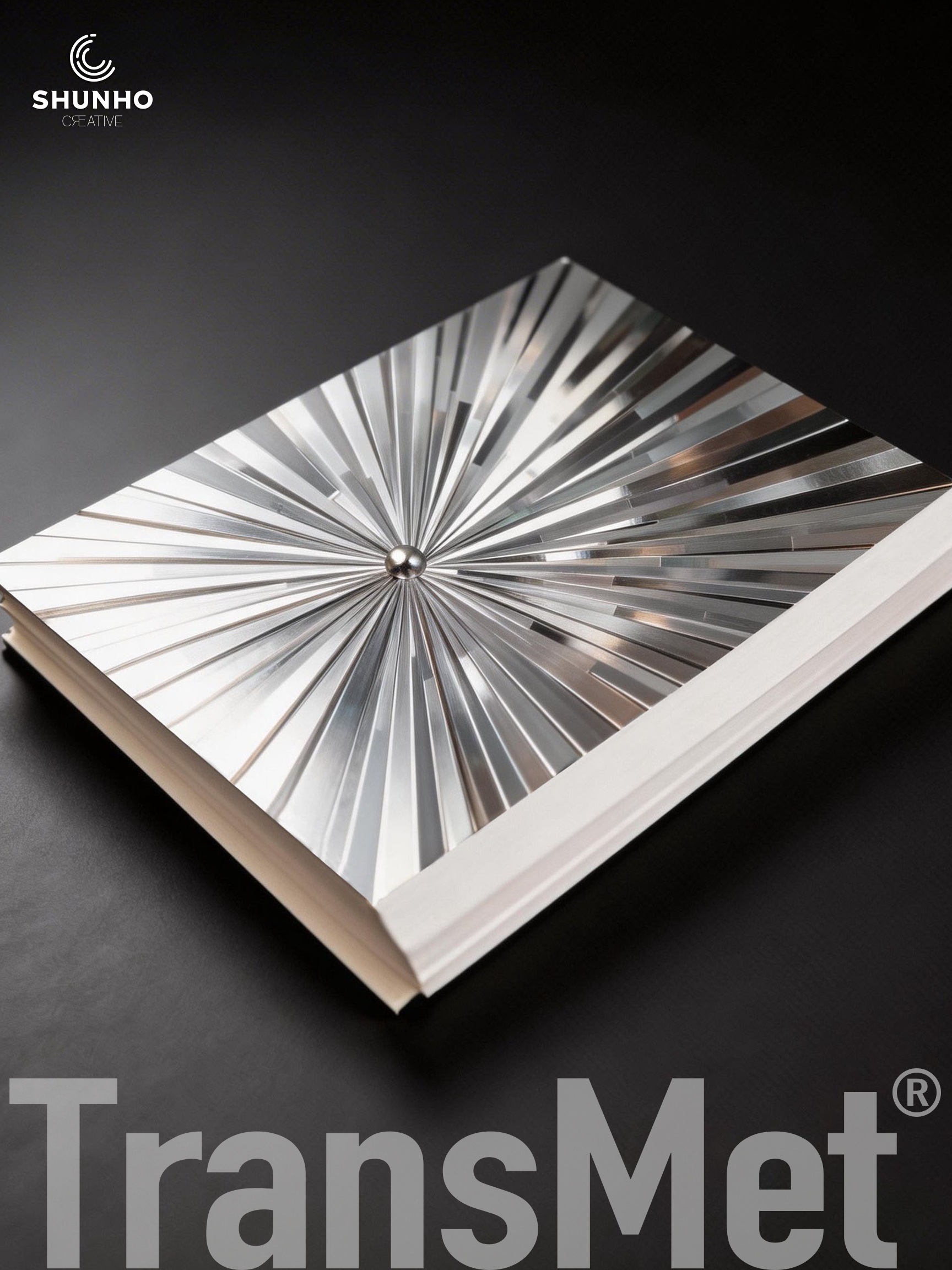
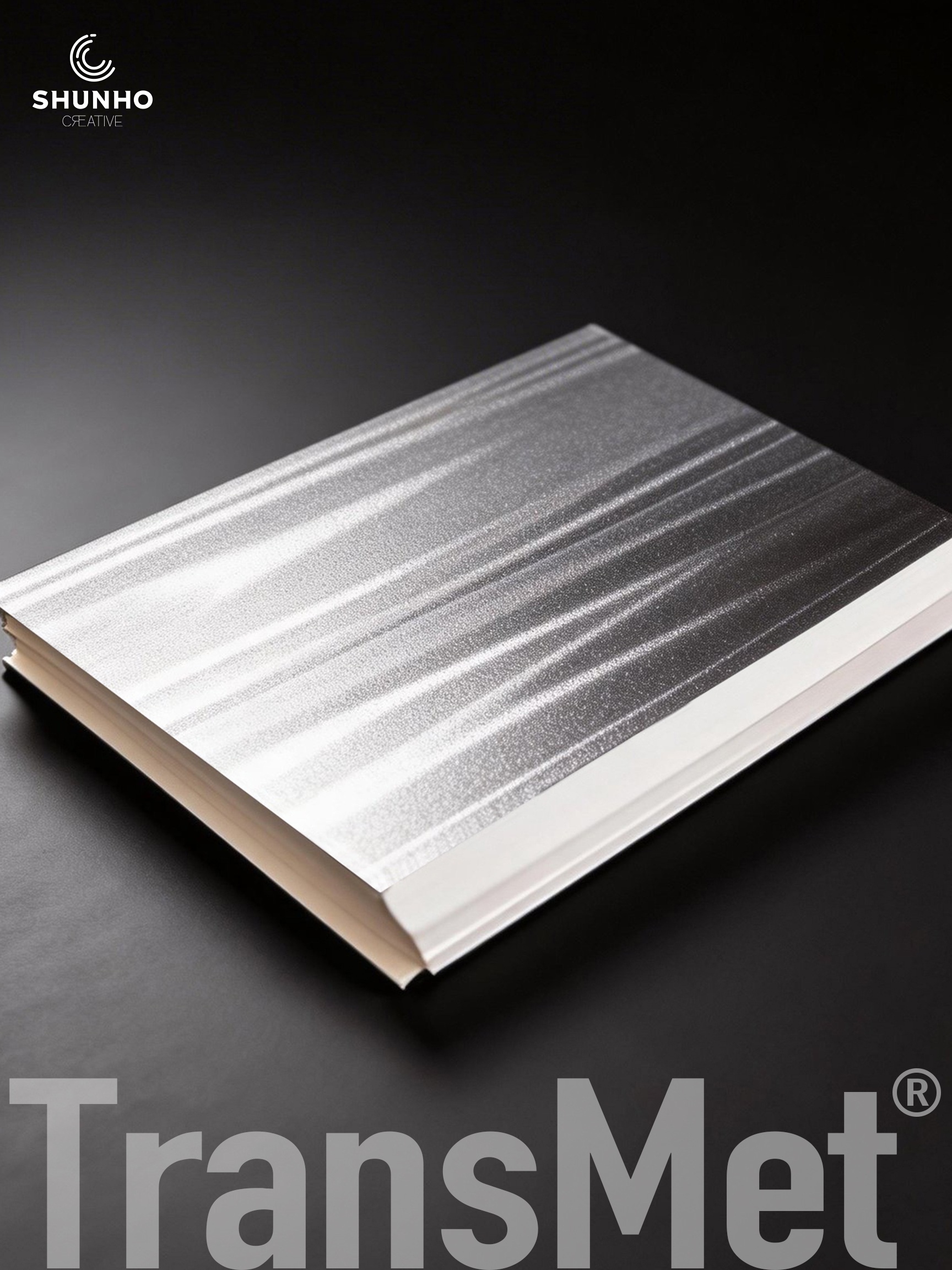
Material Composition: The type of paper—whether it is wood pulp, recycled, or synthetic—affects durability and print quality. Eco-friendly options, such as Shunho Creative’s plastic-free TransMet® Inspire paper, offer sustainability without compromising performance.
Thickness and Weight: Measured in grams per square meter (GSM), the thickness of the paper influences its opacity, sturdiness, and printability. A heavier paper typically provides better durability, making it suitable for packaging applications.
Surface Finish: The finish—glossy, matte, or uncoated—impacts the final appearance of printed materials. Glossy finishes enhance color vibrancy, while matte finishes provide a more subdued, elegant look. Understanding your branding requirements will guide your choice.
Print Compatibility: Not all papers are compatible with every printing method (e.g., inkjet, laser, or offset). Ensure the selected paper meets the requirements of your printing technology to avoid issues like smudging or poor adhesion.
Environmental Certifications: For businesses prioritizing sustainability, certifications like FSC (Forest Stewardship Council) or similar eco-labels can verify that the paper is sourced responsibly.
By carefully evaluating these specifications, you can select printing paper that meets both aesthetic and functional requirements for your products.
Cost is a significant consideration for any B2B buyer, particularly when comparing eco-friendly printing paper options. Several factors influence pricing:
Material Costs: Eco-friendly papers, such as those made from recycled materials or sustainable sources, may have higher upfront costs due to the production process and sourcing methods. However, they often lead to long-term savings by enhancing brand reputation and meeting consumer demand for sustainability.
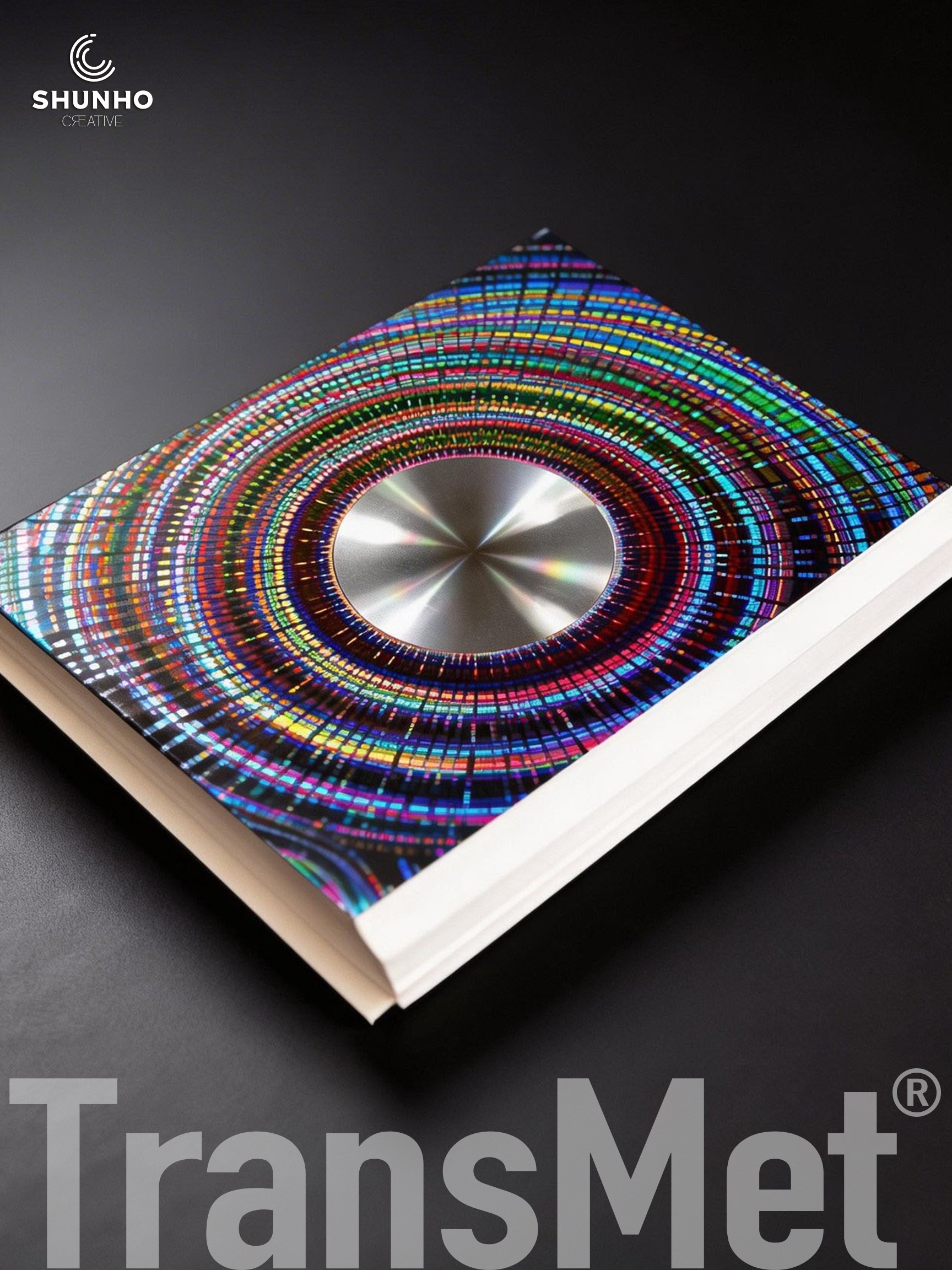
Production Technology: Advanced manufacturing processes, like Shunho Creative's vacuum transfer metalizing technology, can impact costs. While these technologies may require higher initial investment, they often yield superior product performance and sustainability, potentially offsetting costs over time. For example, utilizing TransMet® Holographic technology can enhance product appeal while maintaining eco-friendly practices.
Volume Discounts: Bulk orders typically lead to reduced unit costs. If you anticipate high usage, negotiating bulk pricing can significantly lower your overall expenditures. Discuss minimum order quantities (MOQ) and pricing tiers with suppliers to optimize your budget.
Shipping and Handling: Consider logistics costs, especially for bulk orders. Shipping heavier papers can increase expenses. Collaborate with suppliers to determine the most cost-effective shipping options.
Lifecycle Costs: Eco-friendly options may have higher initial costs but can result in lower lifecycle costs due to their recyclability and potential for reduced waste management expenses.
Understanding these cost factors enables buyers to make informed choices that align with both budgetary constraints and sustainability goals.
Printing paper is utilized across a diverse array of industries, each with specific requirements:
Electronics: In the electronics sector, printing paper is vital for packaging and labeling. High-quality finishes and durability ensure that packaging withstands handling and displays product information effectively.
Cosmetics: The cosmetics industry often employs printing paper for product packaging and promotional materials. The choice of paper can enhance brand aesthetics, with options ranging from sleek, glossy finishes to textured surfaces that convey luxury.
Fast-Moving Consumer Goods (FMCG): In FMCG, printing paper is crucial for product labels, promotional items, and packaging materials. Brands often seek eco-friendly options to align with consumer preferences for sustainability.
Commercial Printing: Many businesses use printing paper for brochures, flyers, and business cards. Different paper weights and finishes can cater to various marketing strategies, emphasizing quality and brand identity.
Understanding the diverse applications of printing paper helps buyers select the right product for their specific needs, enhancing brand appeal and customer satisfaction.
Despite its versatility, printing paper can present challenges that buyers should be aware of:
Printing Quality Issues: Common problems include smudging or fading of prints, often caused by incompatible paper types or improper printing techniques. To mitigate these issues, ensure the selected paper is compatible with your printing method and conduct test prints before mass production.
Paper Curling or Warping: Environmental factors such as humidity can cause paper to curl or warp. Store printing paper in a controlled environment to maintain optimal conditions, preventing deformation that could affect print quality.
Inconsistent Thickness: Variability in paper thickness can lead to printing inconsistencies. Work with reputable suppliers who conduct regular quality control checks to ensure uniformity across batches.
Limited Recyclability: Not all printing papers are fully recyclable, particularly those with coatings or additives. When selecting paper, verify recyclability options with your supplier to align with sustainability initiatives.
Addressing these common problems proactively can enhance production efficiency and product quality.
More than 20 years of foreign trade experience.Laser paper is produced at a capacity that could reach around Rainbow wrapping paper tons per year.
The Holographic sticker paper of customers come from the top 500 companies in world.
With FSC, REACH, FDA 21 CFR 176.170, (EU) No 10/2011, TUV OK Holographic paper, RECYCLABLE, ISO 9001/14001/45001, CNAS, PATENTS and other environmental protection certificates
Holographic silver paper, Spanish, Japanese, Korean and other languages are supported. Support the complete solution from the raw materials to the final product.
For distributors looking to place bulk orders of printing paper, several considerations can streamline the process:
Specification Confirmation: Before placing an order, confirm the specifications based on your clients' needs. This includes paper type, weight, finish, and any specific requirements for printing compatibility.
Sample Approval: Request samples to evaluate the paper's performance under your specific printing conditions. Testing samples helps ensure that the final product meets quality expectations before mass production.
Minimum Order Quantities (MOQ): Understand the supplier's MOQ and negotiate terms that suit your distribution needs. This is especially important for new product lines or when introducing eco-friendly options.
Lead Time: Discuss lead times with your supplier to ensure timely delivery. Factors such as production capacity and shipping logistics can impact the availability of your required paper type.
Customization Options: If your clients have unique requirements, inquire about customization capabilities. Many manufacturers, like Shunho Creative, offer bespoke solutions tailored to specific applications.
By following these guidelines, distributors can ensure a smooth ordering process, meet customer demands efficiently, and maintain strong supplier relationships.
 EN
 AR
 HR
 CS
 DA
 NL
 FI
 FR
 DE
 EL
 HI
 IT
 JA
 KO
 NO
 PT
 RU
 ES
 TL
 ID
 VI
 HU
 TH
 TR
 MS
 GA
 CY
 MK
 HY
 PL
