In the realm of sustainable packaging, eco-friendly paper packaging materials have emerged as essential solutions for various industries, including electronics, cosmetics, and fast-moving consumer goods (FMCG). This article will explore critical aspects of Shunho paper packaging box materials, particularly focusing on evaluating quality, cost considerations, common challenges, installation and usage, and understanding the costs associated with your projects. As a purchasing manager or product manager, understanding these factors is vital for making informed decisions that align with your company's sustainability goals.
When assessing the quality of eco-friendly paper packaging materials, several critical factors must be considered. First, examine the material composition. Products like Shunho Creative's TransMet paper, which incorporates a plastic-free aluminum layer, demonstrate superior barrier properties while remaining fully recyclable and degradable. Buyers should verify that the packaging meets specific performance standards relevant to their application—whether it’s moisture resistance for cosmetics or durability for electronics packaging.
Next, consider the manufacturing process. Advanced technologies, such as vacuum transfer metalizing, enhance the performance qualities of paper materials. Understanding the production method can provide insights into the product’s reliability and sustainability. It’s also essential to request quality control certifications from suppliers, ensuring that their products meet industry standards. Lastly, conducting a sample inspection is crucial. Buyers should assess the physical properties, such as thickness, tensile strength, and surface finish, to confirm that the materials will perform adequately in real-world applications.
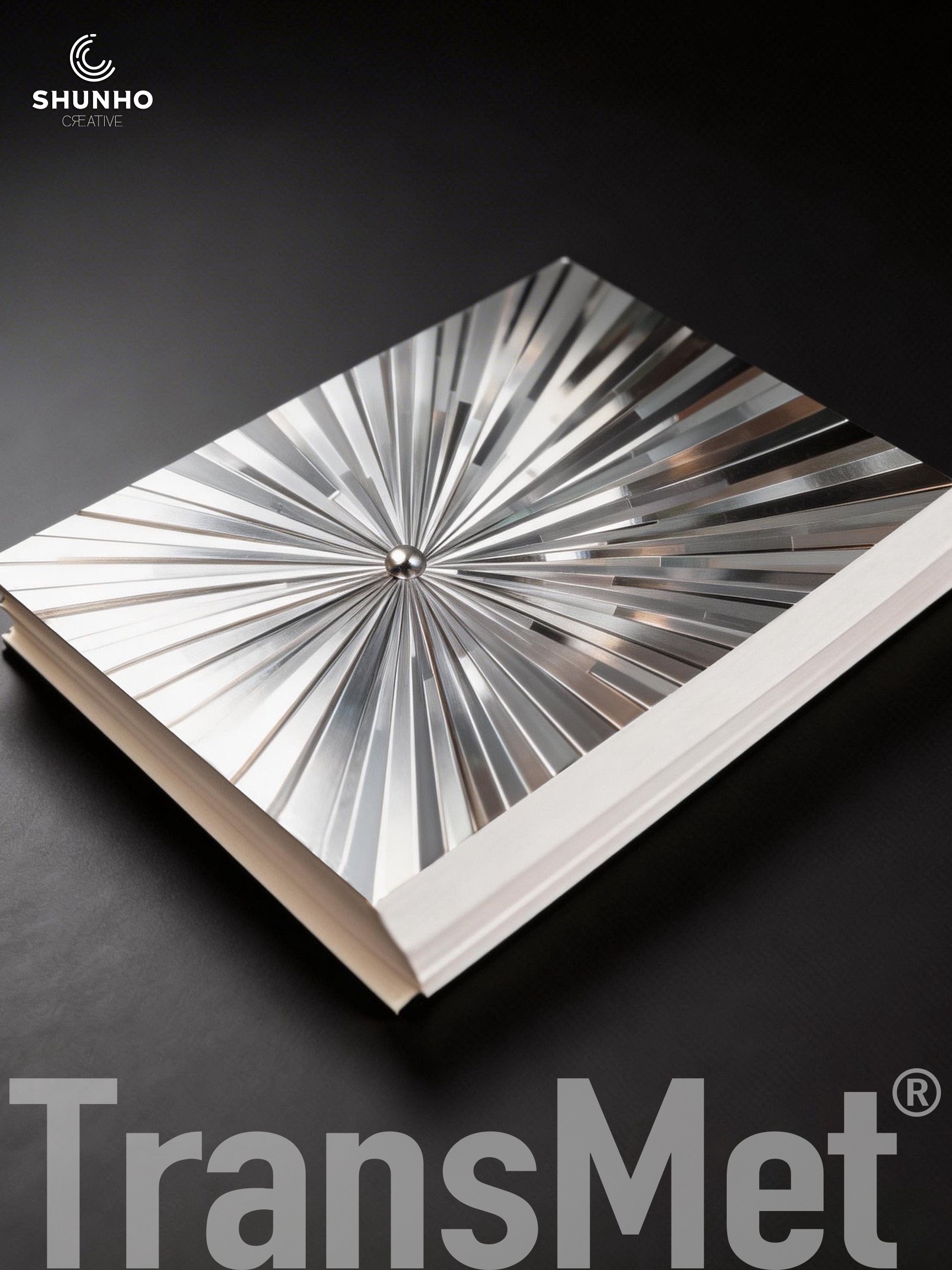
Cost savings can be achieved through strategic sourcing of paper packaging materials. While eco-friendly options may initially appear more expensive, the long-term benefits often outweigh these costs. For instance, products like Shunho Creative’s TransMet paper may reduce waste disposal fees and enhance brand reputation through sustainable practices. Additionally, consider the total cost of ownership—this includes not only the purchase price but also the costs associated with logistics, handling, and potential rework if materials fail to meet quality standards.
Buyers should also explore bulk purchasing options, which can lead to significant savings. Establishing a long-term partnership with suppliers can facilitate better pricing structures. Furthermore, investing in high-quality materials can reduce the frequency of replacements and minimize disruptions in the supply chain, leading to more stable operational costs.
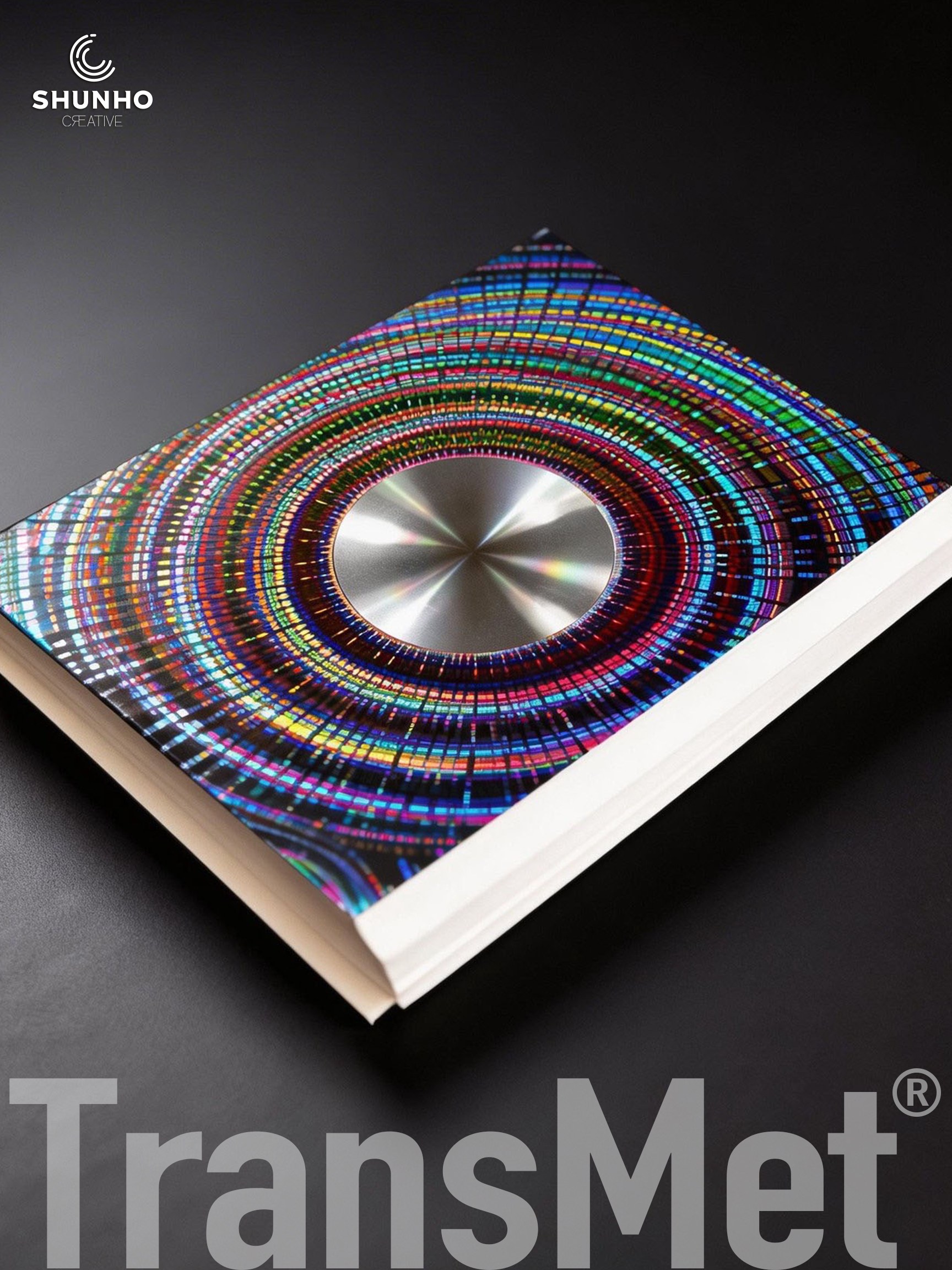
Despite the advantages of paper packaging materials, several common issues may arise during production and usage. One frequent problem is inadequate moisture protection, especially in humid environments. To counteract this, selecting Shunho sustainable paper packaging with appropriate barrier coatings is essential. For example, the aluminum layer in TransMet paper provides enhanced moisture resistance, making it suitable for various applications.
Another issue is the fragility of some paper materials during shipping. Implementing robust packaging methods, such as corner protectors or cushioning inserts, can mitigate these risks. Buyers should also work closely with their suppliers to customize packaging solutions that suit specific transportation and storage conditions.
Finally, quality control during the manufacturing process can prevent defects that lead to costly returns. Regular audits and sample testing can help identify potential issues early, ensuring that the end product meets both quality and performance expectations.
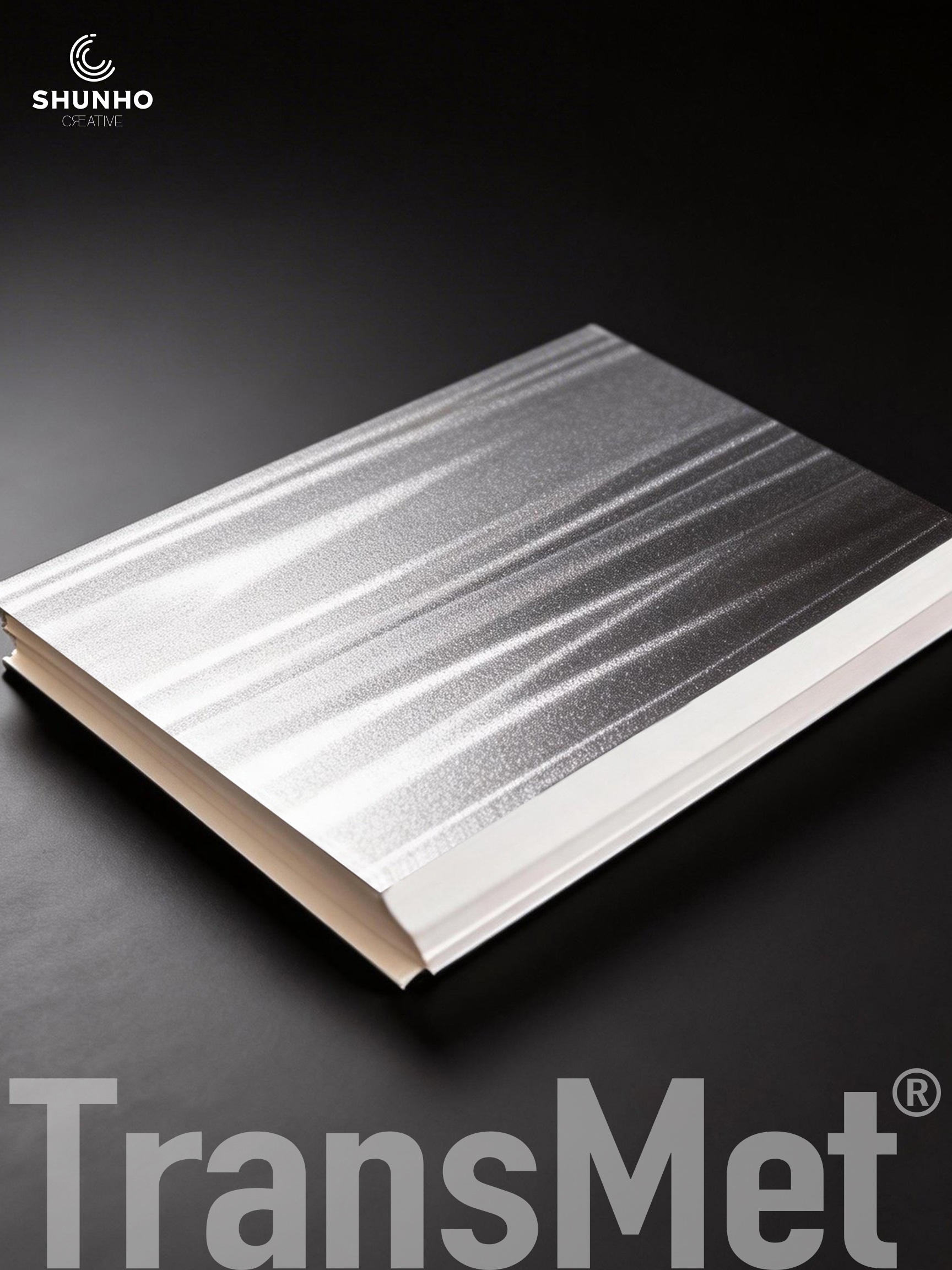
Proper installation and usage of eco-friendly paper packaging products can significantly impact their effectiveness. Begin by ensuring that the packaging is suited for the intended application. For instance, when using TransMet paper for electronics, it’s vital to avoid excessive exposure to moisture during storage and transportation.
When preparing to package products, ensure that all surfaces are clean and dry. This will facilitate better adhesion and sealing. Depending on the product type, you may need to consider specific sealing methods to maintain the integrity of the packaging. For example, using heat sealing techniques can enhance the durability of the packaging for items sensitive to environmental factors.
Additionally, training staff on best practices for handling and using the materials can prevent damage and ensure consistency in packaging operations. This training should cover aspects such as proper cutting techniques, alignment during assembly, and inspection procedures to catch any potential defects before final application.
Most Rainbow paper the customers come from the world's best 500 companies
Sticker paper holographic 20 years of foreign trade experience.Laser paper is produced at a capacity that can reach around 200,000 tons annually.
Holographic sticker paper FSC, REACH, FDA 21 CFR 176.170, (EU) No 10/2011, TUV OK COMPOST HOME, RECYCLABLE, ISO 9001/14001/45001, CNAS, PATENTS and other environmental protection certificates
English, Spanish, Japanese, Korean and other languages are supported. Support all Rainbow paper from materials to finished products.
Several factors influence the costs associated with paper packaging materials. The primary cost components include raw material prices, manufacturing processes, and customization requirements. For example, eco-friendly materials may be priced higher due to the sustainable sourcing of fibers and the use of advanced technologies in production.
Another significant factor is the scale of production. Higher volumes typically reduce per-unit costs, allowing for more competitive pricing. However, buyers must balance volume with actual demand to avoid overstocking. Understanding the minimum order quantities (MOQs) set by suppliers is essential for budgeting and planning purposes.
Customization can also add to the costs. While tailored solutions can enhance branding and product protection, they may lead to increased lead times and higher prices. Companies should weigh the benefits of customization against their budget constraints and market needs. Engaging in discussions with suppliers about potential cost-saving measures, such as standardization of certain components, can help manage expenses effectively.
In summary, eco-friendly paper packaging materials are essential for businesses aiming to meet sustainability standards while ensuring Shunho eco friendly paper packaging safety and quality. By evaluating material quality, understanding cost factors, and being aware of common challenges, purchasing managers and product managers can make informed decisions that align with their operational goals and sustainability commitments.
 EN
 AR
 HR
 CS
 DA
 NL
 FI
 FR
 DE
 EL
 HI
 IT
 JA
 KO
 NO
 PT
 RU
 ES
 TL
 ID
 VI
 HU
 TH
 TR
 MS
 GA
 CY
 MK
 HY
 PL