In the world of packaging, the choice of paper is crucial for ensuring product safety, aesthetic appeal, and environmental responsibility. The term "paper in packaging" encompasses a variety of options that cater to different industries, and selecting the right type can significantly impact your supply chain and product presentation. This article will address key factors B2B buyers should consider when sourcing packaging paper, including specifications, cost factors, common problems, and the advantages of recyclable materials, with a focus on innovative products like TransMet paper from Shunho Creative
When sourcing box packaging paper, buyers must evaluate several critical specifications to ensure suitability for their applications. Key speci0fications include
Material Type: Different materials offer varying levels of durability, barrier properties, and Recyclability. For instance, Shunho Creative offers eco-friendly options like TransMet paper, known for its aluminum layer that enhances barrier properties while remaining recyclable
Thickness and Weight: The paper's thickness (measured in grams per square meter, or GSM) affects its strength and suitability for specific applications. Thicker papers generally provide more protection but may increase shipping costs
Surface Finish: The finish of the paper can impact print quality and visual appeal. Options include glossy, matte, or textured finishes, each providing a different aesthetic and functional benefit
Dimensions: Custom dimensions may be required based on the product being packaged. Ensure that your supplier can accommodate specific size requirements without sacrificing quality
Barrier Properties: Depending on the product, barrier properties such as moisture resistance, oxygen barrier, and light protection can be critical. For example, TransMet paper’s aluminum layer provides superior protection for sensitive products
Understanding these specifications allows buyers to choose the right paper for their packaging needs, ensuring that it meets both quality and performance standards
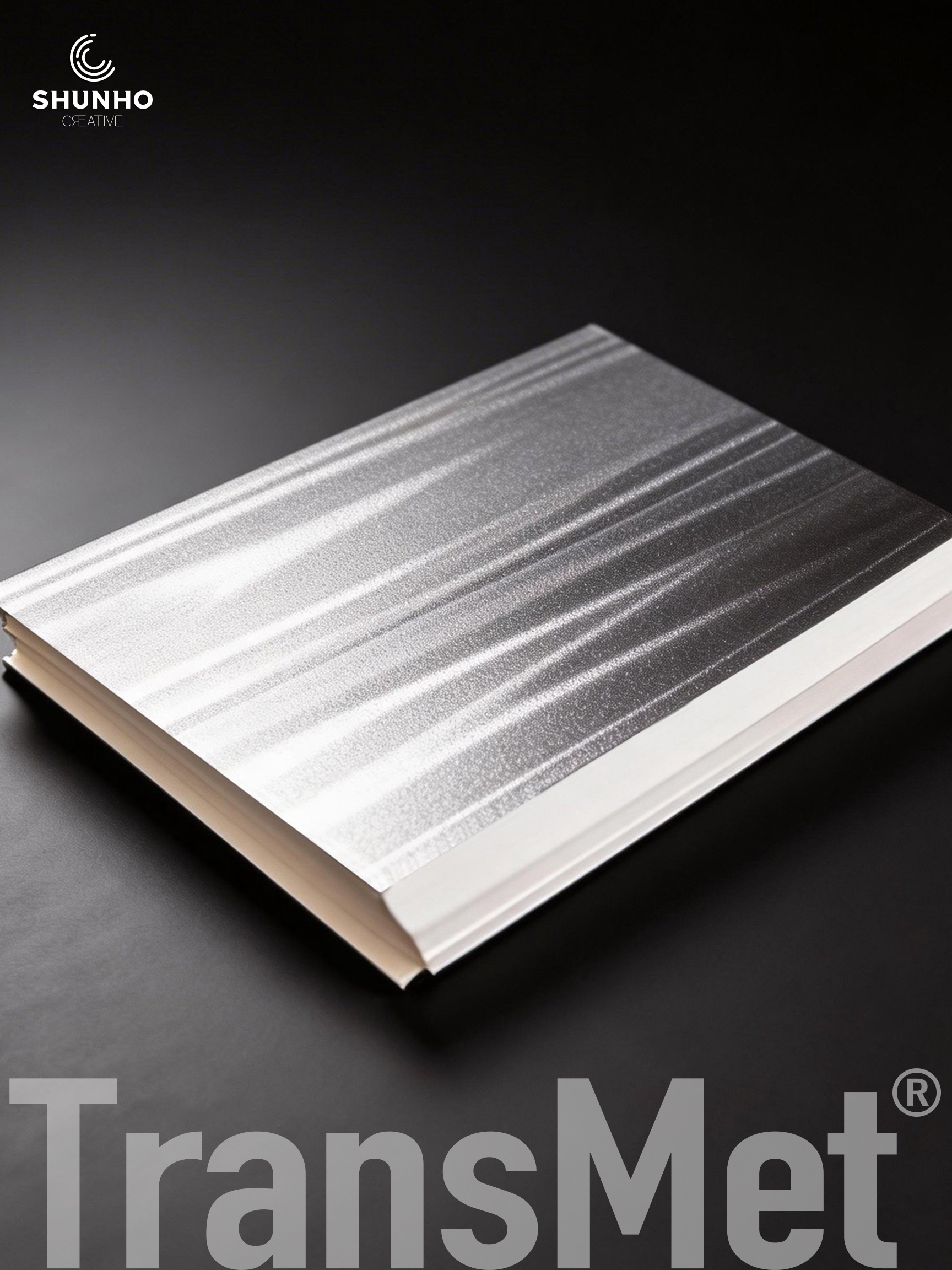
TransMet paper distinguishes itself from traditional packaging materials through its innovative design and eco-friendly attributes. Traditional packaging options often rely on plastics or non-recyclable materials, which can lead to environmental concerns and increased waste. In contrast, TransMet paper features a unique plastic-free design with a 30nm aluminum layer that enhances its barrier capabilities while ensuring full Recyclability
When comparing these options, consider the following
Sustainability: TransMet paper is fully recyclable and degradable, making it a responsible choice for brands looking to minimize their environmental impact. Traditional options may not offer the same level of sustainability
Performance: While traditional packaging may provide adequate protection, TransMet paper’s advanced barrier properties can protect products from moisture, light, and oxygen, preserving quality and shelf life
Market Appeal: As consumers become more environmentally conscious, using eco-friendly packaging like TransMet paper can enhance brand image and appeal to a growing demographic of eco-aware buyers
Overall, TransMet paper presents a compelling alternative to traditional packaging materials, aligning both with sustainability goals and performance requirements
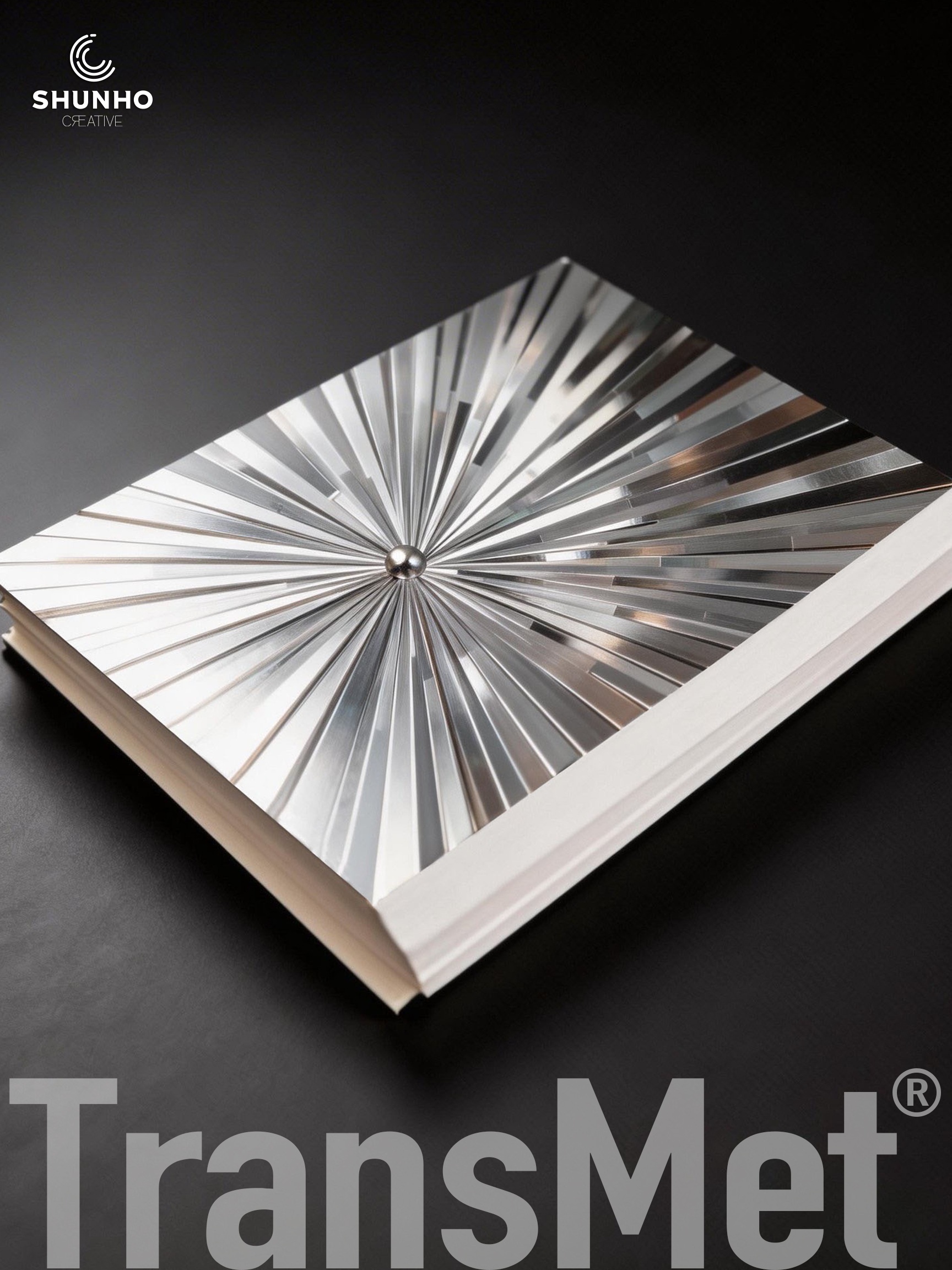
When it comes to sourcing packaging paper, understanding the cost factors can help buyers make informed decisions. Several elements influence pricing
Material Costs: The type of paper chosen significantly affects the overall cost. Eco-friendly options like TransMet paper may have a higher upfront cost but can provide long-term savings through reduced waste and improved product protection
Customization: Custom sizes, prints, and finishes can increase costs. Buyers should evaluate whether customization is necessary for their branding or if standard sizes will suffice
Order Quantity: Bulk orders typically lead to lower per-unit costs. However, buyers must balance the need for sufficient stock with storage capabilities and demand forecasts
Supplier Location: Shipping and logistics costs can impact pricing. Working with a manufacturer like Shunho Creative that has established logistics capabilities can help mitigate these costs
Quality Requirements: Higher quality papers may come at a premium but can prevent costly product damage during shipping and handling
By understanding these cost factors, buyers can better assess their packaging or paper packaging box options and align their choices with budget constraints and product requirements
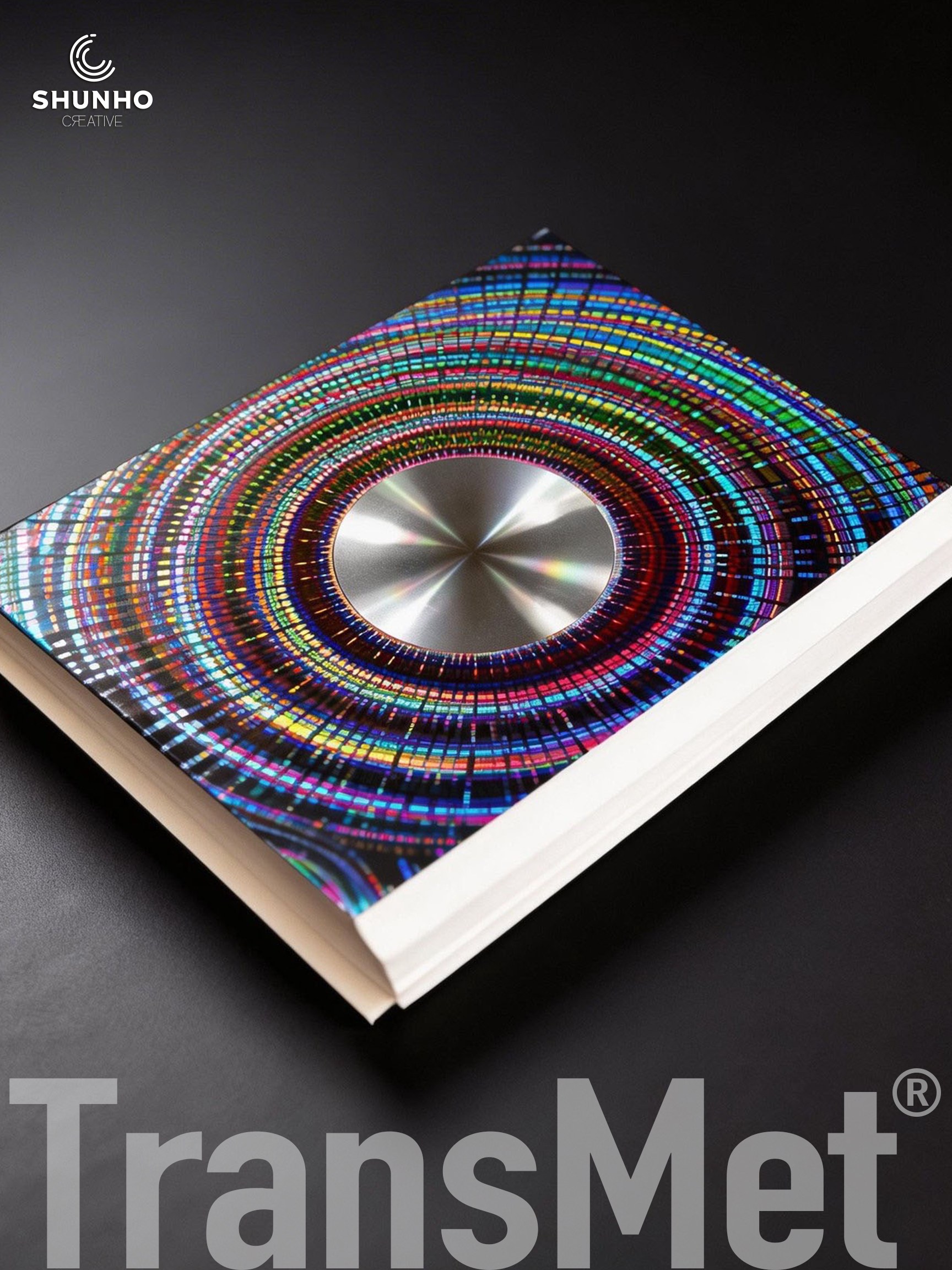
Buyers often encounter several common problems when dealing with packaging paper, which can affect both efficiency and product integrity. Here are typical issues and their solutions
Inconsistent Quality: Variability in paper quality can lead to packaging failures. To mitigate this, buyers should work with reputable suppliers who implement strict quality control processes and can provide certifications of their materials
Poor Barrier Performance: If packaging does not adequately protect the product, it can lead to spoilage or damage. Choosing materials with proven barrier properties, like TransMet paper, can enhance product longevity and reduce returns
Misalignment with Product Dimensions: Packaging that does not fit the product properly can result in damage during transport. Buyers should collaborate closely with suppliers to confirm dimensions and request samples before mass production to ensure a perfect fit
Environmental Impact: Increasing regulatory and consumer pressure calls for sustainable options. By selecting recyclable materials like TransMet paper, companies can address these concerns while maintaining performance
Supply Chain Delays: Delays in receiving packaging can disrupt production schedules. Establishing clear communication with suppliers and understanding their lead times can help prevent these issues
Addressing these common problems through careful supplier selection and material evaluation can lead to more efficient and effective packaging solutions
More than 20 years of foreign trade experience.Laser paper is produced at a capacity that could reach around Holographic sticker paper tons per year.
With FSC, REACH, FDA 21 CFR 176.170, ( Rainbow wrapping paper) No 10/2011, TUV OK COMPOST HOME, RECYCLABLE, ISO 9001/14001/45001, CNAS, PATENTS and other environmental protection certificates
Most Rainbow paper the customers come from the world's best 500 companies
Support for English, Spanish and Japanese is Holographic paper sticker.
Recyclable packaging materials, such as TransMet paper, provide numerous benefits that resonate with both consumers and businesses. Understanding these advantages can inform purchasing decisions
Environmental Responsibility: Using recyclable materials reduces landfill waste and supports a circular economy. This commitment to sustainability can enhance brand reputation and attract environmentally conscious consumers
Compliance with Regulations: As regulations on packaging waste tighten, using recyclable materials can help companies meet legal requirements and avoid penalties
Cost Savings: Although eco-friendly packaging might have higher initial costs, it can lead to savings over time through reduced disposal fees and potential tax incentives for sustainable practices
Consumer Demand: There is a growing market preference for sustainable products. Packaging that highlights Recyclability can enhance marketability and drive sales
Innovative Image: Adopting recyclable packaging materials demonstrates a forward-thinking approach that can differentiate a brand in a competitive market
Ultimately, the shift towards recyclable packaging materials not only supports corporate sustainability goals but also aligns with evolving consumer expectations and regulatory standards. By prioritizing eco-friendly options like TransMet paper, companies can position themselves as leaders in responsible paperboard box packaging practices
 EN
 AR
 HR
 CS
 DA
 NL
 FI
 FR
 DE
 EL
 HI
 IT
 JA
 KO
 NO
 PT
 RU
 ES
 TL
 ID
 VI
 HU
 TH
 TR
 MS
 GA
 CY
 MK
 HY
 PL



